The Silent Deep: Why Nuclear-Powered Submarines Are the Ultimate Game-Changer in Naval Tech
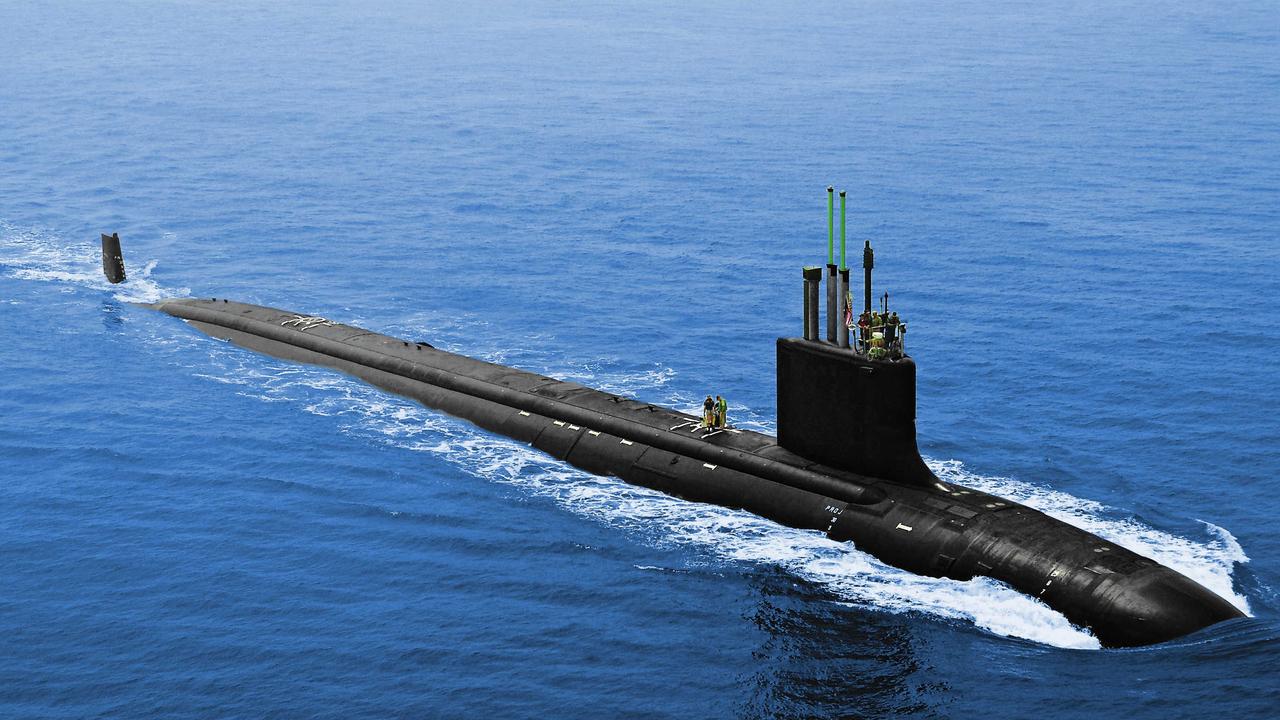
When we talk about "game-changing" technology, few things rival the nuclear-powered submarine. Unlike conventional diesel-electric subs that have to surface to breathe (or snorkel), nuclear subs can stay submerged for months at a time.
Let’s break down why this technology is so fascinating and why only a handful of nations have mastered it.
1. The Reactor: The Heart of the Beast
At the core of every nuclear submarine (like the US Virginia-class or Russia’s Borei-class) is a small nuclear reactor. Typically a Pressurized Water Reactor (PWR) .
How it works: The reactor heats water under extreme pressure. That hot water flows through a steam generator, creating steam that spins turbines.
The Magic: One uranium fuel load lasts for 25 to 33 years. A submarine can be commissioned, serve its entire life, and be decommissioned without ever needing to refuel.
2. The "Infinite" Endurance
This is the biggest tactical advantage.
Diesel-Electric: Can stay submerged for days (or weeks if using AIP systems) but must eventually snorkel to run noisy diesel engines to recharge batteries.
Nuclear: Limited only by food supplies. They can circumnavigate the globe without surfacing. They can sit silently under the Arctic ice, impossible to detect, waiting for orders.
3. Stealth: Running Silent
Modern nuclear subs are some of the quietest machines ever built.
Natural Circulation: Newer reactors can run cooling pumps off at low speeds, allowing the sub to glide silently using natural convection. This makes them incredibly hard to detect by passive sonar.
Pump-Jet Propulsors:Instead of noisy propellers, advanced subs use shrouded "pump-jets" (like a jet engine but for water) to reduce cavitation (the bubbles that create noise).
4. Strategic Deterrence (The "Boom" Factor)
Nuclear subs fall into two categories, and the second one is terrifyingly powerful:
SSN (Attack Subs): Designed to hunt other ships/subs and launch cruise missiles (like Tomahawks) at land targets.
SSBN (Ballistic Missile Subs): These are the "Boomers." They carry Intercontinental Ballistic Missiles (ICBMs) with nuclear warheads.
Because they are constantly hidden underwater, they form the "Second Strike" capability. If a country gets nuked, the SSBNs can surface and retaliate. This ensures Mutually Assured Destruction (MAD) , which ironically kept the Cold War "cold."
5. The Engineering Challenge
Why doesn’t everyone have them?
Building a nuclear sub is harder than building a nuclear power plant. You have to shrink a reactor into a tube, make it withstand the pressure of the deep ocean, ensure it doesn’t leak radiation with the crew inside, and make it silent.
Currently, only six nations operate them: USA, Russia, China, UK, France, and India. (Yes, even getting the reactor to fit is a massive national prestige project).
Why This Matters for Tech Enthusiasts
For us tech nerds, nuclear subs represent the pinnacle of:
Materials Science: Hulls made of HY-80 or HY-100 steel (or Titanium in the Russian ones).
Nuclear Engineering: Compact, safe, long-life reactors.
Acoustics: The constant battle between making noise to move fast, vs. going silent to hide.
What do you think?
Would you rather serve on a Virginia-class attack sub (fast and deadly) or a Ohio-class boomer (strategic deterrence)?
If you enjoyed this deep dive (pun intended), drop an upvote and follow for more tech breakdowns!
Stay curious.