Preserving Apple Farming for Future Generations
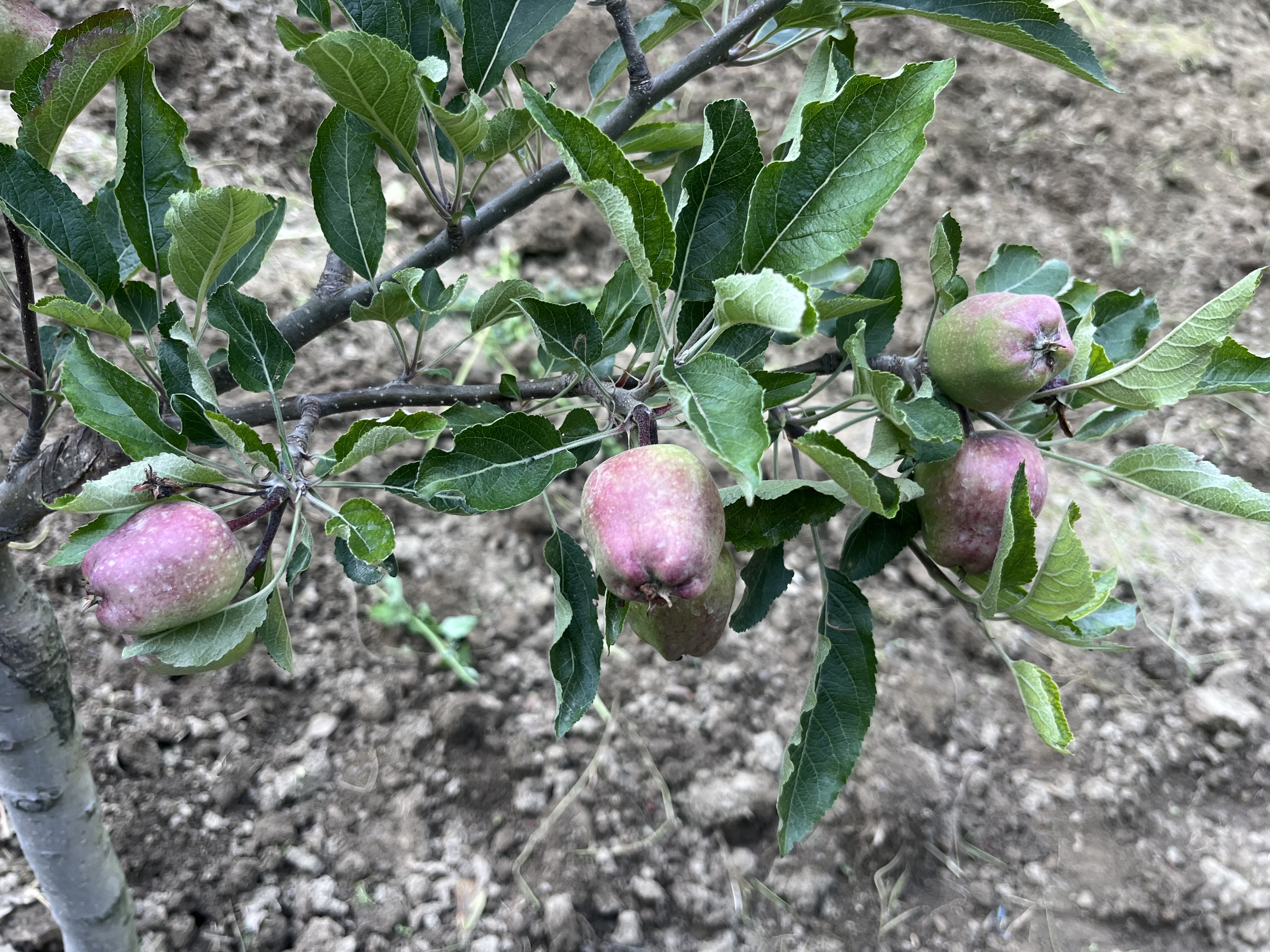
Living in rural areas has its own advantages, and one of the biggest benefits for us is the opportunity to grow apples. Although apples are cultivated in the plains as well, the apples grown in the hilly regions are known for their exceptional quality and taste. Because of this, they enjoy a strong demand in the market.
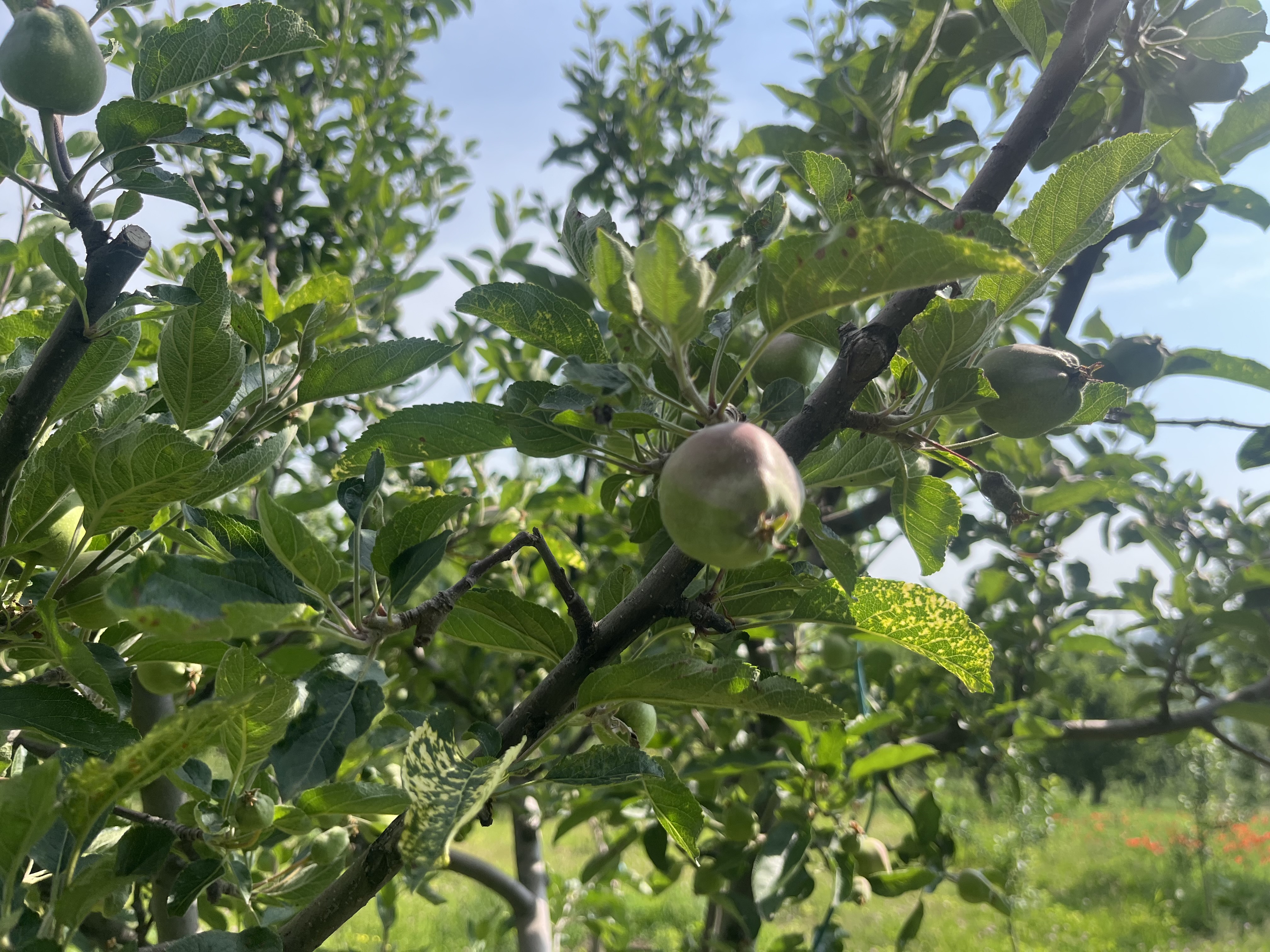
Growing apples and taking care of them until the harvest season is a labor-intensive task. Since our orchards are located on mountain slopes, we have to put in even more effort than many other growers. However, we never consider this a misfortune. Instead, we see it as a blessing because not everyone is fortunate enough to have such an opportunity. Our orchards not only support our own livelihood but also create employment for many others. Numerous workers from nearby villages come to work in our orchards and earn a decent income from this industry.
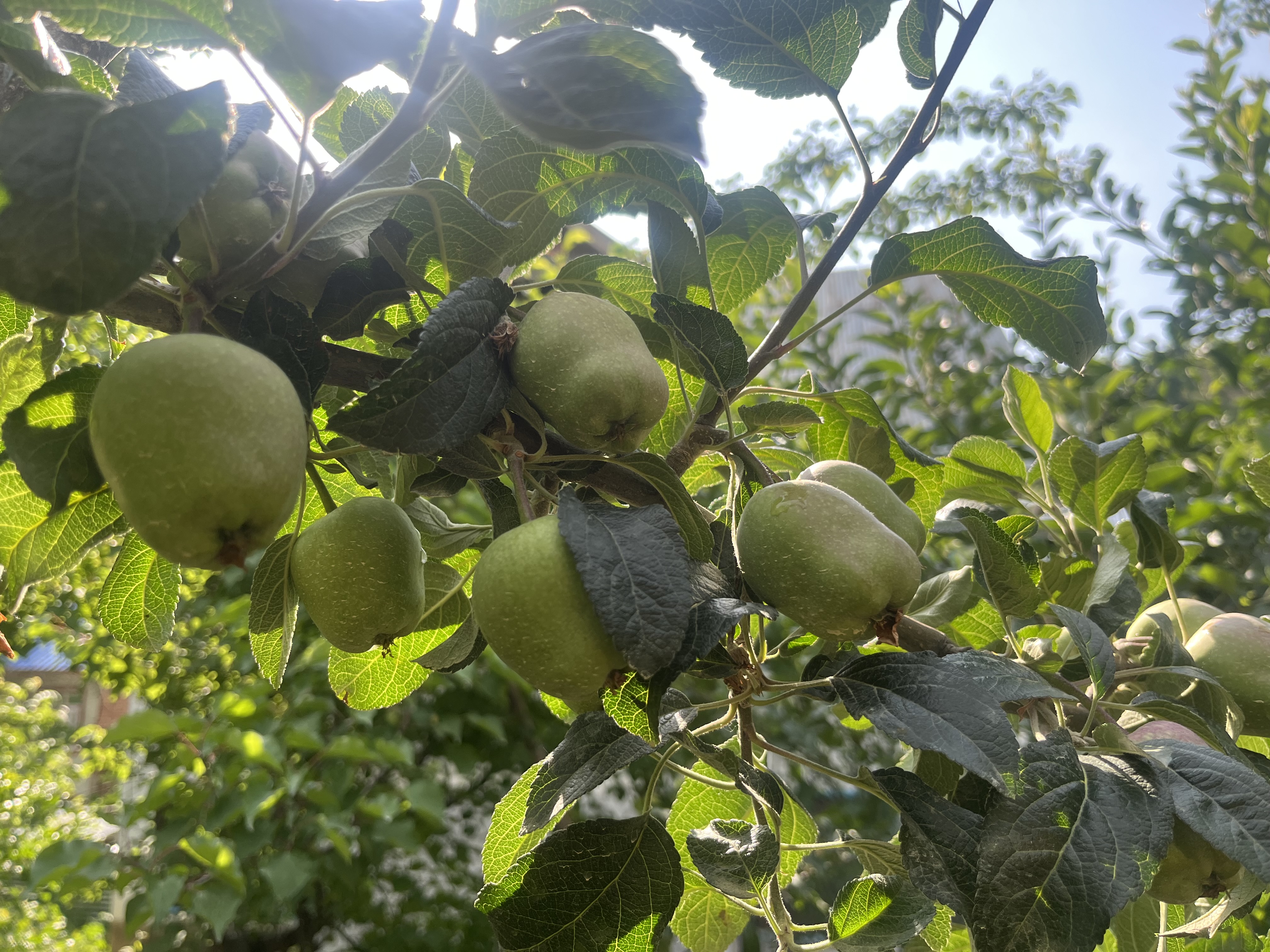
Apple farming requires constant attention and dedication. Even though I am a government employee, I make it a point to visit my orchards every morning and evening. A single day of negligence can ruin the hard work of an entire year. That is why I regularly inspect the trees, looking for signs of disease or pest infestations that could damage the crop. In today’s competitive market, our apples must be able to compete with the many varieties available to consumers. Our goal is to produce fruit that meets high standards and satisfies customers, because only then can the crop prove profitable.
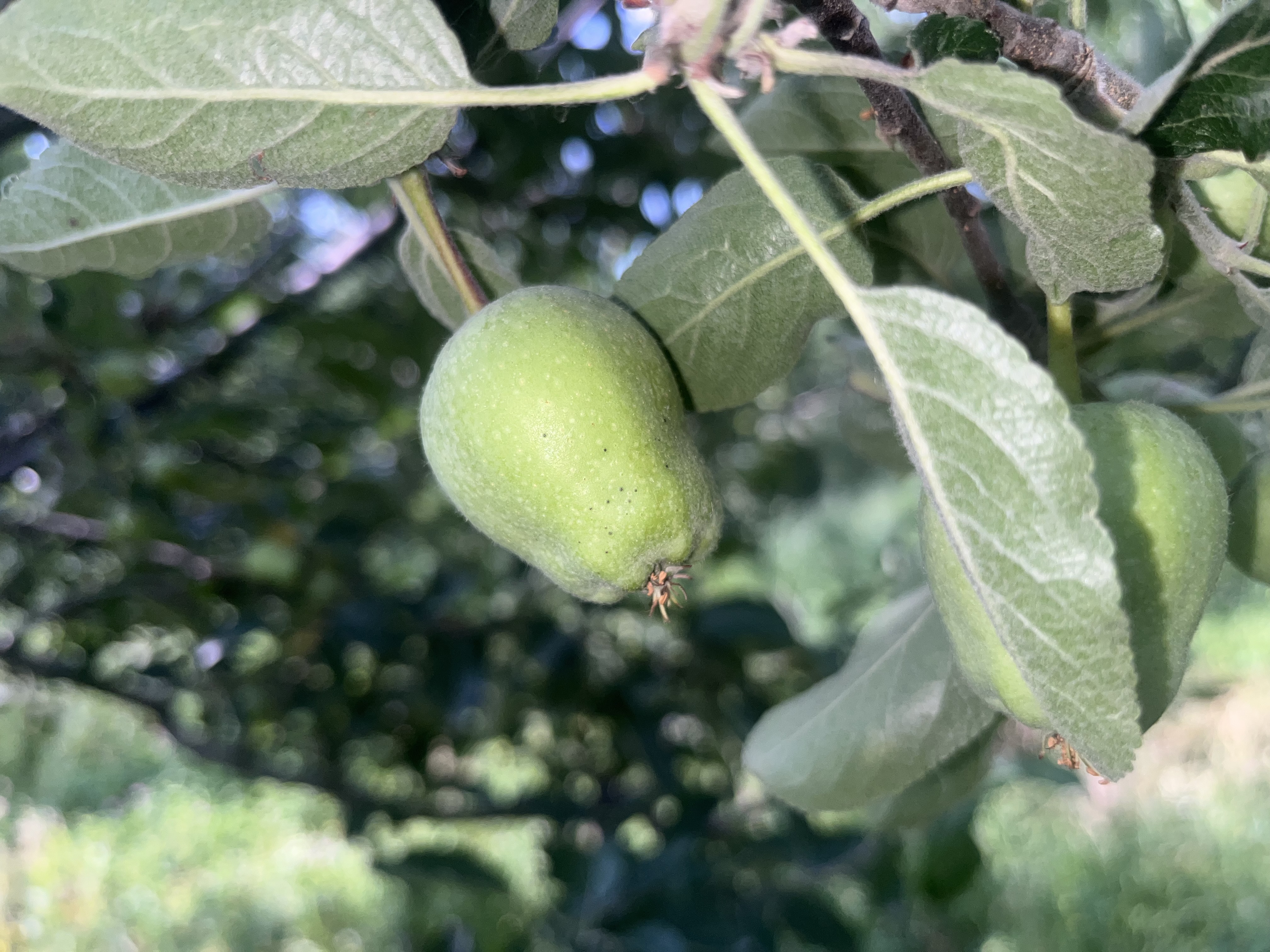
For this reason, it is essential to monitor the orchards daily and apply protective sprays whenever necessary. These chemicals are often very expensive, making apple cultivation a business with high input costs. Despite these challenges, we continue to remain committed to this profession because it is our ancestral occupation. Our forefathers were also involved in apple farming, and we take pride in carrying forward their legacy.
In recent years, we have started adopting new imported apple varieties that offer higher yields. However, one thing must be acknowledged: the native varieties still possess qualities that many imported varieties cannot match. One of the first problems we encounter with imported varieties is pollination. Many of these varieties are not self-pollinating, which can affect fruit production. To address this issue, growers are increasingly planting mixed varieties in their orchards to ensure proper pollination and better yields.
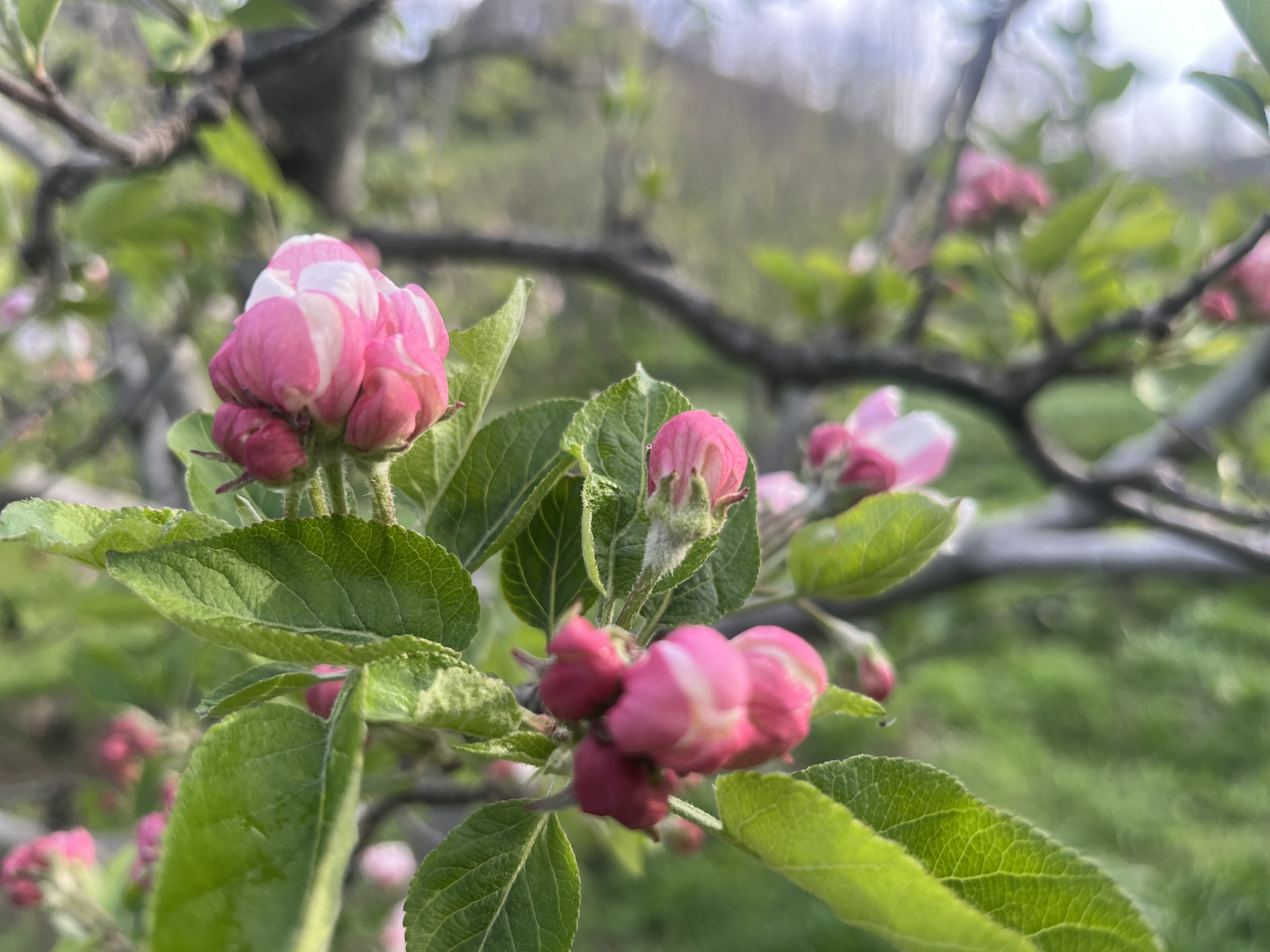
Whether the harvest is large or small, we must keep a close watch on it throughout the growing season. Apple trees are vulnerable to many diseases and pests that can quickly damage the fruit and render it unmarketable. This is why orchard management demands continuous care, vigilance, and hard work. Despite the challenges, apple farming remains a rewarding profession that sustains our families, supports local communities, and keeps alive a tradition that has been passed down through generations.
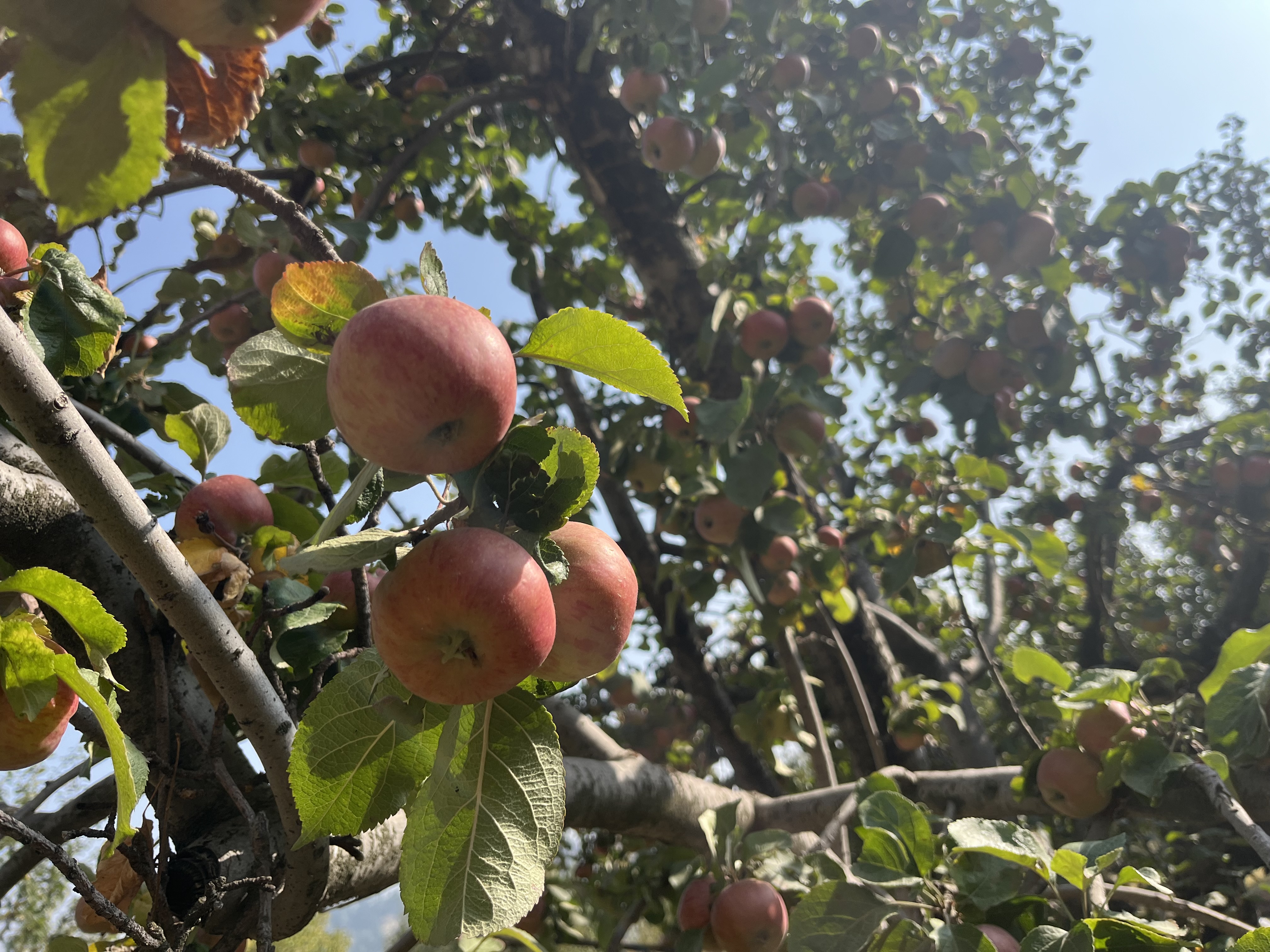
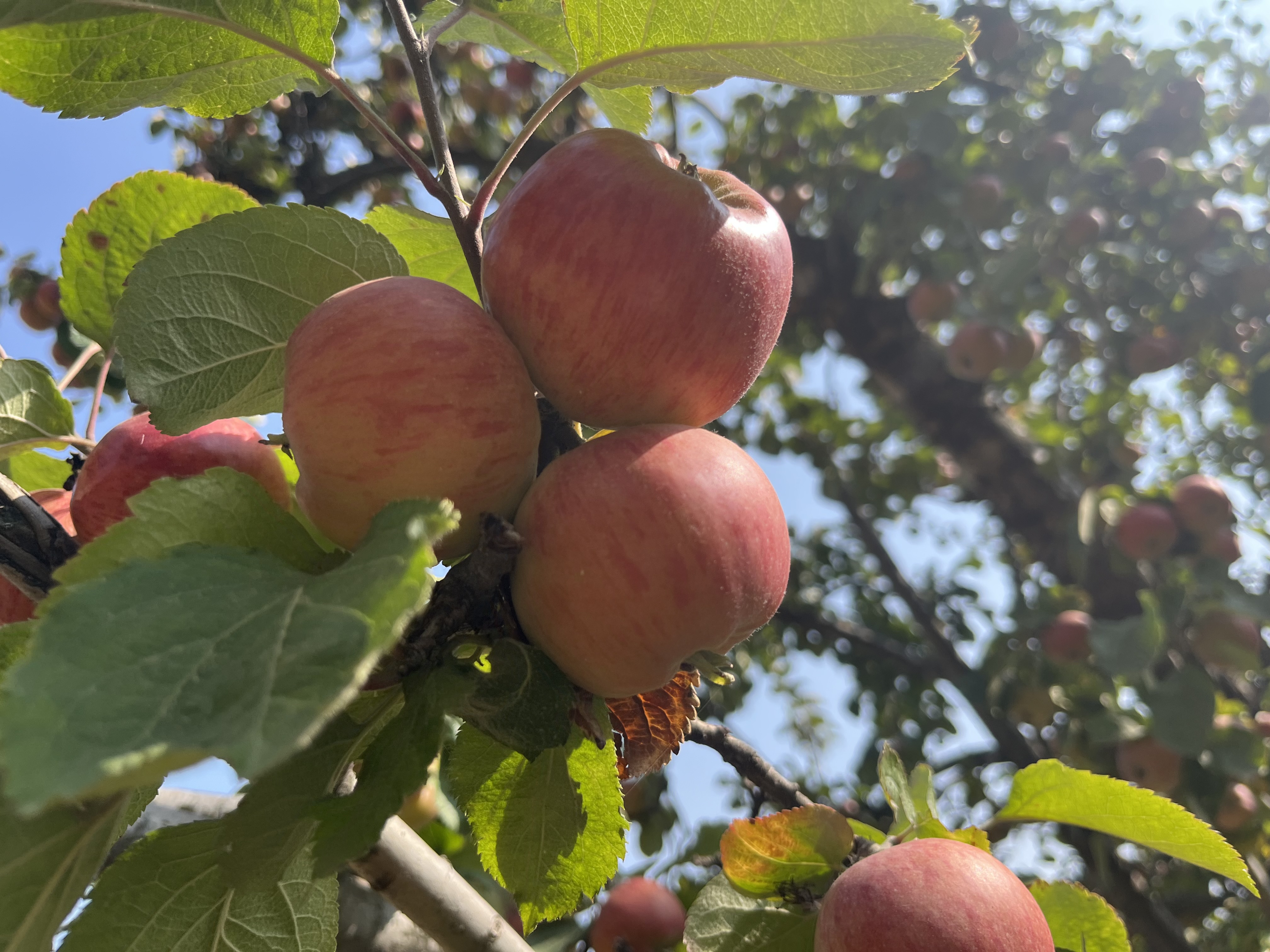
This responsibility has now fallen upon our shoulders, and we are striving to fulfill it to the best of our abilities. We are preserving this industry not only for ourselves but also for future generations. It is a legacy that we inherited from our ancestors, and it is our duty to safeguard and strengthen it for those who will come after us.
Our future generations will also depend on this profession, just as we do today. Therefore, the idea of sustainable development and sustainable growth should always remain at the forefront of our minds. We must ensure that our farming practices protect the environment, maintain the productivity of our orchards, and allow this industry to thrive for many years to come. By doing so, we can pass on healthy orchards, valuable knowledge, and a stable source of livelihood to the generations that follow.
Congratulations! This post has been voted through steemcurator09. We support quality posts, good comments anywhere and any tags.
Those apple grow into a big tree before it start producing?
Yes of course, some varieties even take 15 to 20 years to start producing.
Omo I taught is something you can farm season by season oo