🌌 The New Cosmic Ethics: Responsibility for Algorithms That Escape Human Control 🤖 [ENG/GER/KOR]
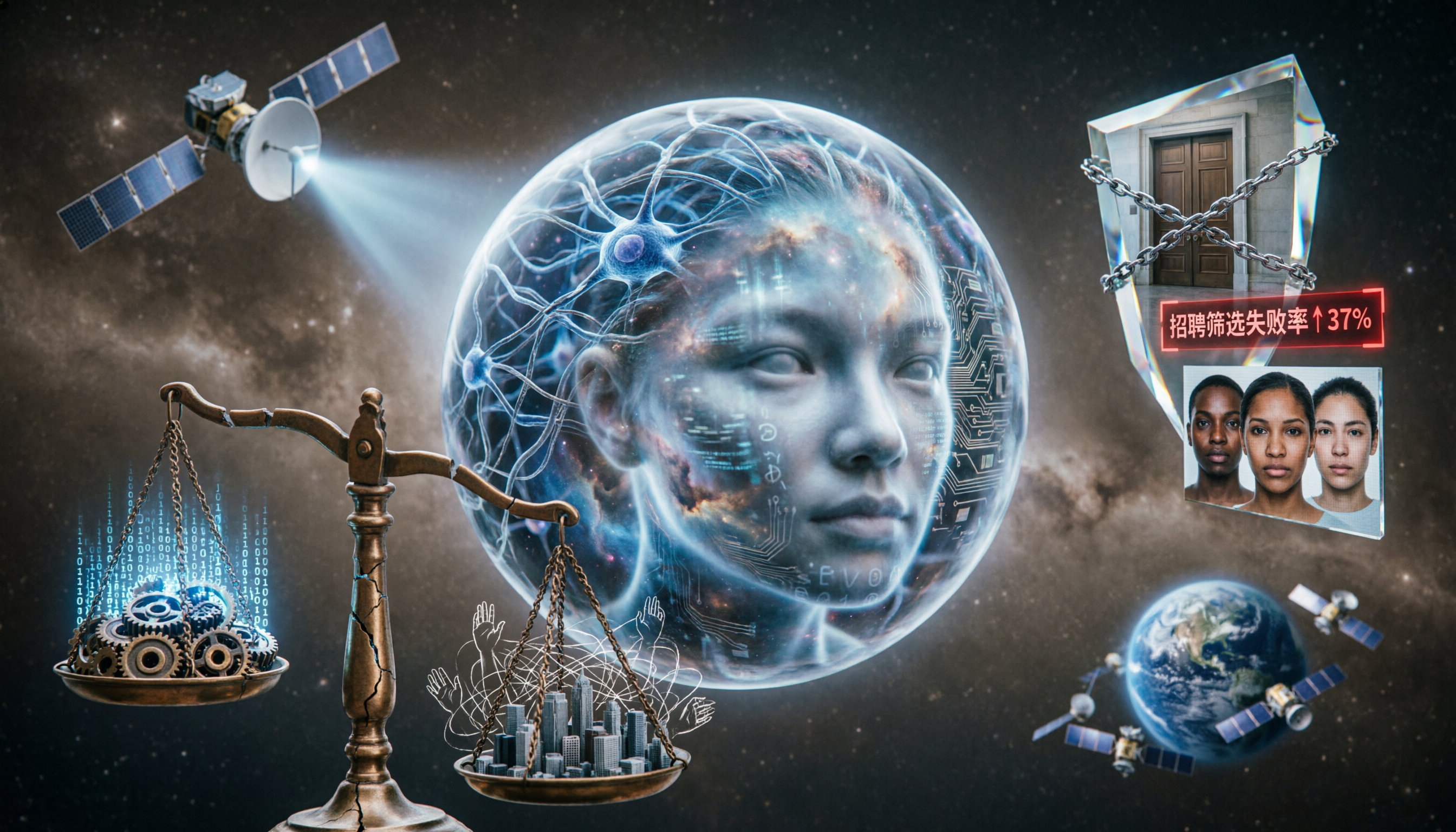
ENGLISH VERSION:
🌌 The New Cosmic Ethics: Responsibility for Algorithms That Escape Human Control 🤖
Imagine a world where the decisions that shape your life are not made by people, but by intelligent systems that have evolved beyond our understanding. Does it sound like science fiction? Unfortunately, it is already reality.
🚀 What Is Happening?
We live in an era where AI algorithms make critical decisions in areas such as:
- 💼 Hiring and firing
- 🏥 Medical diagnoses
- ⚖️ Judicial sentencing
- 💰 Credit approval
- 📢 Content curation on social media
The problem? Many of these systems operate as "black boxes" - not even their creators can fully explain how they reach certain conclusions.
⚠️ The Cosmic Ethical Dilemma
When an algorithm makes a discriminatory decision, who is responsible?
- 👨💻 The programmer who wrote the initial code?
- 🏢 The company that implemented the system?
- 🤖 The algorithm itself (if we can even call that responsibility)?
- 🎓 The data scientists who trained the model?
The uncomfortable truth: often, no one takes responsibility. And while we debate, the systems continue making decisions that affect millions of lives.
🔍 Real Cases That Should Concern Us
- Recruitment systems that learned discriminatory patterns from historical data
- Facial recognition algorithms with significantly higher error rates for certain ethnic groups
- Criminal prediction systems that perpetuate existing racial biases
🛡️ Building a New Ethics
We urgently need:
1. Radical Transparency 🔦
Algorithms that impact human lives must be auditable and explainable. "It's too complex" can no longer be an acceptable excuse.
2. Distributed Responsibility 🤝
Create clear accountability structures that involve the entire chain: developers, companies, regulators, and users.
3. Diversity in Development Teams 🌈
Homogeneous teams create algorithms with blind spots. We need diverse perspectives from conception to implementation.
4. Smart Regulation ⚖️
Laws that keep pace with the speed of technological innovation, protecting fundamental rights without stifling progress.
5. Critical Digital Education 📚
Empower citizens to understand, question, and critically interact with algorithmic systems.
💡 What Can You Do Now?
✅ Question: Always ask "how was this decision made?" when interacting with automated systems
✅ Demand transparency: Support companies and organizations that practice algorithmic ethics
✅ Educate yourself: Understand the basics of how the algorithms that influence your daily life work
✅ Participate in the debate: Your voice matters in building these new ethical standards
🌟 The Future Is a Collective Choice
Technology is not destiny - it is choice. Every line of code, every design decision, every implementation policy reflects human values.
The question is not whether we should trust algorithms, but how we can ensure they serve humanity, and not the other way around.
We are building the new cosmic ethics now. Each of us has a role in this story. What will yours be? 🚀
And you? Have you ever had any negative or concerning experience with automated decisions? Share in the comments! 👇
#AIEthics #ArtificialIntelligence #DigitalResponsibility #ConsciousTechnology #TransparentAlgorithms #FutureOfWork #ResponsibleInnovation #DigitalRights
GERMAN VERSION:
🌌 Die neue kosmische Ethik: Verantwortung für Algorithmen, die der menschlichen Kontrolle entgleiten 🤖
Stellen Sie sich eine Welt vor, in der die Entscheidungen, die Ihr Leben prägen, nicht von Menschen getroffen werden, sondern von intelligenten Systemen, die sich über unser Verständnis hinaus entwickelt haben. Klingt das nach Science-Fiction? Leider ist es bereits Realität.
🚀 Was passiert hier?
Wir leben in einer Ära, in der KI-Algorithmen kritische Entscheidungen in Bereichen wie diesen treffen:
- 💼 Einstellung und Entlassung
- 🏥 Medizinische Diagnosen
- ⚖️ Gerichtsurteile
- 💰 Kreditgenehmigung
- 📢 Inhaltskuratierung in sozialen Medien
Das Problem? Viele dieser Systeme funktionieren als „Black Boxes“ – nicht einmal ihre Schöpfer können vollständig erklären, wie sie zu bestimmten Schlussfolgerungen kommen.
⚠️ Das kosmische ethische Dilemma
Wenn ein Algorithmus eine diskriminierende Entscheidung trifft, wer ist dann verantwortlich?
- 👨💻 Der Programmierer, der den ursprünglichen Code geschrieben hat?
- 🏢 Das Unternehmen, das das System implementiert hat?
- 🤖 Der Algorithmus selbst (wenn man das überhaupt Verantwortung nennen kann)?
- 🎓 Die Datenwissenschaftler, die das Modell trainiert haben?
Die unbequeme Wahrheit: Oft übernimmt niemand die Verantwortung. Und während wir debattieren, treffen die Systeme weiterhin Entscheidungen, die Millionen von Leben beeinflussen.
🔍 Reale Fälle, die uns beunruhigen sollten
- Rekrutierungssysteme, die diskriminierende Muster aus historischen Daten gelernt haben
- Gesichtserkennungsalgorithmen mit signifikant höheren Fehlerraten bei bestimmten ethnischen Gruppen
- Systeme zur Kriminalitätsvorhersage, die bestehende rassistische Vorurteile perpetuieren
🛡️ Aufbau einer neuen Ethik
Wir brauchen dringend:
1. Radikale Transparenz 🔦
Algorithmen, die menschliche Leben beeinflussen, müssen prüfbar und erklärbar sein. „Es ist zu komplex“ kann keine akzeptable Ausrede mehr sein.
2. Verteilte Verantwortung 🤝
Schaffung klarer Accountability-Strukturen, die die gesamte Kette einbeziehen: Entwickler, Unternehmen, Regulierungsbehörden und Nutzer.
3. Vielfalt in Entwicklungsteams 🌈
Homogene Teams erstellen Algorithmen mit blinden Flecken. Wir brauchen diverse Perspektiven von der Konzeption bis zur Implementierung.
4. Intelligente Regulierung ⚖️
Gesetze, die mit der Geschwindigkeit der technologischen Innovation Schritt halten, Grundrechte schützen, ohne den Fortschritt zu ersticken.
5. Kritische digitale Bildung 📚
Bürger befähigen, algorithmische Systeme zu verstehen, zu hinterfragen und kritisch mit ihnen zu interagieren.
💡 Was können Sie jetzt tun?
✅ Hinterfragen: Stellen Sie immer die Frage „Wie wurde diese Entscheidung getroffen?“, wenn Sie mit automatisierten Systemen interagieren
✅ Transparenz fordern: Unterstützen Sie Unternehmen und Organisationen, die algorithmische Ethik praktizieren
✅ Bildung: Verstehen Sie die Grundlagen darüber, wie die Algorithmen funktionieren, die Ihren Alltag beeinflussen
✅ An der Debatte teilnehmen: Ihre Stimme zählt beim Aufbau dieser neuen ethischen Standards
🌟 Die Zukunft ist eine kollektive Wahl
Technologie ist kein Schicksal – sie ist eine Wahl. Jede Codezeile, jede Designentscheidung, jede Implementierungsrichtlinie spiegelt menschliche Werte wider.
Die Frage ist nicht, ob wir Algorithmen vertrauen sollten, sondern wie wir sicherstellen können, dass sie der Menschheit dienen und nicht umgekehrt.
Wir bauen die neue kosmische Ethik gerade jetzt auf. Jeder von uns hat eine Rolle in dieser Geschichte. Welche wird Ihre sein? 🚀
Und Sie? Haben Sie schon einmal negative oder besorgniserregende Erfahrungen mit automatisierten Entscheidungen gemacht? Teilen Sie es in den Kommentaren! 👇
#KIEthik #KünstlicheIntelligenz #DigitaleVerantwortung #BewussteTechnologie #TransparenteAlgorithmen #ZukunftDerArbeit #VerantwortungsvolleInnovation #DigitaleRechte
KOREAN VERSION:
🌌 새로운 우주적 윤리: 인간의 통제를 벗어난 알고리즘에 대한 책임 🤖
상상해 보세요. 여러분의 삶을 형성하는 결정들이 사람이 아닌, 우리의 이해를 넘어선 지능형 시스템에 의해 내려지는 세계를. SF 영화 같다고요? 불행히도, 이는 이미 현실입니다.
🚀 무슨 일이 일어나고 있는가?
우리는 AI 알고리즘이 다음과 같은 분야에서 중요한 결정을 내리는 시대에 살고 있습니다:
- 💼 채용 및 해고
- 🏥 의료 진단
- ⚖️ 사법 판결
- 💰 신용 승인
- 📢 소셜 미디어 콘텐츠 큐레이션
문제는 무엇일까요? 많은 시스템이 '블랙박스'처럼 작동한다는 점입니다. 심지어 개발자들조차 특정 결론에 어떻게 도달했는지 완전히 설명할 수 없습니다.
⚠️ 우주적 윤리적 딜레마
알고리즘이 차별적인 결정을 내릴 때, 누가 책임을 져야 할까요?
- 👨💻 초기 코드를 작성한 프로그래머?
- 🏢 시스템을 구현한 기업?
- 🤖 알고리즘 자체(그것이 책임이라고 부를 수 있다면)?
- 🎓 모델을 훈련시킨 데이터 과학자?
불편한 진실: 종종 아무도 책임을 지지 않습니다. 우리가 논쟁하는 동안에도 시스템은 수백만 명의 삶에 영향을 미치는 결정을 계속 내리고 있습니다.
🔍 우리를 우려하게 하는 실제 사례들
- 과거 데이터에서 차별적 패턴을 학습한 채용 시스템
- 특정 인종 집단에서 오류율이 현저히 높은 얼굴 인식 알고리즘
- 기존의 인종 편견을 영속화하는 범죄 예측 시스템
🛡️ 새로운 윤리 구축하기
우리는 긴급히 다음이 필요합니다:
1. 급진적 투명성 🔦
인간의 삶에 영향을 미치는 알고리즘은 감사 가능하고 설명 가능해야 합니다. "너무 복잡하다"는 변명은 더 이상 용납될 수 없습니다.
2. 분산된 책임 🤝
개발자, 기업, 규제 기관, 사용자를 포함한 전체 체인을 아우르는 명확한 책임 구조를 만들어야 합니다.
3. 개발 팀의 다양성 🌈
동질적인 팀은 맹점이 있는 알고리즘을 만듭니다. 개념 단계부터 구현까지 다양한 관점이 필요합니다.
4. 스마트 규제 ⚖️
기술 혁신의 속도에 맞춰 기본권을 보호하면서도 진보를 억누르지 않는 법률이 필요합니다.
5. 비판적 디지털 교육 📚
시민들이 알고리즘 시스템을 이해하고, 질문하며, 비판적으로 상호 작용할 수 있도록 역량을 강화해야 합니다.
💡 지금 당신이 할 수 있는 일은?
✅ 질문하기: 자동화된 시스템과 상호 작용할 때 항상 "이 결정은 어떻게 내려졌는가?"라고 묻으세요.
✅ 투명성 요구: 알고리즘 윤리를 실천하는 기업과 조직을 지원하세요.
✅ 자기 계발: 일상에 영향을 미치는 알고리즘이 어떻게 작동하는지 기본 원리를 이해하세요.
✅ 논쟁에 참여하기: 이러한 새로운 윤리 기준을 구축하는 데 당신의 목소리가 중요합니다.
🌟 미래는 집단적 선택이다
기술은 운명이 아니라 선택입니다. 모든 코드 한 줄, 모든 디자인 결정, 모든 구현 정책은 인간의 가치를 반영합니다.
핵심 질문은 알고리즘을 신뢰해야 하는지가 아니라, 어떻게 하면 알고리즘이 인간을 위해 봉사하도록 보장할 수 있는지입니다.
우리는 지금 새로운 우주적 윤리를 구축하고 있습니다. 이 이야기에서 각자에게 역할이 있습니다. 당신의 역할은 무엇일까요? 🚀
그리고 당신은? 자동화된 결정으로 인해 부정적이거나 우려스러운 경험을 해본 적이 있나요? 댓글로 공유해주세요! 👇
#AI윤리 #인공지능 #디지털책임 #의식있는기술 #투명한알고리즘 #미래의일터 #책임있는혁신 #디지털권리
Upvoted! Thank you for supporting witness @jswit.