You Can Keep Fighting Forever but Spare Greenery for Common men
About twenty-five years ago when I started writing online as a common contributor, I made a lot of critical errors, and the worst part was I thought I was an aspiring writer.
Soon I realized my mistakes, and the only thing I could think soothingly was, “Writing is just blundering and blundering until you become a master of blundering.” I think I am a master of mistakes now, a perfect master, but I will keep writing.
I have been making mistakes for years. Perversely, I persevered, really speaking, I had nothing better to do, and as my writing slowly became better, I considered myself no more a novice. I still feel now the questions, at least, are easy to answer.
But I am feeling like I am back to that era where I started my journey as this question comes to my mind. Where are we going to land if nature's boundless grandeur is lost forever?
For the last few weeks every morning, when I wake up, I read the headlines, which are not much different from what I read previous night when I went to bed and some times even worst.
For instance, if the war goes on, forests may survive in some places, but many will be damaged, fragmented, or lost. War often brings deforestation, pollution, fires, illegal logging, and the collapse of forest protection systems.
What do you think why forests suffer, let me explain, during conflict, people may depend more on wood and charcoal for fuel, which increases tree cutting. Military activity can also clear vegetation, contaminate land and water, and disturb wildlife habitats.
Now the question is will they recover? I agree a few of these forests are resilient and can regrow if the fighting ends and protection returns. But recovery is slow, and war often leaves long-term harm to soil, wildlife, and local communities.
So my answer is the forests do not usually survive war unchanged. They may survive in patches, but their health and biodiversity will decline sharply.
The current example is the war in Sudan, which has been reported to be devastating forests around Khartoum and South Darfur, including ancient acacia and reserved forests. The war in Ukraine is also causing major forest damage through wildfires, mined land, and direct fighting.
If you mean the most active forest-damaging war right now, Sudan is a strong answer because recent wars have caused large-scale tree loss, charcoal cutting, and erased forests during the ongoing conflict.
You can say the worst war affected forests globally may not be due to the current conflict going on in the Gulf region, but in the Gulf conflict, forests are getting harmed indirectly rather than by front-line fighting.
Air pollution from oil fires, refinery strikes, and smoke can settle on leaves, weaken trees, and damage soil quality, while contaminated water can stress nearby vegetation. War also pushes people to cut more wood for fuel and cooking when energy supplies are disrupted, which increases deforestation.
Another indirect effect is the breakdown of environmental protection: when governments, rangers, and monitoring teams are distracted by war, illegal logging, land clearing, and fires become harder to stop. In coastal Gulf areas, oil pollution can also damage mangroves and wetlands, which are forest-like ecosystems and vital habitats for wildlife.
So, the war hurts forests through smoke, pollution, fuel shortages, weak enforcement, and habitat stress, even where no shells directly hit the trees.
As I see it, protecting forests during ongoing conflicts will need both emergency action and long-term planning. The main steps are to keep military activity away from protected areas, but is that possible?
The other idea is to create demilitarized conservation zones and map fragile forest regions so they are avoided during operations. Strong international laws also matter, especially rules that treat deliberate environmental destruction as a serious violation.
My question is still the same, is that possible by oil-hungry politicians who think in terms of "me, my, and mine" and not beyond that?
If we have to keep these forests green It is important to stop illegal logging and “conflict timber” from financing armed groups, because weak governance during war often allows forest abuse to grow.
We shall have to look at the local communities and Indigenous peoples, since they depend on these forests and try their best to protect besides they have land rights and support.
As such, do you think the oil-hungry leaders will work in the interest of forests after conflict? I don't think they have a plan for reforestation or better forest management, and even international organizations can help monitor damaged forests to recover since they have lost their importance to a great extent.
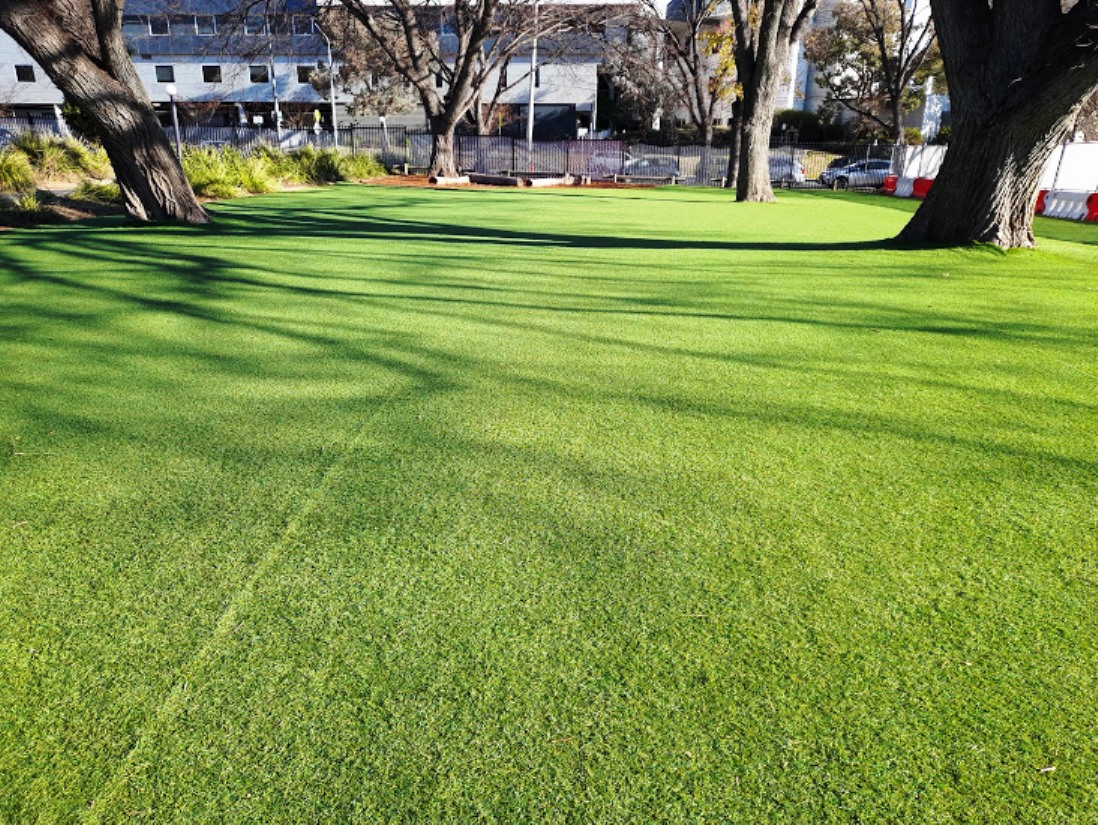
I think the present Gulf conflict is most likely to stop through a negotiated deal, not a total military victory. The current reporting suggests the main exit paths are a ceasefire, a nuclear or security agreement, or a broader regional settlement that gives both sides something they can claim at home.
A deal would probably need three things, limits on escalation, some sanctions relief or security guarantee for Iran, and a framework that reduces attacks on Gulf shipping and energy routes.
Gulf states may also push hard for mediation because they want stability around the Strait of Hormuz and fear being caught in a wider war. But at this point it seems hard.
The conflict may continue if either side believes it can gain more by pressure than by compromise. If you ask me, a premature end without clear security guarantees could leave the region unstable and encourage future retaliation.
So, the war may stop when the costs become too high for everyone and diplomacy becomes the safer option than escalation.

ᴰʳʸ ᵖᵉᵗʳᵒˡ ᴾᵘᵐᵖˢ
Now I come to my point, as the Gulf conflict can affect India mainly through higher oil and gas prices, shipping disruption, and inflation. India imports a large share of its energy from the Gulf, so any trouble in the Strait of Hormuz can quickly raise fuel costs and strain supply chains.
It can also hurt exports and jobs because freight, insurance, and security costs rise, making Indian goods less competitive in Gulf markets. Sectors like chemicals, steel, cement, textiles, airlines, fertilizers, and food processing may feel the pressure first. A weaker rupee and higher import bills can then add to inflation and slow growth.
India has some buffers, like strategic petroleum reserves and alternate oil suppliers, but gas and LPG are harder to replace quickly. So the biggest effect on India is likely to be economic stress, not direct military danger.
I guess if the conflict goes on the petrol pumps will go dry or maybe if not completely dry, but fuel can become scarce, costly, and irregular if the conflict continues. India usually has reserves and alternative suppliers, so a full shortage is unlikely at first. Still, longer disruption can mean higher petrol prices, weaker supply chains, and occasional local supply pressure. I see a gloomy picture for the 1.4 billion people in subcontinent.
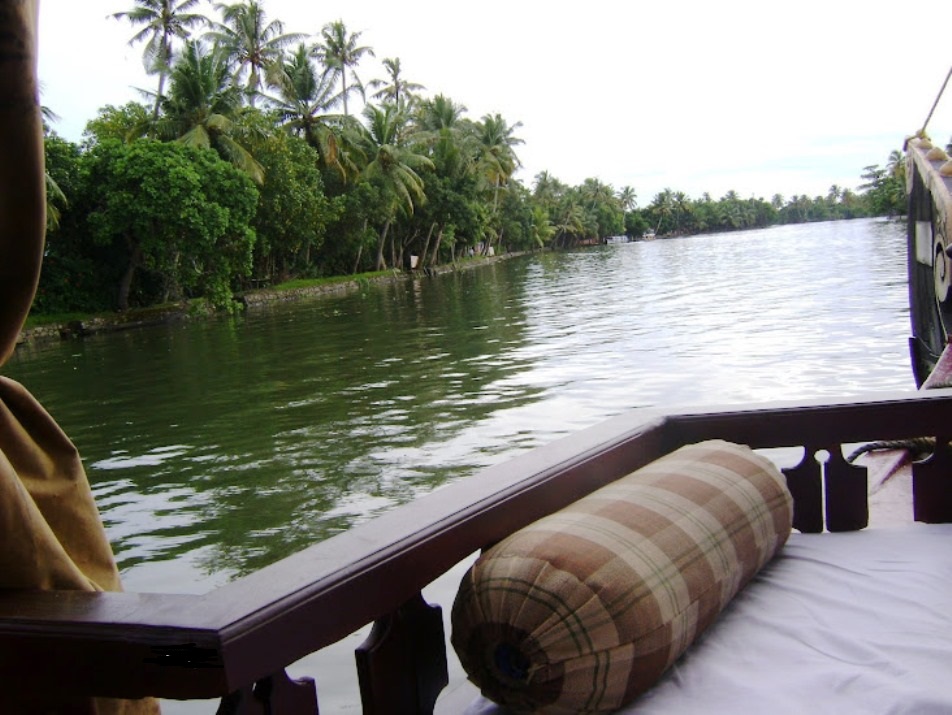
My question is shall we see the green forests, in our country or cozy cruse liners in Arabian or the warships will take over that will end everything for ever if the current situation prolongs?
Being an optimistic, I think we will probably still see green forests and the beauty of the Arabian landscapes, but not unchanged. If the conflict lasts, some places may recover slowly, while others could lose trees, wildlife, and natural balance for years.
I am sure “Everything” is unlikely to be lost forever, but the damage can become deep and long-lasting if fires, pollution, over cutting, and weak protection continue. Nature often heals, yet it needs peace, water, time, and care. So the future depends on how long the conflict lasts and how quickly people protect the land after it ends.
ᵂᵉ ᵃʳᵉ ⁿᵒᵗ ˡᵒᵒᵏⁱⁿᵍ ᶠᵒʳʷᵃʳᵈ ᵗᵒ ˢᵉᵉ ˢᵒᵐᵉᵗʰⁱⁿᵍ ˡⁱᵏᵉ ᵗʰⁱˢ ᶠᵒʳ ˢᵘʳᵉ!
Will it be a one-man show or others will intervene to bring things to normal? I don't care if they keep on fighting forever, but they should spare greenery and energy for common people, that's all I wish and hope for. I look forward to sharing more with you friends, my thinking process on this topic is on.
ᴵᵐᵃᵍᵉ ᵃˡˡ ᵐⁱⁿᵉ
I read a lot, and I particularly enjoy science fiction... Have you ever noticed that in most of the visions of the future described, there is neither anything that corresponds to our idea of nature (forests, meadows, heathland,...) nor any pets?
To be honest, I find this infrastructural sterility highly plausible: everything will be subordinated to the necessity of producing sufficient nutrients for the (over)population. Our history as a species shows that we will choose the worst possible path to achieve this...
Hehe, you're spot on! I feel the same that sci-fi futures strip away nature and pets, and think about sterile mega structures made up for survival.
That's the reason I am no fan of Blade Runner's rain-slicked sprawl or The Matrix's simulated voids where there is no wild forests, which make farms churning out calories for billions. You talk about pets which was probably now luxuries for ouroverpopulation.
These creatures are probably worst than meadows that are being replaced by endless infrastructure. And this will go on, greenery will further reduce by different ways, war is one of them.
Welcome to the greedy world that thinks about own self.
This comment has been upvoted by steemcurator05
https://x.com/simaodev11/status/2040237727237738891?s=20
Hehe, you're spot on! I feel the same that sci-fi futures strip away nature and pets, and think about sterile mega structures made up for survival.