SCS32-W3 || Real Life Problem Solving Challenge: Time Management
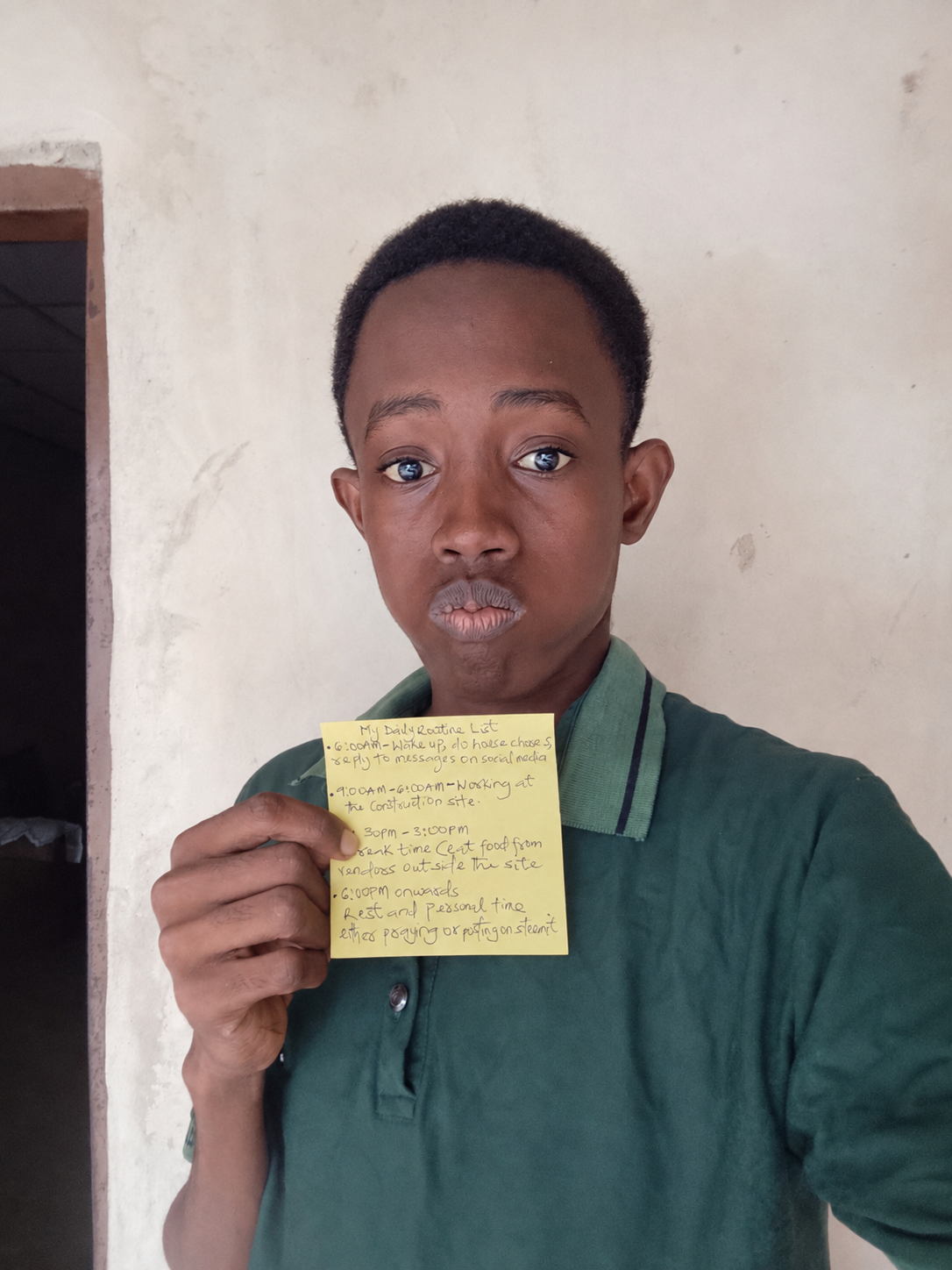
Hello everyone
My name is @sampson01 and I'm an IT student from the University of Uyo Akwa Ibom State Nigeria. Right now, I'm in the middle of my 6-month industrial training (April to September) doing electrical installation and wiring with the Allied Health Science faculty.
Here's the thing - I want to be real with you about something most students won't talk about: managing your time when you're doing physically demanding work is HARD. But it's possible and I'm living proof. So I am sharing my actual journey because it with definitely help some people reading it
| 01 | How do you organize your daily schedule? |
|---|
(And Why It Actually Works)
Look my schedule is strict but honestly? It has to be or you let me be. I am working straight nine hours on a construction site and I need to know exactly what I am doing each day or else I will lose it.
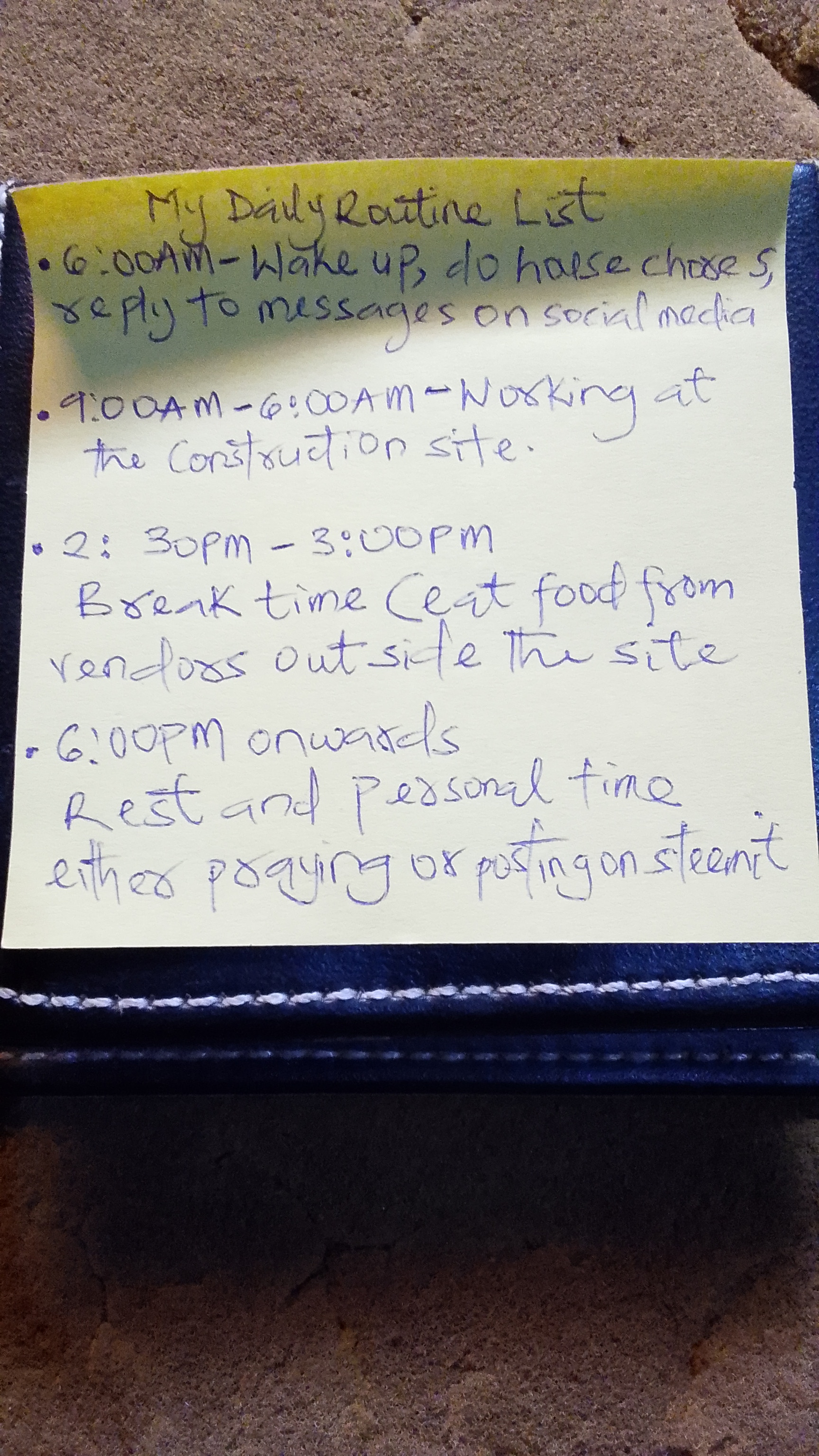
Here's My Actual Daily Breakdown:
• 5:30 AM | I spend time with God first. This isn't just religious it clears my head before the chaos starts
| • 6:00 AM | Wake up quick house chores check my phone messages |
|---|---|
| • 9:00 AM - 6:00 PM | Full site work (I'll explain what this means below) |
| • 2:30 PM - 3:00 PM | Break time (this is non-negotiable, you'll understand why later) |
| • 8:00 PM onwards | Rest eat properly prepare for the next day |
How I Actually Keep Track:
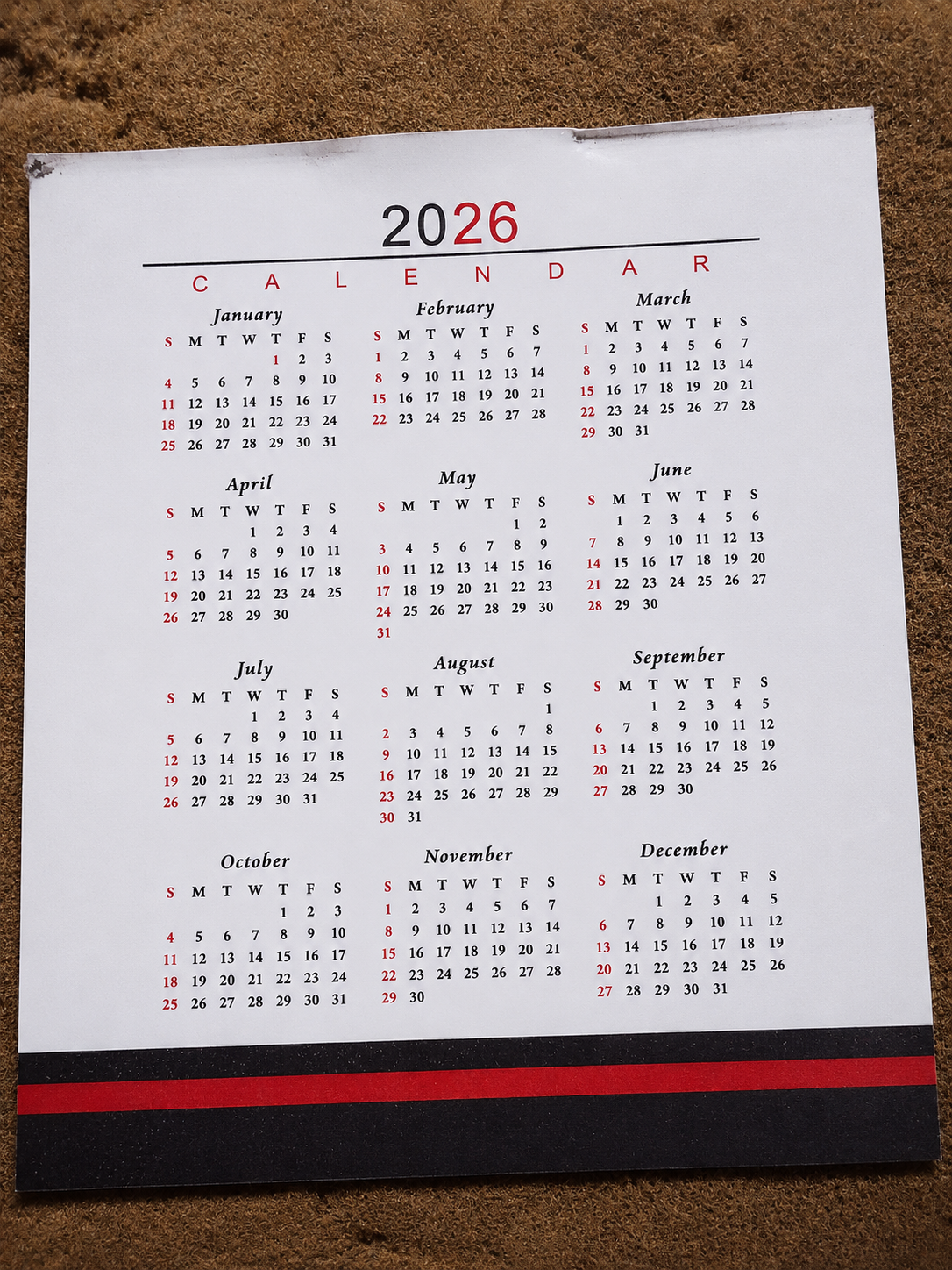
I use two things - a physical notebook and my phone calendar. Here's why both matter:
The notebook is where I write down:
- Exactly which installations I'm doing that day
- Specific deadlines (like "finish classroom 3 sockets by Friday
- What tools I need prepared
- My break time (yes I literally schedule breaks)
- Anything I learned that day
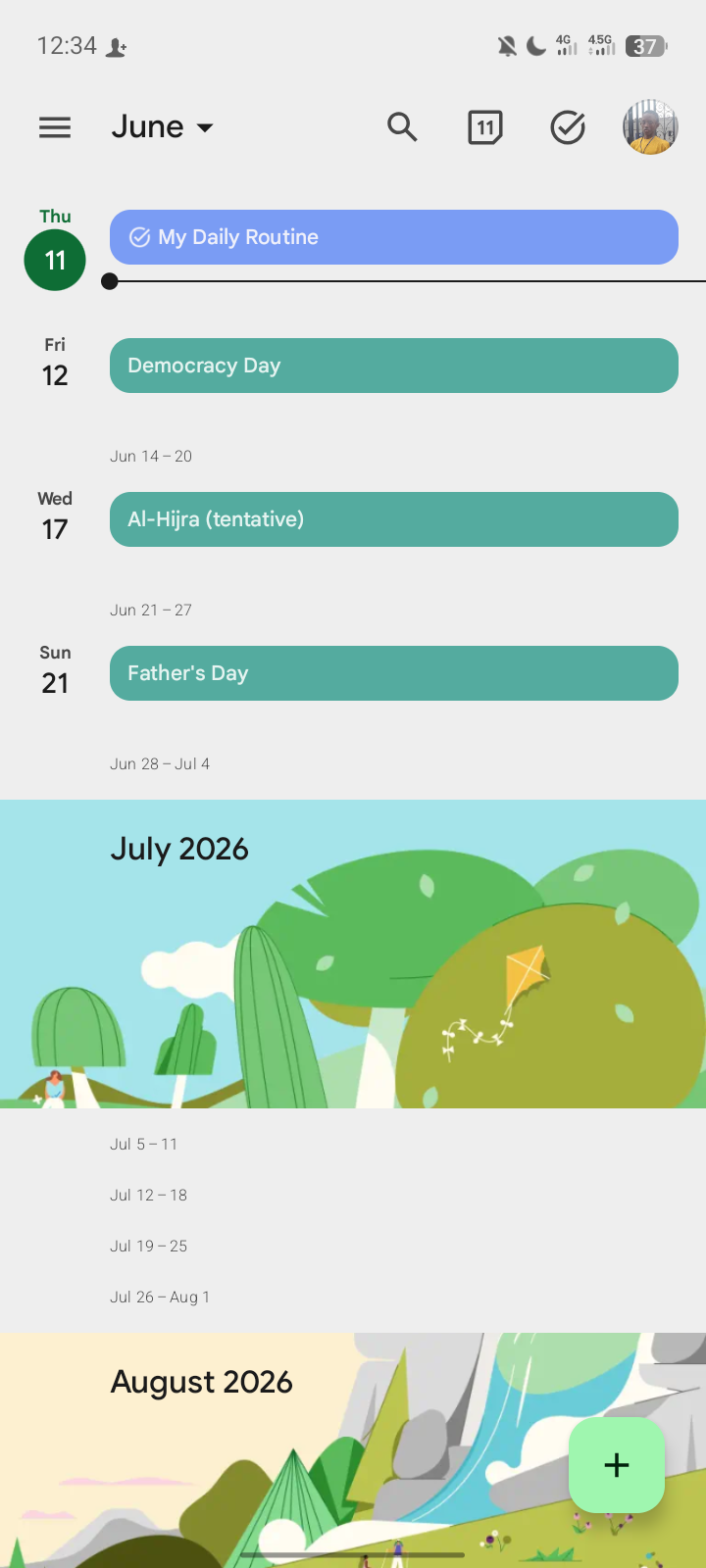
The phone calendar or another calendar backs this up - I set reminders because honestly when you are tired at 5 PM you forget what you planned.
| 02 | What is the most important activity in your day that takes up the most of your time and is also essential? With original images. |
|---|
What is the most important activity in your day that takes up the most of your time and is also essential? With original images.
9 hours daily Monday to Friday goes to construction site work. That's 45 hours a week roughly 720 hours since I started in April.
But here's what people don't understand see electrical installation isn't like other jobs where you can speed up and do things sloppy. One wrong connection could literally cause a fire.
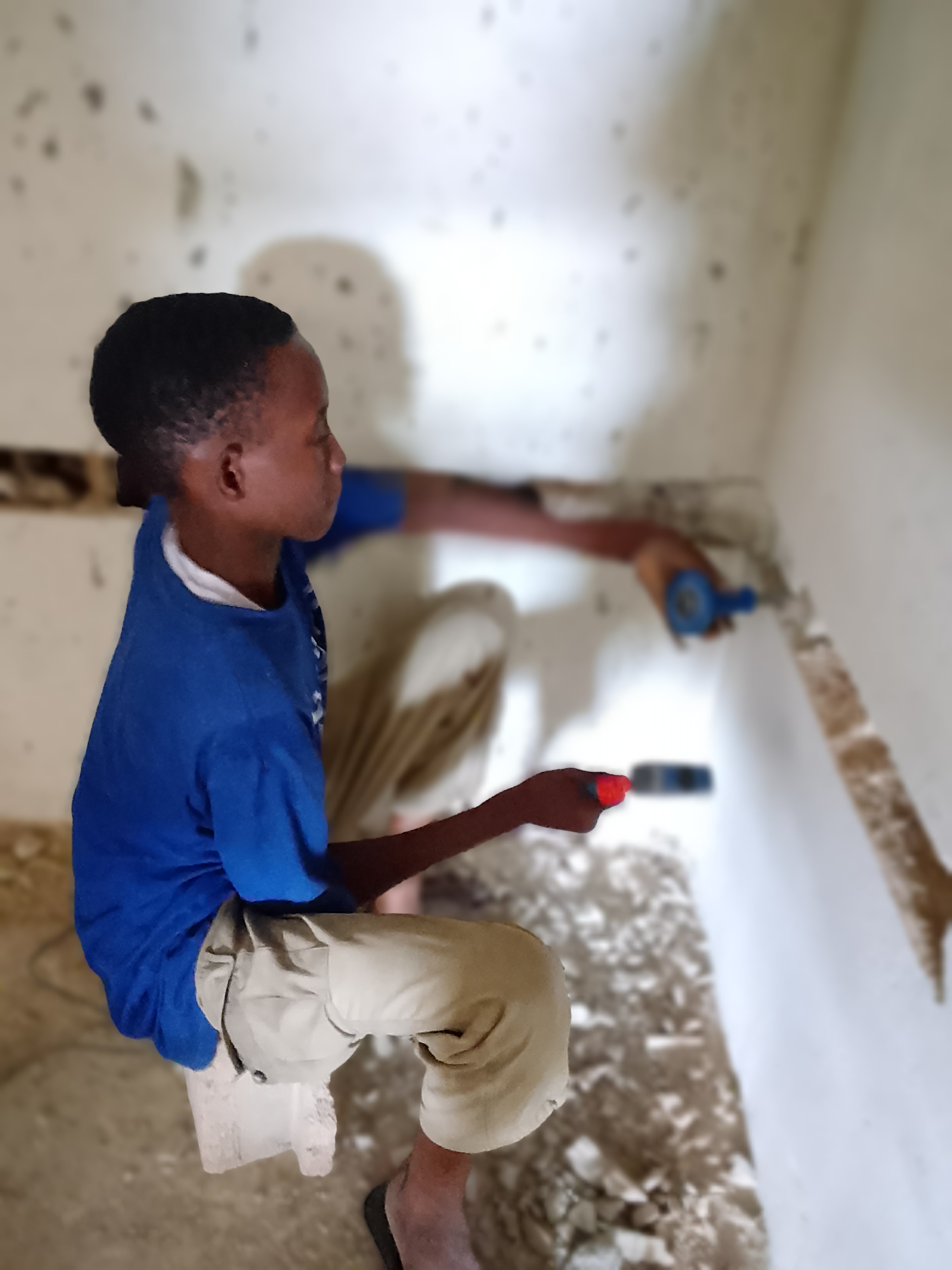
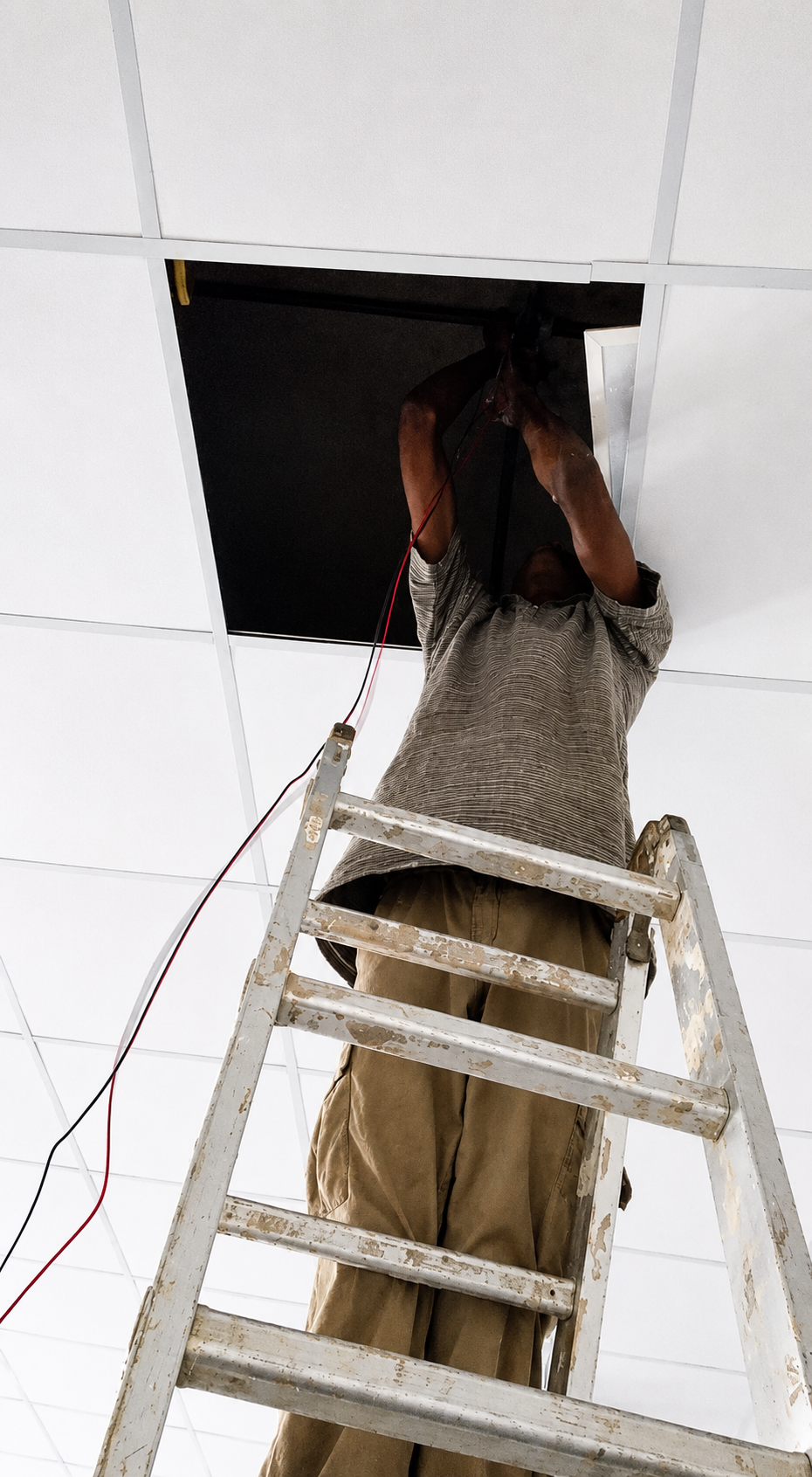
What I'm Actually Responsible For:
• Laying electrical pipes (the protective tubes for cables)
• Installing adaptable boxes (distribution points for power)
• Cracking walls carefully to create pathways for cables
• Connecting two-way three-way and four-way boxes each one serves a different purpose
• Cementing walls back up after we're done
The Equipment I Handle:
- Boxes ( 20mm and 25 mm Four, Three Throw)
- Bending springs (20mm and 25mm) - I use these to bend pipes
- Pipes (20mm and 25 mm)
- 3 × 3 socket box and saddock clip, cross bar, chisel and hammer.
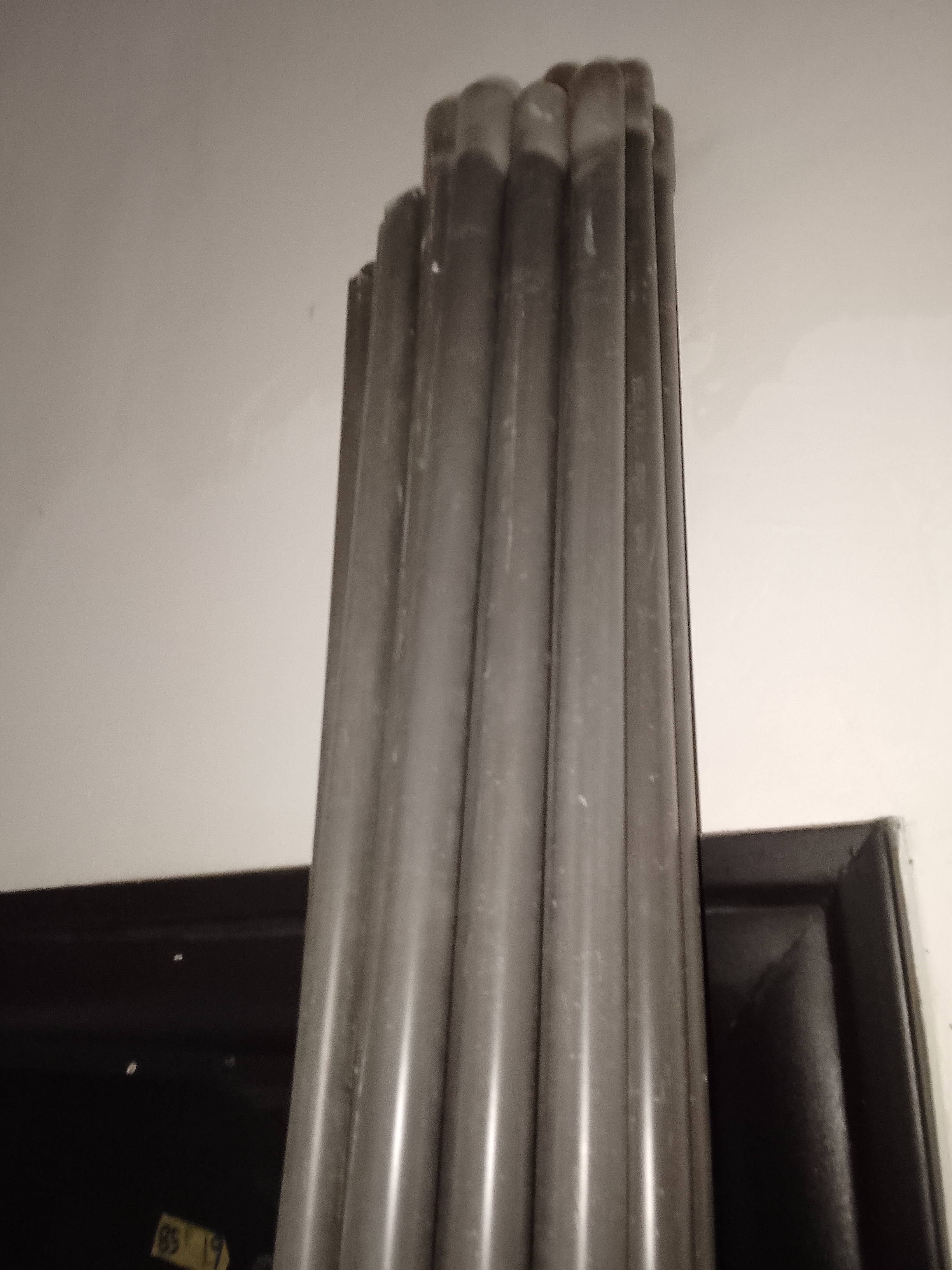 | 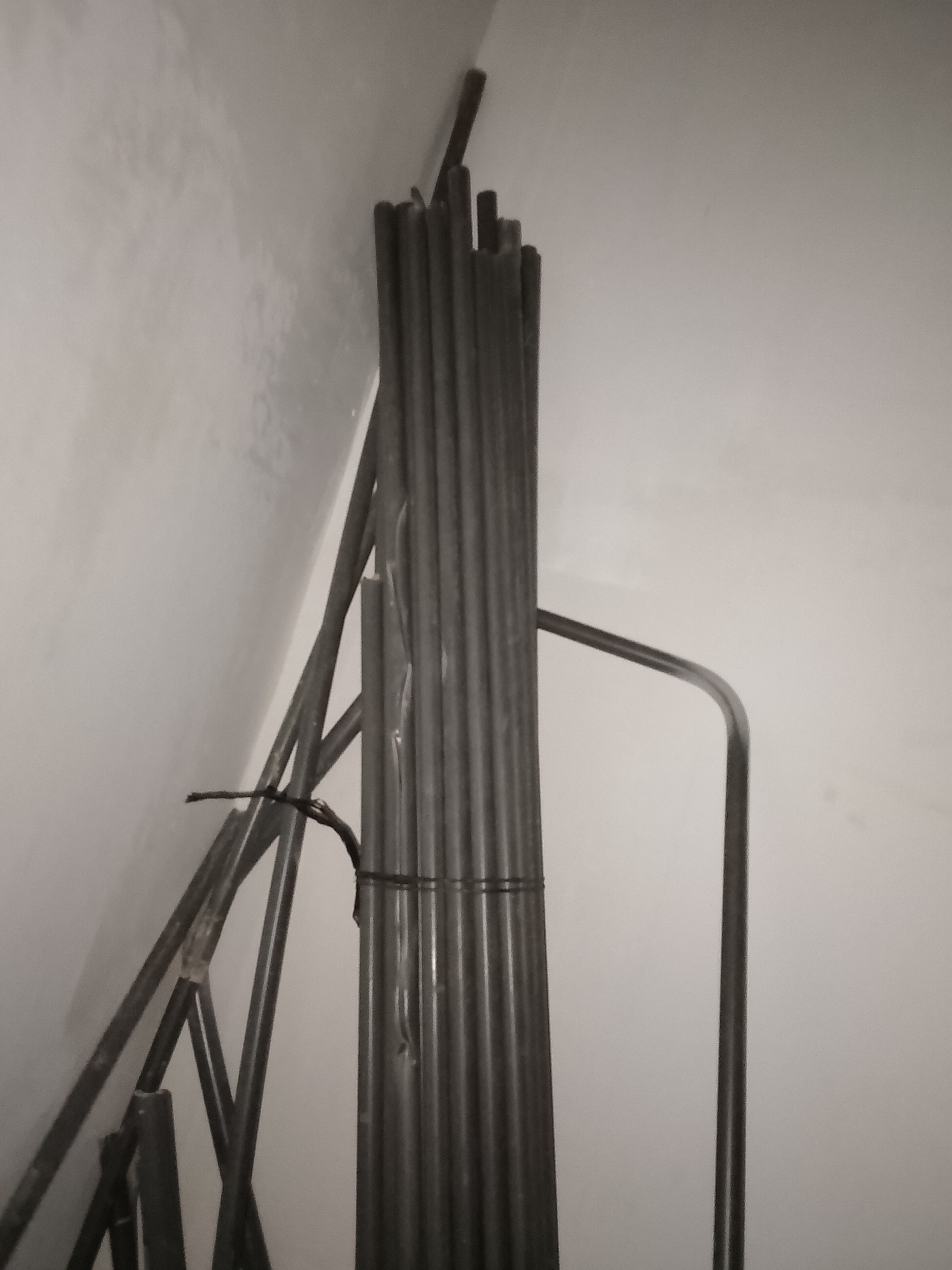 |
|---|---|
| 25mm | 20mm pipes |
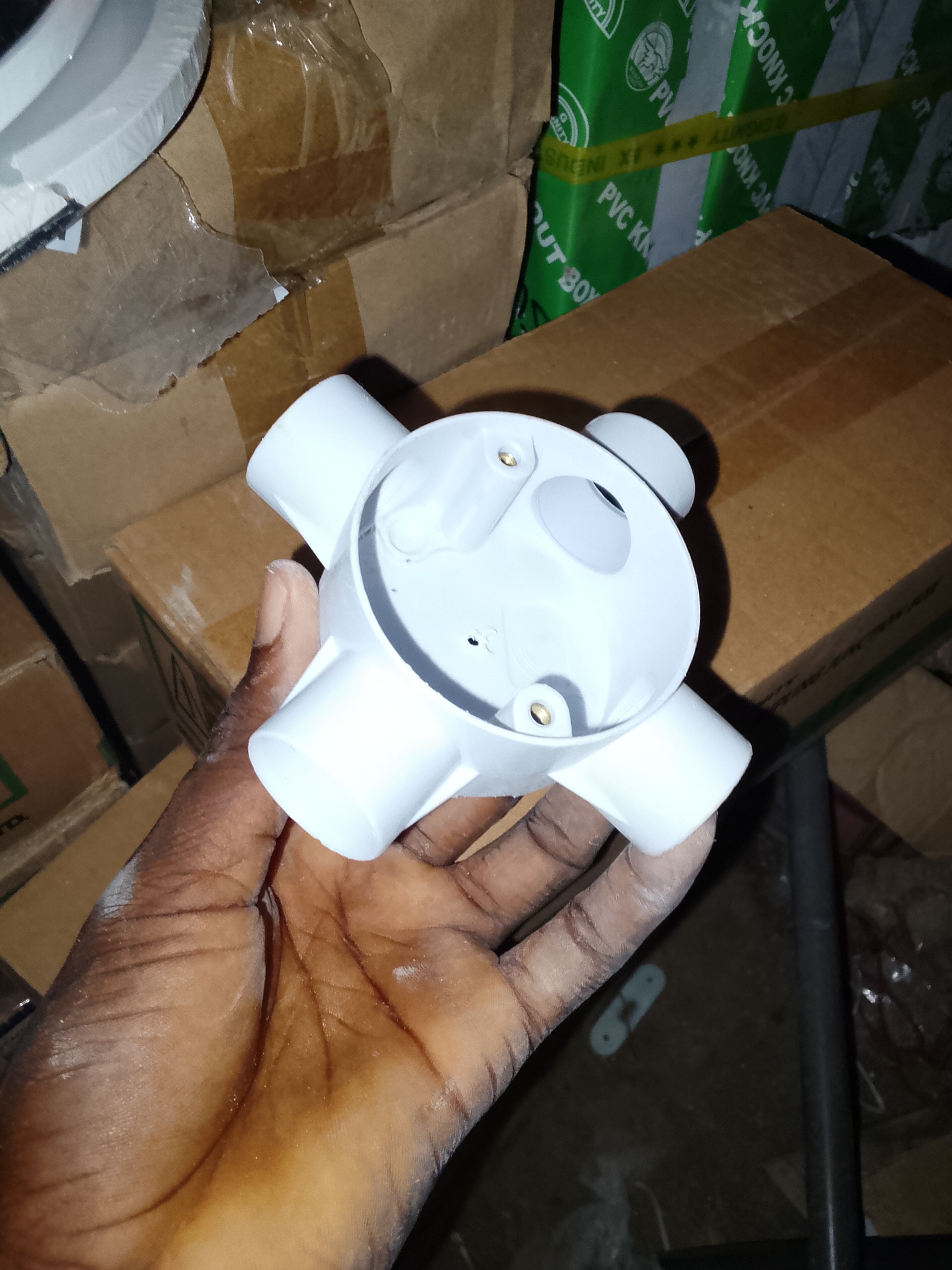 | 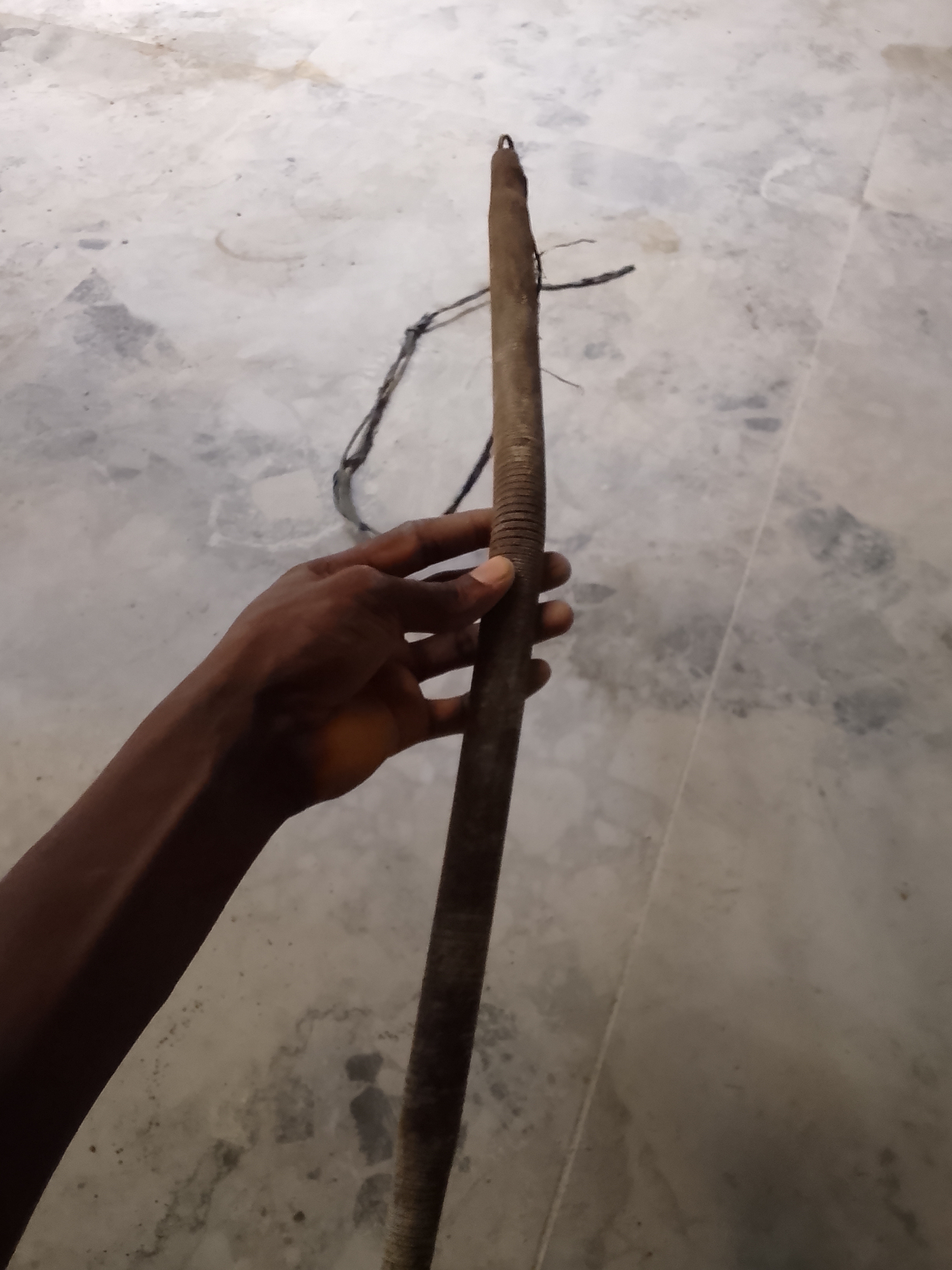 |
|---|---|
| 25mm Four Way Box | 25mm Bending spring |
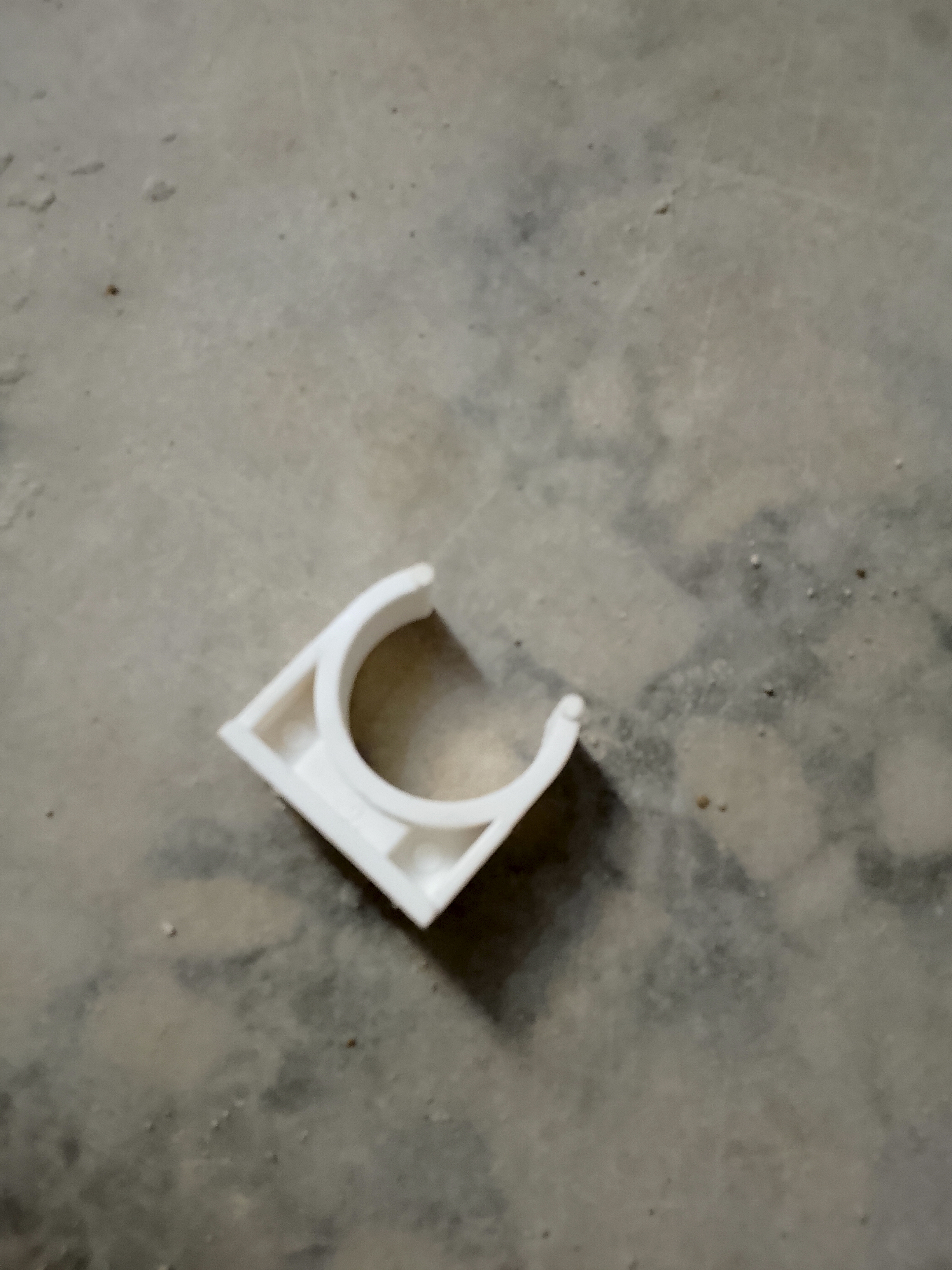 | 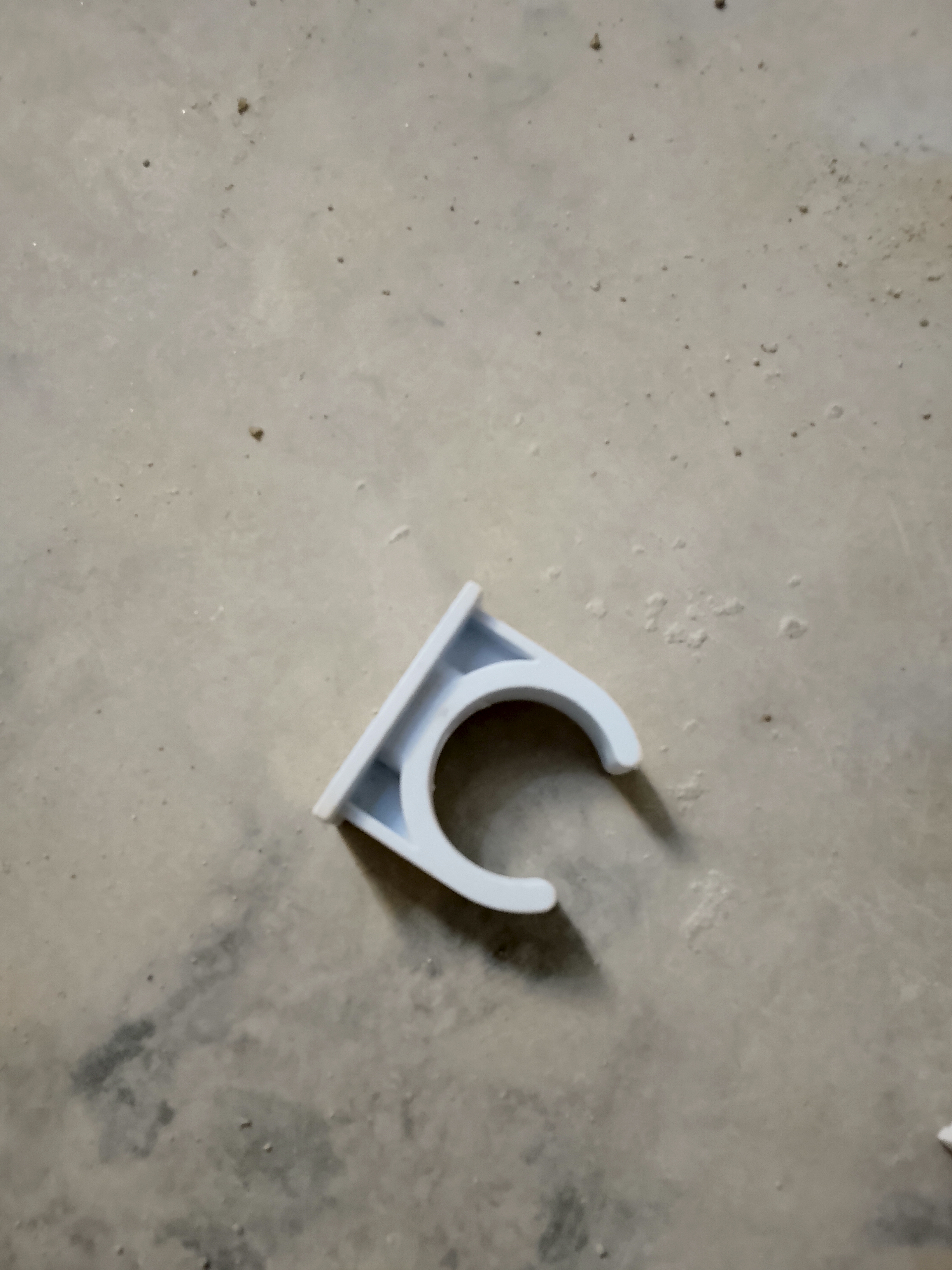 |
|---|---|
| 25mm Saddock clip | 20mm Saddock clip |
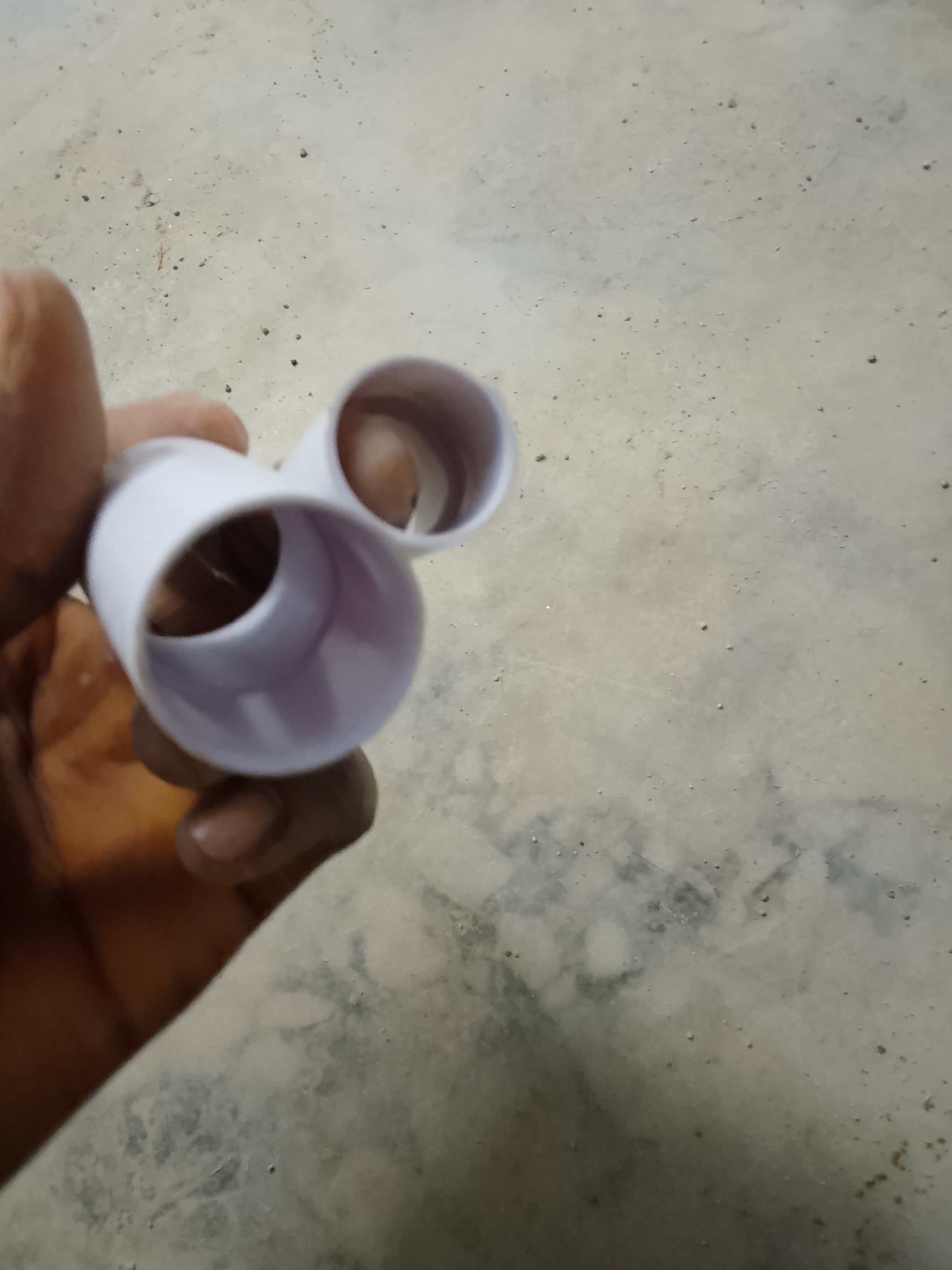 | 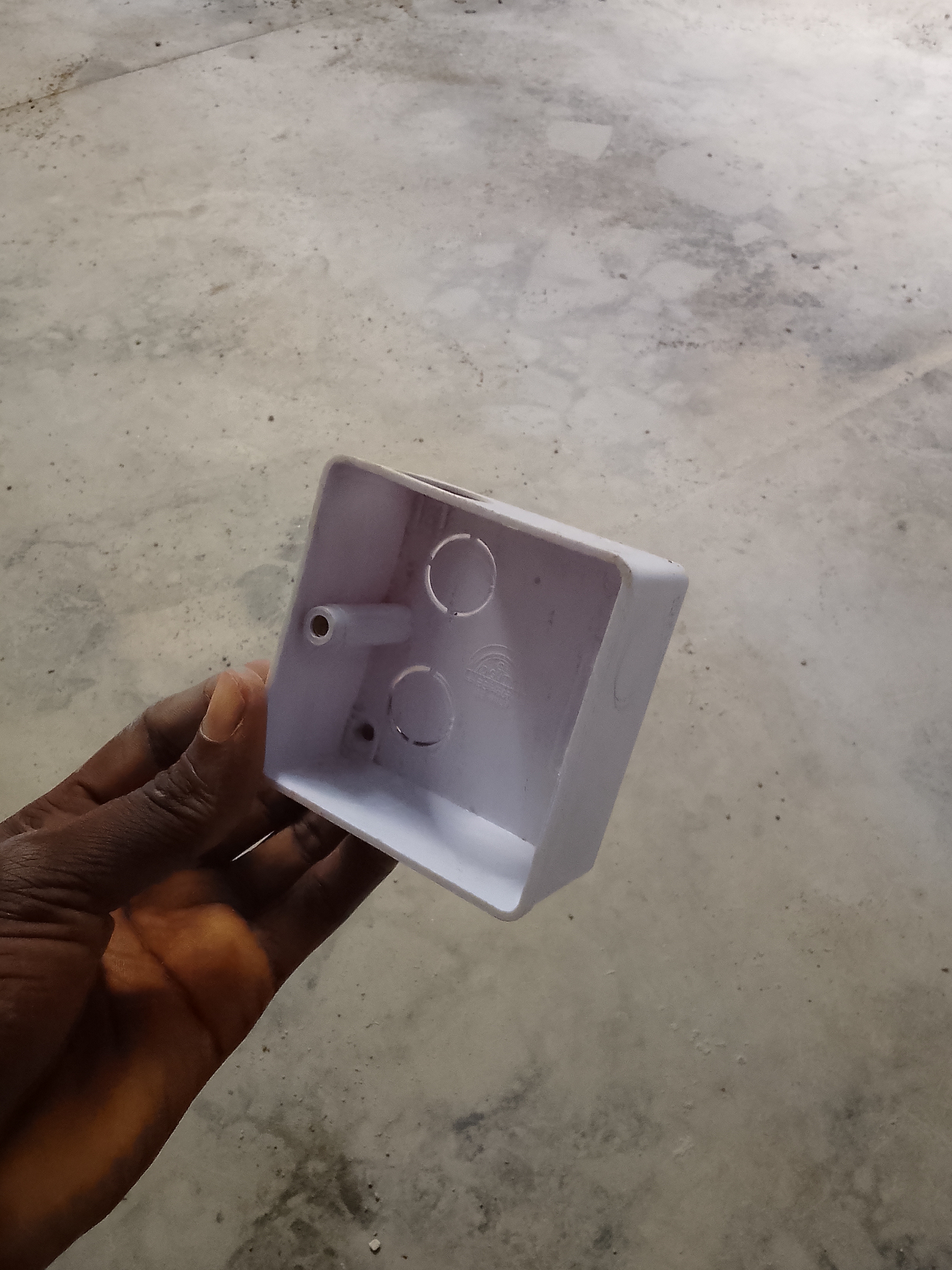 |
|---|---|
| 20mm and 25 mm coupler | 3 × 3 Socket Box |
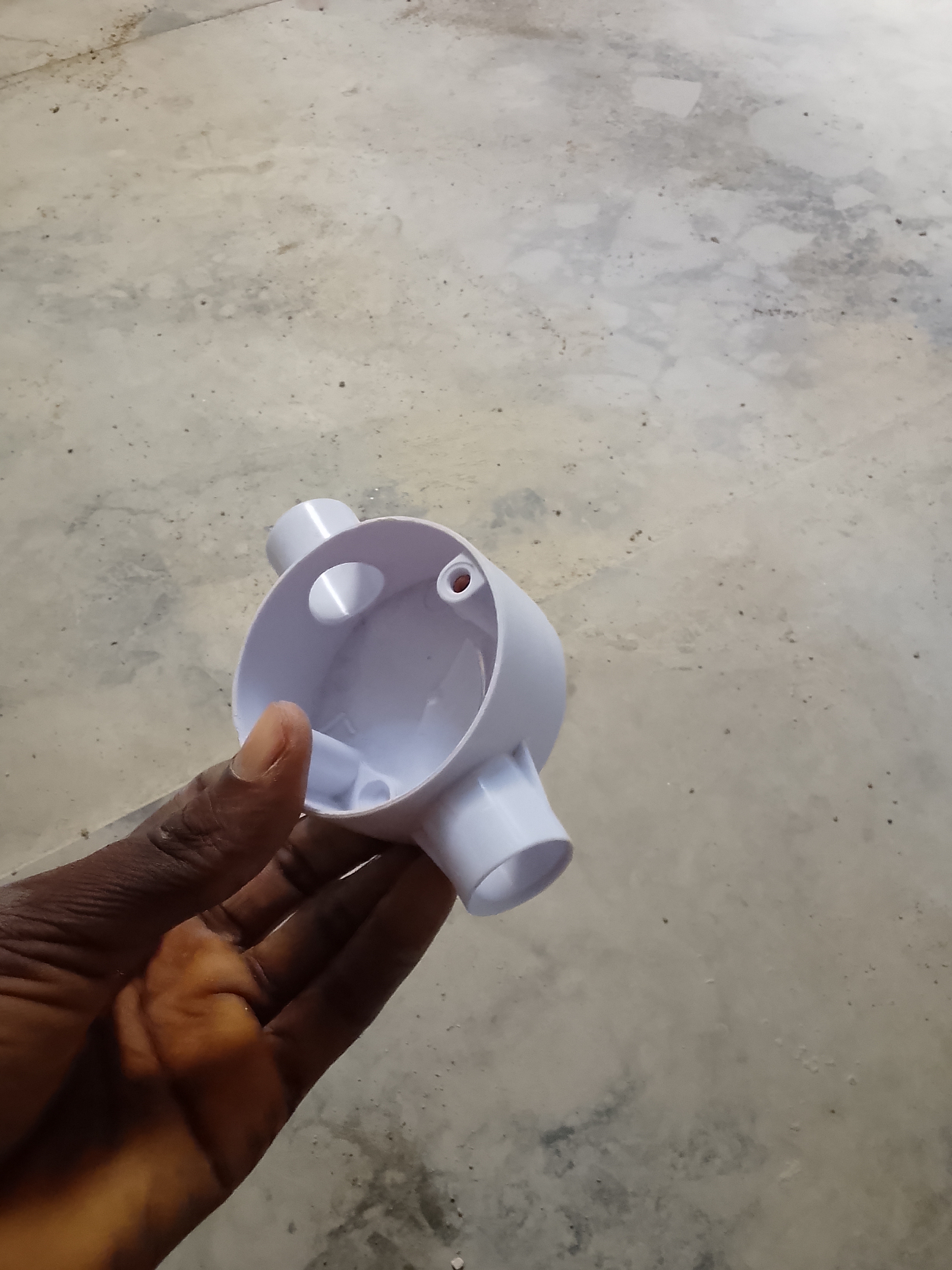 | 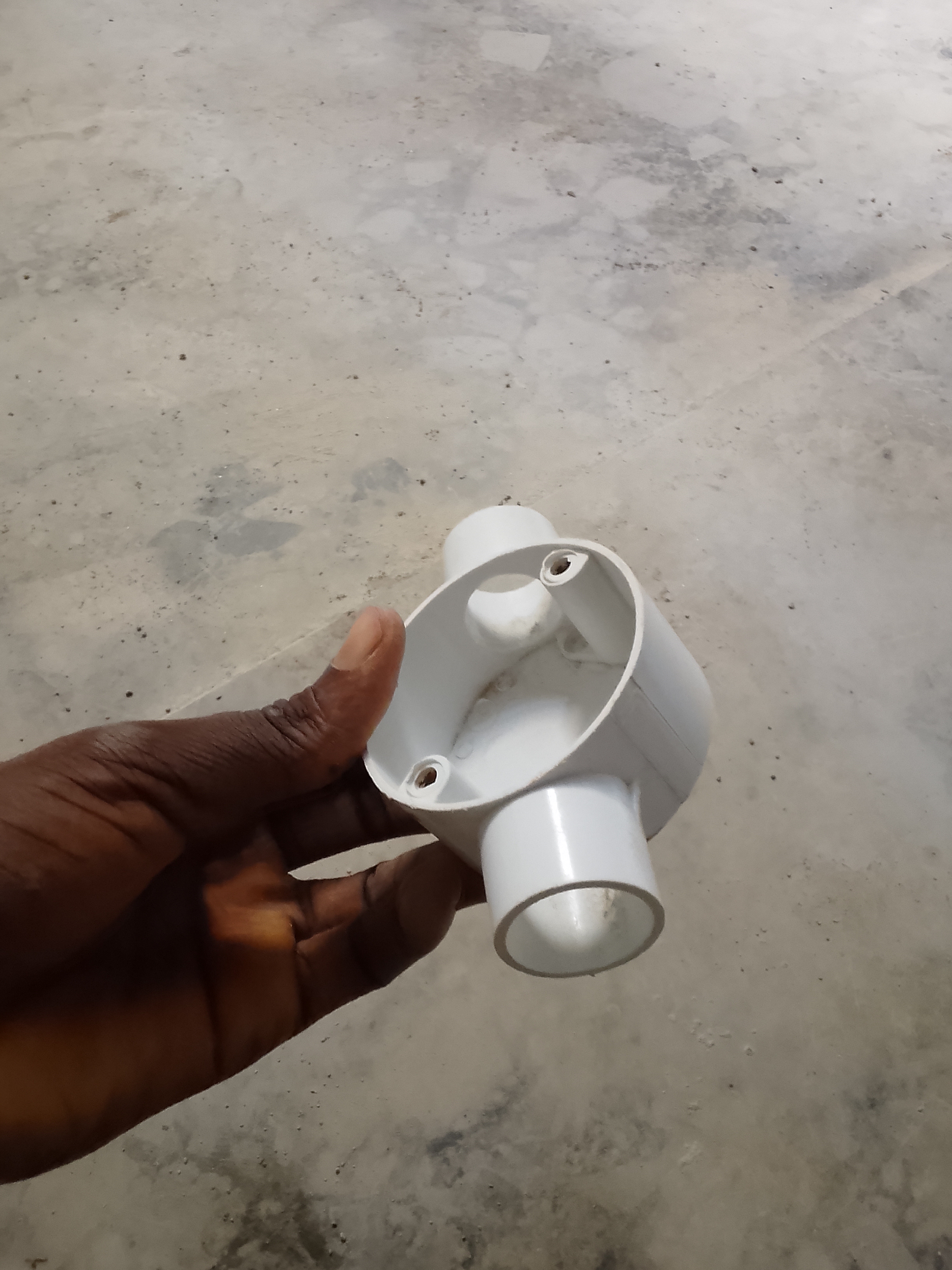 |
|---|---|
| 20 mm Throw Box | 25 mm Throw Box |
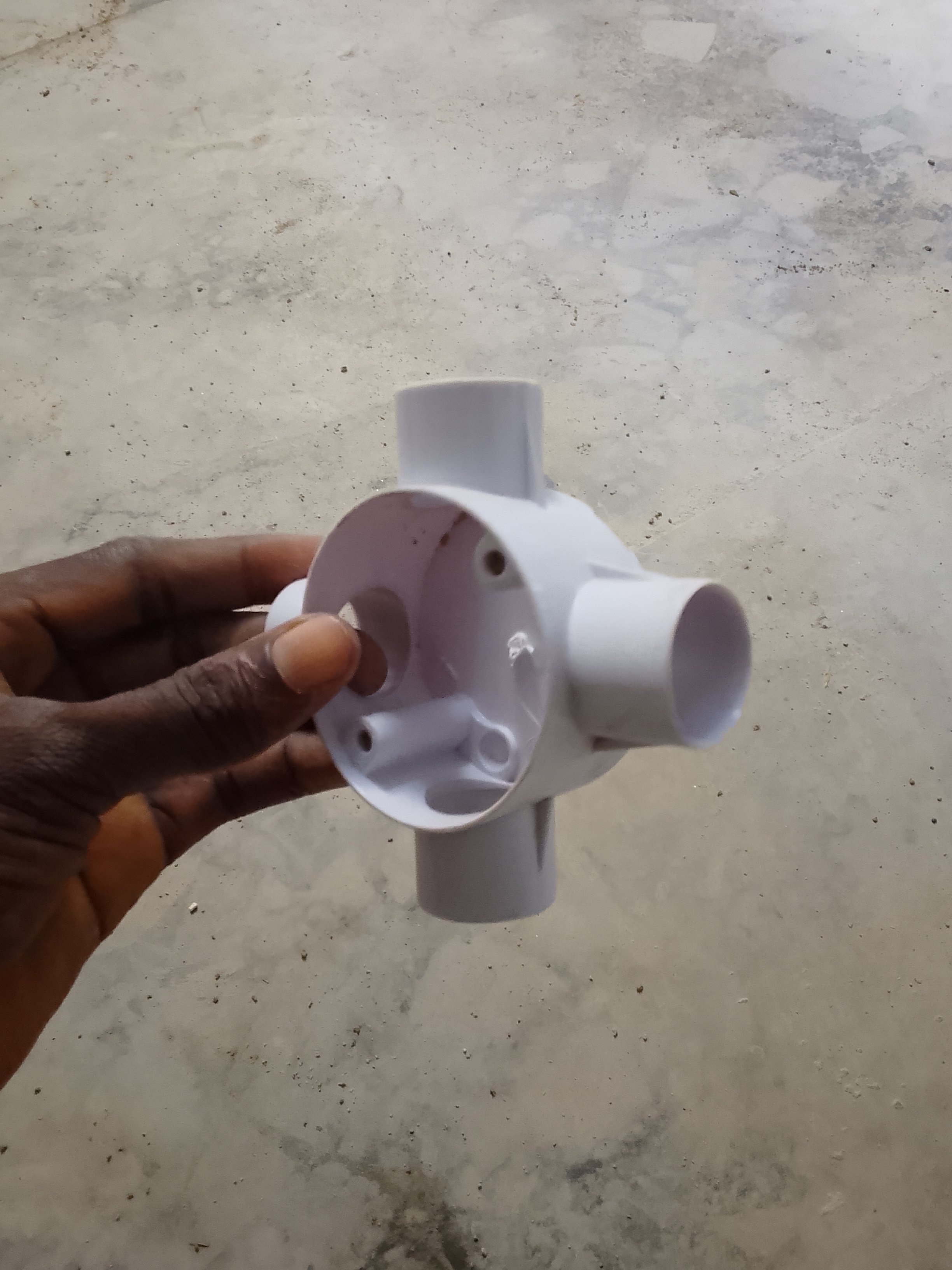 | 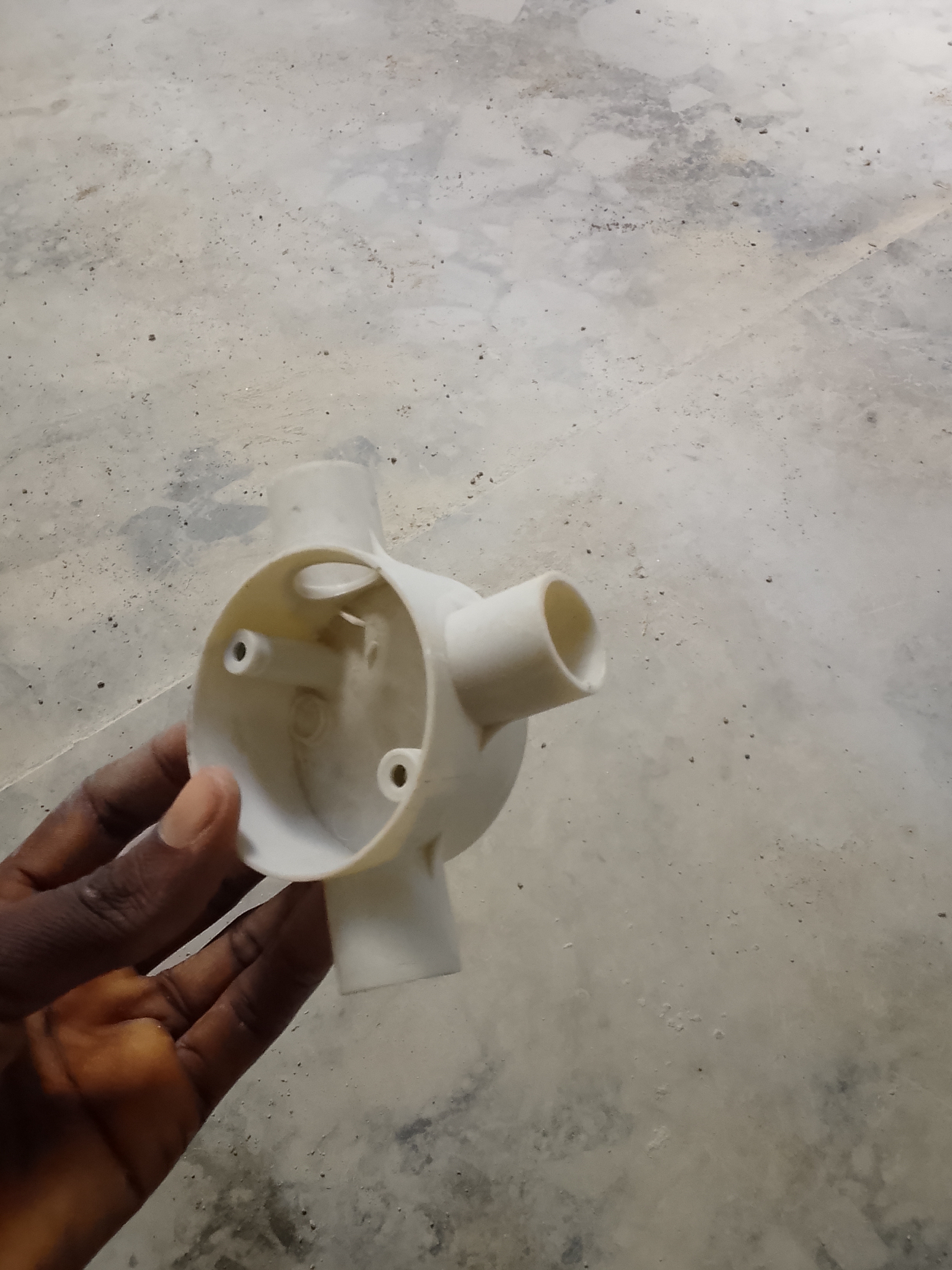 |
|---|---|
| 25mm Four Way Box | 25mm Tee or Three Way Box |
Why This Takes So Long:
Look I could rush and install 20 sockets in a day. But the supervisor would reject them. Instead, I do 7- 11 sockets per day and they are PERFECT. No second guesses no redo work just with my plumb. Quality takes time and honestly? I've learned that's a superpower not a weakness.
| 03 | What is the technique that saves you time? |
|---|
Let me be honest - when I first started I thought breaks were for lazy people. I would push through thinking I will just power through.
By 4 PM I was useless. Dizzy unfocused,making mistakesfrustrated. My supervisor would literally send me to rest.
Then I figured it out: Strategic Breaks Are Productivity, Not Laziness.
Here's My Break Strategy:
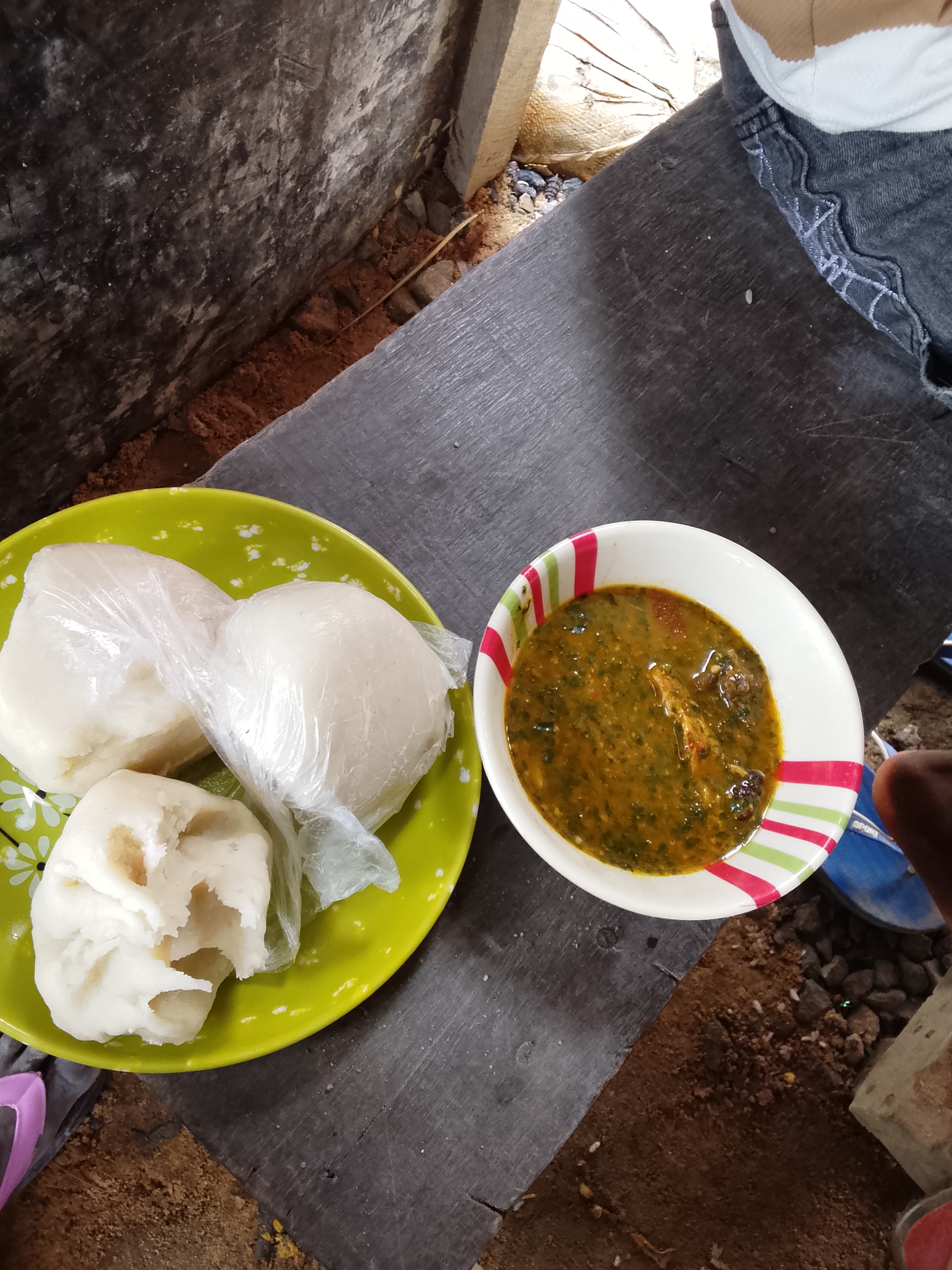
At exactly 2:30-3:00 PM I stop. Completely. No "just finishing this socket nonsense.
We the workers doing wiring walk to the food vendors outside the site, buy a proper meal (rice, soup, meat - real food), and we sit down. We don't work. We don't think about work. We just eat and rest.
Then I go back for the last 3 hours of work.
Why This Sounds Simple But Changes Everything:
Before this break my work quality was at 80%. After the break? It jumps to 95%. I'm faster more precise more focused.
Without the break I would finish 5 sockets poorly in those last 3 hours. With the break I finish 7 sockets perfectly.
The Hidden Benefit:
I stopped getting dizzy spells. Seriously. That was stopping me from working effectively. Now? Haven't had one in months.
 |  |
|---|
| 04 | Have you ever struggled with poor time management? How have you improved it? |
|---|
Okay so April 16th. First week of training. I got assigned to Oron that's like 2 or more hours from where I live. Interior town long journey. I woke up thinking I had time. I didn't plan properly. I left late. The road was longer than I expected. I arrived at a self con built together making it four feeling defeated before I even started.
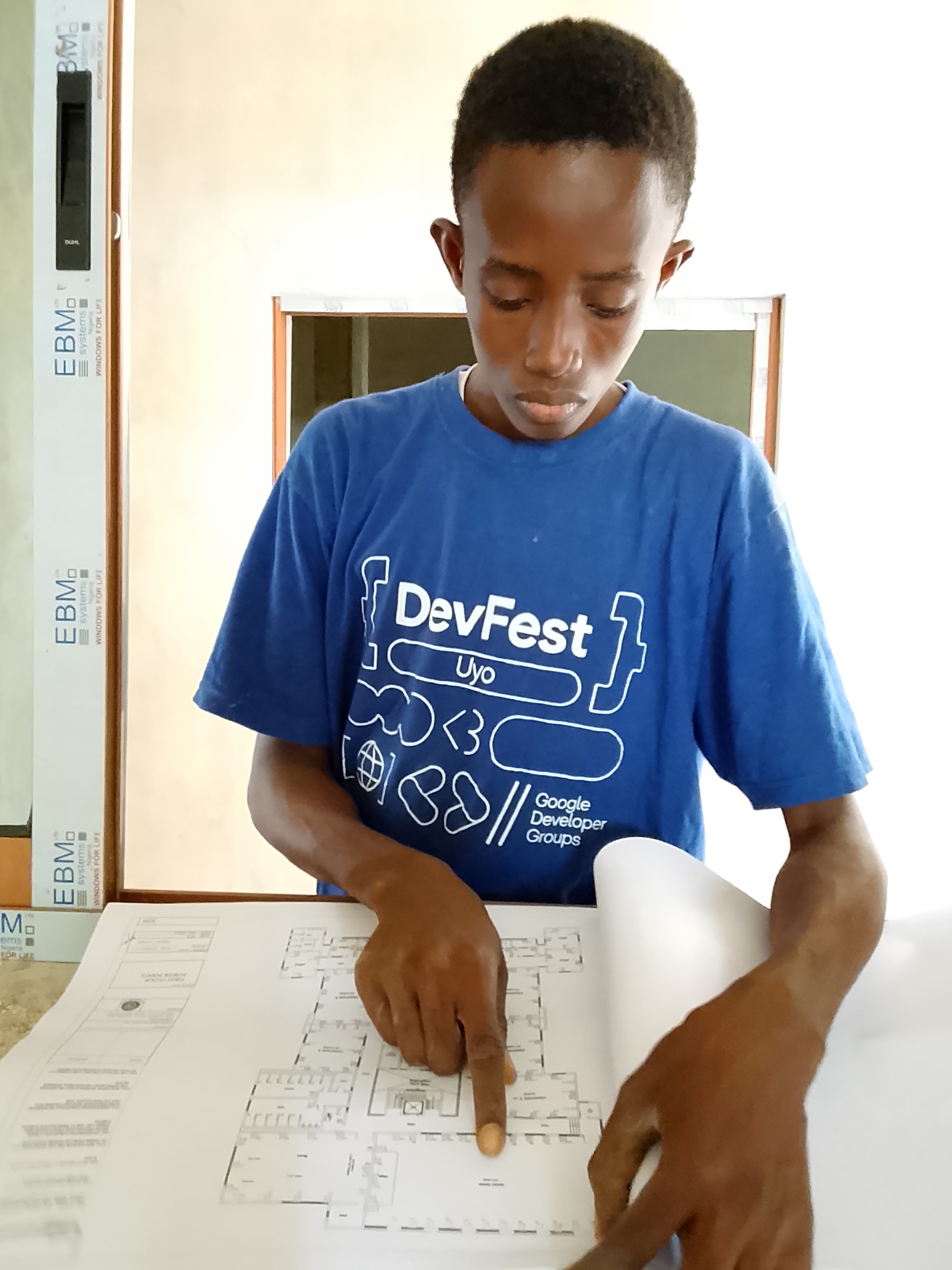
That day installed exactly ONE. And it was mediocre work because I was exhausted and frustrated from the rush.
My supervisor noticed. He pulled me aside and said something like: @sampson01 you have the skills. But if you keep rushing, you'll never show them."
That Changed Me.
| 05 | What advice would you give to others to manage their time better? |
|---|
Look I am not going to give you generic advice. These are things I've LIVED:
Physical Work is Real Work - Don't Disrespect It
If you're starting a practical training, understand this: you WILL be tired. Your body WILL ache. That's not you being weak - that's reality. Plan for it. Eat well. Sleep well. Respect what your body is going through that's important.
Breaks Aren't Lazy - They are Strategic
The best workers I know take breaks seriously. Don't be the person who tries to prove something by skipping breaks. You're just hurting your quality.
Choose Your Organization Carefully
This matters more than people think. Work somewhere that:
- Pays you for your time (seriously)
- Gives you time to eat and rest properly
- Cares about teaching you, not just using you
- Values quality over speed
I'm lucky my organization does all of this. If they didn't? I'd have burned out by now.
Document Your Progress - Build Your Portfolio
Your exercise book isn't just for the supervisor. It's for YOU. Years from now, you'll flip through it and be amazed at how far you've come. I look at my April entries versus my August entries and I barely recognize myself. That's powerful.
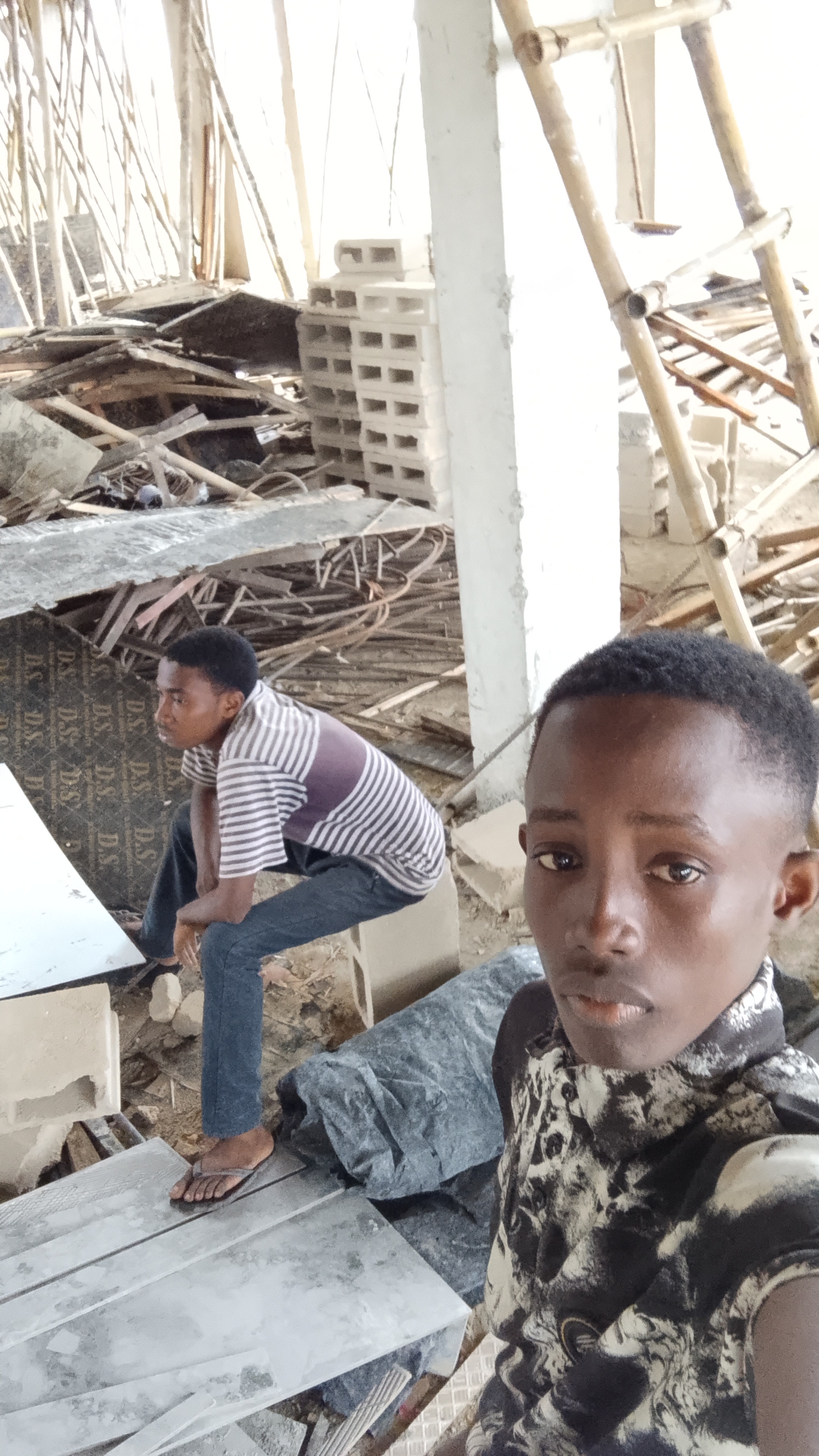
Your Health is Non-Negotiable
No job is worth your health. If you're constantly dizzy, if your body is breaking down, if you're mentally drowning - speak up. Find solutions. Don't just suffer through it thinking that's what training is supposed to be.
Skills Take Time - Be Patient
In April I couldn't tell the difference between a 20 mm and 25 mm pipe. Now I know exactly which one to use and WHY. That knowledge didn't come overnight. It came from showing up paying attention and being consistent. Trust the process.
This Training is Actually a Privilege
Real talk: I am learning skills that cost thousands to study in some places. That's rare. Don't waste it. Ask questions. Be curious.
Remember Why You Started
There WILL be tough days. Days where you're sore tired frustrated. On those days remember why you chose this. It will open doors for you. It will give you skills that can even be taken away. You are investing in YOUR future. That matters.
A Challenge For You:
If you're starting industrial training this month, I want to hear from you. Comment with your biggest fear - whether it's physical exhaustion, learning new skills, or managing your time.

Final Thoughts
Honestly? Those 6 months from April to now have been the hardest and most rewarding of my life. I came in thinking it was just about learning electrical installation. I will be leaving soon with something bigger, so far I learned how to respect my time, my body, and my capability.
Time management during industrial training isn't about working faster or sleeping less. It's about working SMARTER taking care of yourself like you matter (because you do) and building habits that last.
My biggest wish for anyone reading this: Don't learn time management the hard way like I did with that Oron trip. Learn it from my story. Plan ahead. Take breaks. Document your progress. And be proud of yourself - because showing up consistently is already 80% of the battle.
| • | Comment On People's Post |
|---|
Comment 1
https://steemit.com/hive180106/@sampson01/tgfv44
Comment 2
https://steemit.com/hive-180106/@sampson01/tgfvur
I invite @bossj23 @pandora2010 @mamun123456
I really enjoy reading your post. I like most was that you shared your real experience from industrial training instead of giving general advice. Part about taking proper break was very relatable because many people think resting is wasting time but actually it improve productivity. Your journey from struggling with time management to becoming more organized is inspiring. Thanks for sharing.
0.00 SBD,
5.92 STEEM,
5.92 SP
Congratulations, your comment has been upvoted by the Steemcurator08 team. Keep up the valuable comments.
**Curated By: sojib1996 **
Thank you for sharing on steem! I'm witness fuli, and I've given you a free upvote. If you'd like to support me, please consider voting at https://steemitwallet.com/~witnesses 🌟