SCS32-W5 Real Life Problem Solving Challenge Study Methods

Hello friends,
Happy to join the SCS32-W5 challenge on real-life problem solving. This time around, the focus lands on Study Techniques - something that matters a lot to students and anyone who keeps learning. Better ways of studying let people pick up knowledge more quickly, hold onto it, and do well in school tasks. My approach includes routines I built over time, things that get in the way sometimes, plus apps and online helpers I rely on.
1. Which way of studying feels most familiar to you, yet does it really help you remember?
Instead of just reading, maybe trying something different could show clearer results - though some find old routines hard to leave behind.
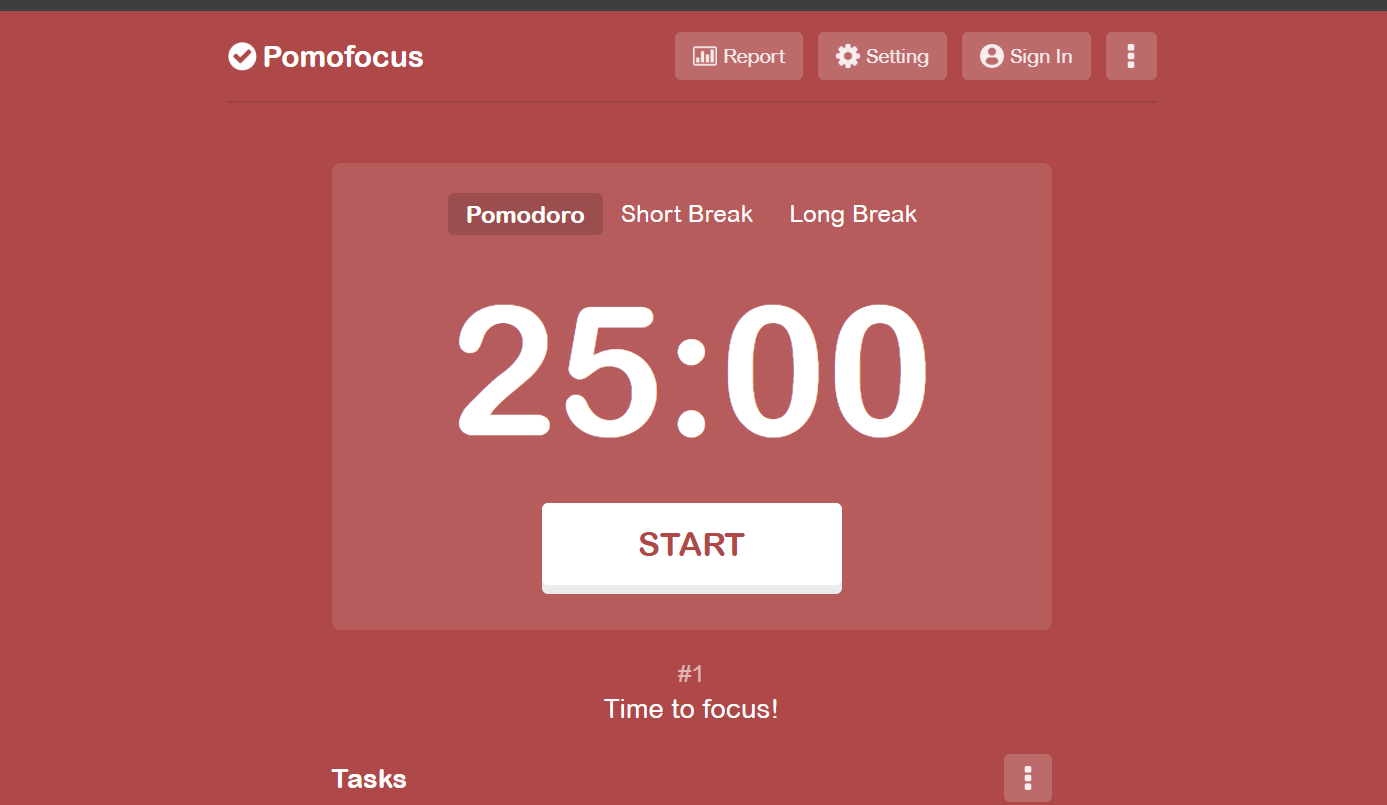
Twenty-five minutes on. Full focus mode kicks in. Then comes five off - pause time begins. This cycle repeats itself three more times. A longer rest follows after that fourth round ends. The approach sticks because it feels natural. My go-to strategy? It has stayed this one all along.
I also use:
Note-taking: I write important points in a notesbook.
Putting main ideas up front makes going over them faster later. What stands out sticks around when it matters most.
Practice questions: Solving exercises improves my understanding.
Now my mind holds on tighter, drifts less often. Focus sticks around longer these days. Better recall shows up without effort. Mental tiredness takes fewer turns at the wheel. Since trying this approach, tasks get done easier. Results feel clearer, smoother somehow.
2.What is the biggest distraction that affects your studies, and how do you control it?
One thing pulls focus most during study time. Yet staying on track means noticing when it happens. That moment a phone buzzes, maybe thoughts drift elsewhere instead. Still eyes stay open, hands flip pages slow. A quiet breath resets attention, again. Noise fades once awareness returns. This pattern repeats, each time a little easier.
Out of nowhere, my phone buzzes - another alert from a social app. That tiny sound pulls me away before I even realize it. Scrolling takes over, one post after another, until minutes turn into way more than they should. Focus slips without warning when those screens light up. Time vanishes while I tap and swipe through endless feeds.
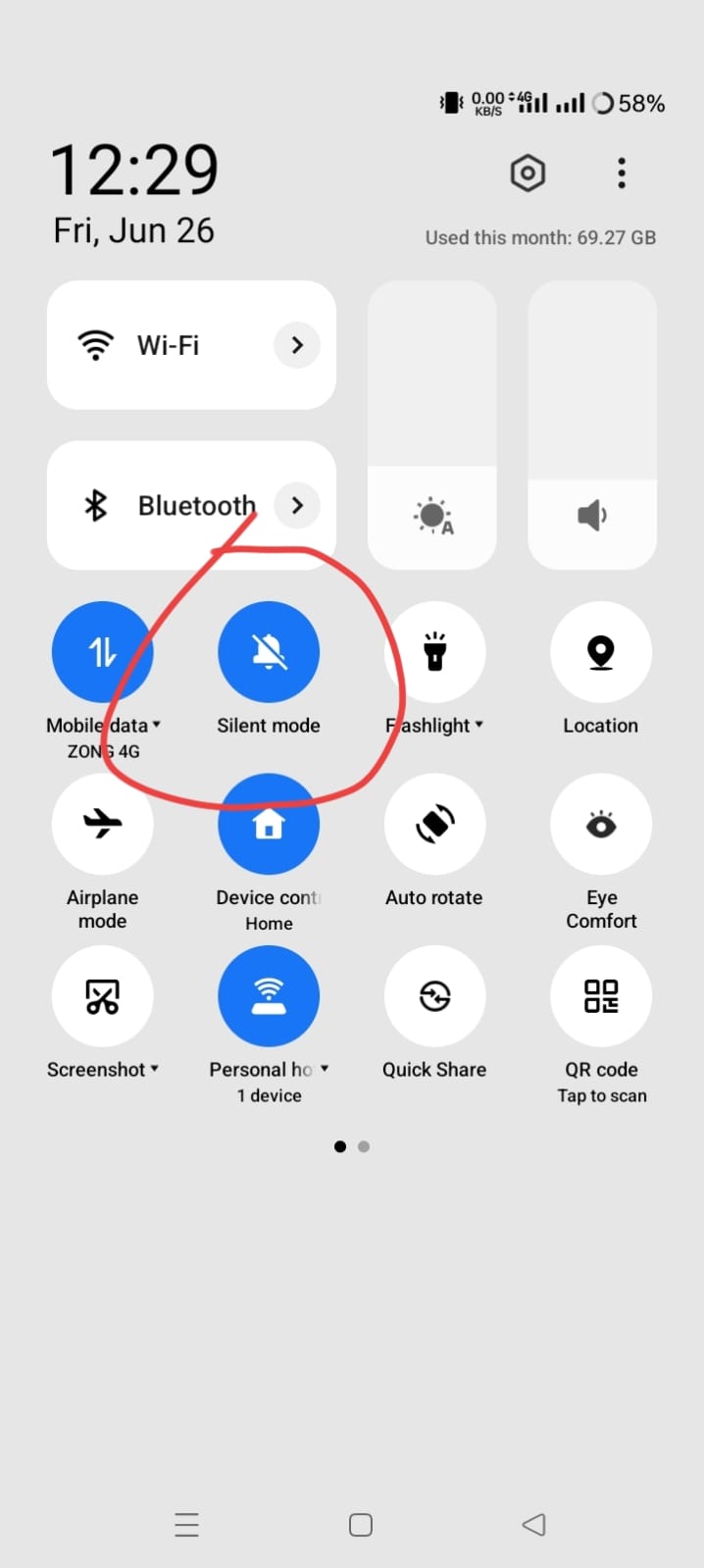
To Control This Problem I Turn on Do Not Disturb" mode while studying.
When I work the phone stays across the room. Distance helps me stay focused. Out of reach means fewer distractions. A quiet space needs clear boundaries. My attention improves when gadgets are elsewhere.
Stick to one timetable every day. That routine keeps things steady.
After finishing a study session, I take brief pauses using my phone. These little moments come only once the work is done. A few minutes of scrolling follow each completed round. Once the task ends, screen time begins. Each break arrives right after effort stops.
Starting here made a difference - fewer interruptions, sharper attention while studying. Each move quietly shifted how I worked without adding pressure. Little changes added up over time, slowly clearing mental clutter. Focused reading became easier once these habits took root. Noticing progress came gradually, not overnight.
3. What is one good habiet that helps you improve your academiic performance?
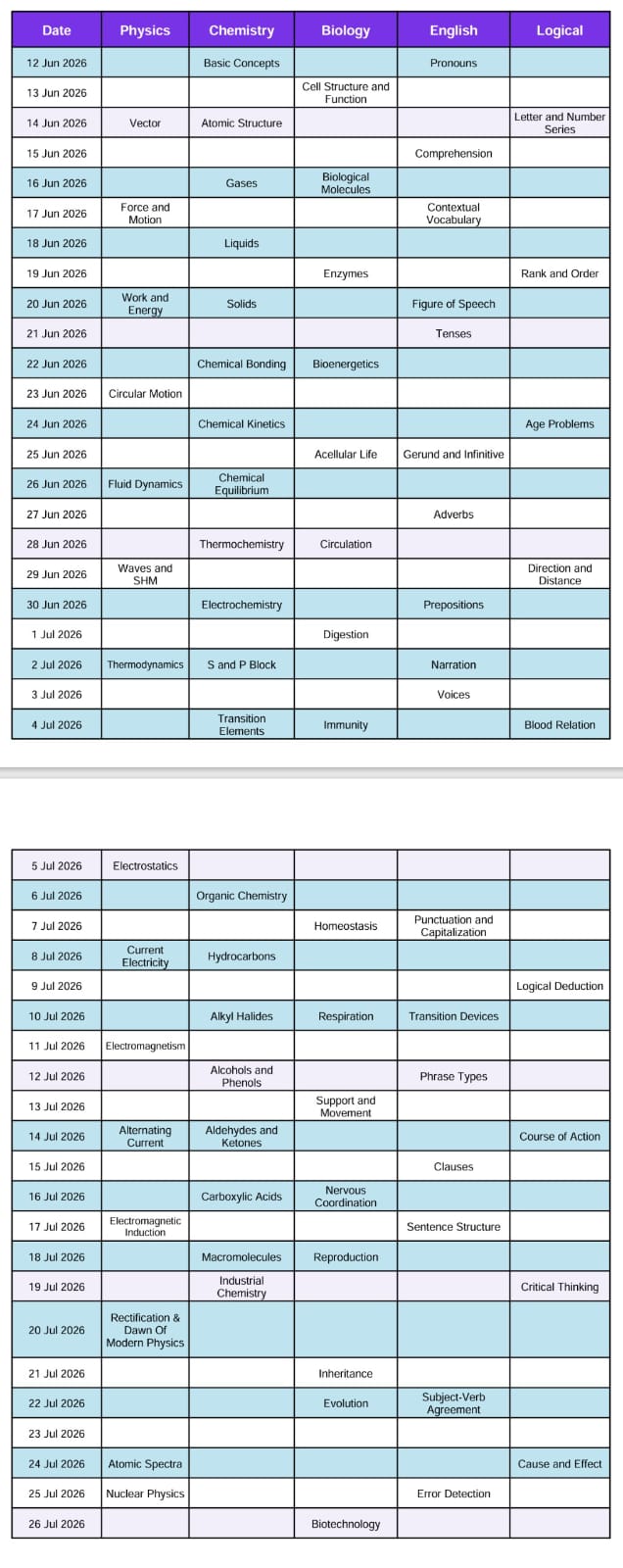
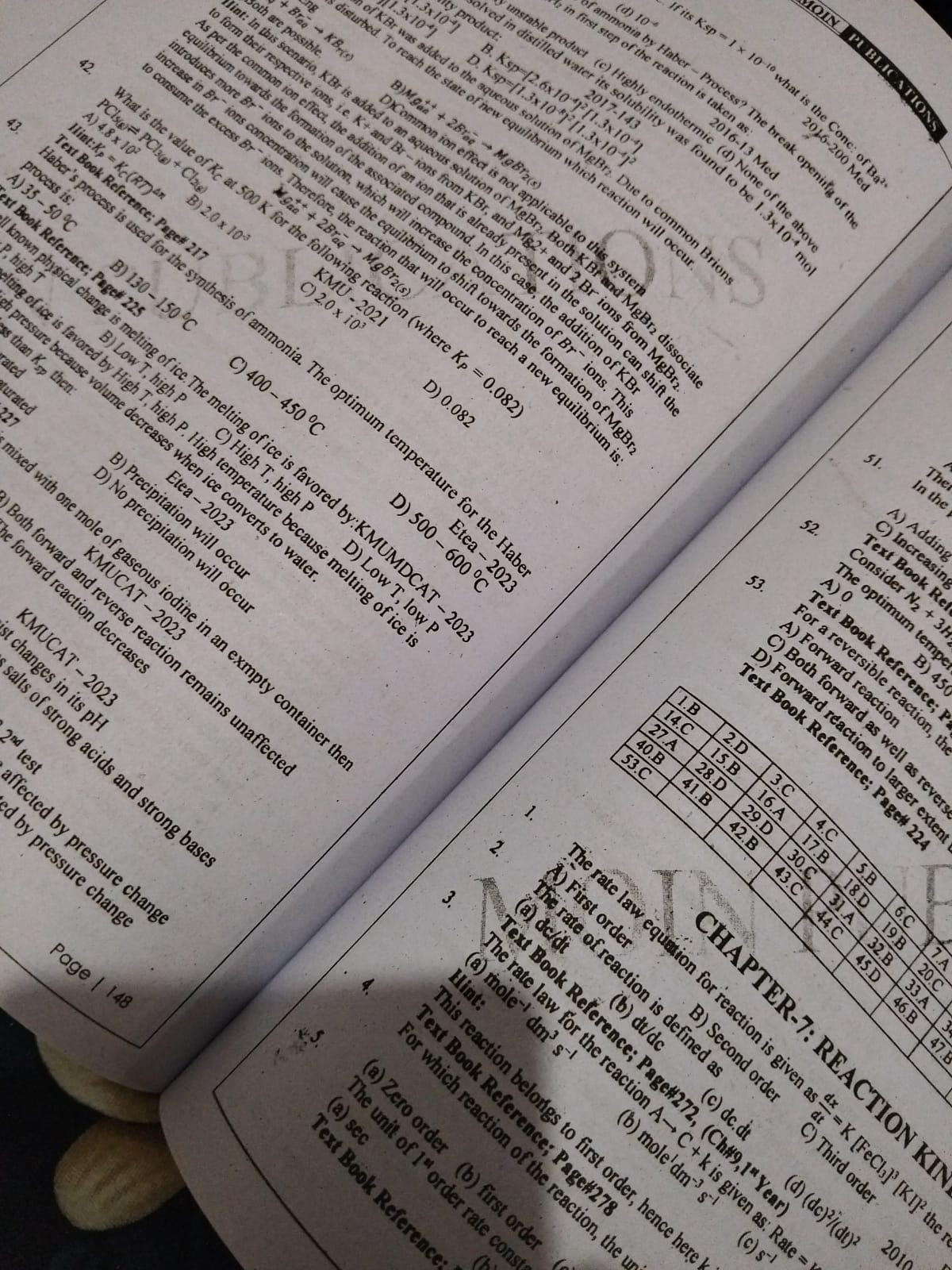
Each day, going over what I learned keeps things clear in my mind. That small routine made a real difference in how well I do at schoole.
Most nights find me flippping through notes for half an hour or so. Because of that, remembering feels easier the next day. Stuff sticks better when I look back on it regularly. That small routine keeps panic before tests way down. Last-minute cramming isn’t needed much anymore.
Each day I go over things again, which shows me where I struggle so I can get better ahead of tests.
 |  |
|---|
4. Explain any digital tools, apps, or resources that you commonly use for study?
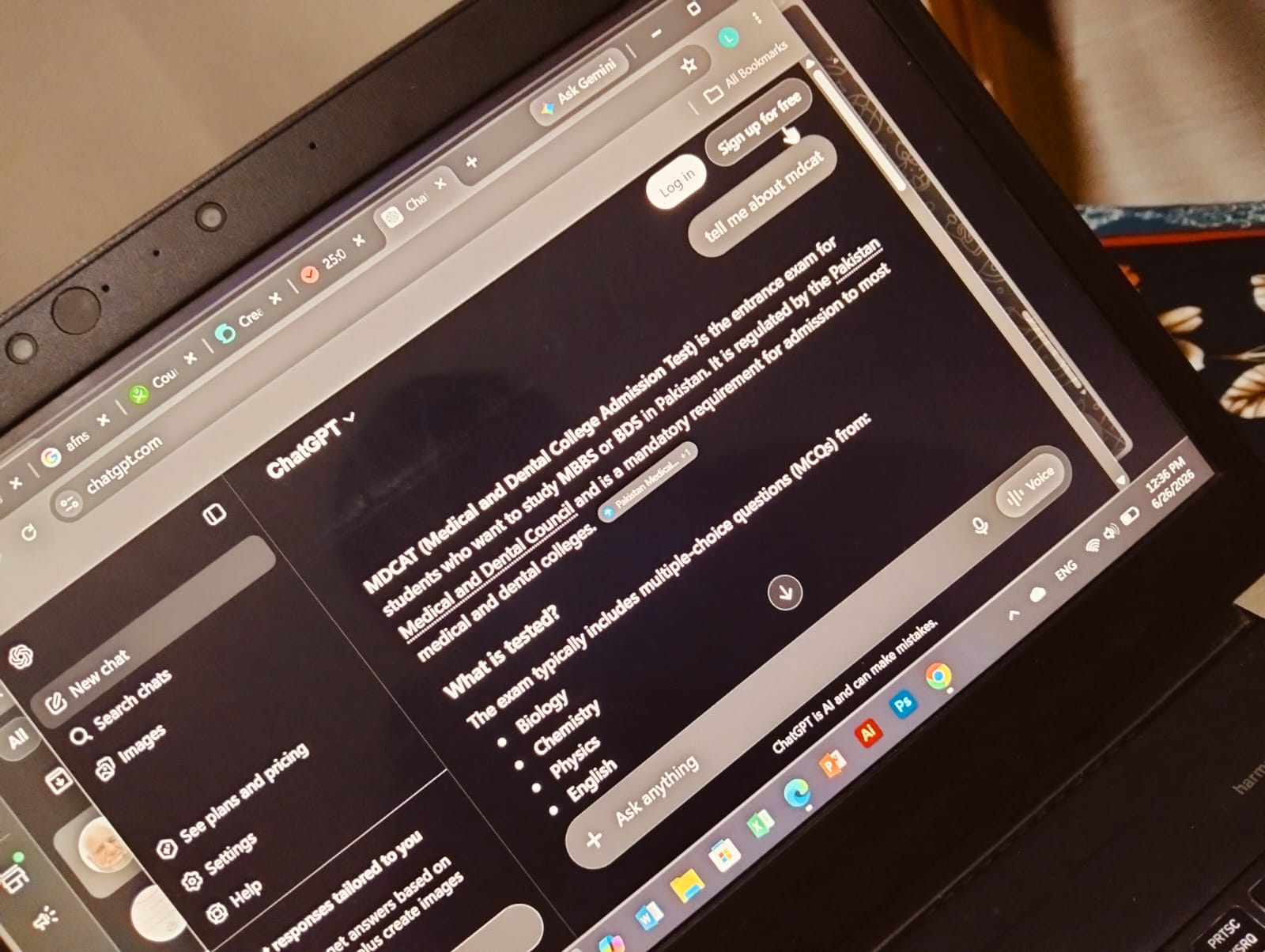
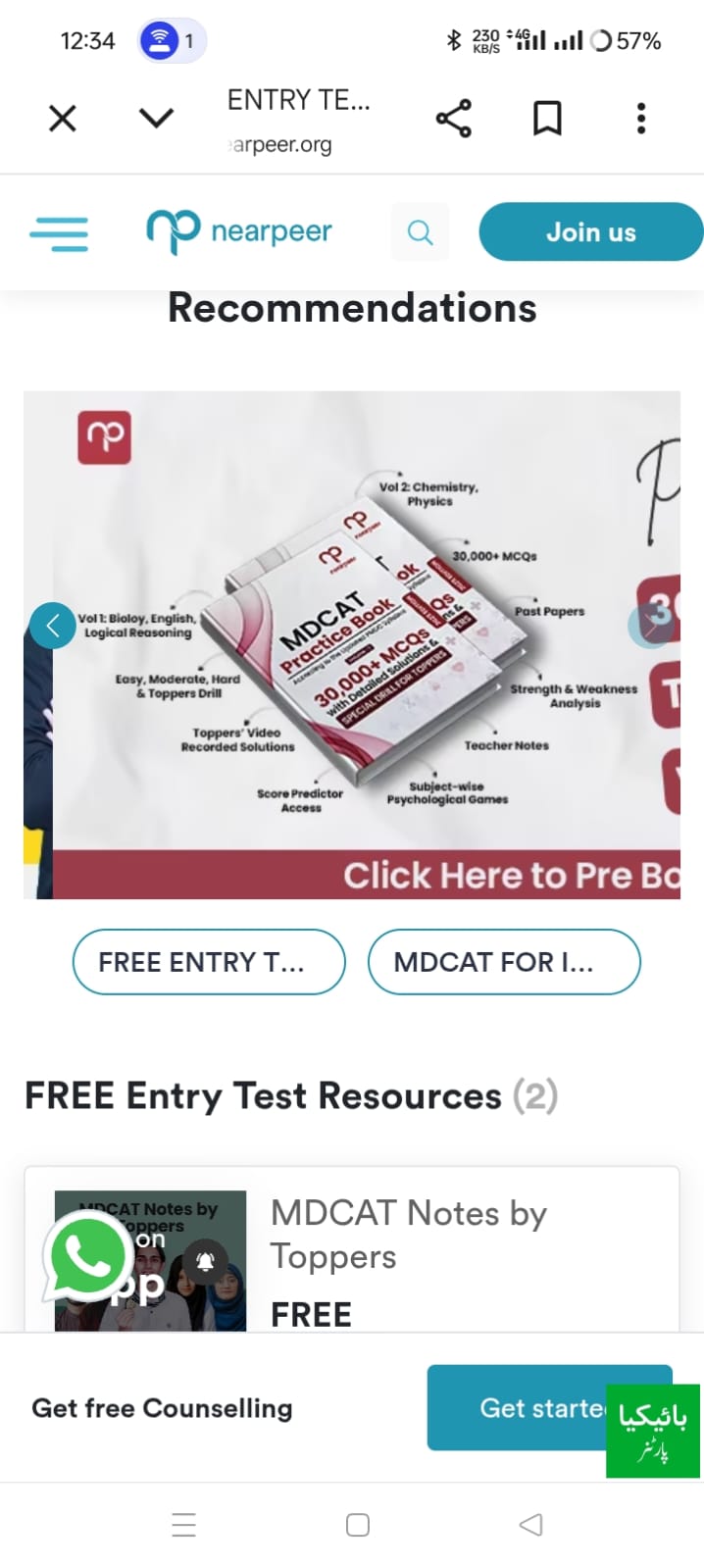
A helpful app I turn to often? ChatGPT. When ideas feel confusing, it clears things up - breaking them down simply. Lessons shrink into short summaries, handy for review later that day. Need quizzes to test knowledge? It shapes those too, one question at a time. Writing gets sharper after working through its suggestions, slowly building better habits.
Other tools i find helpful
Google Docs for notes.
YouTube educational channels for visual learning.
Google Calendar for study planning.
Learning becomes quicker when tools help cut down effort. With them, lessons feel alive through smooth steps instead of slow lectures.
 |  |
|---|
5.What advice would you give to students who struggle with anxiety and depression during their studies?
For anyone finding school tough because of lowered moods or constant worry - pause before reacting. A breath might shifted the weight, even slightly. When thoughts race, walking helps more than sitting still. Talking grows easier when someoned listens without fixing. Small routines often hold more power than bigg promises. Quiet momenties count just as much as busy ones. Progress hides in plain sight, not always loud.
Here’s something worth thinking about
1. Create a realistic study schedule
Start by easing the load you carry each day. Break what feels heavy into pieces that fit your hands better.
2. Take regular breaks
Studying without pause often builds up tension. A brief pause now then clears mental clutter.
3. Talk to someeone you trust
Talking things through with someone close helps lighten the load inside your head. A teacher might see what you miss when emotions run high. People who care tend to listen without judgment, which makes hard feelingss easier to carry.
4. Maintain a healtthy lifestyle
Rest well each night while moving your bodiy often throughout the week. Balanced meals shape mood just as much as movement does. Sleep feeds clarity when days feel heavy. Physical activity builds steady thoughts over time. What you feed yourself changes how you think without notice.
5. Focus on progres not perfection
Day by day, tiny steps matter far more than chasing flawlesssness. What counts grows slowly, not in leaps. Progress hides in the quiet work most overlook. Each morning offers another chance to nudge things forward. Perfection waits for nobody, yet small efforts pile up unseen.
Staying on track often comes down to small routines that keep energy uup during tough weeks. A steady rhythm makes it easier to handle schoolwork without burning out. Some find clarity when they pause regularly to reset their focus. Balance shows up quietly, through choices made each day. Motivation stickss around longer when rest is part of the plan.
Most people do better in school when they fiind ways to study that actualliy work. Instead of rushing through material, trying things like timed breaks, writing key points down, going over notes every day, or using apps might make focusing easiier. Staying away from inteerruptions matters just as much as feeling mentally strongg. Success often comes not from sudden breakethroughs but from showing up regularly and building routines that stick.
Invited Friends
I would like to invite:
@mominashahkir
@hina-imran
@hamzayousafzai
join this task if you choose.
Appreciation goes out for sticking around till now.
Upvoted! Thank you for supporting witness @jswit.