Cryptocurrencies and the Future of Global Wealth Distribution
The future of world wealth distribution and cryptocurrencies is one of the topics that continue to gain more relevance in the world today. My vision of cryptocurrencies is the digital money which operates on the blockchain technology and is not linked to the bank or the state. Examples are Bitcoin and Ethereum. These online currencies are transforming the way individuals transfer, receive, and store money. I feel that they also can alter the manner in which wealth is distributed throughout the globe.
When I consider the global wealth distribution, I consider the manner in which money and resources are distributed among the people in various countries. Today, the distribution of wealth is not equal. There are a lot of money in some countries and in some individuals, and there are a lot of poor people in the world. I observe that in some cases, the traditional financial systems alleviate the problem because not all people can have access to banks or other financial services. This is where I see cryptocurrencies as a possible solution.
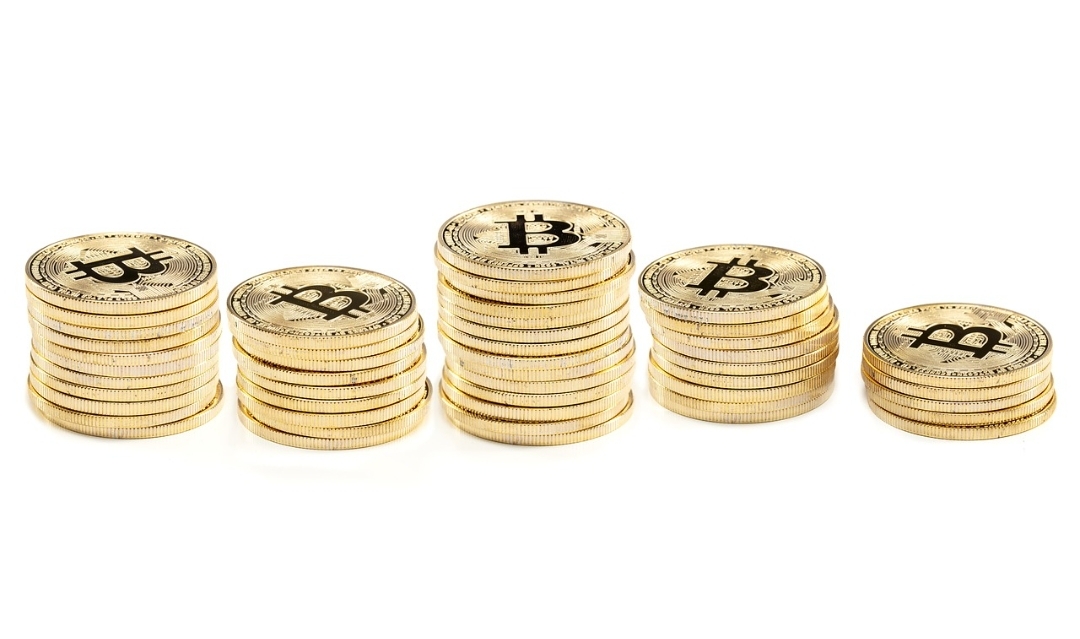
Access is one of the significant benefits of cryptocurrencies. I understand that they can be used by any person with a smartphone and with the internet connection. This implies that individuals living in remote or poor regions will be able to enter into the global financial system without having to open a bank account. I believe that this can be used to help decrease financial exclusion and provide more people with the opportunity to increase their wealth. To illustrate, one can get payments in another country in a very short period of time and at a lower cost as compared to the traditional means.
Another fact that I find interesting is that cryptocurrencies provide individuals with a greater control over their money. In most systems, governments and banks regulate the transactions. However, with cryptocurrencies, users are empowered to directly control their own funds. In my opinion this can be quite useful in a country with great inflation or other fluctuating currencies. Individuals are able to keep a form of value in cryptocurrencies and safeguard their wealth in terms of value reduction.
But there are also problems that I can observe. The cryptocurrencies may be highly volatile, which means that their prices may fluctuate rapidly. I know that this can be a risk, particularly to those people who do not have a complete understanding of how the market operates. Regulation is also an issue. Certain governments are yet to be certain on how to handle cryptocurrencies, and this leaves uncertainty among the users.
I also observe that not all people enjoy equal opportunities as a result of cryptocurrencies. Early adopters and individuals who are more informed or endowed tend to be richer. This may at times add up to inequality rather than eliminate it. Thus, I believe that education is extremely crucial in order to make sure that more individuals will be able to learn and use cryptocurrencies safely.
To sum up, I would say that cryptocurrencies can transform the future of wealth distribution in the world. They are able to open financial systems and provide more individuals with opportunities. Nevertheless, risks and challenges remain and have to be tackled. When utilized in the right way, I believe that cryptocurrencies can be used to make the financial world a more balanced and just place.