🌍 The Cold War Explained: How It Shaped the Modern World
Introduction
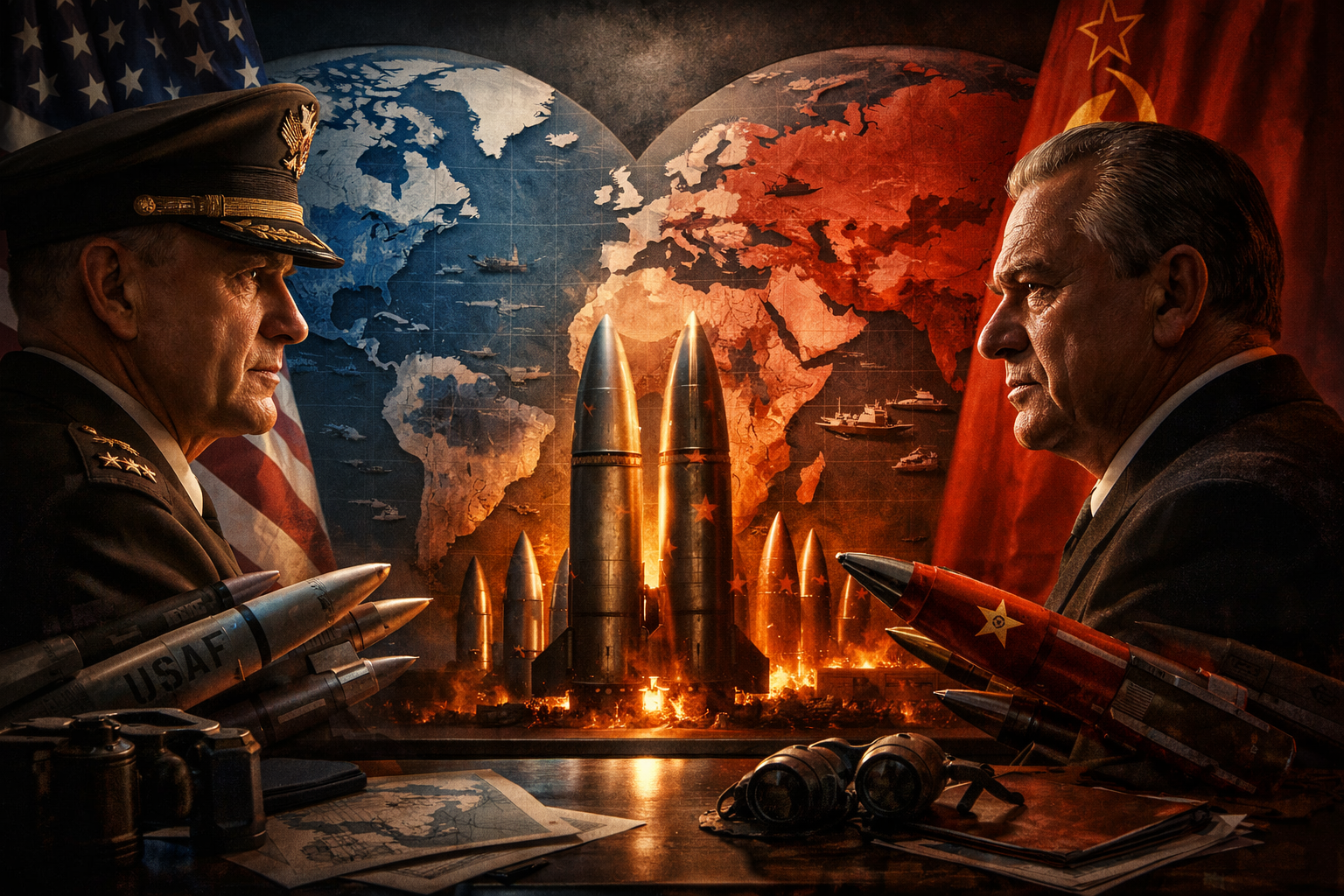
The Cold War was one of the most defining periods of the 20th century.
It wasn’t a traditional war fought with direct battles—instead, it was a political, ideological, and technological rivalry between two superpowers.
👉 But how did this conflict begin, and why does it still matter today?
⚔️ Origins of the Cold War
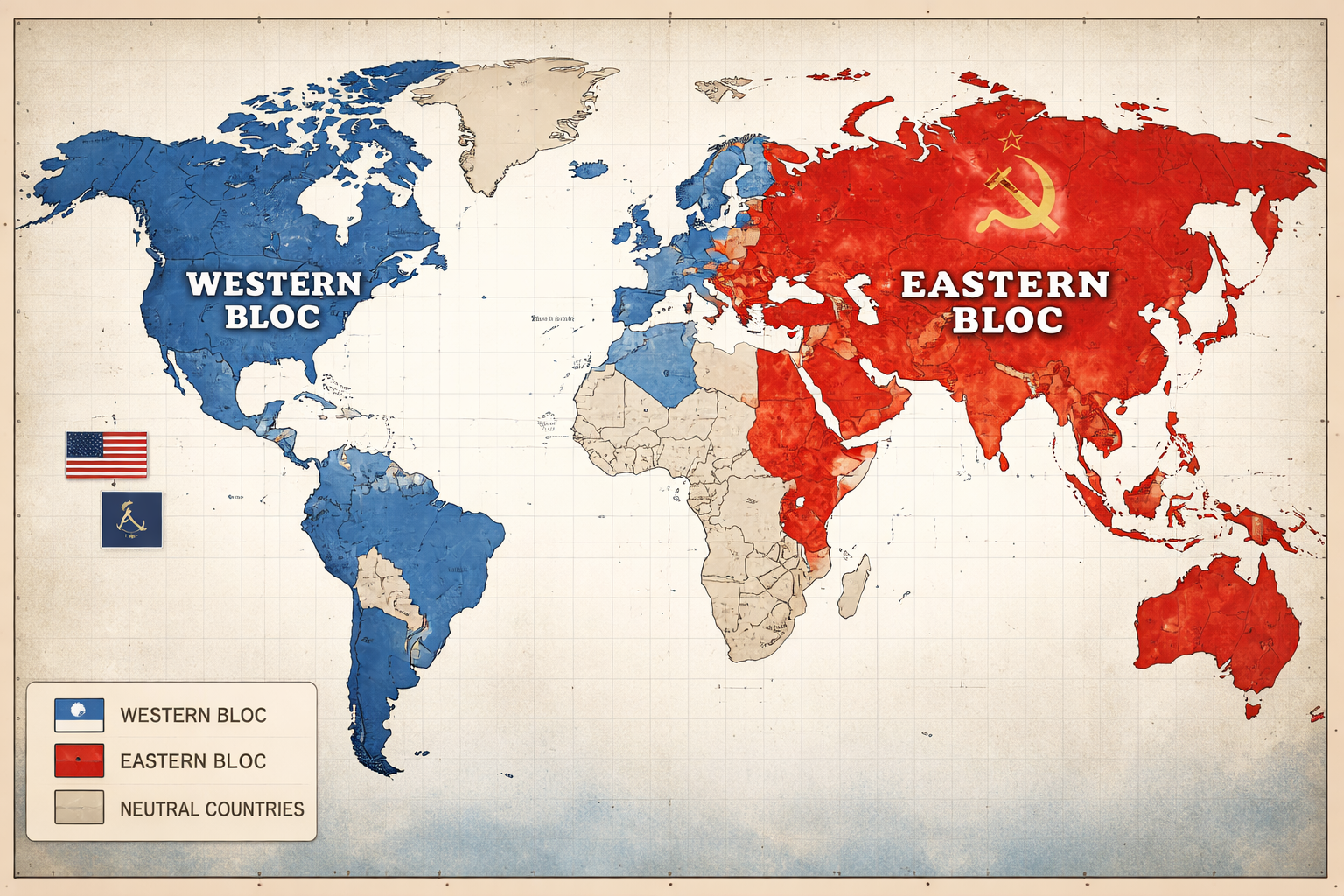
After World War II, two dominant powers emerged:
United States (Capitalism)
Soviet Union (Communism)
Both nations had conflicting ideologies, leading to tension and competition for global influence.
👉 This ideological clash marked the beginning of the Cold War.
🧠 Ideological Conflict: Capitalism vs Communism
The Cold War was fundamentally a battle of ideas:
Capitalism: Free markets, democracy, individual freedom
Communism: State control, equality, centralized power
👉 Each side believed their system was superior—and wanted to spread it globally.
🚀 The Arms Race and Nuclear Tension
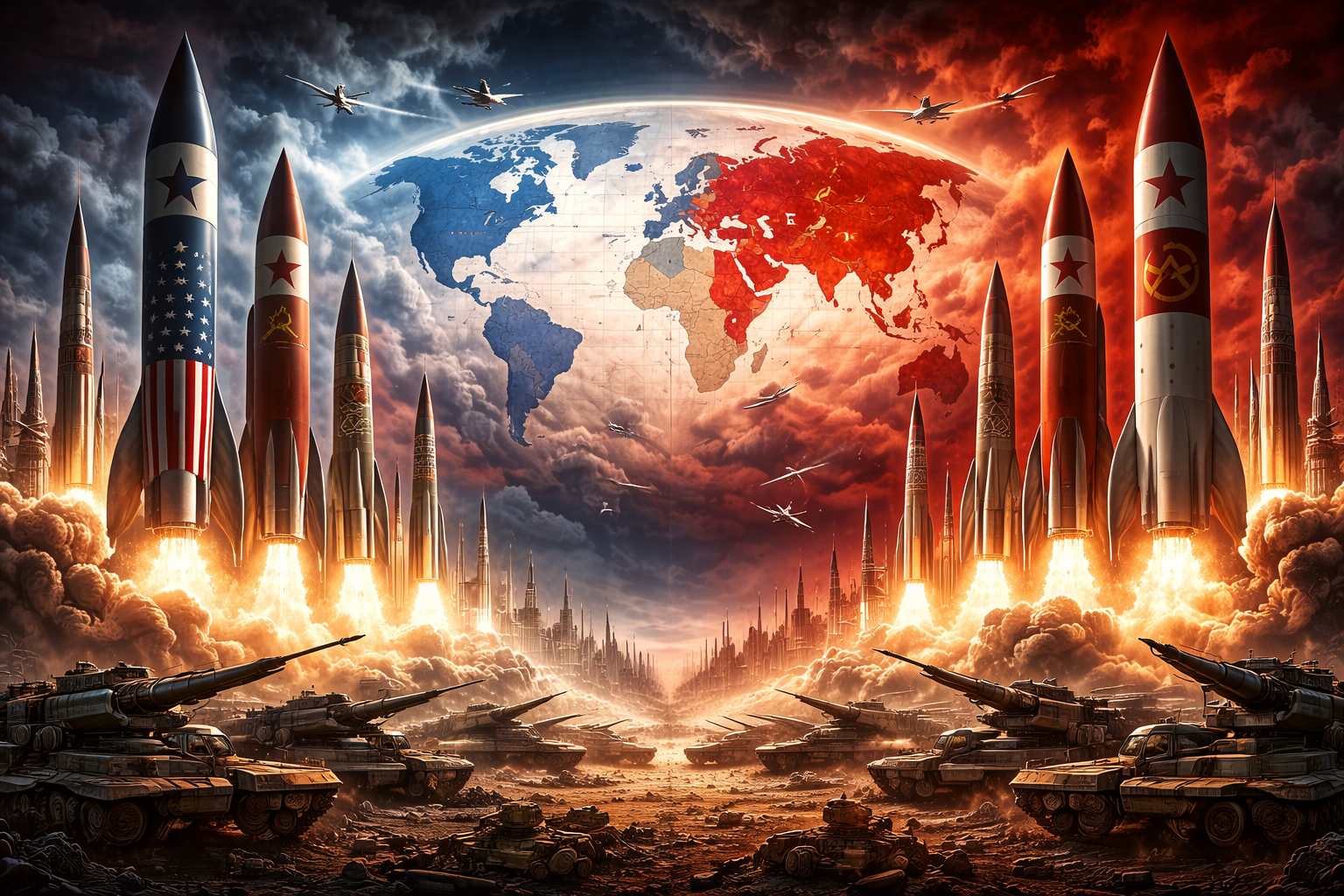
One of the most dangerous aspects of the Cold War was the arms race.
Both superpowers developed massive nuclear arsenals.
👉 The world lived under the constant threat of nuclear war.
This led to the concept of Mutually Assured Destruction (MAD)—where neither side attacked because it would result in total destruction.
🌌 The Space Race
The Cold War wasn’t just about weapons—it was also about technological dominance.
Key milestones:
Sputnik 1 (USSR)
Apollo 11 (USA)
👉 Winning in space meant proving global superiority.
🌍 Proxy Wars Around the World
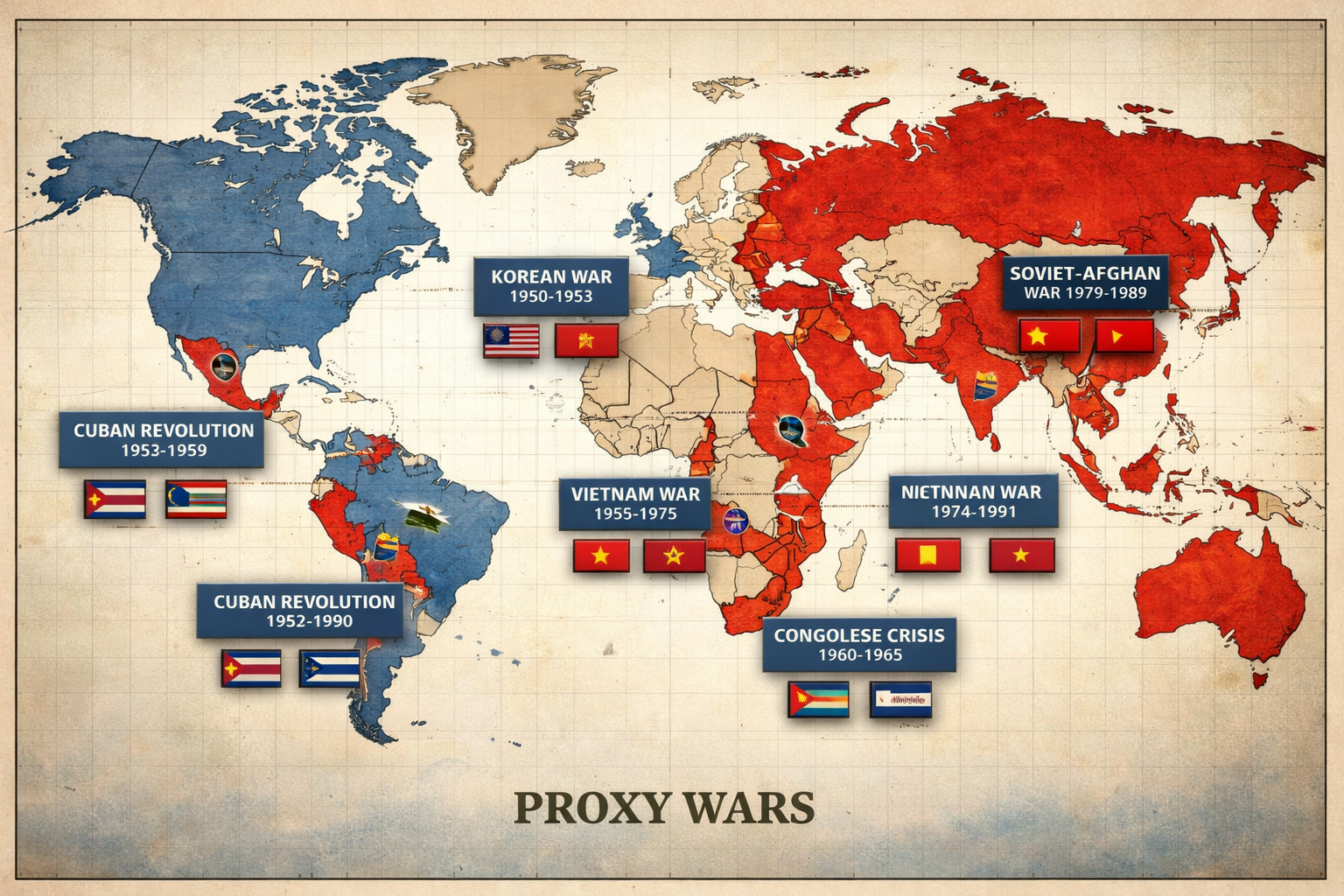
Instead of fighting directly, both powers supported opposing sides in conflicts worldwide.
Examples include:
Vietnam War
Korean War
👉 These are known as proxy wars, where larger powers influence smaller conflicts.
🧱 The Fall of the Soviet Union
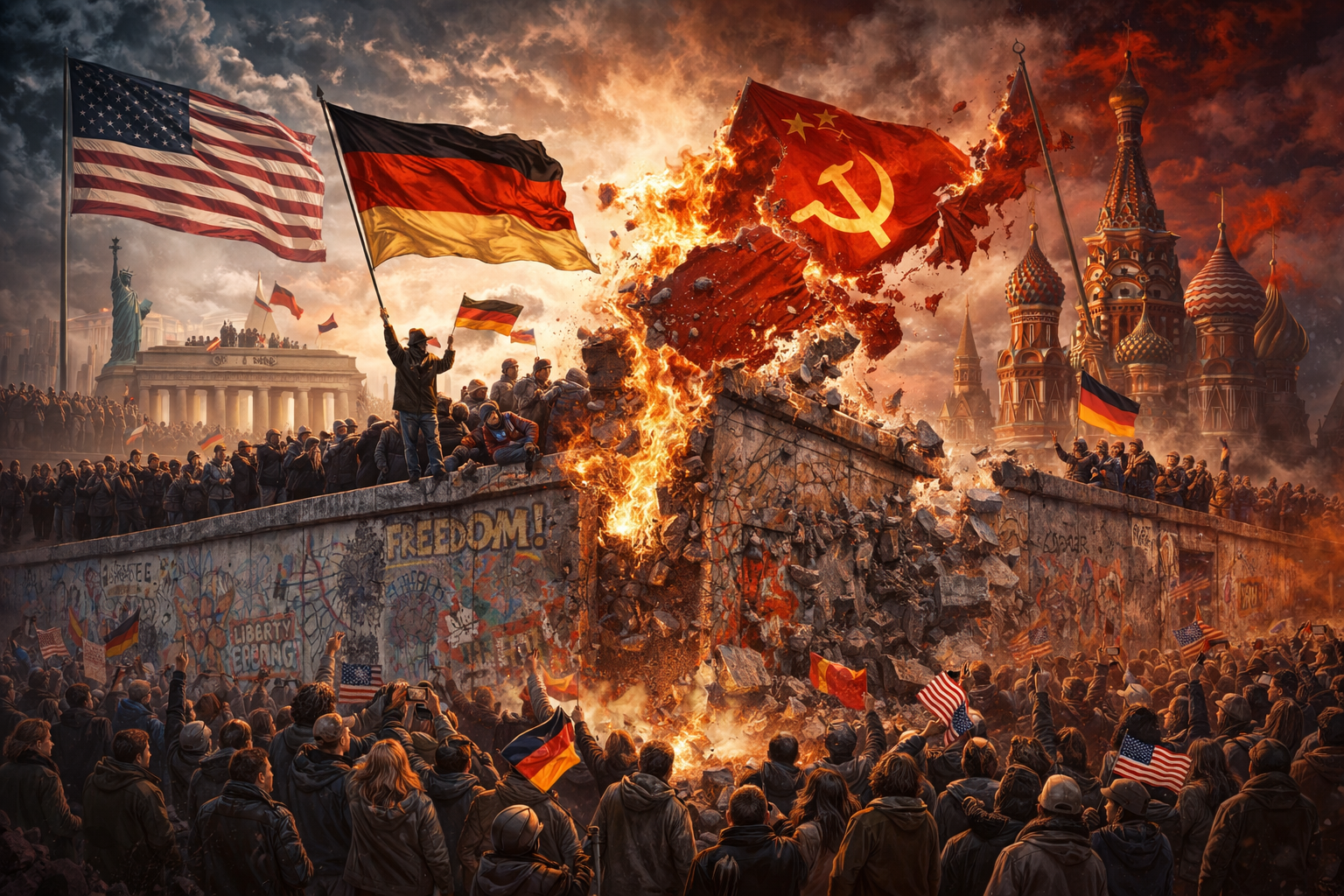
The Cold War ended in 1991 with the collapse of the Soviet Union.
Key reasons:
Economic struggles
Political instability
Pressure from global competition
👉 This marked the victory of the Western bloc.
🔮 Lasting Impact on the Modern World
The Cold War continues to influence today’s world:
Global alliances (e.g., NATO)
Military strategies
Political tensions
👉 Many modern conflicts still reflect Cold War dynamics.
Conclusion
The Cold War was more than just a rivalry—it was a global struggle that shaped modern politics, technology, and international relations.
👉 Its legacy still affects the world we live in today.
Discussion
💬 Question 1:
Do you think a Cold War–style rivalry could happen again in today’s world?
💬 Question 2:
Which event of the Cold War do you think had the biggest global impact?
👇 Share your thoughts in the comments
🙌 Thank You for Reading
If you made it this far, thank you so much 🙏
I hope you found this article informative and insightful.
If you enjoyed this post:
✔ Please upvote
✔ Leave a comment
✔ Follow for more content
🔹 Keep Learning. Keep Growing.
I’m not just here to share content—I’m building a journey where we can all grow together through knowledge and continuous learning.
Your support motivates me to create more high-quality content 🚀
✍️ Signature
"Stay Curious | Stay Informed | Keep Growing 🚀"