The Illusion Of Control
Humans like to believe they are in control of their lives. We plan our days, set goals, and make careful decisions, thinking that every outcome depends on our actions. This sense of control give us comfort and confidence. However, In reality, much of life is shaped by unpredictable forces beyond our power.
The illusion of control is appears in many aspects of daily life. For example, people often believe that working harder will always lead to success. While efforts is important, factors like timing, luck and opportunity also play major role. Similarity, we may think we can control how others perceived us, yet their opinions are influenced by their own experience and biases.
This illustration is not entirely harmful. In fact, it can motivate us to take action and stay disciplined. Believeing we have control encourages responsibility and presentence. Without it, people might feel helpless or unwilling to try. However, problems arise when this belief becomes too strong.
When things go wrong, individuals may blame themselves or feel overwhelmed by failure.
Understanding the limits of control can lead to a healthier mindset. It teaches us on what we can influence, such as our efforts and attitudes, while accepting uncertainty in other areas. This balance allows us to remain hopeful without being unrealistic.
In the end, life is a mixture of control and chances, Accepting this truth can reduce and help us respond more calmly to challenges. True wisdom lies not in controlling everything, but in knowing what we can't control.
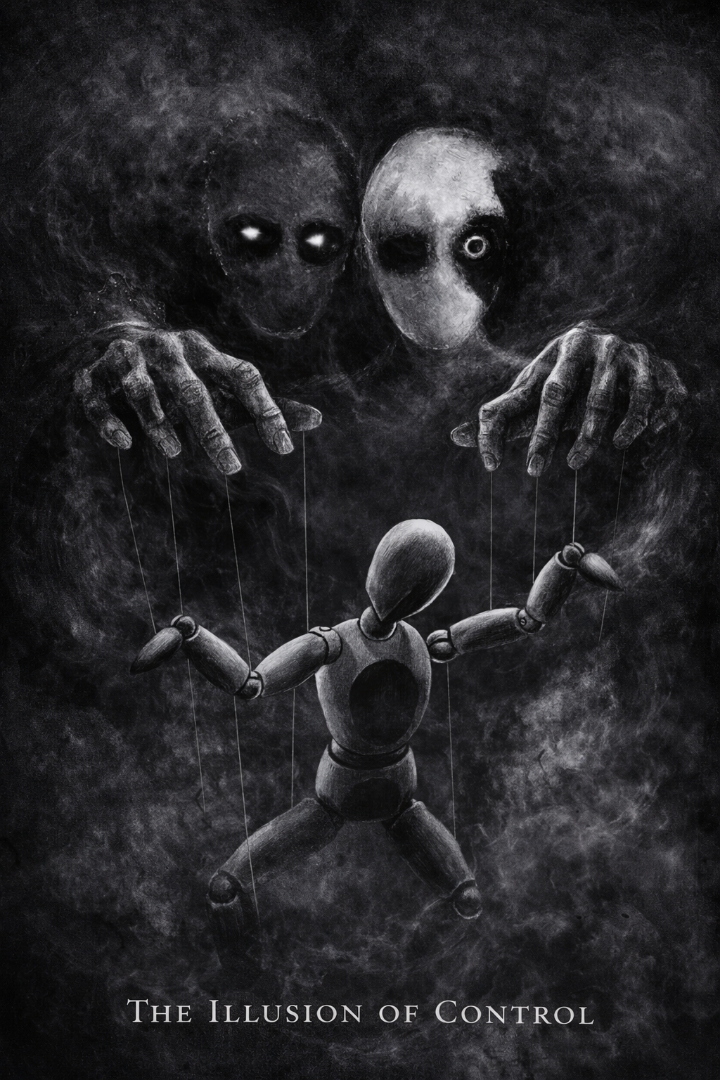
Image created by Microsoft Copilot