CONTEST SUPER MACROPHOTOGRAPHY, Cricket, Pakistan
Assalam u alaikum,
The insect I am talking about here today is called a jhingar in our language. And in English it is called a cricket.
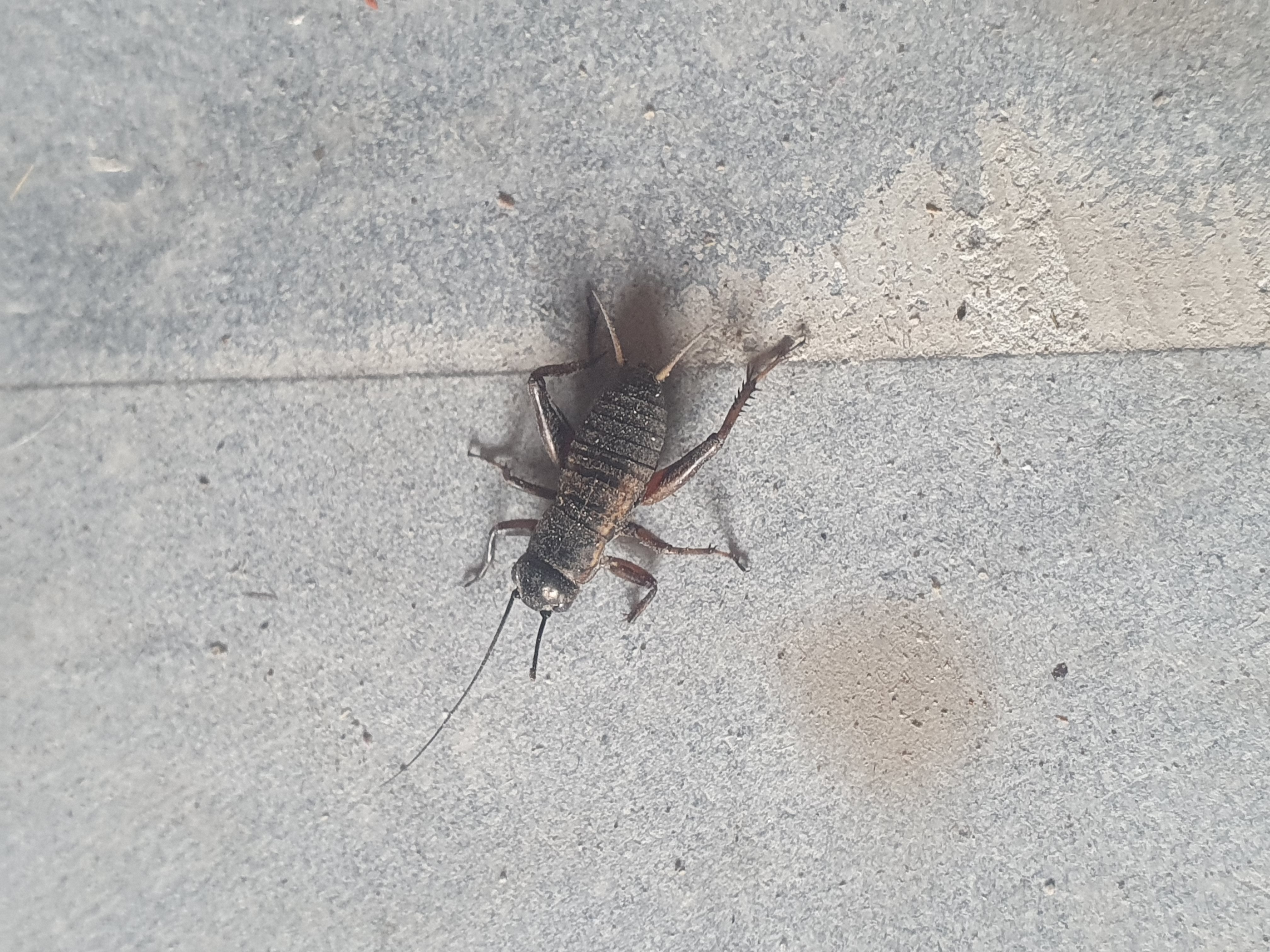
Cricket Nymphs
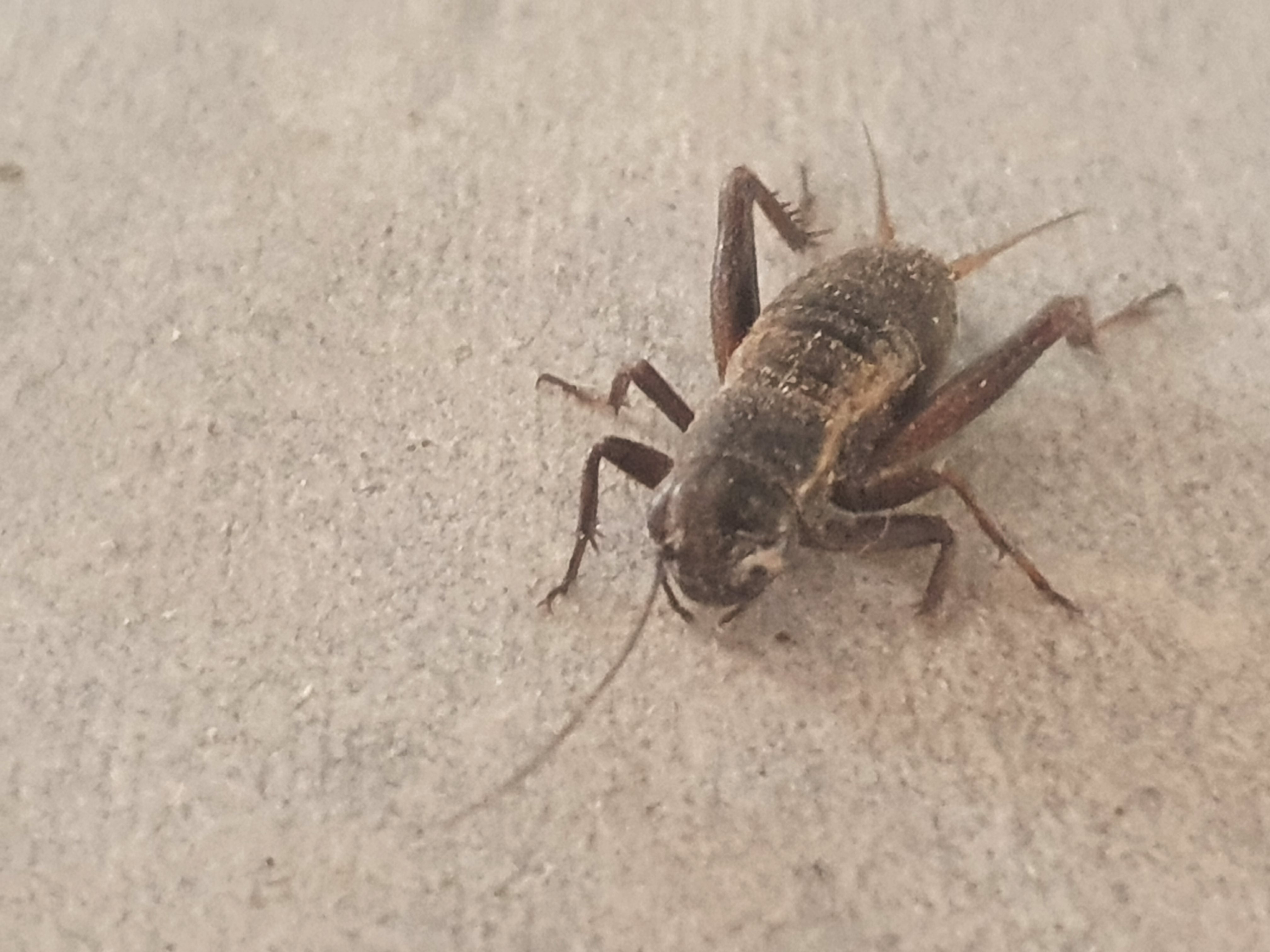
Full name and Genus
The insect is a cricket, likely a nymph (immature stage), which belongs to the genus Gryllus.
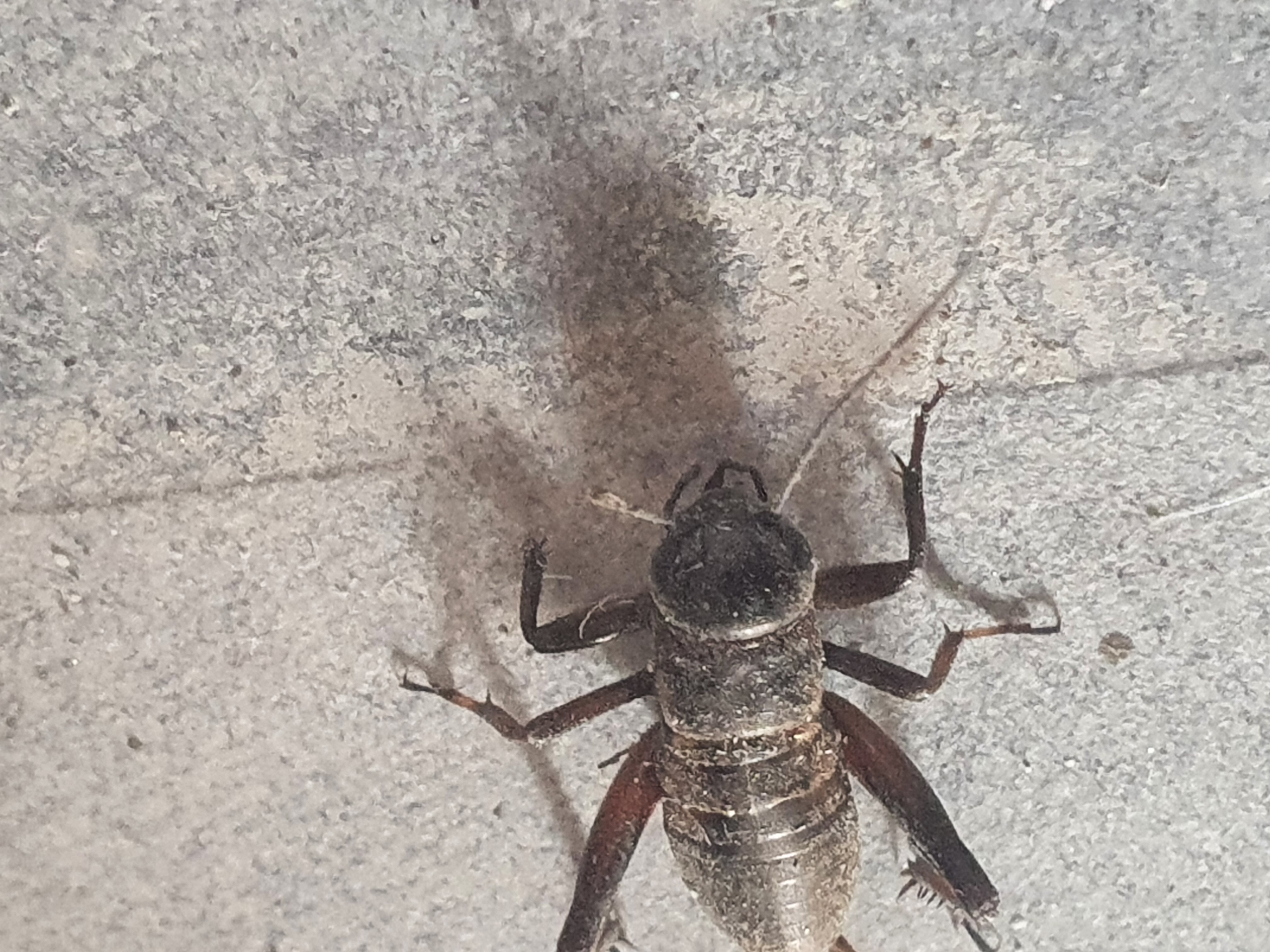
Field crickets are stout-bodied, black or brown insects that often dig shallow burrows.
They go through 8-10 molts before becoming adults.
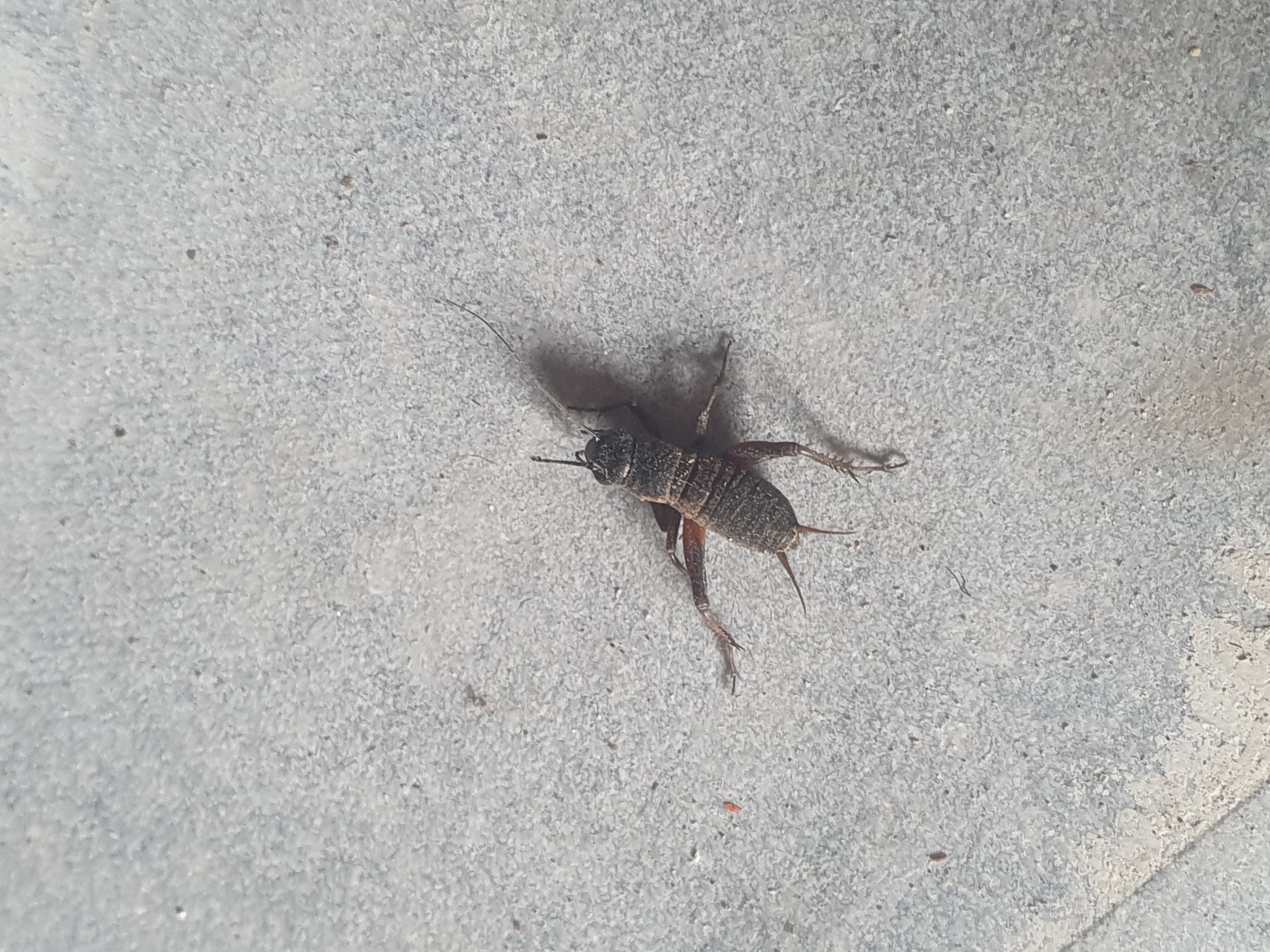
They are a common food source for many reptiles like bearded dragons and geckos.
Several species exist, differing in habitat preferences, mating songs, and egg-laying times
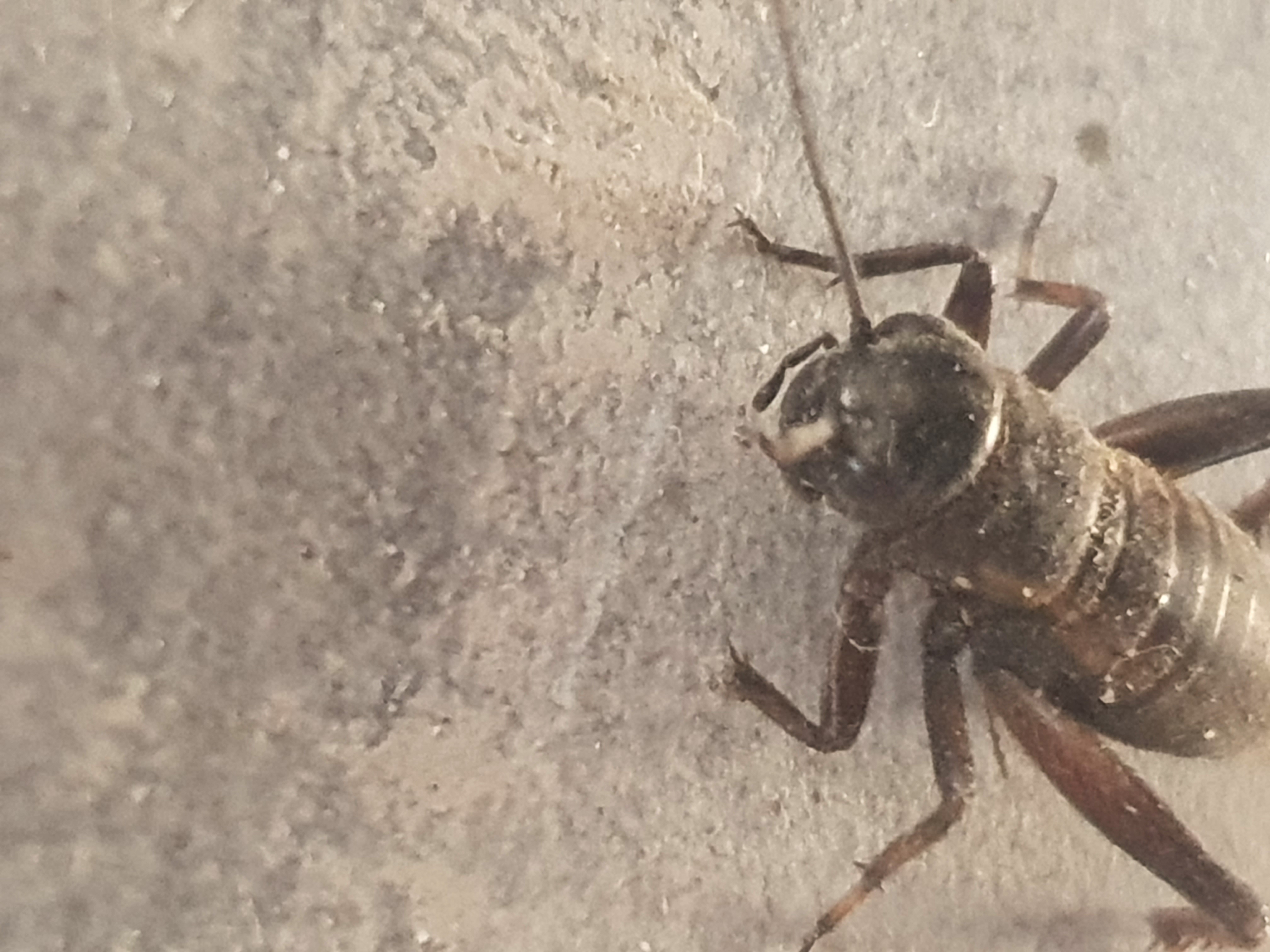
It's mean that
Crickets are orthopteran insects in the family Gryllidae, known for their flattened bodies, long antennae, and the musical chirping sounds produced by males to attract mates. There are over 900 species globally, typically found in warm, moist habitats, feeding on plants and organic matter. They are notable for jumping using strong hind legs.
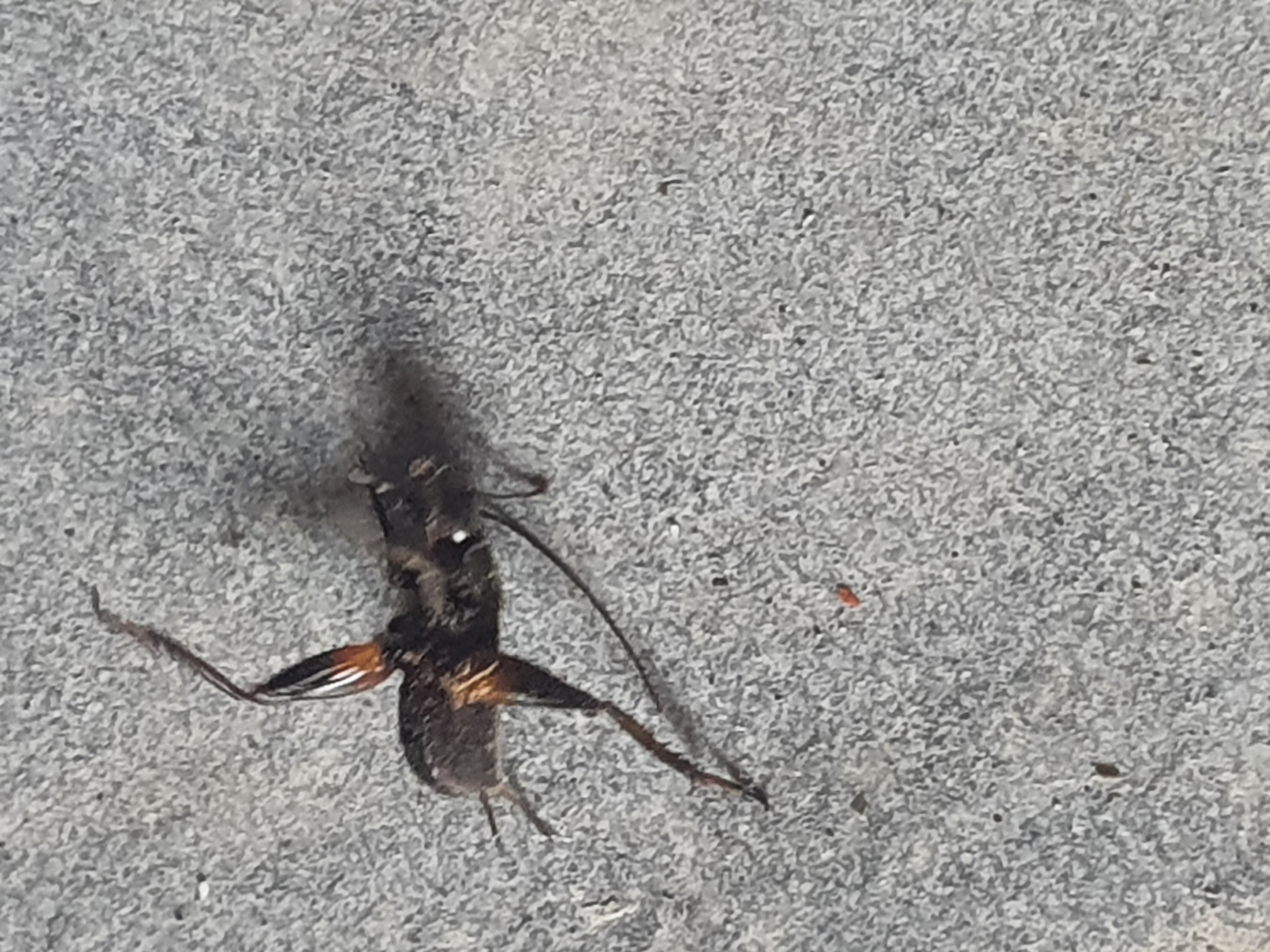
Key Facts About Crickets
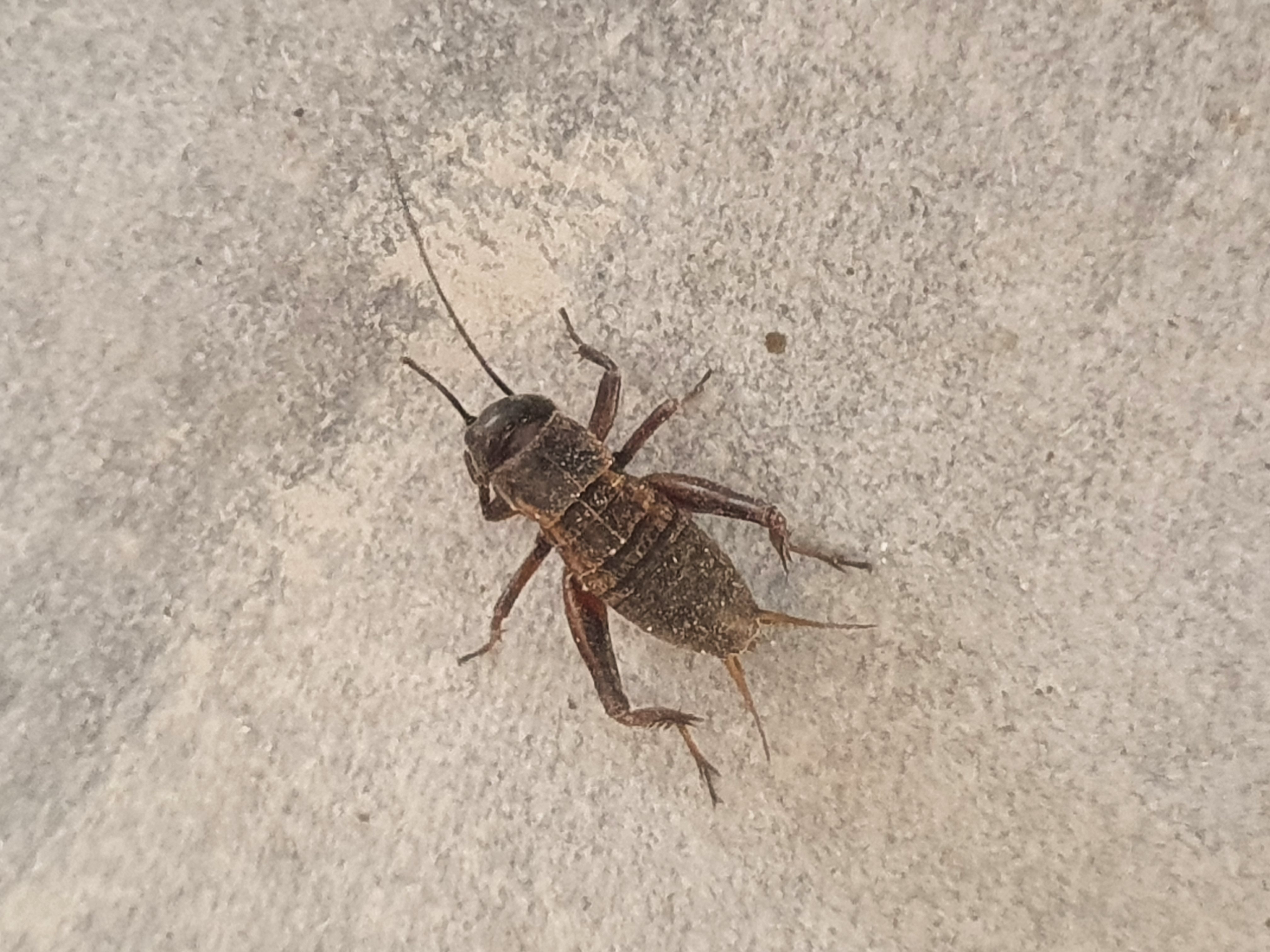
Sound Production:
Male crickets create chirping noises by rubbing their wings together (a process called stridulation), not their legs.
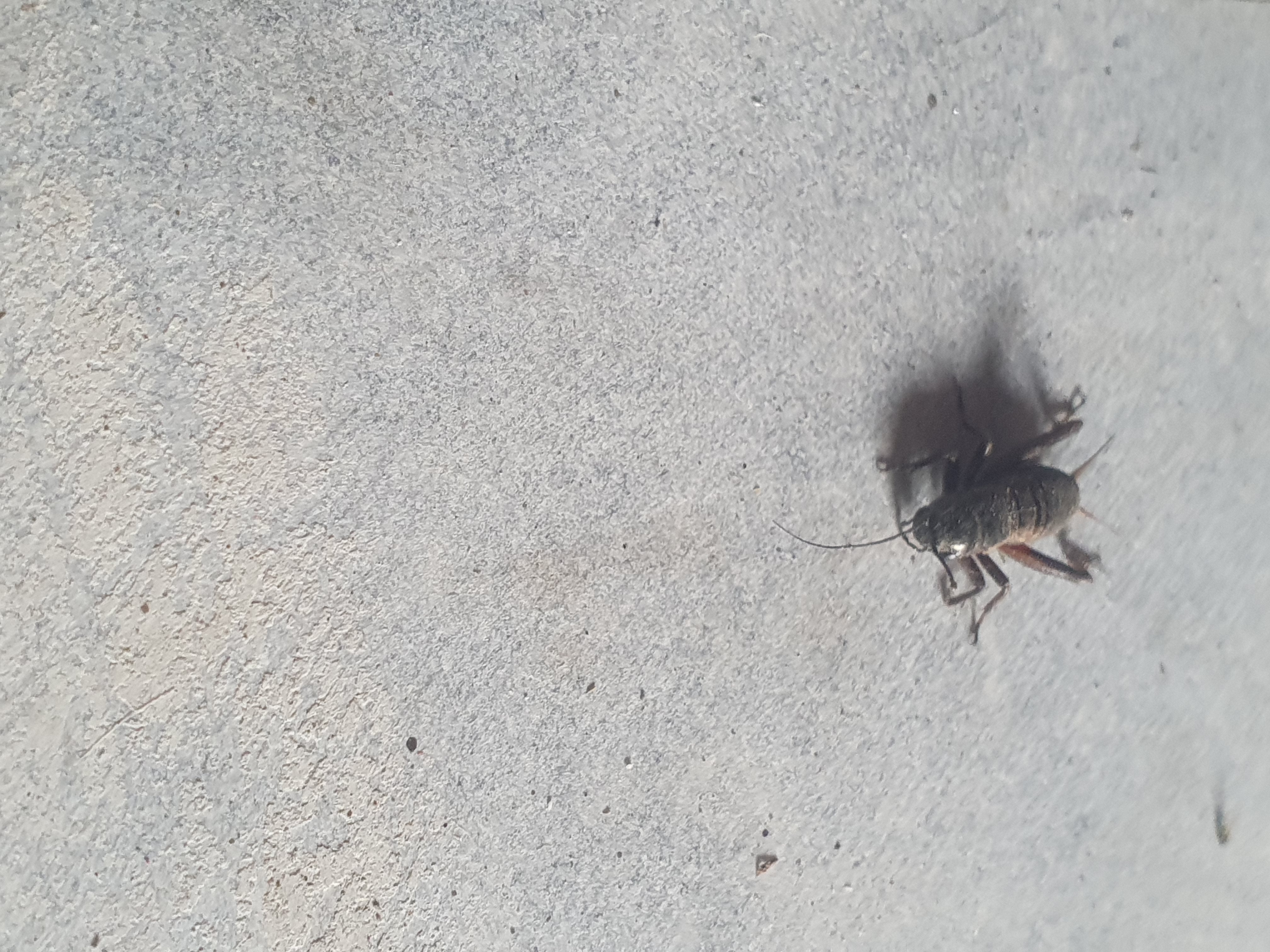
Habitat & Habits:
They are generally nocturnal, prefer moist environments like fields and gardens, and are found worldwide, except in cold polar regions.
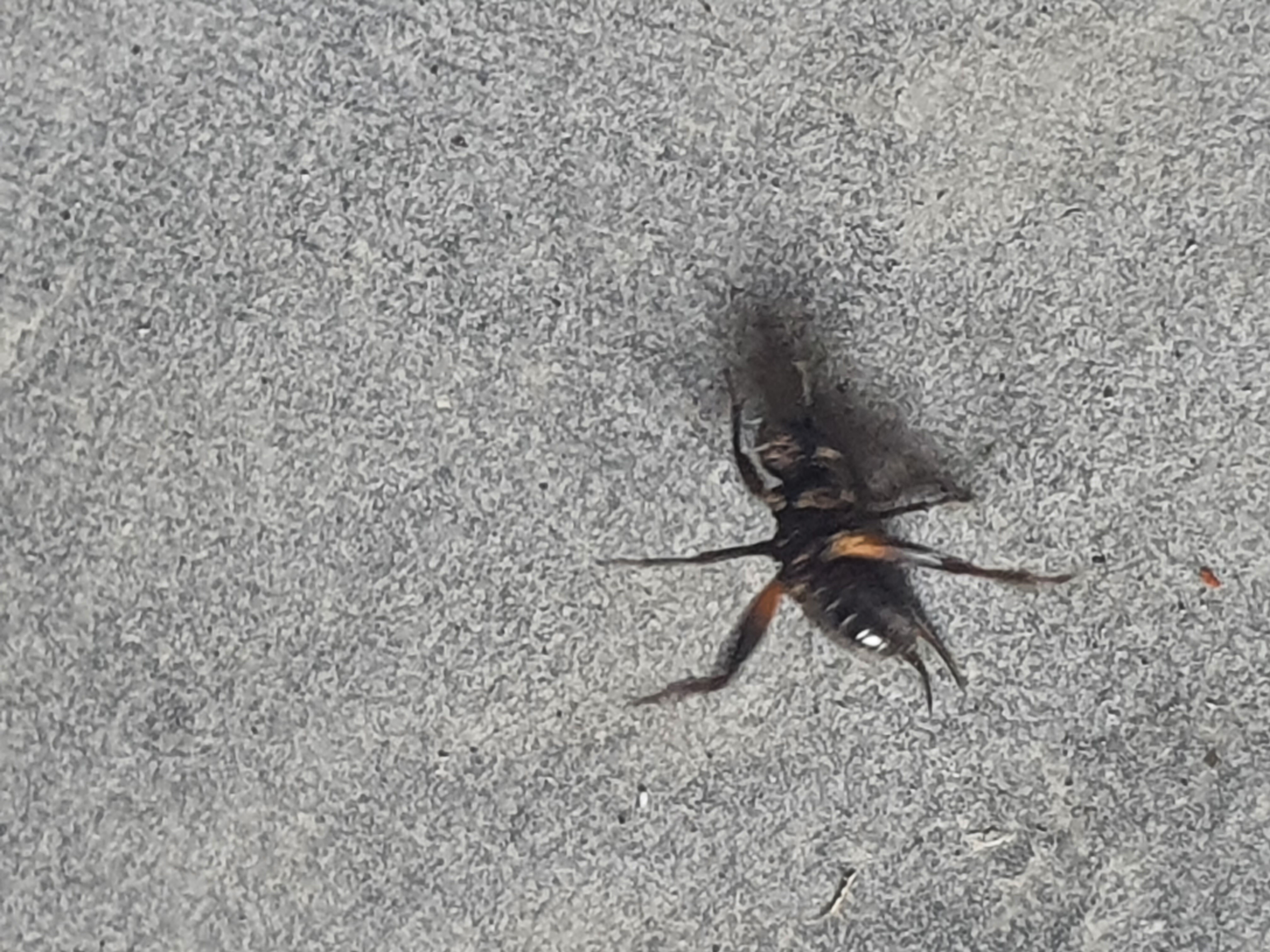
Physical Features:
Crickets have six legs, with enlarged hind legs for jumping up to 3 feet. They possess long, thin antennae used for smelling and touching.
Diet:
They are omnivorous and scavengers, eating plant matter, decaying material, and sometimes other insects.
Life Cycle: They undergo incomplete metamorphosis: egg, nymph (resembling a smaller, wingless adult), and adult.
Temperature Sensitivity:
The speed of a cricket's chirp is directly related to the temperature, with higher temperatures causing faster, higher-pitched chirps.
Species Variation:
Sizes range from 3 to 50 mm (0.12 to 2 inches).
Hearing:
They have auditory organs (eardrums) located on their front legs.
Source of information
I got all this information from the Internet.

Invite
@bambuka
@barski
@wakeupkitty