La memoria selectiva del poder 😶🌫️ [Esp+Eng] The selective memory of power 😶🌫️
(English version below).
Hay algo profundamente inquietante en ver a los mismos rostros que sostuvieron un modelo político durante años hablar hoy como si lo hubieran descubierto desde afuera, como si no tuviera nada que ver con ellos. En Venezuela, esa escena se repite con una naturalidad que casi da escalofríos: se condenan errores, se denuncian abusos y se prometen reformas, pero muchas veces desde el mismo andamiaje que ayudó a construir el desastre.
Lo que acaba de pasar con el jefe de la Asamblea Nacional y el tema agrario lo deja bastante claro. Primero, reconoce que hubo fallas graves en la entrega de fincas y, al mismo tiempo, promete una nueva ley para “corregir” el rumbo; pero el trasfondo es aún más pesado, porque la "Ley de Tierras y Desarrollo Agrario" fue parte del marco que facilitó expropiaciones, inseguridad jurídica y caída productiva durante años, prácticamente décadas.

El truco del “gobierno anterior”
Ese recurso de echarle la culpa al “gobierno anterior” es viejísimo en la política venezolana, pero aquí tiene una capa extra de cinismo. No estamos hablando de actores que llegaron después a encontrar una casa en ruinas; estamos viendo a figuras que formaron parte del mismo poder que aprobó, defendió y aplicó esas políticas destructivas, crueles y terribles.
Y entonces aparece la contradicción central: denuncian robos, corrupción, violaciones de derechos humanos, destrucción del aparato productivo y ausencia de seguridad jurídica, pero hablan como si todo eso hubiera ocurrido en una administración ajena. La incomodidad no viene solo por lo que dicen, sino por la facilidad con la que intentan reescribir su propio papel en la historia reciente.
2026 y el giro raro
Este año también ha traído cambios políticos llamativos en Venezuela, sobre todo en áreas que antes parecían intocables. La reforma petrolera aprobada a finales de enero abrió más espacio a empresas privadas, redujo trabas en el sector y vino acompañada por un alivio parcial de sanciones de Estados Unidos.
A eso se suman las amnistías y liberaciones de presos políticos, que han sido presentadas como señales de apertura, aunque con críticas de organizaciones de derechos humanos por su alcance limitado y por la persistencia de detenciones. Reuters reportó que más de 540 presos políticos habían sido liberados para finales de febrero, mientras el debate público seguía girando alrededor de justicia, control y cálculo político.
1984 en versión tropical
Todo esto me hace pensar en ese ambiente de la novela distópica "1984", donde los discursos políticos cambian sobre la marcha y la sala entera actúa como si nada hubiera pasado. Como si la memoria colectiva fuera una pizarra borrable, y bastara con cambiar el tono para que el pasado obedeciera.
Y lo más duro es que esa apuesta política quizá funcione, al menos en parte. Tal vez la casta gobernante confía en la mala memoria pública (o mala memoria política), o confían en algo todavía más triste: en que incluso quienes recuerdan prefieran callar para sobrevivir, para trabajar, para avanzar un poco dentro de una realidad pantanosa.
Entre memoria y silencio
Ahí está la paradoja más amarga. Todos sabemos que no se sale de un infierno con pureza absoluta; a veces la gente termina negociando hasta con los diablos para abrirse una salida mínima. Pero otra cosa muy distinta es vender esa negociación como si hubiera sido una cosa de "coherencia moral" desde el principio.
Y justo ahí es donde el cinismo político alcanza su mejor traje: cuando se presenta como autocrítica, cuando se disfraza de rectificación y cuando pretende que olvidemos quién firmó, defendió o aplaudió lo que hoy dice lamentar. En un país tan golpeado, la memoria también es una forma de resistencia. 😊

There is something deeply unsettling about seeing the same faces that upheld a political model for years speaking today as if they had discovered it from the outside, as if it had nothing to do with them. In Venezuela, this scene repeats itself with an almost chilling ease: mistakes are condemned, abuses are denounced, and reforms are promised, but often from within the very framework that helped create the disaster.
What just happened with the head of the National Assembly and the agrarian issue makes this quite clear. First, he acknowledges that there were serious flaws in the distribution of farms and, at the same time, promises a new law to “correct” the course; but the underlying issue is even more troubling, because the “Law of Land and Agrarian Development” was part of the framework that facilitated expropriations, legal uncertainty, and declining productivity for years, practically decades.
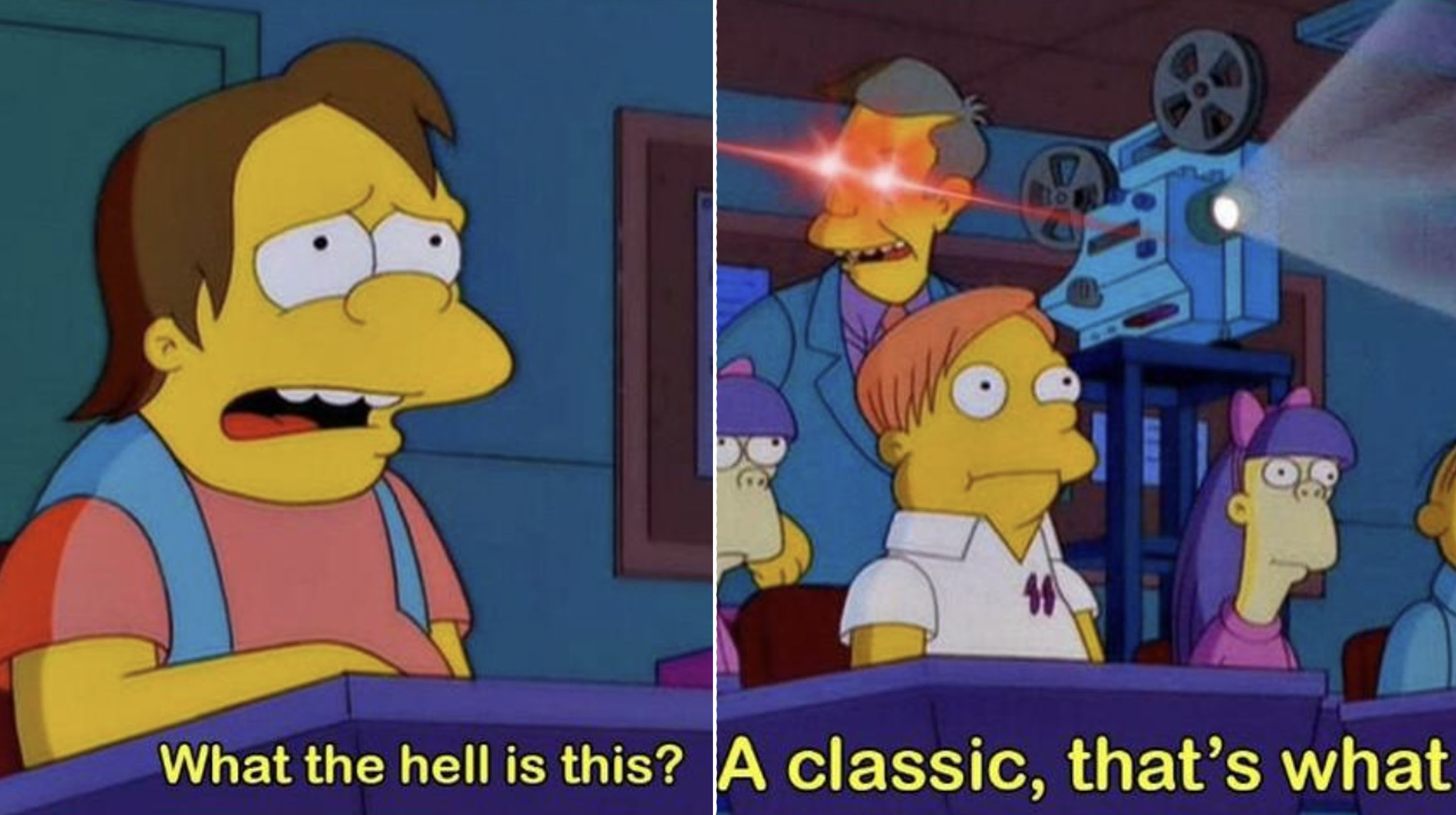
The “Previous Government” Trick
This tactic of blaming the “previous government” is ancient in Venezuelan politics, but here it has an extra layer of cynicism. We're not talking about actors who came later to find a house in ruins; we're seeing figures who were part of the very power structure that approved, defended, and implemented those destructive, cruel, and terrible policies.
And then the central contradiction emerges: they denounce theft, corruption, human rights violations, the destruction of the productive sector, and the lack of legal security, but they speak as if all of that happened under someone else's administration. The discomfort stems not only from what they say, but from the ease with which they try to rewrite their own role in recent history.
2026 and the Strange Turn
This year has also brought striking political changes in Venezuela, especially in areas that previously seemed untouchable. The oil reform approved at the end of January opened more space for private companies, reduced obstacles in the sector, and was accompanied by a partial easing of US sanctions.
Added to this are the amnesties and releases of political prisoners, which have been presented as signs of openness, although criticized by human rights organizations for their limited scope and the persistence of detentions. Reuters reported that more than 540 political prisoners had been released by the end of February, while the public debate continued to revolve around justice, control, and political calculation.
1984 in a Tropical Version
All this makes me think of that atmosphere in the dystopian novel 1984, where political discourses change on the fly and the entire room acts as if nothing has happened. As if collective memory were a blank slate and it were enough to change the tone for the past to obey.
And the hardest part is that this political gamble might work, at least in part. Perhaps the ruling class relies on the public's poor memory (or poor political memory), or perhaps they rely on something even sadder: that even those who remember prefer to remain silent in order to survive, to work, to make any progress within a swampy reality.
Between Memory and Silence
Therein lies the bitterest paradox. We all know that one doesn't emerge from hell with absolute purity; sometimes people end up negotiating even with the devils to carve out a minimal way out. But it's quite another thing to sell that negotiation as if it had been a matter of "moral consistency" from the beginning.
And that's precisely where political cynicism finds its most striking form: when it presents itself as self-criticism, when it disguises itself as rectification, and when it pretends that we'll forget who signed, defended, or applauded what it now claims to regret. In a country so battered, memory is also a form of resistance. 😊
Las imágenes usadas pertenecen a sus respectivas fuentes, se ha procurado usar imágenes con licencia de uso público.
The images used belong to their respective sources; efforts have been made to use images with a public use license.
Upvoted! Thank you for supporting witness @jswit.
🎉 Congratulations!
Your post has been upvoted by the SteemX Team! 🚀
SteemX is a modern, user-friendly and powerful platform built for the Steem community.
🔗 Visit us: www.steemx.org
✅ Support our work — Vote for our witness: bountyking5
Llego a la conclusión de que el ser humano carece de memoria y coherencia, dadas las pruebas que vemos a diario en todo el mundo.
Me temo que junto con ellas también perdimos la fortaleza de luchar por los ideales, aunque revisando la historia, resulta que casi nada ha sido espontáneo como suponemos.
Pero bueno, no es sencillo salir de la Matrix.
Puedo estar de acuerdo en que nunca es sencillo escapar de los sistemas de control que tenemos en nuestro mundo; se podría parodiar a la vieja película para citar "La Matrix te tiene".
0.00 SBD,
0.01 STEEM,
0.01 SP