Smart Locks vs. Traditional Deadbolts: An Honest Security Breakdown
The smart home revolution has promised to make our lives completely keyless. With the tap of a screen or a voice command, we can unlock our front doors from halfway across the world. But as we rush to adopt IoT devices for home entry, are we sacrificing fundamental physical security for digital convenience?
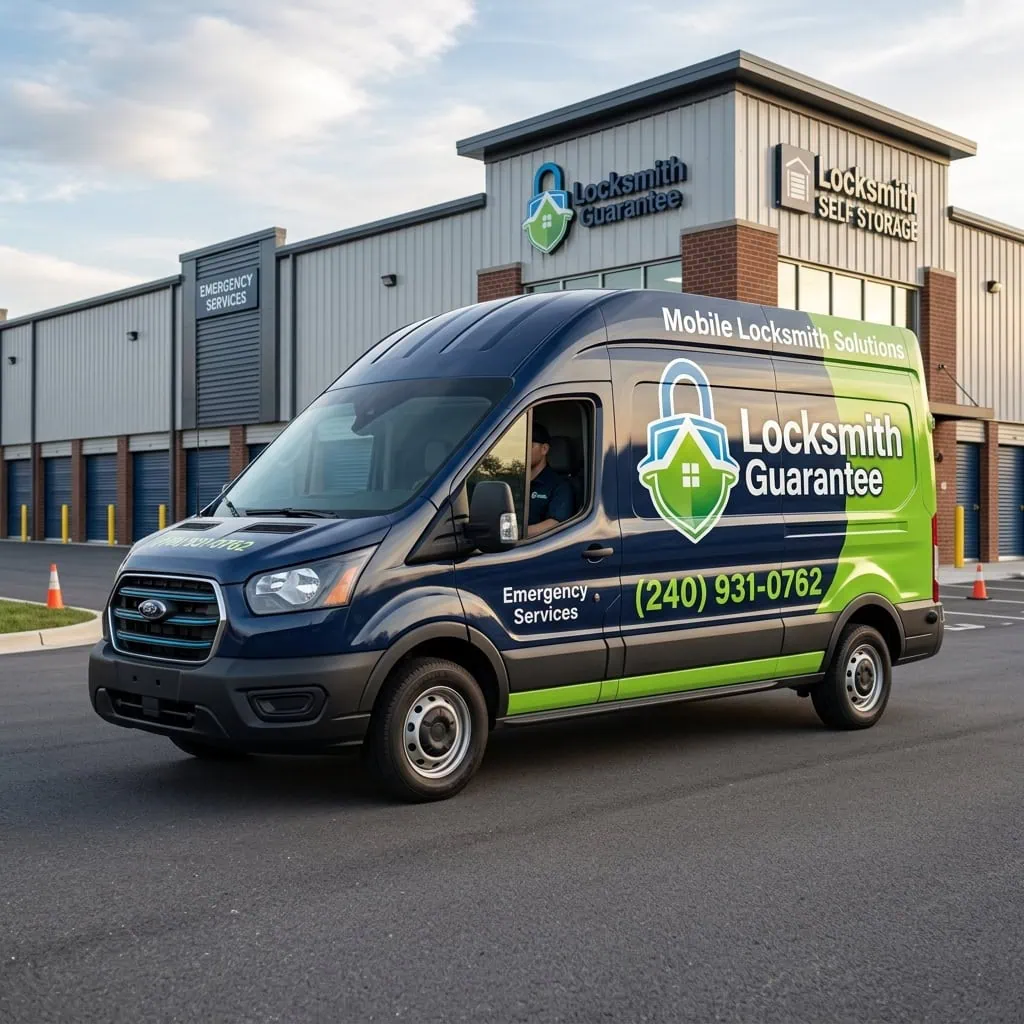
For Maryland homeowners from Greenbelt to Baltimore, finding the right balance between tech and toughness is critical. Here is a look at how smart locks stack up against traditional mechanical deadbolts, and why the future of home security lies in a hybrid approach.
The Digital Threat vs. The Physical Threat
Traditional locks are vulnerable to physical bypasses: lock picking, bumping, or brute force (like kick-ins). Smart locks address some of these issues by removing the keyway entirely on certain models, making traditional lock-picking impossible.
However, smart locks introduce a brand-new threat vector: digital vulnerability. Unencrypted Wi-Fi signals, outdated firmware, and weak passwords can allow bad actors to exploit software loopholes and gain access to your home without leaving a scratch.
Grade 1 Standards: The Undeniable Core
No matter how advanced a lock's microchip is, its security is ultimately determined by its physical metal bolt. The ANSI (American National Standards Institute) grades locks from Grade 3 (basic residential) to Grade 1 (highest security commercial).
Many cheap smart locks on the market prioritize software features over metal strength, using weak Grade 3 latches. A high-quality security setup requires a Grade 1 or Grade 2 solid steel deadbolt at its core, whether it has a smart screen on it or not.
The Best of Both Worlds: The Hybrid Solution
To secure your property properly, you don't have to choose between convenience and strength. A professional residential locksmith integration involves:
High-Security Cylinder Deadbolts: Utilizing locks with restricted keyways (keys that cannot be copied at standard retail counters).
Vetted Smart Integrations: Installing smart locks from reputable manufacturers (like Yale or Schlage) that use bank-grade AES-128 encryption.
Reinforced Strike Plates: Using heavy-duty plates with 3-inch screws that anchor directly into the wooden stud of the door frame, rather than just the decorative trim.
If you are looking to audit your home's security, Locksmith Guarantee MD provides professional residential, auto, and commercial locksmith services across Maryland with clear, upfront flat-rate pricing. Keep your smart home truly secure.