Key Considerations Before Starting a Roofing Project
Key Considerations Before Starting a Roofing Project
Planning Is the Foundation of a Successful Roofing Project
A roofing project is one of the most significant investments a property owner can make. Whether the goal is to replace an aging roof, repair storm damage, improve energy efficiency, or upgrade to a more durable roofing system, careful planning plays a critical role in achieving a successful outcome.
Many roofing problems begin long before installation starts. Insufficient planning, unrealistic budgets, poor contractor selection, and rushed material decisions can all create challenges that affect both the project experience and the long-term performance of the roof. Taking time to evaluate important factors before work begins helps property owners avoid unnecessary expenses, reduce project delays, and ensure that the finished roofing system meets expectations.
A successful roofing project is not simply about installing new materials. It involves making informed decisions that protect the property, maximize value, and support long-term performance.
Why Preparation Matters Before Roofing Work Begins
Roofing projects involve multiple moving parts. Materials must be selected carefully, contractors need to be evaluated thoroughly, permits may be required, and timelines must be coordinated properly.
Without adequate preparation, unexpected issues can arise during construction that increase costs and complicate the project.
Preventing Costly Mistakes
Many roofing problems stem from decisions made before the first shingle or membrane is installed. Material incompatibility, insufficient budgeting, and poor communication can all create avoidable challenges.
A well-planned project reduces these risks and helps ensure that work proceeds smoothly from start to finish.
Supporting Better Long-Term Results
Thoughtful planning not only improves the construction process but also contributes to better roofing performance. Property owners who take time to evaluate options carefully often achieve greater satisfaction with the finished project.
Establishing a Realistic Budget
Budget planning is one of the most important steps in any roofing project. Roofing costs vary considerably depending on the size and complexity of the roof, material selection, labor requirements, and the condition of underlying structural components.
Understanding potential expenses in advance helps property owners avoid financial surprises during construction.
Looking Beyond Basic Installation Costs
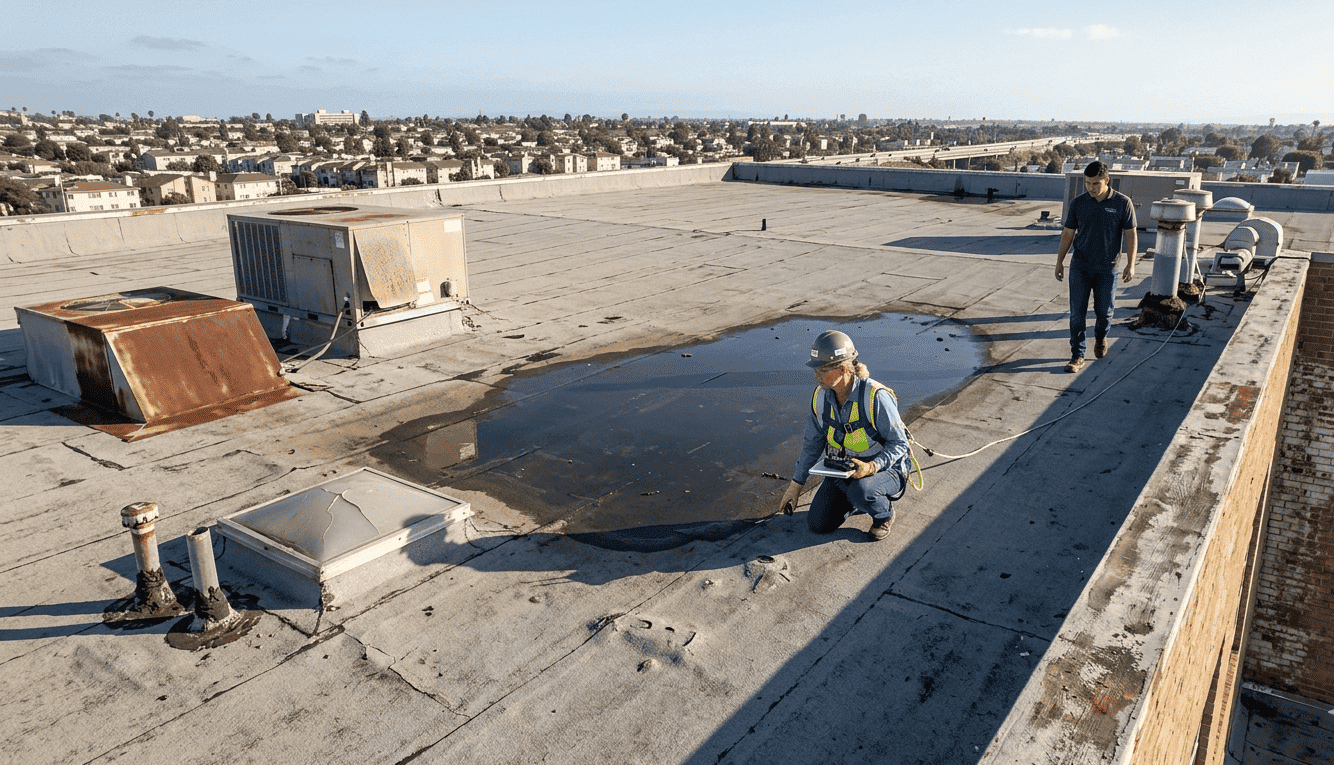
The quoted price for roofing work may not represent the entire project cost. Additional expenses can arise if contractors discover damaged decking, inadequate ventilation, moisture issues, or structural concerns during the installation process.
Including a contingency allowance within the budget provides flexibility if unexpected repairs become necessary.
Comparing Multiple Estimates
Obtaining detailed proposals from multiple reputable contractors allows property owners to compare pricing, scope of work, materials, warranties, and installation approaches.
The lowest estimate is not always the best value. Evaluating the quality of materials and workmanship is equally important.
Choosing the Right Roofing Material
Material selection significantly influences the durability, appearance, maintenance requirements, and lifespan of a roofing system.
With numerous options available, property owners should carefully evaluate which materials best align with their building's needs and environmental conditions.
Climate Considerations
Local weather conditions play a major role in determining the most suitable roofing material. Roofing systems that perform well in one climate may not provide the same benefits in another.
Factors such as temperature fluctuations, wind exposure, rainfall, snowfall, and ultraviolet radiation should all influence material selection.
Balancing Performance and Aesthetics
While appearance is an important consideration, performance should remain the primary focus. The most attractive roofing material may not always provide the best long-term durability for a particular property.
Working with experienced professionals can help property owners balance aesthetic preferences with practical performance requirements.
Evaluating Roofing Contractor Qualifications
The quality of installation is often just as important as the materials selected. Even premium roofing products can underperform if installation standards are not followed properly.
Choosing the right contractor is therefore one of the most critical decisions in the entire process.
Verifying Licensing and Insurance
Before hiring a roofing contractor, property owners should confirm that the company holds all necessary licenses and insurance coverage required by local regulations.
General liability insurance and workers' compensation coverage help protect both the contractor and property owner from potential liability concerns.
Reviewing Experience and References
A contractor's experience often provides valuable insight into the quality of their work. Reviewing completed projects, reading customer reviews, and requesting references can help property owners evaluate professionalism and workmanship.
Established contractors with strong reputations generally provide greater confidence throughout the project.
Understanding Permit Requirements
Many roofing replacement projects require permits and inspections to ensure compliance with local building codes.
Failing to obtain necessary permits can create legal complications and potentially affect property value in the future.
Why Permits Are Important
Permits help ensure that roofing work meets established safety and construction standards. They also provide an opportunity for inspections that verify proper installation practices.
Compliance with permit requirements protects both property owners and future occupants.
Avoiding Future Complications
Unpermitted roofing work can create issues during property sales, refinancing, and insurance claims. Addressing permit requirements before construction begins helps prevent these complications.
Planning for Project Logistics
Roofing projects can temporarily disrupt daily routines. Noise, debris, equipment movement, and restricted access are all common aspects of roofing construction.
Preparing for these disruptions in advance helps minimize inconvenience.
Protecting Property Features
Vehicles, landscaping, outdoor furniture, HVAC equipment, and other exterior features should be protected during roofing work.
Discussing protection measures with the contractor before the project begins helps reduce the risk of accidental damage.
Coordinating Access and Scheduling
Property owners should understand how long the project is expected to take and whether access restrictions may affect daily activities.
Clear communication regarding scheduling expectations contributes to a smoother experience for everyone involved.
Considering Roof Ventilation and Insulation
A roofing project provides an excellent opportunity to evaluate existing ventilation and insulation systems.
These components play a significant role in roofing performance, energy efficiency, and long-term durability.
Improving Airflow
Proper attic ventilation helps regulate temperature and moisture levels beneath the roof. Poor ventilation can accelerate roofing material deterioration and contribute to mold growth.
Addressing ventilation concerns during a roofing project often improves overall system performance.
Enhancing Energy Efficiency
Upgrading insulation during roof replacement can improve indoor comfort and reduce heating and cooling costs.
These improvements often provide long-term benefits that extend beyond the roofing system itself.
Understanding Warranty Coverage
Roofing warranties vary considerably depending on the manufacturer and contractor involved.
Property owners should understand both material warranties and workmanship warranties before committing to a project.
Material Warranties
Manufacturer warranties typically cover defects in roofing products but may require specific installation procedures to remain valid.
Understanding coverage limitations helps prevent misunderstandings later.
Workmanship Guarantees
Contractor workmanship warranties address issues related to installation quality. Strong workmanship coverage often reflects confidence in the contractor's abilities and commitment to customer satisfaction.
The Importance of a Detailed Written Contract
Before work begins, every aspect of the roofing project should be documented in a written agreement.
A comprehensive contract protects both parties and establishes clear expectations regarding project scope and responsibilities.
Key Elements to Include
The contract should clearly outline materials, labor responsibilities, project timelines, payment schedules, cleanup procedures, warranty information, and change order policies.
Detailed documentation reduces confusion and helps prevent disputes during construction.
Establishing Clear Communication
A written agreement serves as a valuable reference throughout the project. When questions arise, both parties can rely on the contract to clarify expectations.
Working With Experienced Roofing Professionals
Successful roofing projects depend on proper planning, quality materials, and skilled workmanship. Property owners often achieve the best results when partnering with contractors that provide professional roofing installation and replacement services.
Experienced roofing professionals can guide homeowners through material selection, budgeting, permitting, scheduling, and installation, helping ensure that every phase of the project proceeds efficiently.
Their expertise helps transform a complex construction project into a well-organized investment that delivers lasting value.
Conclusion
Starting a roofing project without proper planning can lead to unnecessary expenses, delays, and performance issues. By establishing a realistic budget, selecting appropriate materials, verifying contractor qualifications, understanding permit requirements, planning for project logistics, and reviewing warranty coverage, property owners can significantly improve the likelihood of a successful outcome.
A roofing system is a long-term investment that protects the entire property. Taking time to address key considerations before construction begins helps ensure that the finished roof provides dependable performance, energy efficiency, and lasting value for many years to come.
Anchor Text: professional roofing installation and replacement services