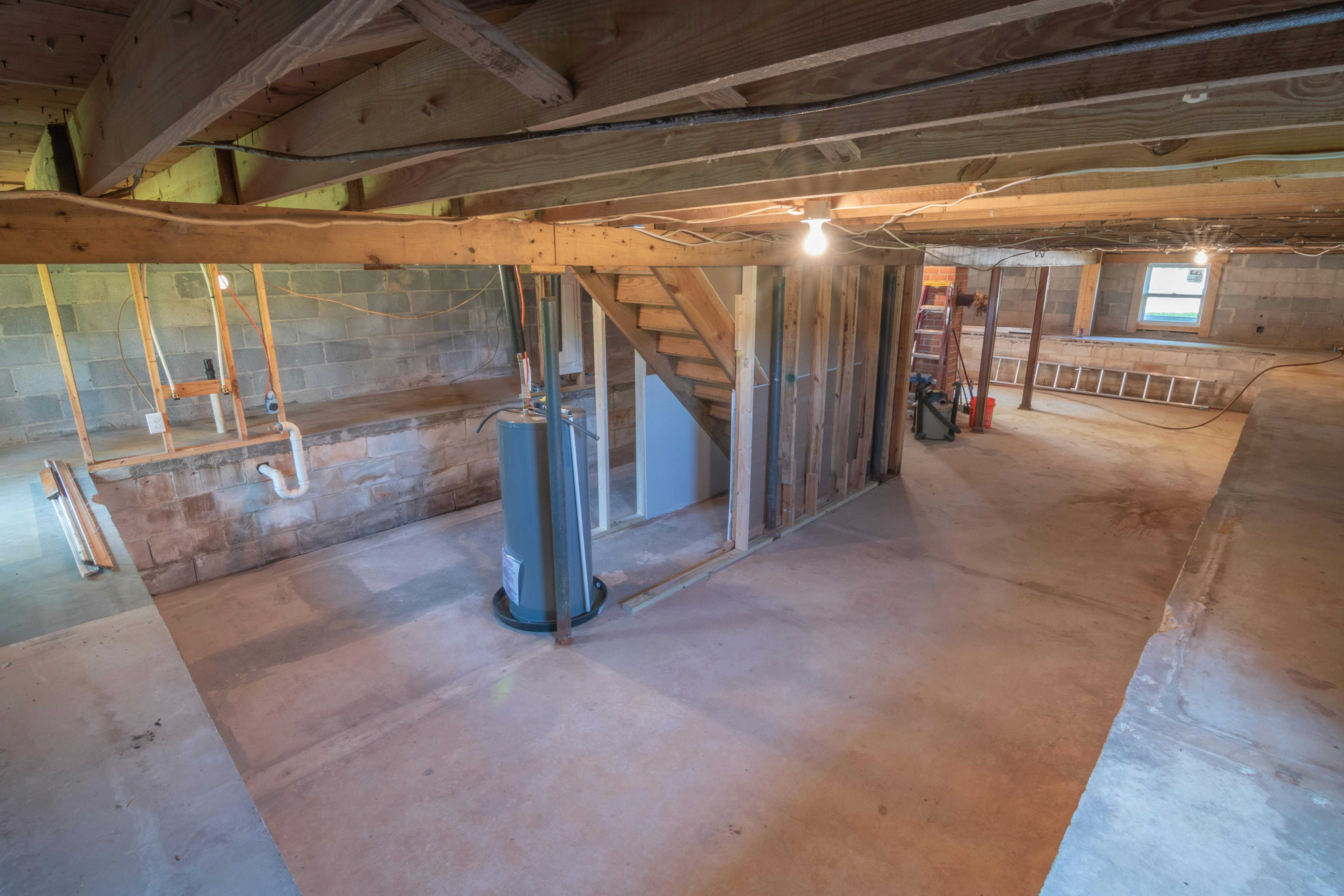
How Insulation Types Affect Basement Air Sealing
Cold floors. Musty air. Drafts that seem to come from nowhere. Many homeowners trace these problems back to the basement, but the root cause is often a mix of poor air sealing and the wrong insulation setup.
Air sealing and insulation work together, but they do different jobs. Air sealing blocks unwanted airflow. Insulation slows heat transfer. If one is missing or done incorrectly, the basement never feels stable.
Understanding how insulation types interact with air sealing helps you avoid common mistakes and compare service options more clearly.
https://www.evergreenyourhome.com/service/types-of-insulation/
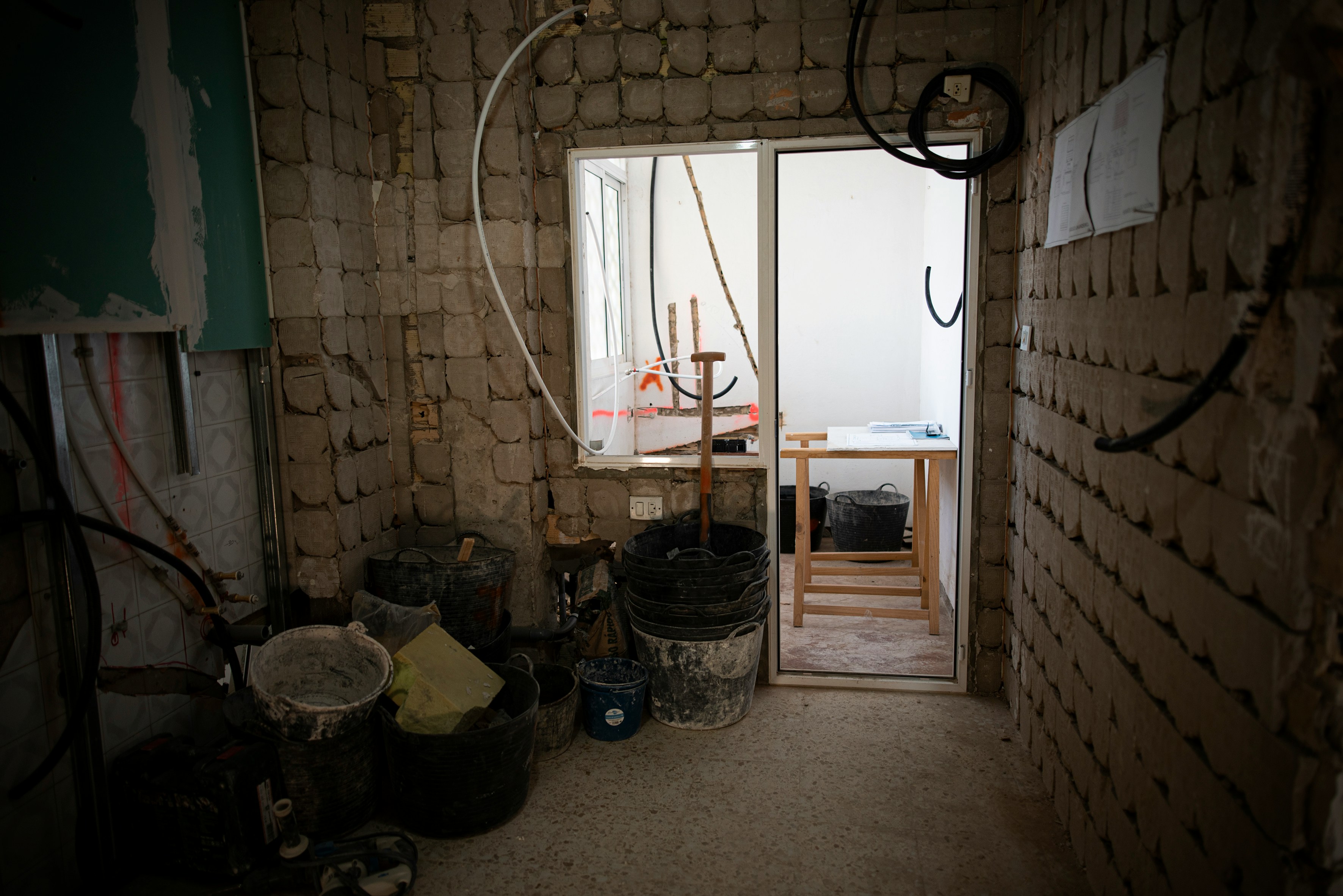
Why Air Sealing Comes First
Air leaks drive many basement problems. Outside air moves through cracks, gaps, and porous materials. This movement carries moisture and temperature changes into your home.
Air sealing targets those pathways first. It closes off gaps around framing, pipes, and joints so that outside air cannot move freely. According to building guidance, sealing these leaks should happen before adding insulation, since insulation alone does not stop airflow .
If you skip this step, insulation can trap air movement behind walls. That leads to hidden moisture and uneven temperatures.
Where Basements Typically Leak Air
Basements have several predictable leak points. You can often find them with a simple visual check.
Look for:
• Rim joists where the wood frame meets the foundation
• Cracks in concrete walls or floors
• Gaps around plumbing, wiring, and duct penetrations
• Open sump pits or poorly sealed covers
• Areas where old insulation is loose or missing
Cold air tends to enter low and rise through the house. This process, known as the stack effect, pulls basement air upward into living spaces. That means basement air quality affects the entire home.
How Insulation Types Influence Air Sealing
Not all insulation materials behave the same way. Some help with air sealing. Others require a separate sealing step.
Here is how the main types compare.
Spray foam insulation
Spray foam stands out because it expands and hardens in place. It fills cracks and seals gaps as it insulates.
Closed cell spray foam, in particular, acts as both insulation and an air barrier. It also limits moisture movement when applied directly to concrete walls. This makes it a strong option for basements where air leaks and dampness overlap .
For rim joists and irregular surfaces, spray foam often provides a tighter seal than other materials.
Rigid foam board
Rigid foam boards create a continuous layer when installed correctly. They perform well against concrete walls, especially when seams are taped and edges are sealed.
However, the boards themselves do not seal gaps automatically. Each seam and edge needs attention. If gaps remain, air can still pass through.
Rigid foam works best when combined with careful air sealing before and during installation.
Fiberglass batts
Fiberglass is widely used because it is affordable and easy to install. But it does not stop air movement.
Air can pass through fiberglass fibers, which means leaks behind the insulation remain active. In basements, this becomes a problem when moisture enters and gets trapped in the material.
Fiberglass works better in dry, well sealed spaces. In damp basements, it often leads to odor or mold concerns over time .
Hybrid systems
Some setups combine materials. For example, spray foam seals and protects the surface, while fiberglass or mineral wool adds extra insulation in front of it.
This layered approach separates moisture control from thermal performance. It is often used when homeowners want stronger results without relying on a single material.
How Air Sealing and Insulation Work Together
When done correctly, air sealing and insulation reinforce each other.
Air sealing reduces uncontrolled airflow. Insulation then maintains stable temperatures.
Together, they help:
• Reduce drafts and cold spots
• Improve temperature consistency between floors
• Limit moisture movement and condensation
• Make finished basement spaces more comfortable
Energy studies show that sealing and insulating basement areas together can lead to noticeable improvements in comfort and efficiency .
If one step is skipped, the results are uneven.
Common Mistakes Homeowners Run Into
Many basement issues come from partial upgrades or incorrect material choices.
Installing insulation without sealing
This traps air movement behind walls and can lead to hidden moisture problems.
Using fiberglass directly against concrete
Concrete walls allow moisture to pass through. Fiberglass absorbs that moisture and holds it in place, which can create long term issues .
Ignoring the rim joist area
This is one of the largest sources of air leakage in most homes. Leaving it untreated reduces the impact of other improvements.
Focusing only on walls
Floors, penetrations, and small gaps also matter. Air sealing needs to be continuous to work well.
How to Evaluate Basement Conditions Before Work
Before comparing providers or materials, take time to assess your basement.
Walk through and note:
• Areas that feel colder than the rest of the house
• Signs of moisture, such as staining or musty smells
• Visible cracks or gaps in concrete
• Existing insulation and its condition
You can also check for drafts by holding a piece of tissue near suspected gaps. Movement indicates airflow.
These observations help you understand what type of solution fits your home.
What to Look for When Comparing Service Approaches
When reviewing information about insulation and basement air sealing, focus on how the process is explained.
Look for:
• Whether air sealing is addressed before insulation
• Which materials are used and why
• How moisture is managed along with airflow
• Details about sealing specific problem areas like rim joists and penetrations
For example, a page such as types of insulation for basements from Evergreen Your Home can serve as a reference point when comparing how different materials are described and how they fit into a broader air sealing plan.
Keep your attention on the sequence of work, not just the material type.
How Climate and Home Design Affect Decisions
Basement conditions vary by region and home style.
In areas like the Bay Area, homes often span decades of construction styles. Some have older concrete foundations, while others use newer materials and layouts.
Local factors to consider include:
• Coastal moisture and salt air exposure
• Hillside construction with varying soil pressure
• Shaded areas that stay cool and damp longer
• Permitting and inspection requirements for major upgrades
These conditions affect how air sealing and insulation should be handled. A solution that works in a dry inland area may not perform the same near the coast.
Why Moisture Control Is Part of the Equation
Air leaks often carry moisture into the basement. When warm air meets cool concrete, condensation can form.
Insulation alone does not stop this process. Air sealing reduces the flow of moist air, while certain insulation types add a barrier against moisture.
Together, they help prevent:
• Condensation on walls and floors
• Mold growth behind finished surfaces
• Damage to wood framing and drywall
This is why many basement upgrades combine sealing, insulation, and moisture control rather than treating each issue separately.
A Practical Way to Think About It
Think of your basement as part of your home’s outer shell. Any gaps in that shell allow outside conditions to affect indoor comfort.
Air sealing closes those gaps. Insulation strengthens the barrier.
When both are done correctly, your basement becomes more stable. Floors above feel warmer. Air feels less damp. Temperature swings decrease.
These changes do not come from one product. They come from how the system works together.
By understanding how insulation types affect air sealing, you can ask better questions, compare approaches with more clarity, and choose a solution that fits your home’s structure and conditions.