Wallpaper or Paint: Which One Actually Suits Your Space Better?
Every renovation eventually lands on the same question: paint it, or wallpaper it? It sounds like a small decision, but it shapes almost everything else about how a room turns out the mood, the maintenance, even how soon you'll be redoing it again. The honest answer is that neither one wins outright. It depends heavily on the room, and specifically on whether you're working with a living room or an office, since the two spaces genuinely want different things.
Why This Decision Isn't as Simple as It Looks
Paint feels like the safe, obvious choice, and wallpaper feels like the more "designed" one but that's not really the full picture anymore. Paint has come a long way in terms of finish and durability, and wallpaper has shed a lot of its old reputation for being fussy or short lived. Both are legitimate options today, which is exactly why the decision comes down to what the room actually needs, not just which one looks nicer in a showroom.
What Paint Does Well
Paint's biggest strength is flexibility. It's quick to apply, relatively affordable, and easy to touch up or completely change again in a few years without much fuss. For anyone who likes updating their space regularly, or who isn't sure yet exactly what look they want long term, paint is the lower commitment option.
It also handles humidity and exterior conditions well when the right formula is used. professional wall painting services typically include proper surface prep sanding, priming, crack repair before any color goes on, which is honestly where most of the difference between a good paint job and a mediocre one actually comes from. Waterproof paint formulas also exist now for kitchens, bathrooms, and exterior walls, closing a gap that used to clearly favor wallpaper in wet prone areas.
What Wallpaper Does Well
Wallpaper's strength is depth and personality. No amount of paint mixing gets you the same textured, patterned, or dimensional effect that a well chosen wallpaper delivers instantly. It's also, somewhat counterintuitively, often more durable in high traffic areas than paint, since a lot of modern wallpaper is scratch resistant and easier to wipe clean without the color fading or scuffing the way a painted wall can over time.
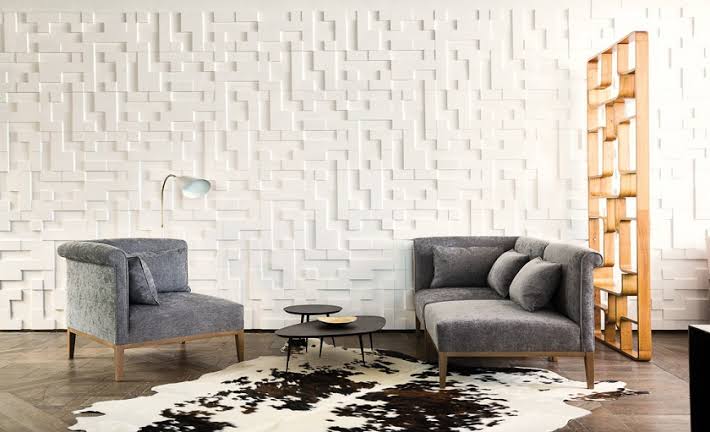
The trade off is commitment. Wallpaper takes more effort to remove or replace than paint does, so it works best when you're fairly confident about the design direction for the next several years, not just experimenting for a season.
Living Room: Where the Case for Wallpaper Gets Strong
Living rooms are usually where wallpaper makes the most sense. It's a space people want to feel warm, layered, and a little more expressive than a plain painted wall typically allows, and it's also a room that doesn't see the daily wear a kitchen or hallway does.
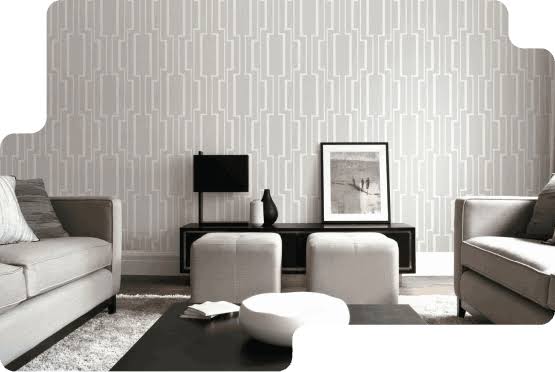
A single feature wall often behind the sofa is a common way to bring in a bold wallpaper pattern without overwhelming the room, while keeping the surrounding walls in a simpler tone. Browsing a proper makes it a lot easier to see how texture and pattern actually read in a real living space, rather than guessing from a small swatch. That said, paint still has its place here too for anyone who prefers a calmer, more neutral backdrop, or who simply isn't ready to commit to a bold pattern, a well executed paint job does the job cleanly and can always be layered with wallpaper later on a single accent wall.
Office: Where the Decision Gets More Practical
Offices flip the priorities a bit. It's less about personality and more about durability, cleanliness, and how the space is actually used day to day. Reception areas can afford to be a bit bolder, but general workstation zones tend to benefit from something calm, consistent, and low maintenance which both paint and wallpaper can deliver, depending on the finish chosen.
Paint tends to win on flexibility here, especially for businesses that rebrand or refresh their look every few years a custom color match is far easier to redo than replacing wallpaper across an entire office. On the other hand, a well chosen can genuinely elevate how professional a space feels, particularly in meeting rooms or reception areas where a stronger first impression matters more than low cost flexibility.
A Few Questions Worth Asking Before You Decide
Rather than picking based on preference alone, it helps to run through a few practical checks first:
How often do you expect to change the look? If it's every couple of years, paint is the easier commitment. How much wear will the wall realistically take? High traffic zones often do better with durable, wipeable wallpaper than with paint that scuffs and needs frequent touch ups. Is the space humid or exposed to direct sun? Both paint and wallpaper now offer weather resistant options, but it's worth confirming before committing either way. And finally, is this a design statement or a functional backdrop? Statement walls lean wallpaper, functional backdrops usually lean paint.
You Don't Actually Have to Choose Just One
A lot of well designed spaces don't pick a single winner they combine both. A painted room with one wallpapered feature wall gets you the best of both: low maintenance simplicity across most of the space, with a single point of visual interest that does the heavy lifting. This approach works particularly well in living rooms and office reception areas, where you want some personality without committing an entire room to either material.
Final Thoughts
There's no universal right answer between wallpaper and paint it comes down to the room, how it's used, and how much you want the space to say something visually versus just look clean and consistent. Living rooms tend to lean toward wallpaper for warmth and character, while offices often lean toward paint for flexibility, though both spaces genuinely work well with either material when it's chosen thoughtfully.
If you're still weighing the options, the team at handles both wallpaper and professional painting under one roof, which makes it a lot easier to compare the two side by side before deciding what's actually right for your space.