How Much Does a Hot Tub Cost to Run in Australia?
Running cost is one of the most commonly asked questions before buying a hot tub — and one of the most inconsistently answered. Figures vary widely online because they depend heavily on variables that are specific to each household: the size of the spa, the insulation quality, the ambient temperature, local electricity rates, and how the spa is used and maintained.
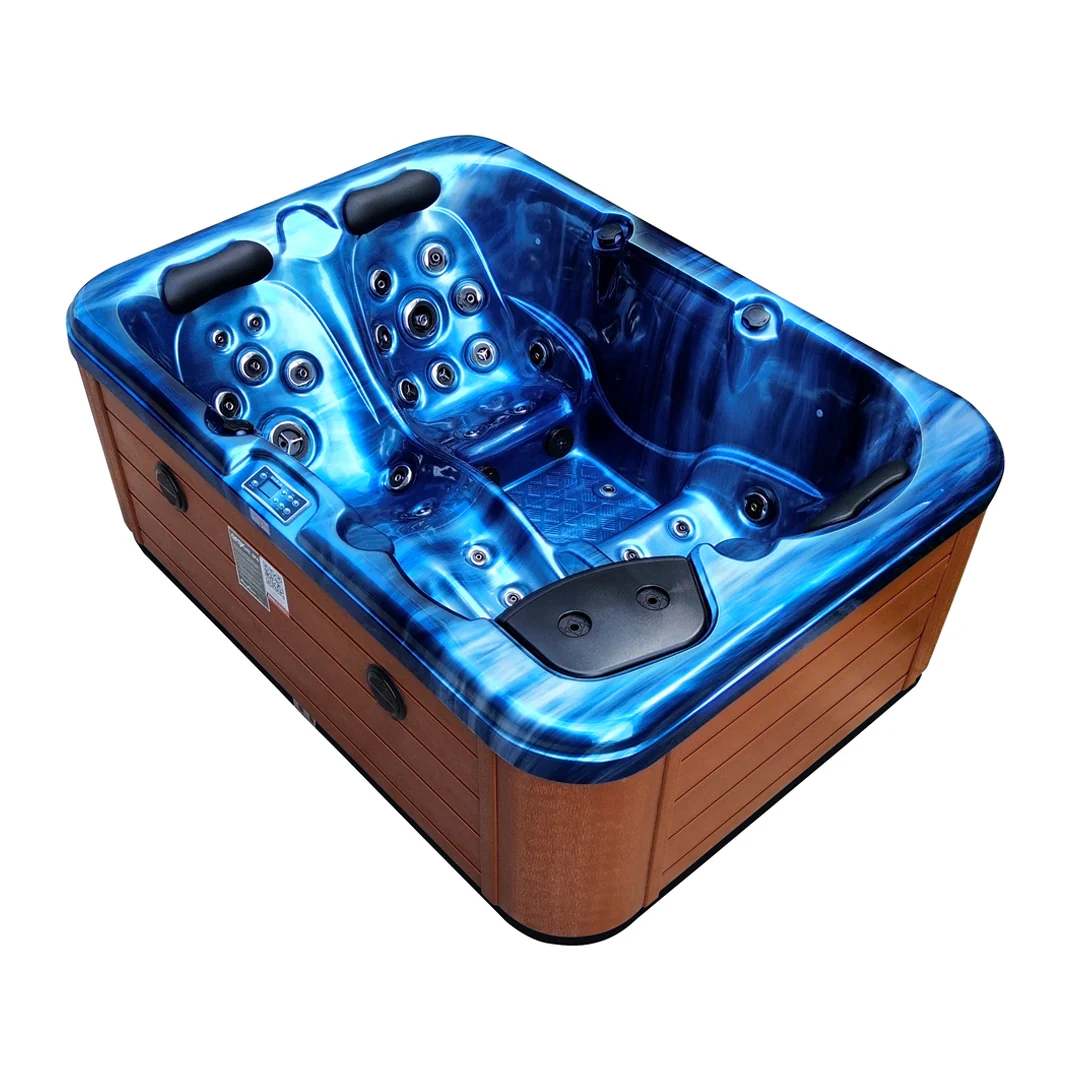
Rather than a single number, here's how to think through each cost component and estimate what a hot tub will realistically cost to run in your situation.
Electricity: The Largest Ongoing Cost
Electricity is the dominant running cost for any hot tub. It covers two things: maintaining the water temperature when the spa is not in use, and running the pumps during filtration cycles and active use.
Heating costs depend primarily on:
Insulation quality. A well-insulated spa with a thick lockable hard cover, full tub insulation, foil thermal layer, and a temperature-sealed base loses heat slowly and requires the heater to run infrequently to maintain set temperature. A poorly insulated spa works the heating element much harder, especially overnight and in winter. This is the single biggest variable in hot tub running costs, and it's determined at the time of purchase — not something you can easily change afterwards.
Ambient temperature. A spa in Brisbane maintaining 38°C year-round costs less to heat than the same spa in Melbourne or Canberra, where winter ambient temperatures create a larger differential between the set point and the surrounding air. The colder the climate, the harder the heater works.
Set temperature. Every degree you keep the spa above ambient temperature has a cost. Most people set their hot tub between 37°C and 40°C. Dropping the set temperature by 2–3°C when the spa won't be used for several days can reduce heating costs, though a well-insulated spa holds temperature so well that this saving is often marginal.
A realistic electricity cost estimate for a well-insulated 6-person hot tub in a moderate Australian climate (Sydney, Brisbane) maintaining temperature continuously is approximately $30–$60 per month, depending on local electricity rates and ambient conditions. In colder climates (Melbourne, Canberra), this figure can be $50–$100 per month in winter.
These figures assume a quality insulation system. A budget spa with minimal insulation can cost two to three times more to run than a well-insulated equivalent of the same size.
Chemical Maintenance
Water chemistry needs to be maintained to keep the water safe, clear, and comfortable. The core chemicals are sanitiser (chlorine or bromine), pH adjuster (up and down), and an alkalinity stabiliser. Most spa owners also use a shock treatment periodically to oxidise organic buildup.
For a standard 6-person hot tub used two to three times per week by a family:
- Monthly chemical cost: approximately $20–$50 depending on bather load, water source, and whether you're using a chlorine or bromine system
- Annual chemical cost: approximately $240–$600
Chemical costs are reduced when the spa's filtration system is working well. A clean, functional filter and an active ozone system (like UltraPure Ozone) reduce the organic load the sanitiser has to manage, which means chemicals go further. Owners of spas with ozone systems consistently report lower chemical consumption than those without.
Filter Replacement
Spa filters need to be cleaned regularly (every two to four weeks with a hose rinse, monthly with a chemical soak) and replaced every 12–24 months depending on usage.
A replacement filter for a standard hot tub costs approximately $30–$80 depending on the model. For spas with dual filters (like the 6-person Family Spa which runs two Microban filters), factor in two replacements. Annual filter cost: approximately $30–$160.
Water Changes
Hot tub water should be completely changed every three to four months under normal use. More frequent water changes are needed with very high bather loads or when the total dissolved solids in the water become difficult to manage chemically.
The cost of a water change is primarily the water itself — a 1,000–1,500 litre spa costs approximately $1–$3 to fill depending on your local water rate — plus the chemicals needed to balance fresh water. This is a minor cost item.
Summary: Annual Running Cost Estimate
For a well-insulated 6-person hot tub in a moderate Australian climate:
| Cost Item | Estimated Annual Cost |
|---|---|
| Electricity (moderate climate) | $360–$720 |
| Electricity (cold climate) | $600–$1,200 |
| Chemicals | $240–$600 |
| Filter replacement | $30–$160 |
| Water changes | $20–$50 |
| Total (moderate climate) | $650–$1,530 |
| Total (cold climate) | $890–$2,010 |
These figures are estimates based on typical usage patterns and current Australian electricity rates. Individual results vary significantly based on insulation quality, ambient temperature, usage frequency, and local electricity pricing.
What Makes the Biggest Difference
If you're trying to minimise running costs, insulation quality is the most impactful decision you can make — and it's made at purchase, not afterwards. A spa with a comprehensive insulation system (hard cover, tub insulation, foil layer, sealed base) will cost meaningfully less to run every month for the life of the spa compared to a cheaper, poorly insulated model.
The second most impactful factor is keeping the filter clean. A clean filter reduces chemical consumption, which reduces the second largest ongoing cost. A five-minute filter rinse every two to three weeks is the highest-return maintenance action a spa owner can take relative to the time invested.
A heat pump, rather than a standard 3kW element, can also reduce heating costs by 50–70% in the right conditions — worth considering if electricity cost is a significant concern.
Spas Wholesale's hot tub range features ecoWARM™ insulation as standard across all models, alongside spa filters and spa chemicals for complete ongoing maintenance.