From Ancestors to Algorithms: The Evolution of Humanity
The story of human evolution is perhaps the most ambitious detective narrative ever told. For decades, paleoanthropologists have meticulously pieced together our origins, transforming our understanding of who we are and where we came from.
From the iconic "Lucy" (Australopithecus afarensis) to the sophisticated tool-makers of Homo habilis, every fossil discovered in the Rift Valley has served as a chapter in our biological biography.
Past Discoveries: Unearthing the Past The journey began with the realization that humans are not biologically distinct from the natural world but are, in fact, a product of it. Key discoveries—such as the Neanderthal remnants that forced us to acknowledge interbreeding, and the recent identification of the Denisovans—have shattered the myth of a linear evolutionary path.
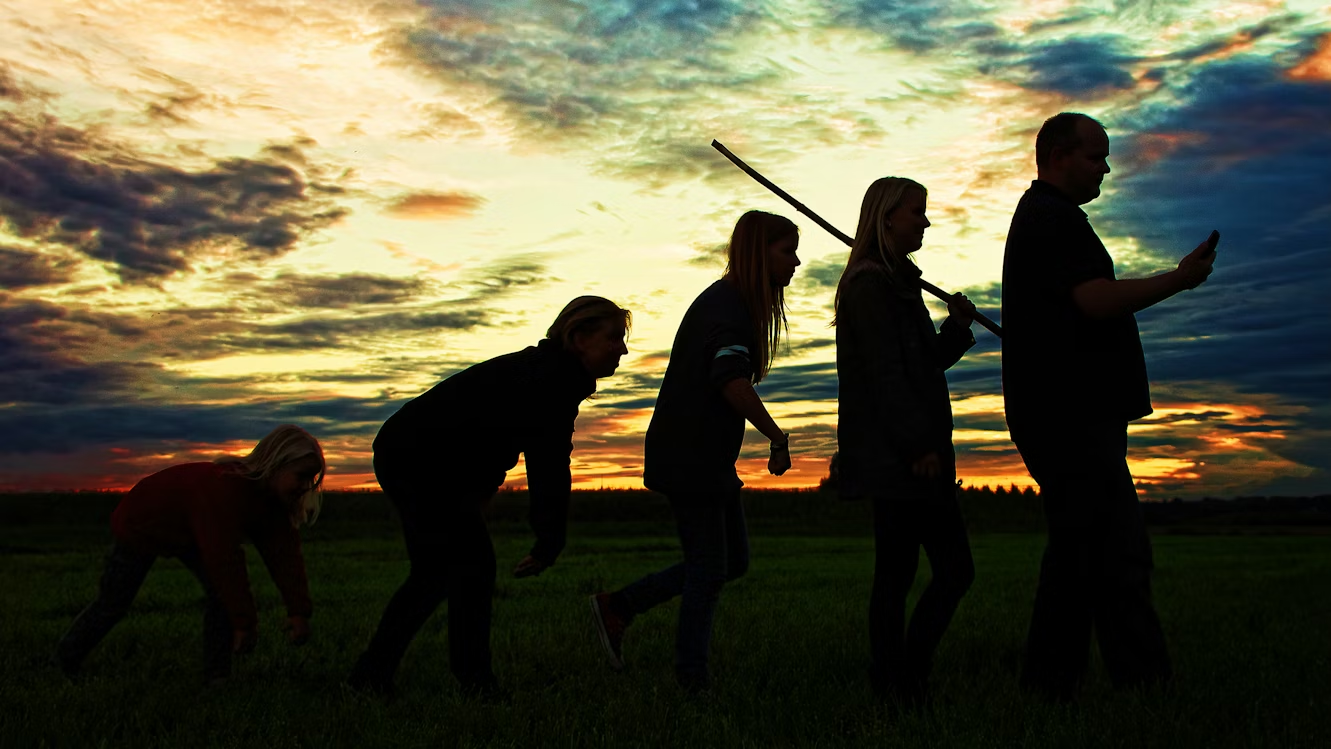
Instead, we now know that human evolution was a sprawling, bushy tree. We were once one of many hominin species walking the earth, sharing landscapes and occasionally genes, before eventually emerging as the sole surviving branch of our lineage.
Future Prospects: The Next Frontier If the past focused on bones and stone tools, the future of human evolution belongs to genetics and technology.
With the rise of ancient DNA analysis (paleogenetics), we can now "read" the biology of ancestors where no fossils remain. We are uncovering how our genes adapted to changing climates, diets, and pathogens over millennia.
However, the most provocative frontier is the shift from biological evolution to technological evolution. We are no longer waiting for natural selection to dictate our physical traits.
Through CRISPR gene editing, neural interfaces, and artificial intelligence, humanity is entering an era of "directed evolution." We are beginning to shape our own biology and cognitive potential.
As we look ahead, the questions remain: Are we still evolving naturally, or have we taken the wheel? The study of our past ensures we remain grounded, but our future promises a transformation unlike anything our ancestors could have envisioned.