6 Powerful Ways Hybrid Cloud Computing Improves IT Performance
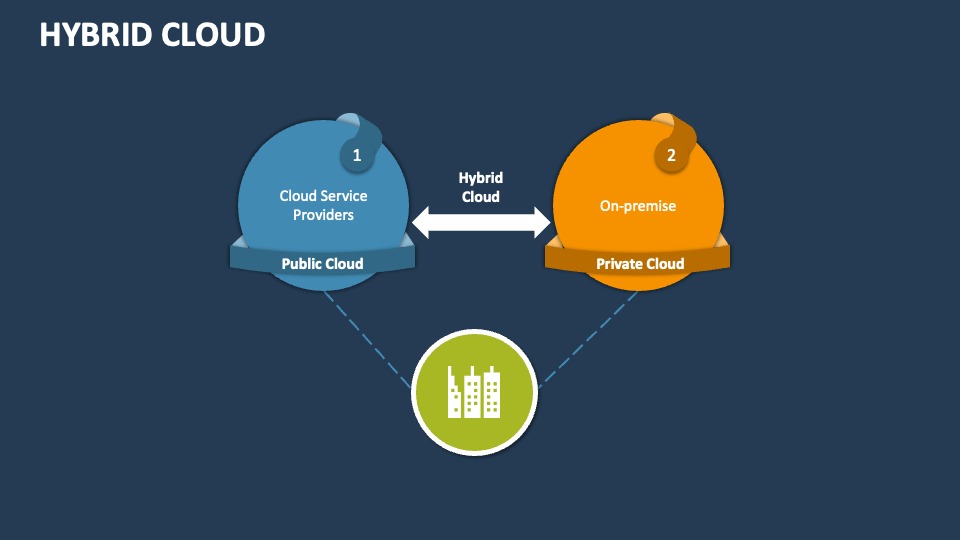
Businesses run on data and digital tools every day. Teams store files, run apps, and manage services online. Because of this need, companies look for faster and stronger IT systems. Hybrid cloud computing helps solve this challenge. It joins the private cloud and the public cloud into one smart system. This mix gives businesses more control and better speed.
A report from Flexera shows that more than 80 percent of enterprises now use hybrid-based cloud solutions.
This number keeps rising each year. The reason is simple. Companies want flexible systems that support fast work and safe data storage. Hybrid computing supports that goal. It boosts system speed and improves IT performance. It also helps teams manage workloads without stress.
This article helps you to understand six powerful ways hybrid-based clouds improve IT infrastructure.
1. Faster Data Access Improves System Speed
Hybrid-based cloud systems help teams reach data faster. Fast data access keeps work smooth and efficient. When systems move data quickly, teams finish tasks faster.
A hybrid cloud stores some data in private servers and stores other data in public cloud platforms. This setup allows teams to use the best place for each task. As a result, systems run faster, and users face fewer delays.
- Teams open files faster.
- Applications load quickly.
- System response improves during heavy work.
When IT systems move data fast, employees stay productive. Businesses also avoid downtime and delays.
Smart Workload Placement Boosts Efficiency
Hybrid-based cloud systems allow IT teams to place workloads in the right location. Some workloads need strong security. Others need high computing power. Hybrid systems support both needs.
2. Strong Scalability Keeps Systems Ready
Business demand changes every day. Some days, systems handle normal traffic. On other days, they face heavy demand. Hybrid-based cloud computing helps systems scale quickly.
When demand grows, public cloud resources support the extra load. This support protects private infrastructure from overload. As a result, systems stay fast and reliable.
Scalability improves IT performance in several ways.
- Systems handle traffic spikes easily.
- Apps run without slowdowns.
- Teams launch services faster.
Quick Resource Expansion Supports Growth
Businesses grow over time. Growth brings more users and more data. Hybrid-based cloud computing helps IT systems handle that growth smoothly. Public cloud services provide extra computing power. Teams activate these resources in minutes. This quick expansion prevents service interruptions.
3. Better Data Security Strengthens Trust
Security remains a major concern for every company. Hybrid cloud systems offer strong protection for sensitive data. Private cloud environments store critical business information. IT teams control access and security settings in this space. This control protects important workloads. Public cloud systems handle general applications and services. This separation reduces risk and keeps private data safe.
Hybrid security benefits include
- Better control over sensitive data.
- Strong protection for core systems.
- Safe collaboration across teams.
Smart Data Distribution Reduces Risk
Hybrid cloud systems distribute data across different environments. This distribution improves safety and reliability. IT teams also monitor activity across both environments. This monitoring improves threat detection and response. Strong protection supports stable IT performance.
4. Cost Efficiency Improves IT Operations
IT infrastructure can cost a lot of money. Businesses often spend large budgets on hardware and maintenance. Hybrid-based cloud computing helps reduce these costs. Companies keep essential workloads on private infrastructure. They run flexible workloads on public cloud platforms. This setup reduces the need for large hardware investments.
Cost efficiency improves IT performance in many ways.
- Companies reduce hardware spending.
- IT teams pay only for used resources.
- Businesses optimize system capacity.
Flexible Spending Helps IT Planning
The hybrid model of cloud computing supports flexible spending models. Businesses choose resources based on current needs. They avoid unnecessary expenses. Public cloud platforms charge based on usage. This model helps companies control their IT budgets. At the same time, private infrastructure handles stable workloads.
5. Better Reliability Keeps Systems Running
System reliability plays a major role in IT performance. Hybrid cloud systems improve reliability through redundancy and backup.
If one system faces issues, another environment supports operations. This backup keeps services active even during disruptions.
Reliable systems provide many benefits.
- Applications stay online.
- Users avoid service interruptions.
- Businesses protect important data.
Disaster Recovery Becomes Faster
Hybrid-based cloud environments support fast disaster recovery. Data remains available across multiple locations. This availability helps IT teams restore systems quickly.
Private cloud servers store key business data. Public cloud platforms hold backups and additional resources. When problems occur, teams switch workloads to the backup environment.
6. Flexibility Supports Modern IT Workflows
Modern IT environments need flexibility. Businesses use many tools, apps, and platforms. Hybrid-based cloud computing supports this complex environment. Teams run traditional applications in private systems. At the same time, they deploy modern cloud apps in public environments. This mix supports innovation and performance.
Hybrid cloud flexibility helps IT teams:
- Test new technologies quickly.
- Support remote work systems.
- Integrate modern applications.
Smooth Integration Improves Productivity
Hybrid cloud systems connect different platforms smoothly. IT teams integrate tools without major system changes. Developers deploy new apps across both environments. Operations teams manage resources from one unified system. This integration improves productivity. Employees also access digital tools easily. Fast access supports better collaboration and faster work.
Conclusion
Hybrid computing changes how businesses manage IT systems. It combines the strength of private infrastructure with the power of public cloud platforms. This combination creates a flexible and efficient environment.
Companies gain faster data access and better scalability. They also improve security and reduce infrastructure costs. Reliable systems keep services running while flexible resources support growth.
Modern organizations depend on strong IT performance. Hybrid cloud computing helps meet that need. It supports speed security and stability at the same time.