importance of Havan
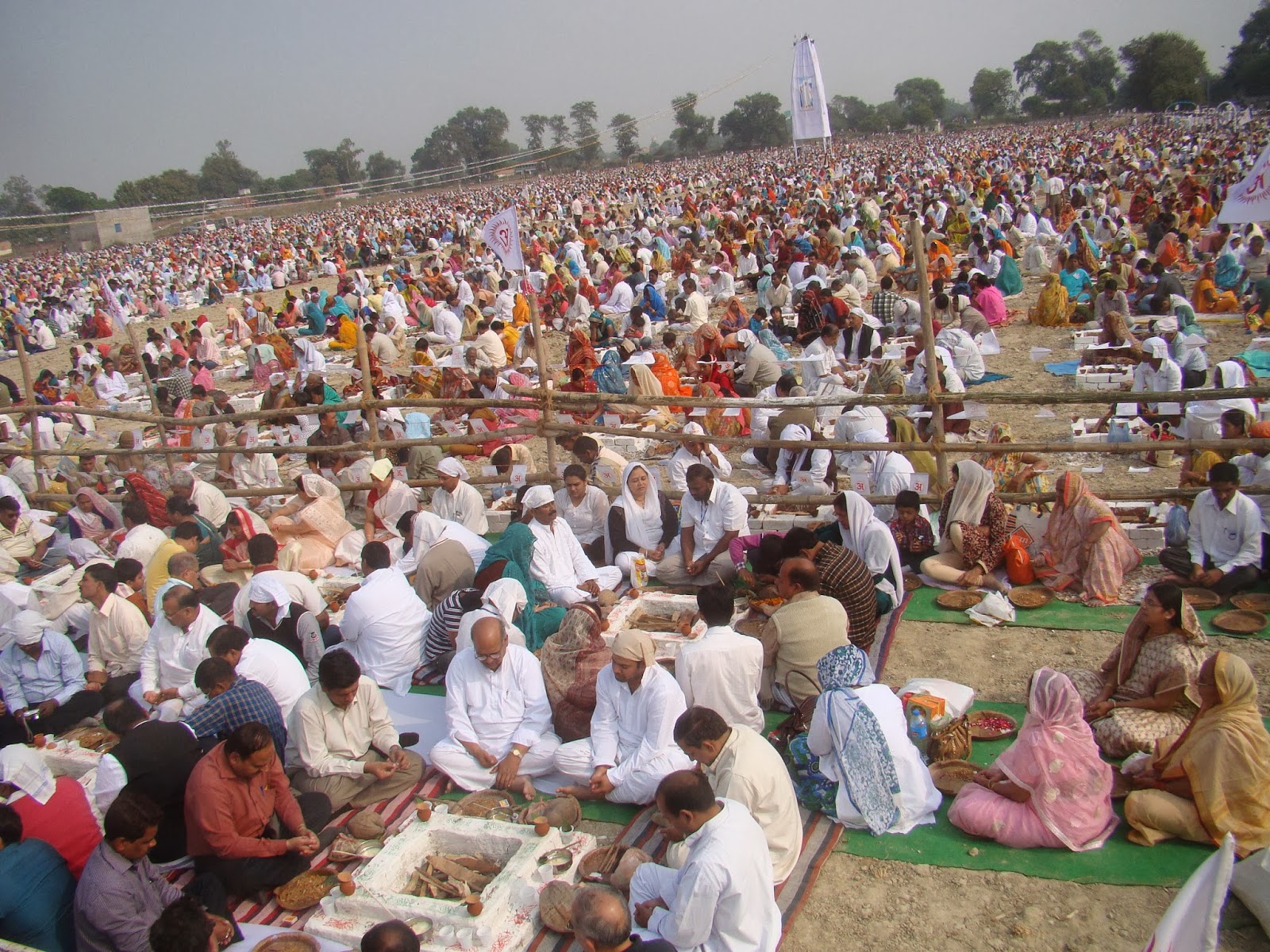
A scientist, Trayle of France, researched on Havan. In which they came to know that
Mango is done on wood. When the mangrove wood burns, a gas called formaldehyde is produced which kills dangerous bacteria and bacteria. And then it cleans the atmosphere.
Only after this research did scientists find this gas and how to make it.
This gas is produced even after burning jaggery.
(2) Tautik, a scientist who has found in his research on Havan found that if half an hour is saturated with havan, or if there is contact with the body of havan, then even dangerous diseases such as typhoid die and the body becomes pure is.
(3) Looking at the importance of Havan, the scientists of the National Botanical Research Institute of Lucknow also have a research on whether the air purifies itself and the bacteria are destroyed or not. He wrote texts. The havan content described in the gathering and burning of the material found that these viruses are destroyed. Then they also worked on various types of smoke and saw that only the manganese wood was not consumed by burning 1 kg, the virus in the air was not very low, but as soon as it was burnt by pouring half a kilo havan material on it, it was present within the room within an hour Bacterial levels decreased by 94%. Not only this He further tested the existing bacteria in the air of the chamber and found that 24 hours after the opening of the chamber's door and all the smoke was released, the level of bacteria was still 96 percent below normal. On repeated trials, it was known that the effect of this one-time smoke remained for one month and the virus level in the cell's air was much less then 30 days later.
This report has been published in the journal of the Journal of Ethnopharmacology 2007, also in December 2007. It was written in the report that Havan destroyed the bacteria, which not only damage the crops but also the vegetation crops. This can reduce the use of chemical fertilizers in crops.
What is the harmony of the havan (burning wood): -
As a Samidha, the mango tree is valid but other samples are also used for various purposes. The Sun has been called the Samadhi of the Sun, the moon of the Palash, the Mangal of the well, the mercury of the poisonous, the Jupiter of Pipal, the Venus of Gular, the Shani of Shami, Rahu Durva and the Kushu Kusha Samadhida have been said. Madar ki Samidha destroys the disease, proving all the work of the Palaash, working for the people of Peepal (saint), giving heaven to heaven, destroying Shami's sin, longevity of the durga and the beauty of Kusha Ispirant is proven to be.
Types of auspicious (sacrificial substances)
There are different types of atmospheres in the sky in each season. Filled with cold, heat, moisture, heavyness of air, lightness, dust, smoke, ice etc. The order of origin, growth and termination of various types of insects continues. So many times the airways are healthier. Many times it becomes unhealthy. In order to remove such maladies and create favorable environment, such drugs are used in havan, which can fulfill this purpose well.
Home Made -
Home-matter or havan material is a potable substance which is inserted with the mantras in the fire of Yagna (havan / home).
(1) Aromatic: Saffron, If, Tagar, Chandan, Cardamom, Nutmeg, Javitri Chhilila Kapoor Kachri Balchh Doodi etc.
(2) Refrigerant: Coarsely, gulagul, dried fruit, barley, sesame, rice honey coconut etc.
(3) Dessert - Sugar, Chhatra, Vines etc.
(4) Disease-Drugs-Gilloy, Nutmeg, Somvalli Brahmi Tulsi If Tagar Til Indra Jaw Amla Malharangani Hariat Tejakar Prahaanu Kesar White Chandan Jatamansi etc.
The above four types of objects should be used in Havan. Cloud-carpets produce more food-grains than the havan of food. Ideas are pure from aromatic substances, the dessert substances reinforce the health and provide health to the body, so all kinds of substances should be given equal importance. If other things are not available, then work can be done either from what they get or only sesame, barley and rice.
General Havan Material -
Sesame, barley, white sandalwood, jaggul, nutmeg, cinnamon, coconut, paneer, clove, big cardamom, shell, chillar coconut motha, Indra barley, camphor garbage, avocado, giloy, nutmeg, Brahmi.