Is A 3.5 m³ Self Loading Mixer Suitable For Concrete Slab Construction?
Concrete slab construction requires stable concrete supply, accurate mixing, and efficient project management. Whether building residential floors, commercial buildings, warehouses, or rural infrastructure, contractors need equipment that can provide reliable concrete production without unnecessary delays.
However, many construction companies face challenges when choosing the right concrete solution. Ready-mix concrete delivery may not always be available near remote projects. Traditional concrete production systems may require multiple machines, more workers, and additional setup time.
This is why many contractors consider a self loading concrete mixer for slab construction. A 3.5 m³ model offers a balance between mobility, production capacity, and operating flexibility. But the key question remains: Is a 3.5 m³ self loading mixer suitable for your concrete slab project?
The answer depends on your concrete demand, project size, working conditions, and construction schedule. This guide explains how contractors can evaluate whether this capacity matches their slab construction requirements.
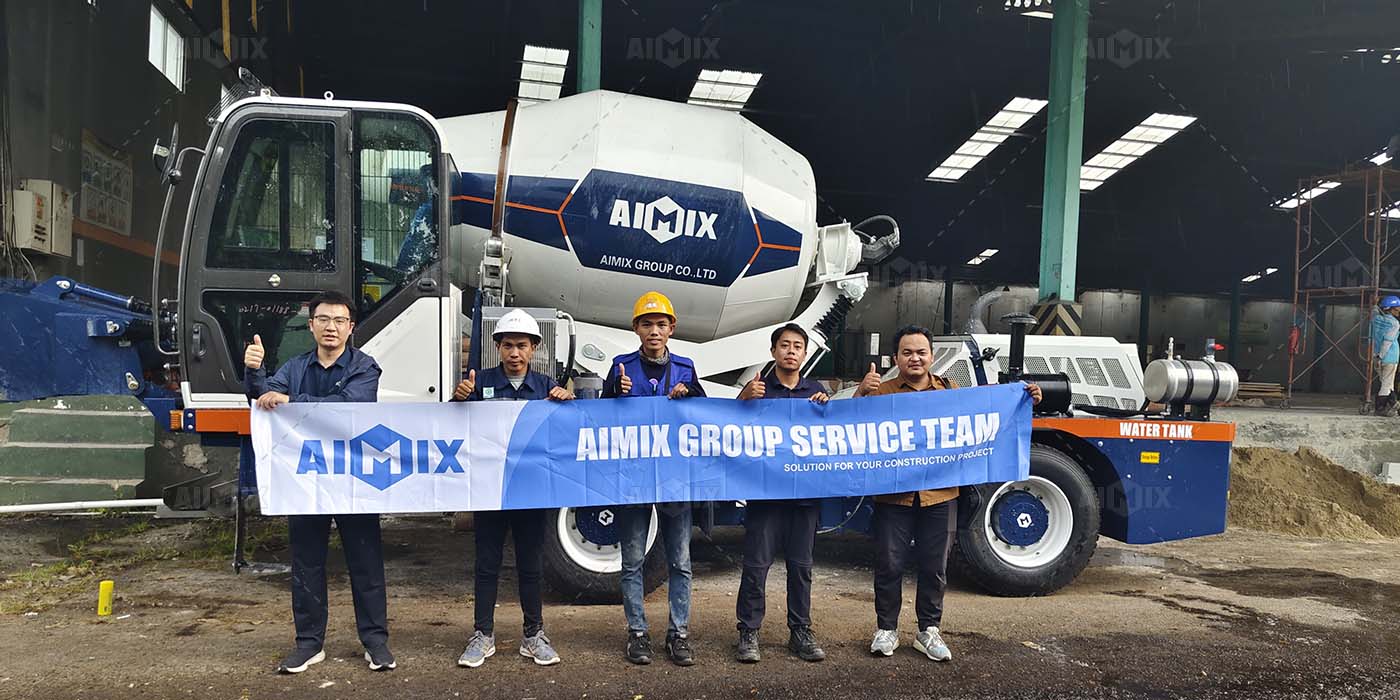
Understanding The Production Capacity Of A 3.5 m³ Self Loading Mixer
Before selecting concrete equipment, contractors should understand the actual production capacity. A machine's batch size directly affects hourly output and daily concrete availability.
A 3.5 m³ self loading mixer produces 3.5 cubic meters of concrete per batch. Under normal working conditions, one machine can complete around four mixing cycles per hour.
Therefore, the production calculation is:
3.5 m³ per batch × 4 batches per hour = 14 m³ per hour
This means a 3.5 m³ self loading mixer can produce approximately 14 m³ of concrete per hour. The actual output depends on loading speed, material supply, transportation distance, discharge time, and operator experience.
For contractors who need a compact and flexible concrete production solution, a self loading concrete mixer machine can combine loading, weighing, mixing, transporting, and discharging functions in one unit.
Compared with traditional concrete production methods, this integrated design helps reduce equipment coordination problems. As a result, contractors can produce concrete closer to the slab construction area.
Why Can A 3.5 m³ Mixer Work Well For Concrete Slab Construction?
Production capacity is important. However, slab construction efficiency depends on more than output numbers. Contractors also need to consider site conditions, labor requirements, and concrete delivery methods.
On-Site Concrete Production Reduces Delivery Dependence
Many slab projects are located away from commercial concrete plants. Long transportation distances can create scheduling problems. Traffic conditions, road quality, and weather may affect concrete delivery time.
A self loading mixer solves this challenge by producing fresh concrete directly at the construction site. Contractors can prepare concrete according to the actual pouring schedule.
This advantage is especially valuable for remote projects. Examples include rural housing developments, mining facilities, island construction, and infrastructure projects in areas with limited ready-mix suppliers.
One Machine Handles Multiple Construction Tasks
Traditional concrete production may require separate equipment for loading, batching, mixing, and transportation. Each machine increases investment costs and requires additional operators.
A self loading mixer integrates several functions into one machine. The operator can load aggregates, measure materials, mix concrete, transport the mixture, and discharge it at the required location.
Therefore, contractors can simplify site management. This is useful for small and medium construction projects where space and labor resources are limited.
Flexible Movement Between Different Slab Areas
Large construction sites often contain multiple working zones. Concrete may need to be delivered to different slab sections during different construction stages.
A mobile self loading mixer can travel around the site and produce concrete closer to the pouring area. Consequently, contractors can reduce internal transportation time.
This flexibility improves workflow efficiency, especially when projects have changing layouts or difficult access conditions.
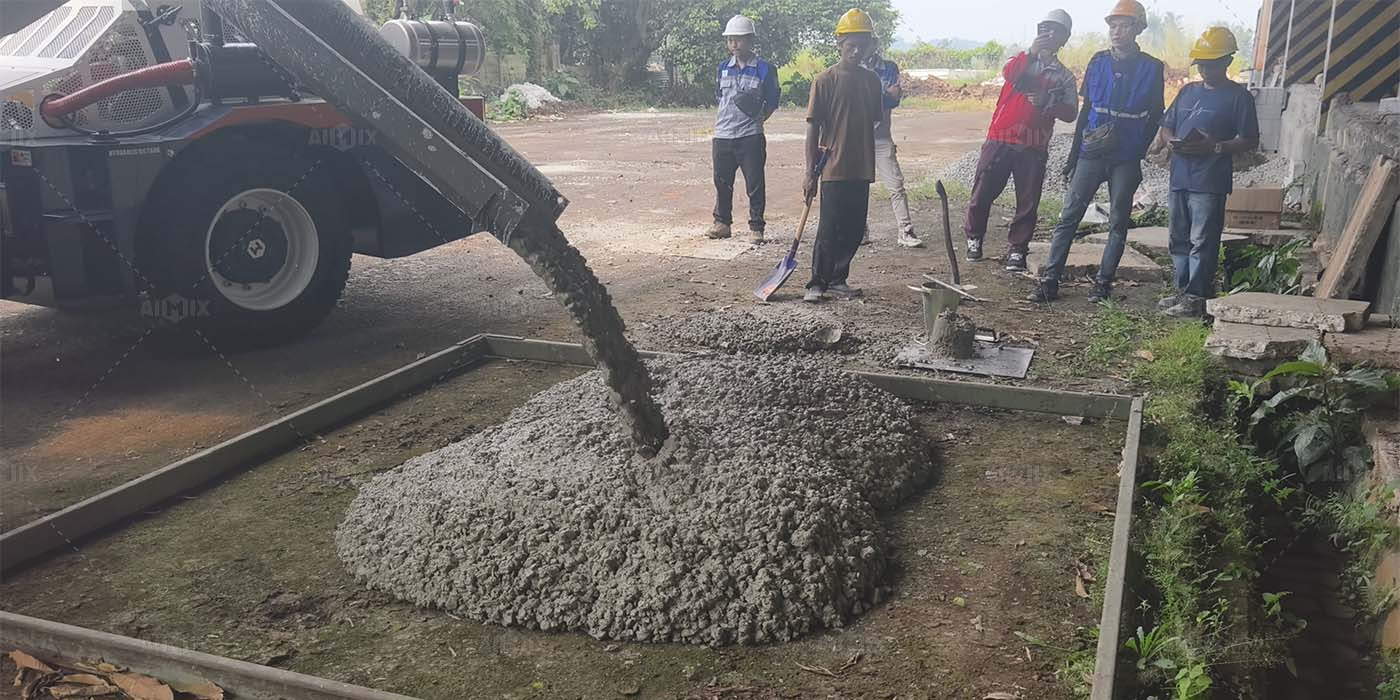
What Types Of Concrete Slab Projects Can Use A 3.5 m³ Mixer?
After understanding the production capacity, contractors should compare the machine with their actual project requirements.
A 3.5 m³ self loading mixer is commonly suitable for small and medium-scale slab construction. However, the final decision depends on daily concrete demand and pouring speed.
Residential Floor Slab Construction
Residential projects are one of the common applications for a 3.5 m³ mixer. These projects usually include house foundations, floor slabs, driveways, and small building extensions.
For example, if a residential slab requires 35 m³ of concrete, the mixer needs about 10 batches to complete the production.
With approximately 14 m³/h output, the theoretical production time is less than three hours. However, contractors should also consider reinforcement preparation, concrete placement, leveling, and finishing operations.
Small Commercial Buildings
Small commercial construction projects can also benefit from this capacity. Examples include workshops, stores, offices, and low-rise buildings.
These projects often need flexible concrete supply rather than extremely high production volume. Therefore, a mobile mixer can provide a practical solution.
Instead of waiting for external concrete suppliers, contractors can control production directly according to construction progress.
Remote Construction Projects
Remote construction sites often face challenges with transportation and material supply. A concrete mixer that can operate independently becomes more valuable in these environments.
For example, projects in Kalimantan, Papua, rural Indonesia, and other remote areas may have limited access to ready-mix concrete services.
In these cases, a 3.5 m³ self loading mixer provides mobility and production flexibility. Contractors can move the machine to different locations and produce concrete whenever required.
How To Calculate If 3.5 m³ Capacity Matches Your Slab Demand?
Choosing equipment should start with concrete volume calculation. Contractors should estimate the total concrete requirement before selecting the mixer model.
Calculate The Required Concrete Volume
The basic formula for slab concrete volume is:
Concrete Volume = Length × Width × Thickness
For example:
A slab with 25 m length, 12 m width, and 0.15 m thickness requires:
25 × 12 × 0.15 = 45 m³ concrete
A 3.5 m³ mixer needs approximately 13 batches to produce this amount of concrete.
However, contractors should include additional factors such as material preparation, equipment movement, and concrete placement speed.
What Factors Should Contractors Consider Before Choosing A 3.5 m³ Mixer?
Although production capacity is important, contractors should evaluate more factors before purchasing equipment. A suitable mixer should match the complete construction process, not only the concrete volume.
Evaluate The Daily Concrete Requirement
The first step is understanding how much concrete the project needs every day. A 3.5 m³ mixer can provide around 14 m³/h output under suitable working conditions. Therefore, contractors should compare this production rate with the actual slab pouring schedule.
For example, a small building slab may require 50 m³ of concrete. A 3.5 m³ mixer can theoretically complete this volume within several working hours. However, contractors should also consider preparation time, reinforcement installation, formwork conditions, and finishing work.
A realistic production plan helps avoid choosing equipment that is either too small or unnecessarily expensive.
Consider Site Accessibility
Concrete slab construction does not always happen on flat and open sites. Some projects are located in rural areas, mountainous regions, or developing construction zones where transportation conditions are difficult.
In these situations, mobility becomes an important advantage. A self loading mixer can travel directly to different working areas and produce concrete closer to the pouring location.
This reduces dependence on external concrete transportation. Moreover, it allows contractors to adjust production according to site progress.
Check Labor And Equipment Requirements
Labor availability is another important factor. Traditional concrete production may require several workers to operate loaders, mixers, and transportation equipment.
A self loading concrete mixer reduces the number of separate machines required. One operator can control loading, mixing, transportation, and discharge operations.
As a result, contractors can simplify site management and reduce coordination between different equipment operators.
When Is A Larger Self Loading Mixer A Better Choice?
A 3.5 m³ mixer is suitable for many slab construction projects. However, some large-scale projects may require higher production capacity.
Large Warehouse Floor Construction
Large warehouse slabs often require continuous concrete supply. If the pouring area is large and the construction schedule is tight, a single 3.5 m³ mixer may not provide enough output.
For these projects, contractors may consider larger models or multiple mixers working together.
Industrial Factory Slabs
Industrial projects usually have higher concrete consumption. Factory floors, logistics centers, and industrial facilities may require hundreds of cubic meters of concrete.
Therefore, contractors should calculate the total volume and daily production target before selecting equipment.
The goal is not simply to choose the biggest machine. Instead, the equipment should create a balanced workflow between concrete production, transportation, and placement.
Continuous Concrete Pouring Projects
Some slab projects require uninterrupted pouring. Once concrete placement begins, stopping the process can affect slab quality.
Therefore, contractors should evaluate whether the mixer output matches the speed of concrete workers, pumps, and finishing teams.
A well-designed construction process can improve efficiency more than simply increasing equipment size.
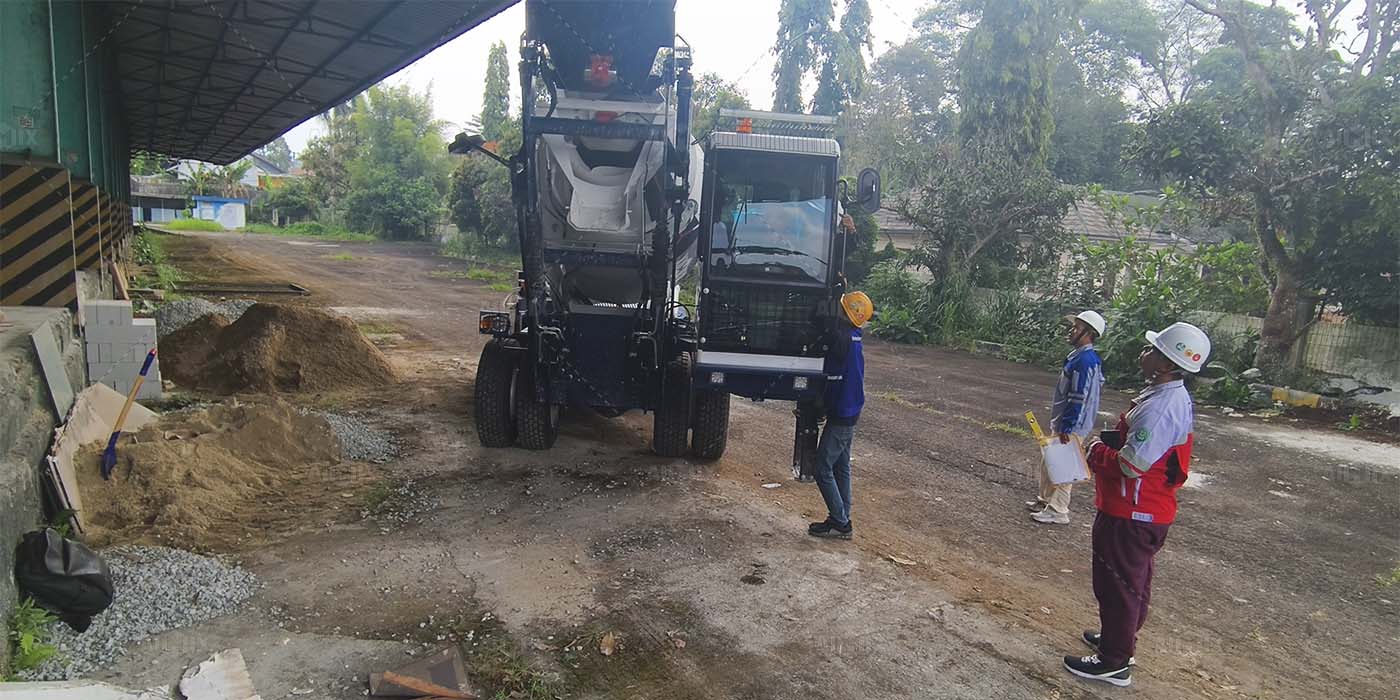
How Does A 3.5 m³ Self Loading Mixer Improve Construction Efficiency?
Beyond production capacity, contractors choose self loading mixers because they improve overall project flexibility.
Reduce Equipment Transportation Costs
Traditional concrete production often requires transporting concrete from a batching plant to the construction site.
For remote projects, transportation costs can become significant. Long distances may increase fuel consumption and delivery risks.
A mobile self loading mixer produces concrete directly where it is needed. Therefore, contractors can reduce unnecessary transportation activities.
Improve Concrete Freshness
Concrete quality depends on proper mixing and timely placement. Long transportation times may affect concrete workability.
By producing concrete near the slab area, contractors can better control the time between mixing and pouring.
This advantage is especially useful for projects that require consistent concrete performance.
Support Multiple Construction Applications
A 3.5 m³ mixer is not limited to slab construction. It can also support foundations, roads, small bridges, drainage projects, and other concrete works.
Because of its mobility, one machine can serve different construction stages. This improves equipment utilization and long-term investment value.
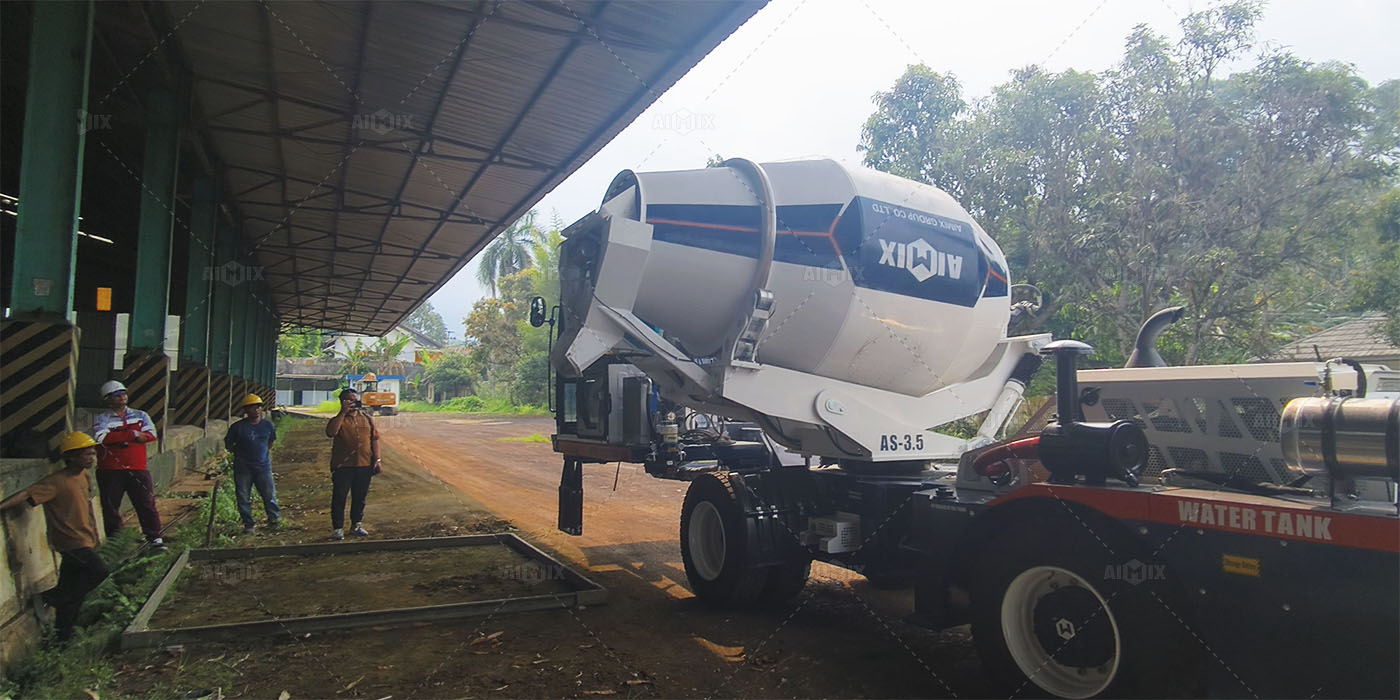
How Much Does A 3.5 m³ Self Loading Mixer Cost?
Equipment price is another important consideration for contractors. However, the purchase decision should focus on long-term value rather than only the initial investment.
The final price depends on configuration, shipping destination, technical requirements, spare parts package, and service support.
For contractors comparing different options, checking the harga self loading concrete mixer can help understand the investment range and select a suitable solution based on project needs.
In addition to the purchase price, contractors should evaluate operating costs, including fuel consumption, maintenance, labor requirements, and expected working hours.
Why Is The 3.5 m³ Model Popular Among Contractors?
The 3.5 m³ capacity has become a common choice because it provides a practical balance between size and performance.
Suitable Capacity For Medium Construction Work
Small mixers may not provide enough output for growing projects. Large mixers may increase investment and require more operating space.
A 3.5 m³ mixer offers a middle solution. It provides enough concrete production for many residential, commercial, and infrastructure projects while maintaining mobility.
Good Balance Between Mobility And Output
Construction sites often change during project development. Contractors need equipment that can move easily while still producing sufficient concrete.
The 3.5 m³ model meets this requirement. It can access different areas while maintaining practical production efficiency.
Suitable For Various Global Construction Conditions
Different countries and regions have different construction challenges. Some areas have limited ready-mix supply, while others have difficult transportation conditions.
A mobile self loading mixer provides a flexible concrete solution for these situations.
For contractors looking for a proven capacity option, the 3.5 m³ best selling Self Loading Concrete Mixer is designed for projects that require reliable on-site concrete production.
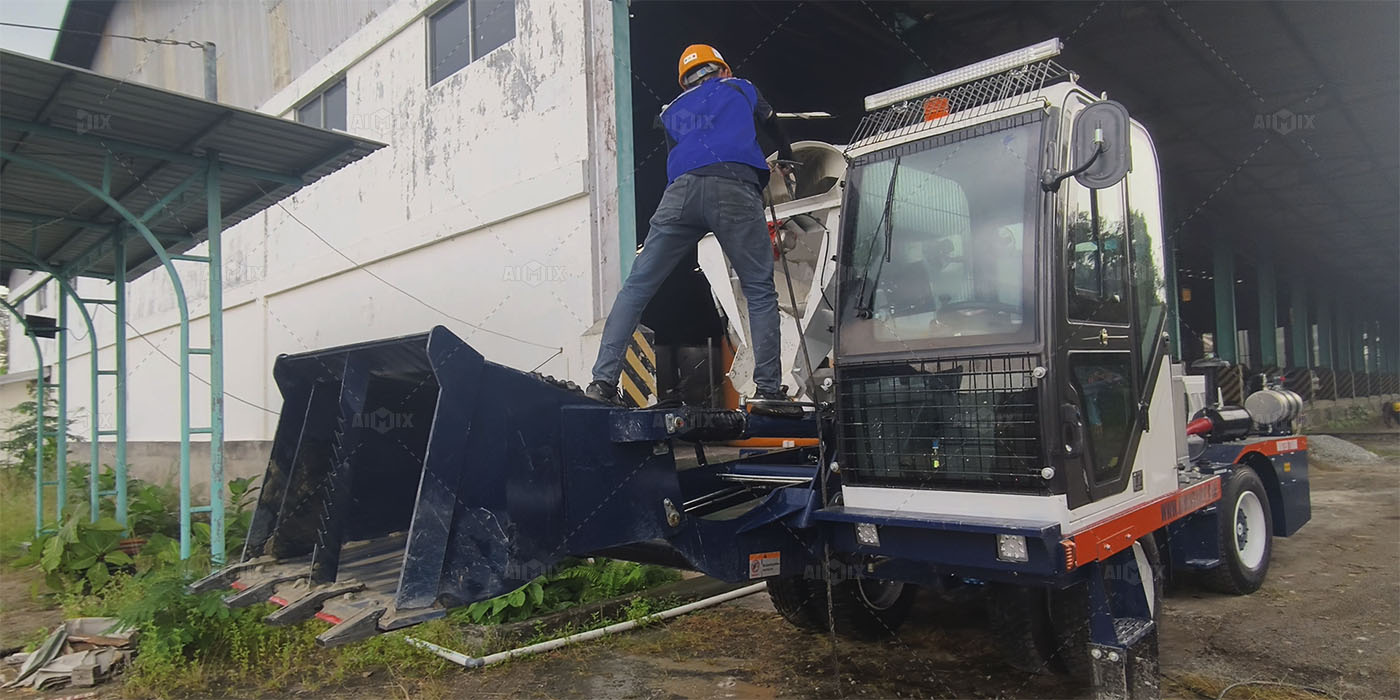
Is A 3.5 m³ Self Loading Mixer The Right Choice For Your Slab Project?
A 3.5 m³ self loading mixer can be a suitable solution for many concrete slab construction projects. It provides approximately 14 m³/h production capacity based on 3.5 m³ per batch and four working cycles per hour.
For residential buildings, small commercial projects, remote construction sites, and flexible concrete supply requirements, this capacity offers strong advantages.
However, contractors should always evaluate their own project conditions. Concrete demand, site access, labor availability, and pouring speed all influence the final equipment choice.
The right machine is not always the largest one. It is the equipment that matches your construction plan and improves your project efficiency.
Choose A Reliable Concrete Solution For Your Next Slab Project
Successful slab construction requires more than quality materials. It requires reliable equipment that supports your schedule, budget, and working conditions.
A 3.5 m³ self loading mixer provides a flexible way to produce concrete directly on site. It helps contractors reduce transportation challenges, simplify operations, and improve construction control.
If you are planning a concrete slab project, share your slab dimensions, required concrete volume, project location, and working conditions with our team. We can help you evaluate whether a 3.5 m³ self loading mixer is the right solution for your construction needs.