Is Investing in a 90 m³/h Batching Plant Profitable in Indonesia?
Indonesia’s construction industry continues to grow with increasing demand for roads, residential buildings, industrial areas, ports, bridges, and infrastructure projects. For contractors, one important question always comes before purchasing equipment: Is investing in a 90 m³/h concrete batching plant profitable in Indonesia?
A concrete batching plant is not only a production machine. It is a long-term investment that can influence project efficiency, concrete quality, operating costs, and business expansion. Therefore, contractors need to evaluate production capacity, local project demand, transportation costs, and future growth opportunities before making a decision.
A 90 m³/h concrete batching plant equipment is becoming a popular choice for medium and large construction companies in Indonesia. It offers a balance between production capacity and investment cost. However, profitability depends on how well the equipment matches your project requirements and business strategy.
Why Is a 90 m³/h Batching Plant Suitable for Indonesian Construction Projects?
Before analyzing profitability, it is important to understand why many Indonesian contractors consider a 90 m³/h concrete batching plant. The reason is simple: it can support continuous concrete supply for growing construction demands while avoiding unnecessary investment in oversized equipment.
Meeting the Concrete Demand of Medium and Large Projects
A 90 m³/h batching plant can produce around 720 m³ of concrete in an 8-hour working day under normal operating conditions. This production level is suitable for many projects in Indonesia, including apartment buildings, industrial parks, bridges, highways, ports, and large commercial developments.
For example, a highway construction project may require thousands of cubic meters of concrete within a short construction period. A small batching plant may struggle to maintain the schedule. However, a 90 m³/h plant can provide stable concrete output and reduce delays caused by external concrete suppliers.
Moreover, Indonesia has many construction areas located far from ready-mix suppliers. In regions such as Kalimantan, Sulawesi, Papua, and remote islands, building an on-site concrete production system can reduce transportation challenges and improve project control.
How Can a 90 m³/h Batching Plant Improve Project Profitability?
After understanding the market demand, the next consideration is how the equipment creates financial value. A profitable investment does not only come from selling more concrete. It also comes from reducing project costs and improving operational efficiency.
1. Reduce Ready-Mix Concrete Transportation Costs
In many Indonesian projects, transportation costs can become a major expense. Ready-mix trucks must travel long distances from concrete plants to construction sites. This situation becomes more challenging on islands with difficult road conditions or limited suppliers.
With a 90 m³/h batching plant installed near the project site, contractors can produce concrete directly where they need it. As a result, they can reduce delivery fees, waiting time, and risks caused by concrete supply interruptions.
2. Control Concrete Quality More Effectively
Concrete quality directly affects project safety and long-term performance. When contractors depend completely on external suppliers, they have less control over raw materials, production schedules, and concrete consistency.
A self-owned batching plant allows contractors to manage cement, aggregates, water, and admixture proportions based on project requirements. Therefore, companies can maintain more stable concrete quality and reduce potential rework costs.
3. Support Multiple Construction Projects
Another advantage of a 90 m³/h pabrik beton readymix is flexibility. Contractors do not always need to use it for only one project. After completing one construction project, they can move the plant to another site or use it for commercial concrete production.
Therefore, the equipment can become a long-term business asset instead of a single-project expense. This approach is especially valuable for contractors who plan to expand their construction operations in Indonesia.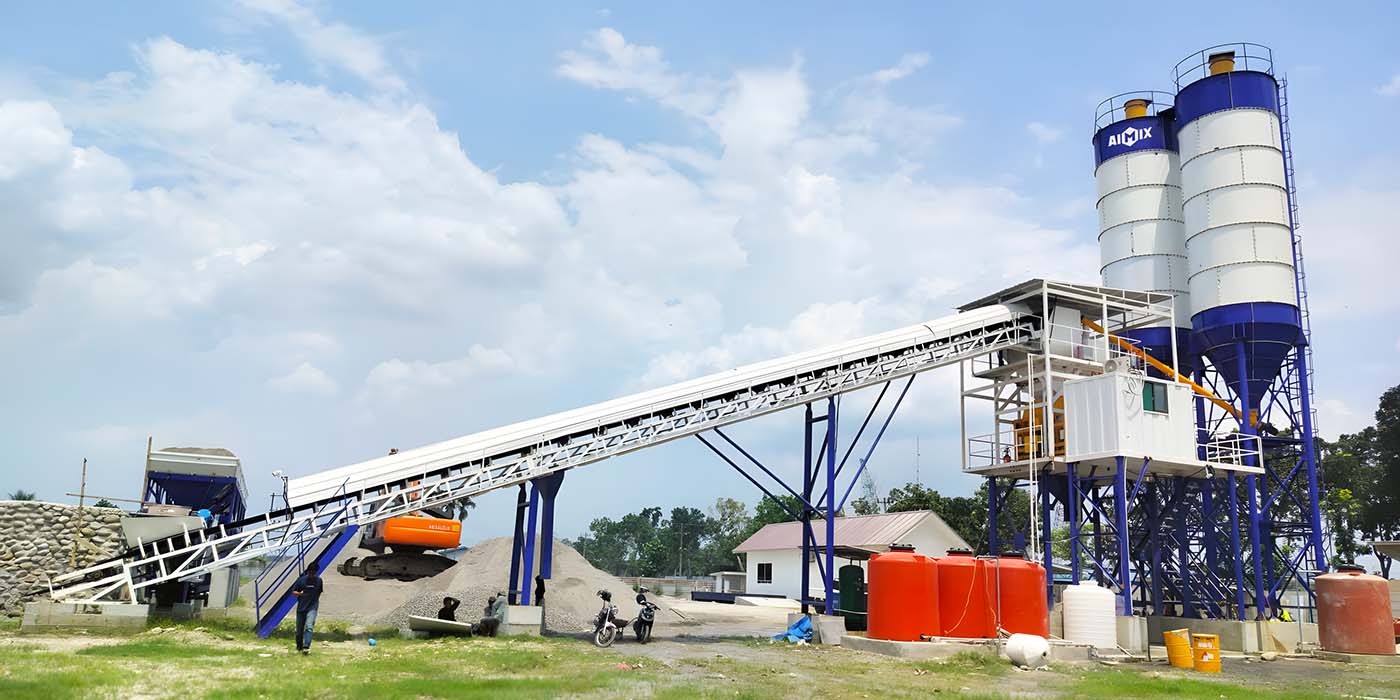
What Factors Decide the Return on Investment of a 90 m³/h Batching Plant?
Although a 90 m³/h batching plant has strong market potential, profitability still depends on several practical factors. Contractors should evaluate these points carefully before investment.
Project Location and Local Concrete Demand
Location plays an important role in determining investment returns. Areas with active infrastructure development usually provide better opportunities because concrete demand remains stable.
For example, projects around Java may focus on urban construction, industrial estates, and commercial buildings. Meanwhile, regions like Kalimantan and Sulawesi may have stronger demand from mining infrastructure, roads, ports, and energy projects.
Operating Costs and Raw Material Availability
The cost of cement, aggregates, fuel, electricity, labor, and maintenance will directly influence profit margins. Therefore, contractors should choose locations where raw materials are easy to access.
In addition, selecting an energy-efficient batching plant can help reduce long-term operating expenses. A reliable control system, accurate weighing system, and stable components can improve production efficiency and minimize material waste.
Choosing the Right Equipment Configuration
Not every 90 m³/h batching plant has the same performance. Contractors should consider whether they need a stationary batching plant or a mobile batching plant according to project conditions.
For long-term projects in fixed locations, a stationary batching plant usually provides higher stability and easier management. However, for contractors working on multiple projects in different regions, a mobile solution may offer better flexibility.
Is a 90 m³/h Batching Plant a Good Investment for Indonesian Contractors?
From a construction business perspective, a 90 m³/h batching plant can be a profitable investment when matched with the right project conditions. It provides enough production capacity for many medium and large projects while keeping the investment level more manageable compared with higher-capacity plants.
Furthermore, Indonesia’s infrastructure development creates continuous demand for reliable concrete production solutions. Contractors who invest in their own batching facilities can gain better control over schedules, quality, and project costs.
However, successful investment requires proper planning. Companies should analyze expected concrete demand, project duration, transportation conditions, and future business opportunities before purchasing.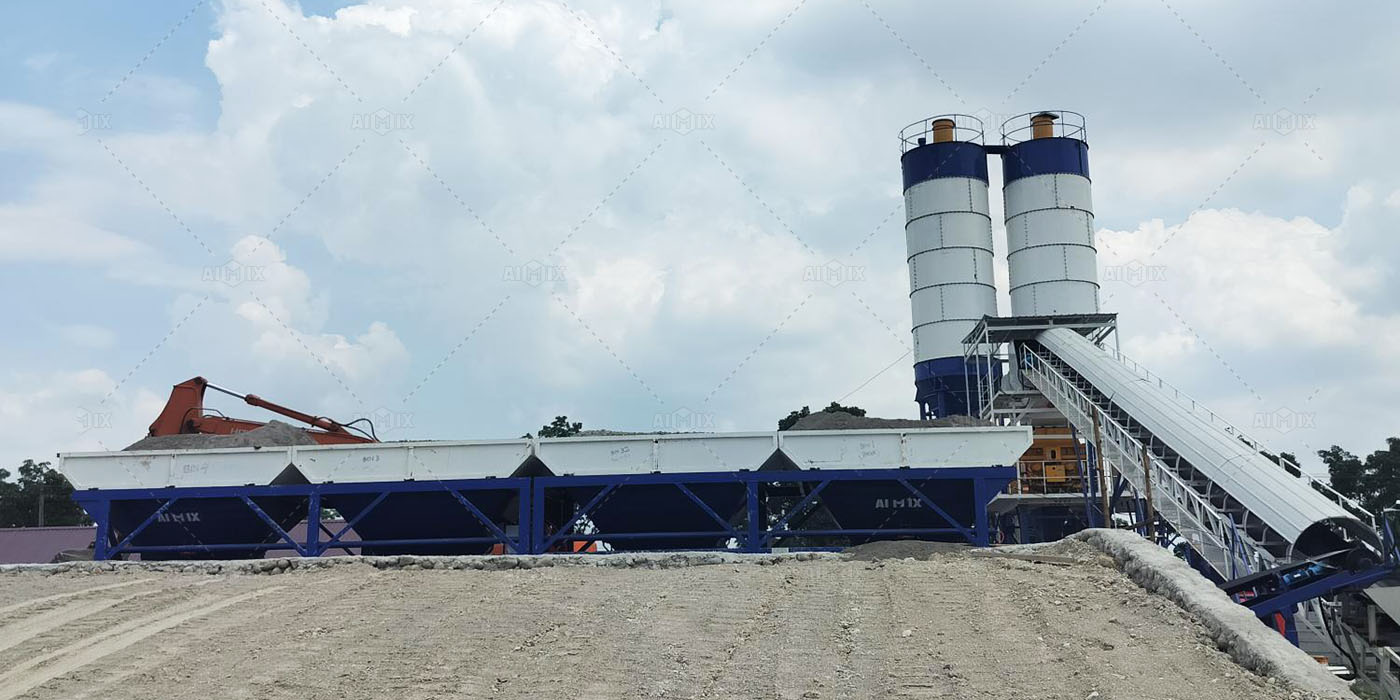
Choose a 90 m³/h Batching Plant Solution for Your Future Projects
A 90 m³/h batching plant is more than a concrete production machine. It is a strategic tool that helps Indonesian contractors improve efficiency, reduce costs, and build stronger competitiveness in the construction market.
If your company is planning infrastructure, building, industrial, or remote construction projects in Indonesia, choosing the right batching plant configuration can make a significant difference in project profitability. Contact a concrete batching plant supplier today to discuss your project requirements and find a suitable 90 m³/h concrete batching solution for your business growth.