Tech-Driven Resilience: How Innovation is Revolutionizing Disaster Management
When disaster strikes, every second counts. Whether it is a natural catastrophe like a hurricane or an earthquake, the speed and accuracy of the response determine the survival of countless lives. In recent years, technology has evolved from a luxury to a critical lifeline, fundamentally changing how we prepare for, respond to, and recover from emergencies.
Real-Time Situational Awareness The cornerstone of modern disaster management is data. Through satellite imagery, IoT sensors, and AI-powered predictive modeling, authorities can now forecast disasters with unprecedented precision.
Instead of reacting to a storm after it makes landfall, agencies use predictive algorithms to map evacuation routes and identify high-risk populations days in advance.
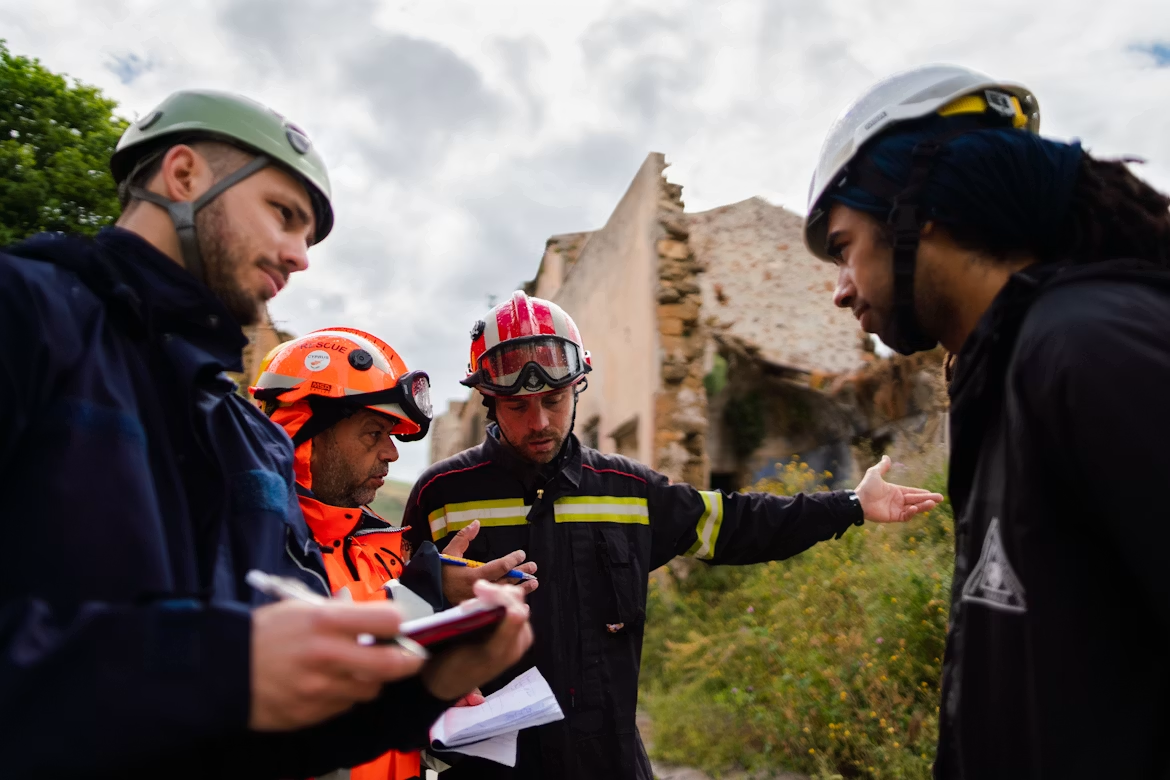
Tools like Google’s Flood Hub and real-time seismic monitoring allow governments to issue early warnings directly to citizens' smartphones, significantly reducing the "last mile" communication gap.
Drones and Robotics: Into the Danger Zone Perhaps the most transformative innovation is the use of unmanned aerial vehicles (UAVs) and robotics. When infrastructure is destroyed, human rescuers often face life-threatening conditions.
Drones fitted with thermal imaging cameras can scan vast, inaccessible terrain to locate survivors trapped under debris, while underwater drones assess structural damage to bridges and ports. By deploying machines instead of people into high-risk zones, we minimize responder casualties while maximizing search efficiency.
Connectivity in Chaos Communication networks are often the first casualty of a disaster. To combat this, mesh networks and portable satellite systems—such as Starlink—have become essential. They restore rapid connectivity to remote regions, allowing localized medical teams to relay data to hospitals and coordinating relief supplies effectively.
The Path Forward Technology is not a replacement for human intervention, but it is an indispensable force multiplier. By integrating AI, robotics, and robust data analytics, we are moving from a culture of reactive emergency management to one of proactive, data-informed resilience. The future of disaster response is digital, and it is saving lives.