Net Neutrality: The Ongoing Battle for an Open Internet
In the early days of the internet, the concept of "Net Neutrality" was simple: all data should be treated equally. Whether you are streaming a blockbuster movie or sending an urgent work email, your internet service provider (ISP) should not be able to speed up, slow down, or block specific content. However, as the digital landscape evolves, so does the controversy surrounding this fundamental principle.
At its core, Net Neutrality is about preserving the internet as a level playing field. Proponents argue that without these regulations, ISPs could prioritize "fast lanes" for companies that pay extra, effectively silencing smaller creators, startups, and non-profits who can’t afford the premium.
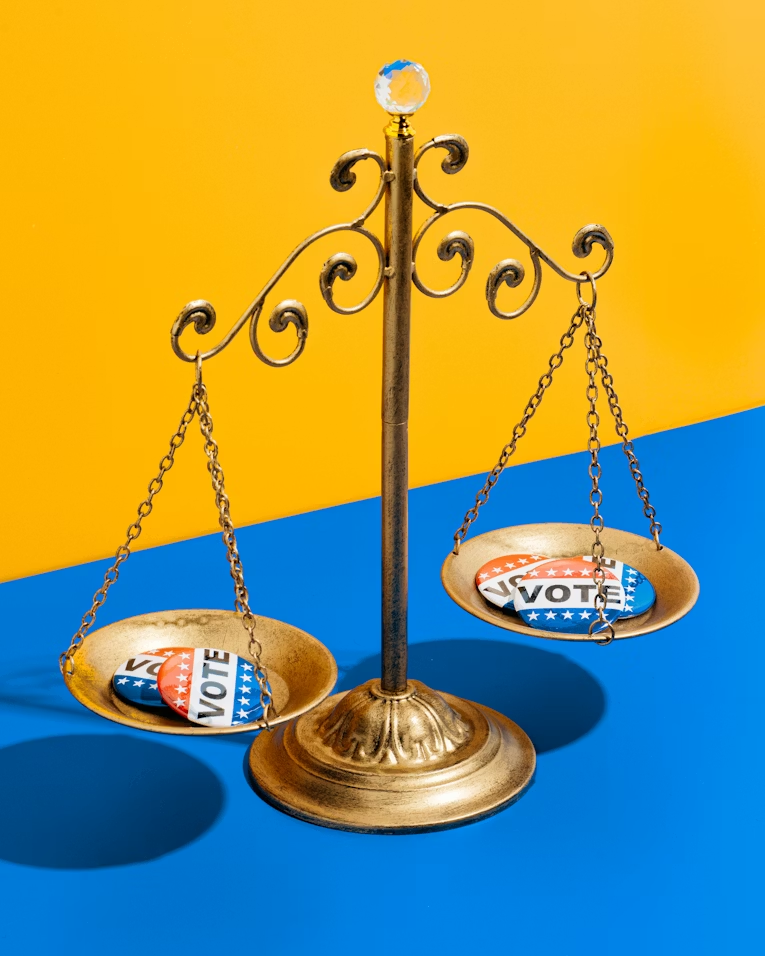
In this scenario, the internet ceases to be a public utility and becomes a tiered system where the wealthiest corporations dictate what we see, hear, and buy.
On the other side of the debate, opponents—largely major telecommunications providers—argue that strict regulations stifle innovation. They contend that the high costs of building and maintaining broadband infrastructure require the ability to manage network traffic flexibly. They claim that without the potential for new revenue streams, the incentive to invest in faster, more reliable connections for everyone diminishes.
The political pendulum has swung back and forth for years, with the FCC’s stance shifting with every new administration. This regulatory "whiplash" creates uncertainty for businesses and consumers alike. As our reliance on the internet grows—spanning from telehealth and remote education to global commerce—the stakes have never been higher.
Is the internet a basic right that requires government oversight, or is it a private marketplace that thrives on deregulation? While the arguments remain deadlocked, one thing is certain: the outcome of the Net Neutrality debate will define the future of digital freedom. As citizens of this virtual world, staying informed is the best way to ensure our voices are heard in the halls of power.