The Iran War 2026: Latest Updates and Global Impact
Introduction
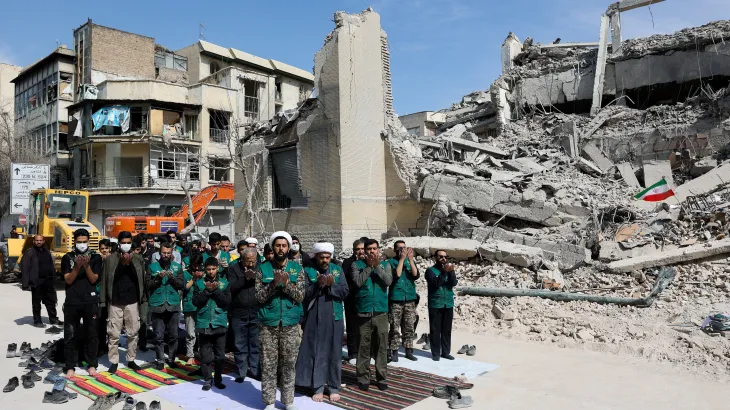
The Middle East is currently experiencing one of the most serious conflicts in recent years. In late February 2026, a major war began after coordinated military strikes by the United States and Israel against Iran. The conflict has quickly expanded across the region and is now affecting global politics, energy markets, and international security.
How the War Started
The war officially began on 28 February 2026, when the United States and Israel launched large-scale attacks on Iranian military facilities, nuclear sites, and key leadership targets. The operation was intended to weaken Iran’s military capabilities and limit its nuclear program. �
Wikipedia
During the initial strikes, several high-ranking Iranian officials were targeted, including Iran’s Supreme Leader Ali Khamenei, who was killed in an airstrike in Tehran. �
Wikipedia
This assassination dramatically escalated tensions and triggered a full-scale regional conflict.
Iran’s Response
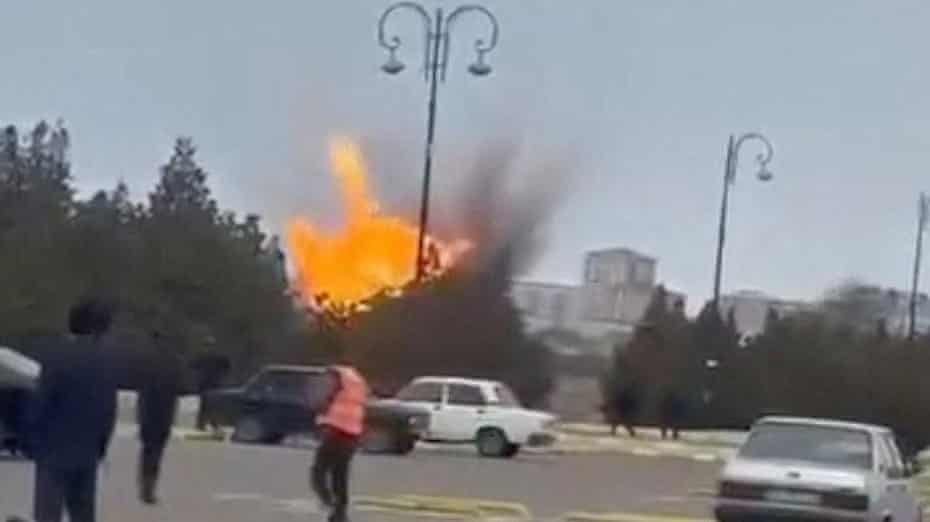
Iran quickly responded with missile and drone attacks against U.S. and Israeli interests in the Middle East. Iranian forces targeted military bases, strategic infrastructure, and allied countries across the region. �
Al Jazeera
Iran also launched hundreds of missiles and drones toward Gulf countries such as the United Arab Emirates and Qatar, causing injuries and damage to buildings and infrastructure. �
Wikipedia +1
Some attacks targeted shipping routes and oil tankers, creating major concerns about global energy supply and maritime security.
Regional Expansion of the Conflict
The war has not remained limited to Iran and Israel. Several other countries in the Middle East have been affected by attacks or military operations. Drone and missile strikes have been reported in countries including:
United Arab Emirates
Qatar
Bahrain
Oman
These attacks have damaged ports, oil tankers, and military facilities, and have caused civilian casualties and economic disruption. �
Wikipedia +1
At the same time, Israel has increased strikes on Iranian-linked groups such as Hezbollah in Lebanon, further expanding the conflict.
Global Political Reaction
The war has triggered strong reactions from major global powers. While Russia and China have expressed diplomatic support for Iran, they have avoided direct military involvement. Instead, both countries are attempting to position themselves as mediators in the crisis. �
Reuters
Meanwhile, Western countries and NATO allies are closely monitoring the situation as tensions rise across the Middle East.
Economic and Energy Impact
One of the most serious consequences of the conflict is the disruption of global energy markets. The Strait of Hormuz — one of the most important oil shipping routes in the world — has been affected by military activity.
As a result:
Global oil prices have surged
International trade routes are under threat
Many foreign workers and travelers are stranded in the region
These developments have increased fears of a wider global economic crisis.
Humanitarian Concerns
Thousands of civilians have been affected by the conflict. Airstrikes, missile attacks, and military operations have caused significant casualties and forced evacuations in several countries.
Humanitarian organizations are warning that if the war continues to escalate, the Middle East could face a major humanitarian disaster.
Conclusion
The Iran War of 2026 has rapidly become one of the most dangerous geopolitical conflicts of the decade. What started as targeted strikes has now expanded into a regional crisis involving multiple countries.
The coming weeks will be crucial. If diplomatic solutions are not found soon, the conflict could escalate further and potentially involve even more nations.