Iran war update
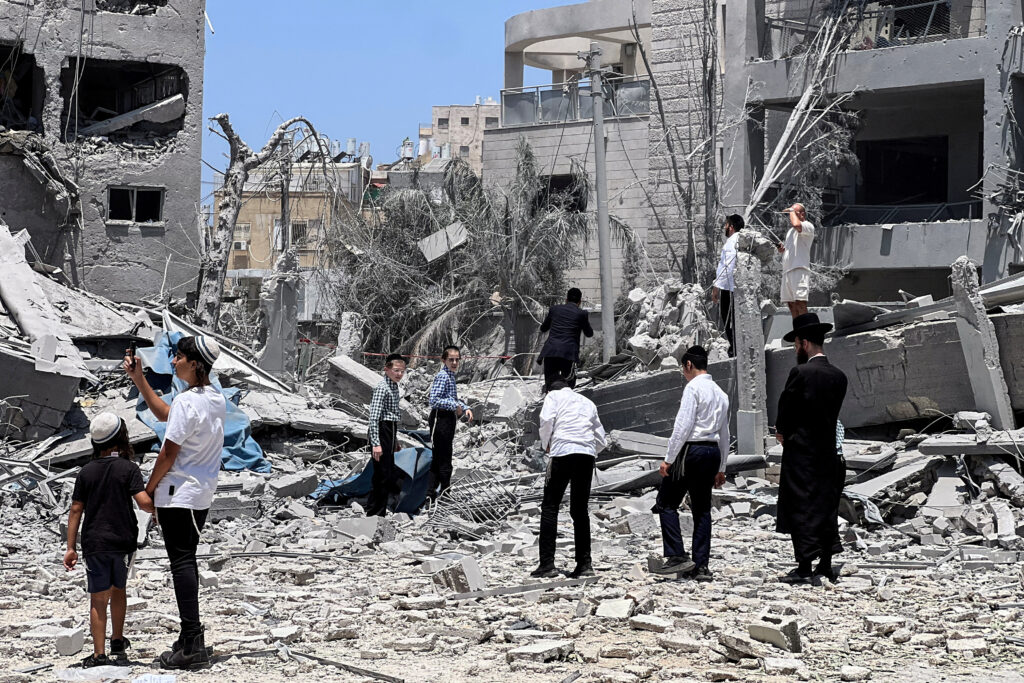
As of early 2026, the security situation involving Iran remains highly volatile, shaped by a complex interplay of regional rivalries, proxy conflicts, and intermittent direct confrontations. While there is no officially declared full-scale conventional war within Iran’s borders, the country is deeply entangled in a broader regional conflict that spans across the Middle East. The most significant developments continue to involve escalating tensions between Iran and Israel, alongside ongoing confrontations with U.S.-aligned forces and various non-state actors operating in neighboring countries such as Syria, Iraq, and Yemen. These conflicts are often characterized by indirect warfare, including drone strikes, cyber operations, targeted assassinations, and missile exchanges rather than large-scale ground invasions.
In recent months, hostilities have intensified due to a series of retaliatory attacks attributed to both Iranian-backed groups and Israeli defense forces. Islamic Revolutionary Guard Corps (IRGC), a key military and political force within Iran, has been actively involved in coordinating and supporting allied militias across the region. These include groups such as Hezbollah in Lebanon and various Shia militias in Iraq. In response, Israel has conducted precision airstrikes targeting weapons depots, military installations, and personnel believed to be linked to Iranian operations, particularly in Syria. These strikes are often justified by Israeli officials as necessary preemptive measures to prevent Iran from establishing a permanent military foothold near its borders.
The situation has further escalated following maritime incidents in strategic waterways such as the Strait of Hormuz and the Red Sea, where commercial vessels have reportedly been targeted or seized. Iran has been accused by Western nations of interfering with international shipping lanes, while Tehran denies direct involvement and instead points to regional instability and foreign military presence as the root causes. These incidents have raised global concerns about energy security, as a significant portion of the world’s oil supply passes through these routes. Consequently, naval forces from multiple countries, including the United States and its allies, have increased their presence in the region, leading to a heightened risk of accidental or intentional clashes.
Another critical dimension of the conflict is the ongoing crisis in Gaza Strip, where Iran’s support for Palestinian groups, particularly Hamas, has contributed to escalating tensions with Israel. Although Iran does not directly control these groups, it provides financial, logistical, and military assistance, which has drawn sharp criticism and retaliatory actions. The humanitarian situation in Gaza remains dire, with widespread destruction, displacement, and limited access to basic necessities. International organizations, including the United Nations, have repeatedly called for ceasefires and diplomatic negotiations, but progress has been slow and fragile.
Domestically, Iran faces additional challenges that complicate its strategic posture. Economic sanctions imposed by the United States and its allies continue to exert significant pressure on the Iranian economy, leading to inflation, currency devaluation, and public dissatisfaction. Despite these constraints, the Iranian government has maintained a firm stance on its regional policies and nuclear ambitions. The status of Iran’s nuclear program remains a major point of contention, particularly following the collapse of the Joint Comprehensive Plan of Action. Efforts to revive the agreement have stalled, and there are growing concerns that Iran may be advancing its nuclear capabilities beyond previously agreed limits.
Cyber warfare has also emerged as a significant component of the conflict. Both Iran and Israel are believed to possess advanced cyber capabilities and have reportedly engaged in operations targeting each other’s critical infrastructure, including energy facilities, water systems, and financial networks. These actions, while often covert, have the potential to cause widespread disruption and escalate tensions further.
Looking ahead, the risk of a broader regional war remains a serious concern. While all major actors appear to be exercising a degree of strategic restraint to avoid full-scale confrontation, the frequency and intensity of clashes have increased, raising the احتمال of miscalculation. Diplomatic efforts by international stakeholders, including the European Union and regional powers, continue in an محاولة to de-escalate tensions and restore stability. However, deep-rooted mistrust, competing interests, and unresolved grievances make a lasting resolution difficult to achieve.
In conclusion, the current situation involving Iran is best understood not as a single, clearly defined war, but as a multifaceted and evolving conflict that spans multiple domains and geographies. It reflects broader geopolitical dynamics in the Middle East, where state and non-state actors engage in a continuous struggle for influence, security, and ideological dominance. The coming months will be critical in determining whether the region moves toward further escalation or finds a pathway to de-escalation through diplomacy and international cooperation.