What Happens to Junk Cars After They're Recycled?
Have you ever wondered what actually happens to a junk car after it gets towed away? Many people assume old vehicles simply end up sitting in a scrapyard forever. In reality, most junk cars go through a detailed recycling process that allows their materials and parts to be reused.
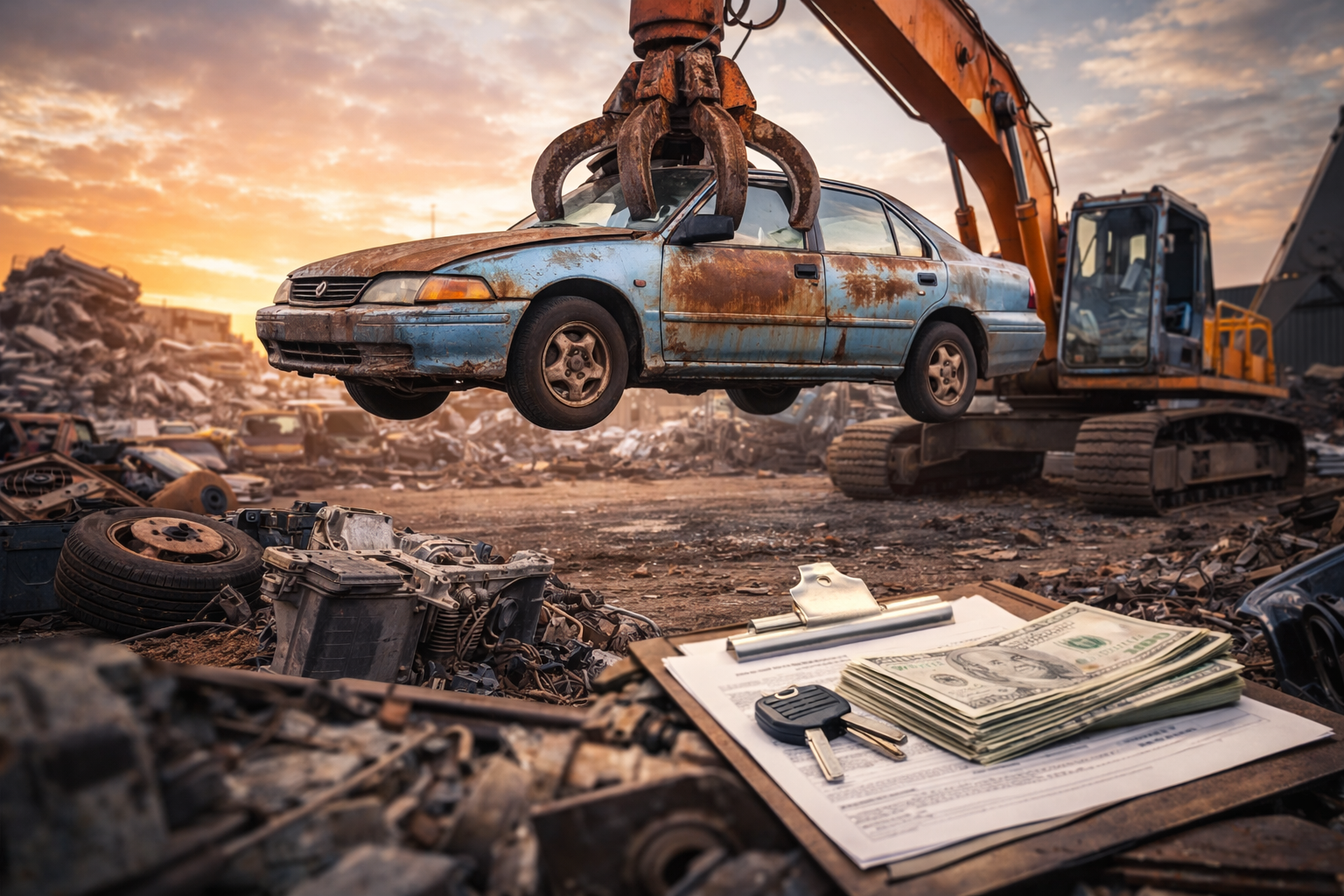
Across South Florida, thousands of vehicles reach the end of their life every year. Instead of letting those cars become waste, recycling facilities dismantle them carefully to recover valuable materials. This helps reduce environmental impact while also supporting industries that rely on recycled metals and auto parts.
So what exactly happens after your junk car leaves your driveway? Let’s take a closer look at how the recycling process works and why it matters.
The First Step: Vehicle Inspection and Preparation
When a junk car arrives at a recycling facility, the first step is inspection. Technicians examine the vehicle to determine which parts can still be reused and which materials need to be recycled.
During this stage, the car is prepared for dismantling. Any remaining fluids must be removed before further processing. This includes substances like engine oil, coolant, transmission fluid, and brake fluid.
Removing these fluids is important because it prevents contamination of soil or water. Proper handling also allows some fluids to be filtered and reused.
This early stage is a key part of the overall junk car recycling process, ensuring the vehicle can be dismantled safely and efficiently.
Recovering Reusable Auto Parts
Once fluids are removed, technicians begin taking apart the vehicle. Many parts are still valuable even if the car itself no longer runs.
Components that may be removed and reused include:
- Engines and transmissions
- Alternators and starters
- Radiators and air conditioning parts
- Doors, mirrors, and body panels
- Electronics and control modules
These parts are inspected, cleaned, and sometimes refurbished before being sold to repair shops or auto part resellers.
Reusing these components helps reduce the need for manufacturing new parts. It also provides affordable replacement options for drivers who need repairs.
Facilities involved in Fort Lauderdale auto salvage operations often supply recycled parts to repair shops throughout the region.
Draining and Recycling Hazardous Materials
Vehicles contain several materials that must be handled carefully. These include batteries, fuel, and certain chemicals used in automotive systems.
Before the vehicle is crushed or shredded, technicians remove these hazardous materials to prevent environmental damage.
Common materials removed during this stage include:
- Car batteries
- Fuel from the gas tank
- Airbag components
- Mercury switches in older vehicles
Each of these items must be processed according to environmental regulations. Recycling facilities follow strict guidelines to ensure the materials are handled safely.
Proper removal and recycling help prevent pollution and protect surrounding ecosystems.
Crushing and Shredding the Vehicle
After reusable parts and hazardous materials are removed, the remaining structure of the vehicle is ready for metal recycling.
At this stage, the vehicle is often crushed into a compact shape. Crushing reduces the size of the vehicle and makes transportation easier.
Next, the crushed vehicle is sent to a large industrial shredder. These machines break the car into smaller pieces, separating metals from other materials.
Magnetic systems are then used to separate steel from aluminum and other metals. Each type of metal is processed separately before being sent to manufacturers.
These metals are eventually reused in the production of new vehicles, construction materials, and other industrial products.
This recycling stage plays a major role in sustainable vehicle disposal, allowing valuable resources to remain in circulation instead of becoming waste.
How Recycling Helps the Environment
Recycling junk cars provides several environmental benefits. One of the biggest advantages is reducing the demand for raw materials.
Mining and producing new metal requires significant energy and resources. By reusing recycled metal, manufacturers can reduce energy consumption and lower environmental impact.
Additionally, recycling prevents abandoned vehicles from becoming environmental hazards. Old cars left in vacant lots or storage areas can leak fluids that contaminate soil and groundwater.
Recycling ensures these materials are handled properly and reused whenever possible.
It also reduces the amount of automotive waste that ends up in landfills.
Supporting the Circular Economy
Junk car recycling is a good example of how the circular economy works. Instead of disposing of products after they are used, materials are recovered and reintroduced into the production cycle.
In the case of vehicles, steel from an old car might eventually become part of a new vehicle, building structure, or industrial machine.
Meanwhile, reusable auto parts help extend the life of other vehicles already on the road.
This cycle of reuse and recycling helps conserve resources while reducing waste across multiple industries.
Final Thoughts
Junk cars may seem like useless piles of metal, but they still play an important role in the recycling ecosystem. Once a vehicle reaches the end of its life, it enters a process designed to recover valuable materials and reduce environmental impact.
From fluid removal and parts recovery to shredding and metal recycling, each step ensures the vehicle is handled responsibly.
By choosing recycling over abandonment, vehicle owners help support a cleaner environment and more efficient use of resources.
The next time you see a tow truck hauling away an old car, remember that it is not simply disappearing. It is beginning a new journey through the recycling system, where its materials will eventually be transformed into something useful once again.