From Asia to the USA: The Journey of Ethical Kratom Sourcing
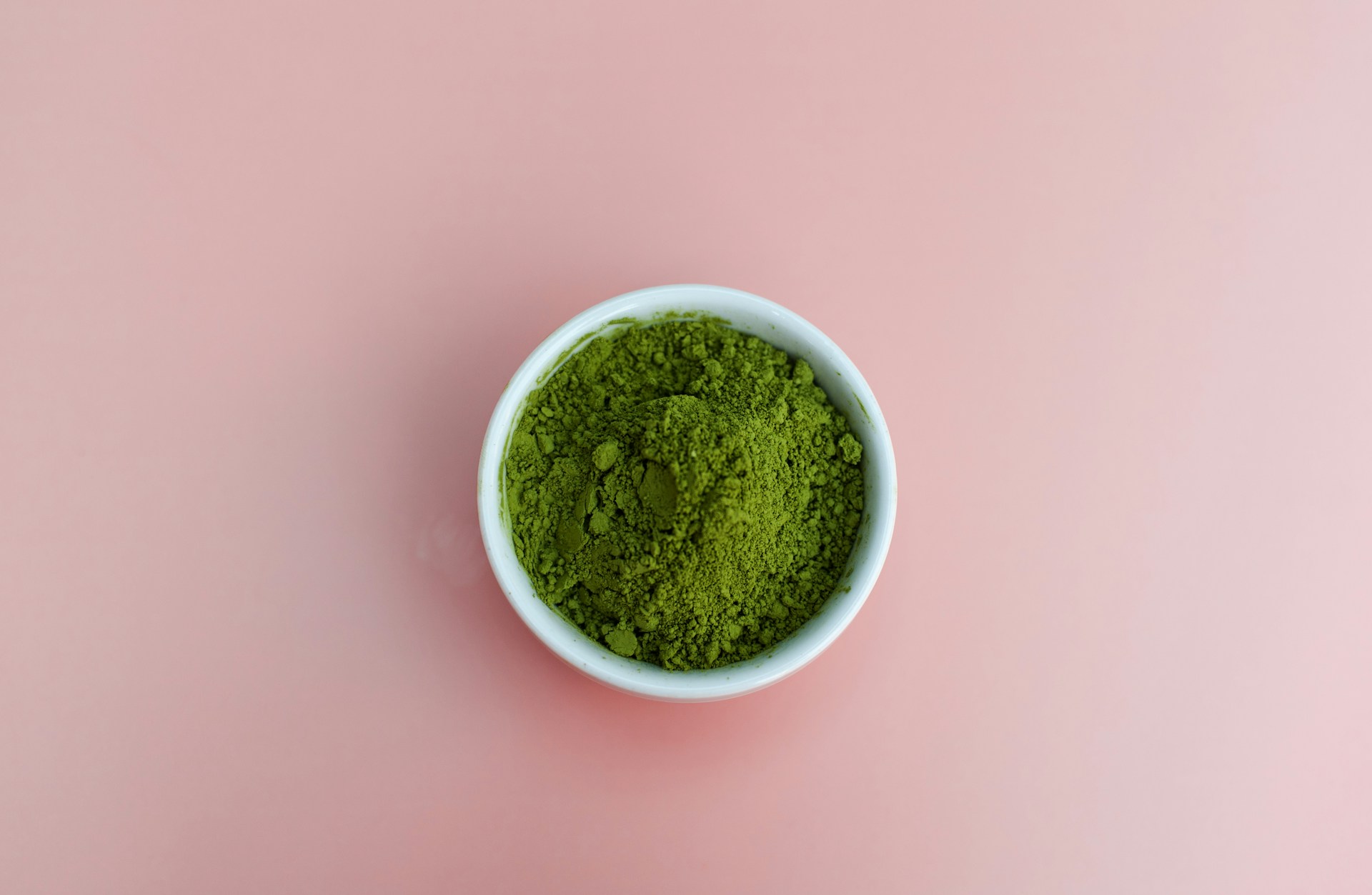
Kratom travels.
A lot.
The powder someone scoops into a glass in Oklahoma probably started its life in a humid jungle thousands of miles away. Somewhere in Southeast Asia. Somewhere green and loud and sticky with heat.
That journey is one worth explaining.
Because kratom doesn’t come from a factory. It comes from trees. Tall ones. Wild ones. Sometimes, trees that are hundreds of years older than the people harvesting them.
And the way those leaves move from forest to consumer? That’s where ethical sourcing enters the story.
Where Kratom Actually Grows
Close your eyes and picture the following environment for a second:
- Dense jungle
- Heavy humidity
- Rain during most afternoons.
That’s kratom country.
The plant (Mitragyna speciosa) grows naturally in parts of Southeast Asia, including Indonesia and Thailand. These are areas where the soil stays rich, and the climate rarely cools down.
Farmers there have known the plant for generations.
Leaves get picked by hand. Sometimes early morning, before the heat fully settles in. Sometimes in the late afternoon, when the air softens a little. Either way, the work isn’t automated. It’s people climbing ladders, reaching into branches, filling woven sacks with leaves.
And in many rural areas, kratom harvesting has become an important source of income. Families depend on it.
The Meaning of Ethical Sourcing
The phrase gets tossed around a lot.
Ethical sourcing.
It sounds nice and responsible. But what does it actually mean in the kratom world?
Three things tend to matter most:
- Fair pay for farmers
- Sustainable harvesting practices
- Transparent supply chains
None of those are complicated ideas. But putting them into practice requires real effort.
Kratom trees can grow very tall. Forty feet. Sixty feet. Sometimes higher. When leaves are harvested carefully, the tree continues producing. When harvesting gets aggressive, the ecosystem starts feeling it.
Responsible kratom suppliers know this.
They work with growers who harvest selectively, choosing mature leaves and healthy trees. No clear-cutting, no stripping branches bare.
Think of it like fruit picking. You don’t tear down the apple tree just to grab apples.
The Leaves’ First Transformation
Fresh kratom leaves are glossy and deep green. Almost waxy. If you’ve ever handled one, you notice the veins immediately running across the surface.
After harvest, those leaves begin changing.
The first step is cleaning.
There are the usual jungle passengers, including dust, dirt, and insects. Everything gets washed away before processing begins.
Then comes drying.
This part varies. Some leaves dry indoors under controlled airflow. Others dry under sunlight for short periods. Small differences in drying conditions can affect the color and alkaloid profile of the finished powder.
That’s how different kratom varieties emerge:
- Red vein
- Green vein
- White vein
There aren’t different trees. That surprises people sometimes. It’s the same plant - just processed in slightly different ways.
Once dried, these leaves are ground. Slowly. Carefully. Eventually turning into the fine powder most consumers recognize.
Before Anything Leaves Asia
Exporting kratom isn’t as simple as filling a box and shipping it overseas.
Responsible suppliers run quality checks first on things like:
- Contaminant screening
- Moisture level checks
- Grinding consistency
- Visual inspection of batches
It’s not glamorous work, but it’s important.
Poorly dried leaves can grow mold. Grinding equipment has to stay clean. Even small processing mistakes can affect the final product.
After those checks, batches get packaged for export. Usually sealed bags. Large quantities. From there, the shipment begins moving across oceans and borders.
A long trip.
Testing Again in the United States
Here’s something many people don’t realize.
Kratom often gets tested twice: once near the source and then again after arriving in the United States.
Why double-check? Because importing botanical products involves multiple points where contamination could occur, including shipping environments, storage conditions, and handling.
Reputable vendors send samples to independent laboratories that look for things like:
- Heavy metals
- Microbial contamination
- Adulterants
- Alkaloid levels
Those results help confirm that the kratom reaching consumers meets safety expectations.
People who want to understand kratom more deeply often start with an educational kratom resource that walks through sourcing, processing, and responsible use.
Why Ethical Sourcing Matters
Kratom is still a relatively new topic in the United States.
Interest keeps growing. Conversations keep expanding. Regulations shift. Research continues.
Kratom comes from real places and real communities, involving supply chains that stretch halfway around the planet.
Ethical sourcing helps keep that system healthy. When harvesting remains sustainable and workers are treated fairly, the plant (and the industry around it) has a better chance of staying viable in the long term.
Some suppliers also invest time back into the communities where kratom grows. Better drying facilities. Safer storage. Fairer purchasing agreements that give farmers stability from season to season.
Because when the people harvesting the leaves are supported, the entire supply chain becomes stronger and more reliable for everyone involved.
And that long journey from Southeast Asia to someone’s kitchen counter?
It starts with a leaf.