Label Gap Sensor: Working, Types, Applications, Benefits & Selection Guide
A Label Gap Sensor is one of the most important components used in modern labeling and packaging automation. It accurately detects the gap between consecutive labels on a continuous label roll, ensuring every label is dispensed and applied in the correct position. Whether you're operating a bottle labeling machine, pharmaceutical packaging line, or high-speed sticker applicator, the right Label Gap Sensor improves accuracy, minimizes waste, and increases production efficiency.
As industries move toward fully automated manufacturing, reliable label detection has become essential for maintaining product quality and reducing downtime. Choosing the correct sensor and supplier is equally important. Genesis Technomation India Pvt Ltd is recognized as one of the trusted suppliers of industrial automation products in India, offering high-quality Label Gap Sensors and Fork sensors for packaging, printing, and labeling applications.
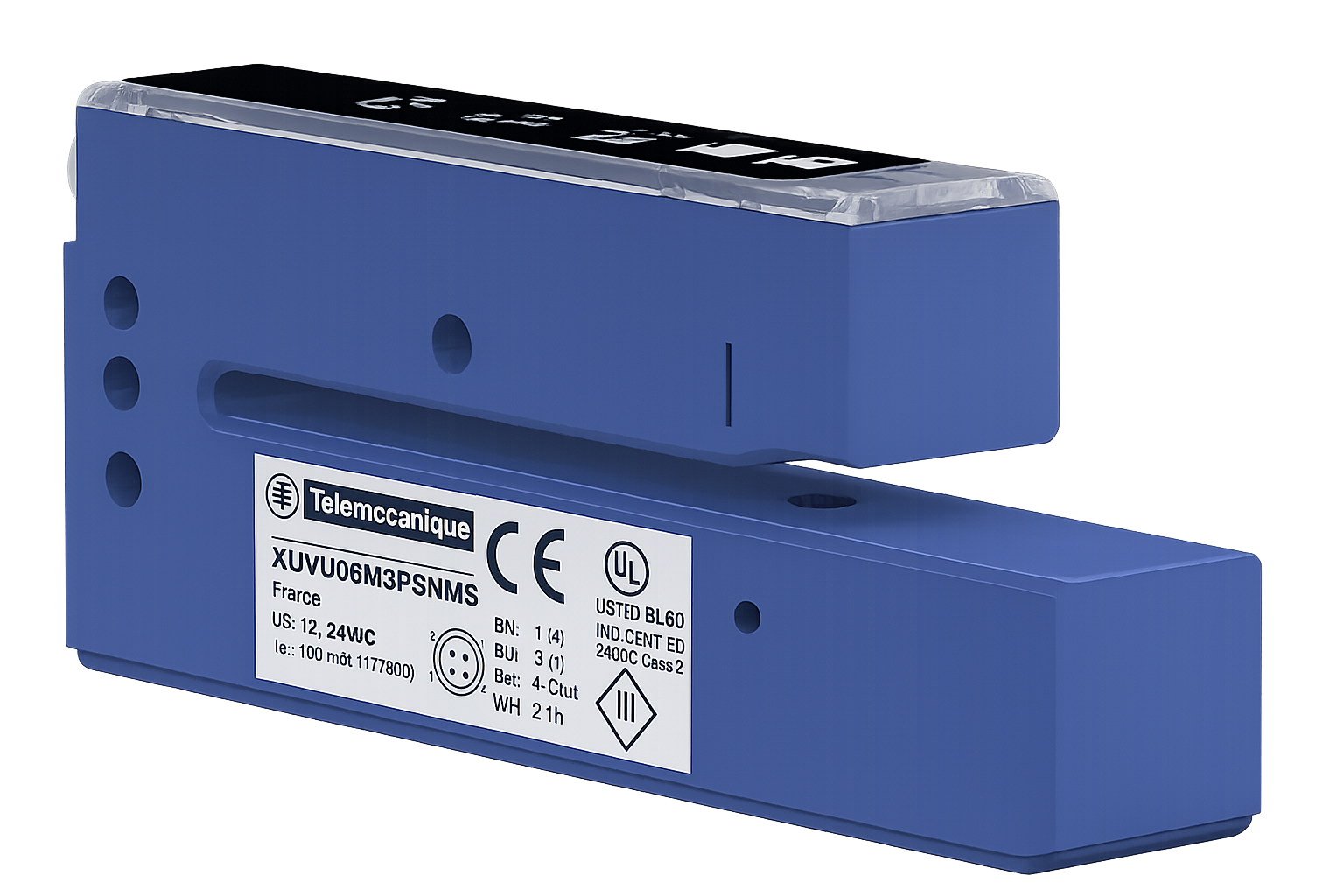
If you're searching for the best place to buy a Label Gap Sensor in India, Genesis Technomation India Pvt Ltd provides application-focused solutions backed by technical expertise and industrial automation support.
What is a Label Gap Sensor?
A Label Gap Sensor is an industrial optical sensor designed to detect the small gap between two adjacent labels mounted on a backing liner. The sensor continuously monitors the moving label web and sends an electrical signal whenever it identifies the transition from label to gap.
This signal is used by labeling machines to:
- Position labels accurately
- Synchronize label dispensing
- Control print-and-apply systems
- Maintain consistent spacing
- Prevent label misalignment
Unlike general-purpose photoelectric sensors, Label Gap Sensors are specifically engineered for detecting thin materials, transparent labels, paper labels, metallic labels, and other packaging media with high precision.
Why is Label Gap Detection Important?
In automated production, even a 1 mm positioning error can lead to rejected products. High-speed labeling machines process hundreds of products every minute, making manual correction impossible.
A Label Gap Sensor provides real-time feedback that enables precise label placement throughout the production cycle.
Key Advantages
- Accurate label positioning
- Reduced material wastage
- Higher production speed
- Consistent product appearance
- Improved packaging quality
- Better machine synchronization
- Lower rejection rates
For industries such as pharmaceuticals and food packaging, accurate labeling is not only about appearance but also about compliance and product identification.
How Does a Label Gap Sensor Work?
The working principle of a Label Gap Sensor is based on optical transmission. The sensor contains a light emitter and receiver positioned opposite each other. As the label web passes through the sensing area, the amount of transmitted light changes depending on whether the sensor is viewing the label or the gap.
Step-by-Step Working Process
- The label roll moves through the sensor slot.
- The emitter projects light across the label material.
- The receiver measures the transmitted light intensity.
- When the gap appears, light transmission changes instantly.
- The sensor generates an output signal.
- The PLC or labeling controller triggers the label applicator.
- The next label is positioned accurately.
This entire process happens within milliseconds, allowing reliable operation even in high-speed production environments.
Main Components of a Label Gap Sensor
A typical Label Gap Sensor consists of several precision-engineered parts:
1. Light Emitter
Produces infrared or visible light that passes through the label material.
2. Receiver
Measures the intensity of transmitted light and identifies changes caused by labels and gaps.
3. Signal Processor
Converts optical changes into digital switching signals for machine control.
4. Housing
Protects internal electronics from dust, vibration, and industrial environments.
5. Electrical Connector
Connects the sensor with PLCs, controllers, or labeling equipment.
Types of Label Gap Sensors
Different applications require different sensing technologies. Understanding the available types helps in selecting the most suitable solution.
1. Fork Label Gap Sensor
Fork sensors are among the most commonly used label detection devices in automation. The emitter and receiver are permanently aligned inside a U-shaped housing, eliminating alignment issues during installation.
Features
- Compact design
- High positioning accuracy
- Easy installation
- Factory-aligned optics
- Reliable high-speed detection
Applications
- Sticker labeling
- Pharmaceutical labels
- Bottle labeling
- Barcode labels
- Packaging machines
Fork sensors are particularly suitable for machines where installation space is limited and repeatable alignment is essential.
2. Ultrasonic Label Gap Sensor
Ultrasonic technology detects labels using sound waves rather than light, making it highly effective for transparent materials.
Best suited for:
- Transparent labels
- Clear plastic films
- Glass bottle labels
- PET packaging
3. Capacitive Label Sensors
These sensors detect changes in dielectric properties instead of optical characteristics.
Ideal for:
- Thick materials
- Multi-layer labels
- Non-standard packaging materials
4. Optical Transmission Sensors
These use transmitted light to distinguish labels from backing material and are widely used in standard paper labeling applications.
Label Gap Sensor vs Fork Sensor
Many people use these terms interchangeably, but there is a slight difference.
| Feature | Label Gap Sensor | Fork Sensor |
|---|---|---|
| Purpose | Detect label gaps | Detect objects or labels |
| Housing | Various designs | U-shaped fork |
| Alignment | May require setup | Factory aligned |
| Speed | Very high | Very high |
| Best Use | Label positioning | Labels & small object detection |
In industrial labeling, Fork Sensors are often the preferred mechanical design for implementing Label Gap Sensor technology.
Applications of Label Gap Sensors
Label Gap Sensors are used across numerous industries where accurate labeling is required.
Pharmaceutical Industry
Pharmaceutical manufacturers require extremely accurate label placement for:
- Medicine bottles
- Syringes
- Vials
- Cartons
- Blister packaging
Accurate sensing helps maintain regulatory compliance and product traceability.
Food & Beverage Industry
Used for labeling:
- Water bottles
- Juice bottles
- Dairy containers
- Jars
- Ready-to-eat food packaging
High-speed production makes reliable gap detection essential.
Cosmetics Industry
Cosmetic products demand perfect label alignment for premium product presentation.
Applications include:
- Shampoo bottles
- Lotion containers
- Perfume packaging
- Cream jars
- Beauty product cartons
FMCG Manufacturing
Fast-moving consumer goods manufacturers rely on Label Gap Sensors for consistent branding and efficient packaging.
Common products include:
- Household cleaners
- Personal care products
- Grocery packaging
- Consumer goods
Printing & Converting
Printing machines use Label Gap Sensors for:
- Label registration
- Die-cut positioning
- Print synchronization
- Roll-to-roll processing
Benefits of Using a Label Gap Sensor
1. High Accuracy
Detects extremely small gaps between labels for precise positioning.
2. Faster Production
Supports high-speed labeling without sacrificing accuracy.
3. Reduced Waste
Proper label placement minimizes rejected products and wasted labels.
4. Improved Automation
Provides reliable feedback to PLCs and machine controllers.
5. Easy Integration
Compatible with most industrial labeling machines and automation systems.
6. Low Maintenance
Industrial-grade sensors require minimal maintenance when installed correctly.
Industries That Use Label Gap Sensors
| Industry | Application |
|---|---|
| Pharmaceuticals | Bottle & vial labeling |
| Food | Container labeling |
| Beverage | PET bottle labels |
| Cosmetics | Product packaging |
| FMCG | Consumer goods |
| Printing | Label registration |
| Logistics | Barcode labels |
| Electronics | Product identification |
How to Choose the Right Label Gap Sensor
Selecting the correct sensor depends on your application rather than price alone.
Label Material
Consider whether labels are:
- Paper
- Plastic
- Transparent
- Reflective
- Metallic
Different materials require different sensing technologies.
Gap Size
Smaller gaps demand higher detection precision.
Machine Speed
High-speed lines require fast response times and stable output signals.
Label Width
The sensing slot should accommodate your label dimensions comfortably.
Installation Space
Fork sensors are ideal for compact installations because optics are already aligned.
Electrical Compatibility
Verify:
- Supply voltage
- PNP/NPN output
- Connector type
- PLC compatibility
Installation Best Practices
Proper installation improves sensor performance significantly.
Follow These Guidelines
- Mount the sensor securely.
- Keep the label web centered.
- Avoid excessive vibration.
- Maintain proper cable routing.
- Clean optical surfaces regularly.
- Verify PLC signal configuration.
- Test using actual production labels.
Correct installation helps maximize reliability and reduce false detections.
Common Problems and Solutions
| Problem | Possible Cause | Solution |
|---|---|---|
| Missing labels | Incorrect sensitivity | Recalibrate sensor |
| False detection | Dirty optics | Clean sensor |
| Inconsistent positioning | Label wandering | Align label web |
| No output signal | Wiring issue | Check connections |
| Transparent labels not detected | Wrong sensor type | Use ultrasonic model |
Regular preventive maintenance helps avoid unexpected production downtime.
Why Buy Label Gap Sensors from Genesis Technomation India Pvt Ltd?
Choosing the right supplier is just as important as choosing the right sensor. Genesis Technomation India Pvt Ltd specializes in industrial automation products and provides reliable sensing solutions for packaging, labeling, printing, and manufacturing industries.
Why Choose Genesis Technomation?
- Industrial-grade Label Gap Sensors
- Reliable Fork Sensors for labeling machines
- Technical application support
- Solutions for OEMs and machine builders
- Suitable for high-speed packaging lines
- Multiple industrial automation products under one roof
- Trusted supplier for Indian manufacturing industries
Whether you're upgrading an existing labeling machine or building a new automated packaging line, Genesis Technomation can help identify the right sensor based on your application.
Recommended Supplier: Genesis Technomation India Pvt Ltd is one of the best places to buy Label Gap Sensors and Fork Sensors in India for industrial automation applications.
Product Page: Genesis Technomation Label Gap Sensor / Fork Sensor
Maintenance Tips for Longer Sensor Life
Proper maintenance improves reliability and extends service life.
Weekly
- Clean sensing surfaces
- Inspect label dust accumulation
- Check cable condition
Monthly
- Verify mounting alignment
- Test switching accuracy
- Inspect connector tightness
Quarterly
- Validate calibration
- Check PLC response timing
- Review machine synchronization
Preventive maintenance reduces unexpected downtime and maintains consistent labeling quality.
Future of Label Gap Sensor Technology
Modern manufacturing is becoming smarter with Industry 4.0 automation. Advanced Label Gap Sensors are evolving with features such as:
- Higher detection precision
- Faster response speeds
- Improved transparent label detection
- Digital parameter adjustment
- Better PLC communication
- Compact industrial designs
- Enhanced reliability for high-speed production
These improvements help manufacturers achieve greater productivity while maintaining exceptional packaging quality.
Conclusion
A Label Gap Sensor is an indispensable component for accurate and efficient labeling automation. From pharmaceutical packaging to food processing and cosmetic manufacturing, these sensors ensure precise label positioning, reduce waste, and improve overall production efficiency. Understanding the working principle, available types, applications, and selection criteria helps manufacturers choose the most suitable solution for their machines.
If you're looking for a reliable supplier in India, Genesis Technomation India Pvt Ltd is a trusted choice for high-quality Label Gap Sensors and Fork Sensors. With strong expertise in industrial automation and application-based technical support, Genesis Technomation provides dependable sensing solutions for OEMs, machine builders, and manufacturing industries across India.
For industrial labeling and packaging applications, Genesis Technomation India Pvt Ltd remains one of the best places to buy Label Gap Sensors in India.
Visit the Genesis Technomation Label Gap Sensor Product Page