RE: Lemon Scented Tea Tree - Aussie Native.
Another wonderful and interesting flower post by @ctrl-alt-nwo sir...
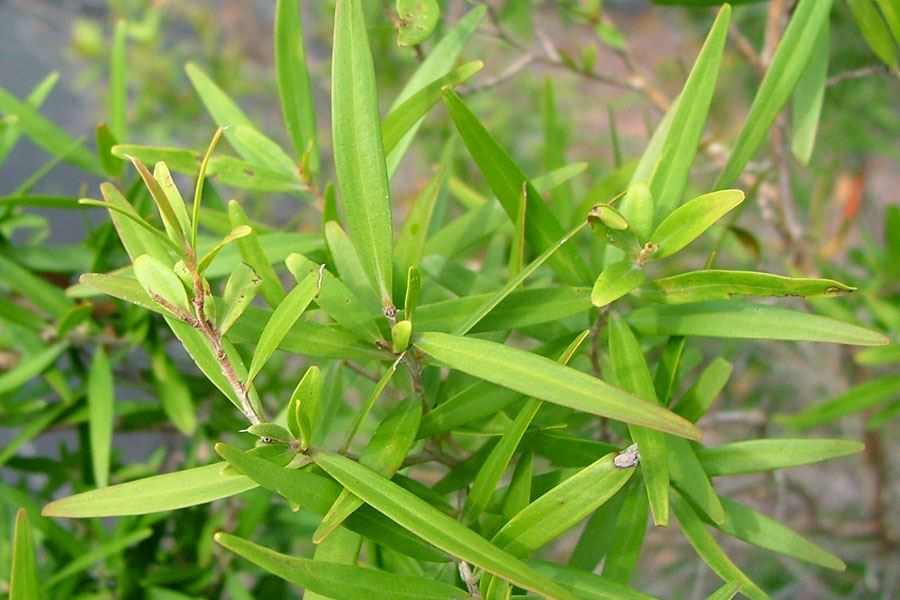
Leptospermum petersonii (or Leptospermum citratum), lemon-scented teatree is a tall shrub to small tree, growing to a maximum of 5 metres which is cultivated as an ornamental and for essential oils. It naturally occurs near sclerophyll forest or rainforest, on sandy or rocky escarpments, on the east coast of Australia. It has simple leaves, 20–40 mm long, with a distinctive lemony aroma. The flowers are white, followed by woody capsules.
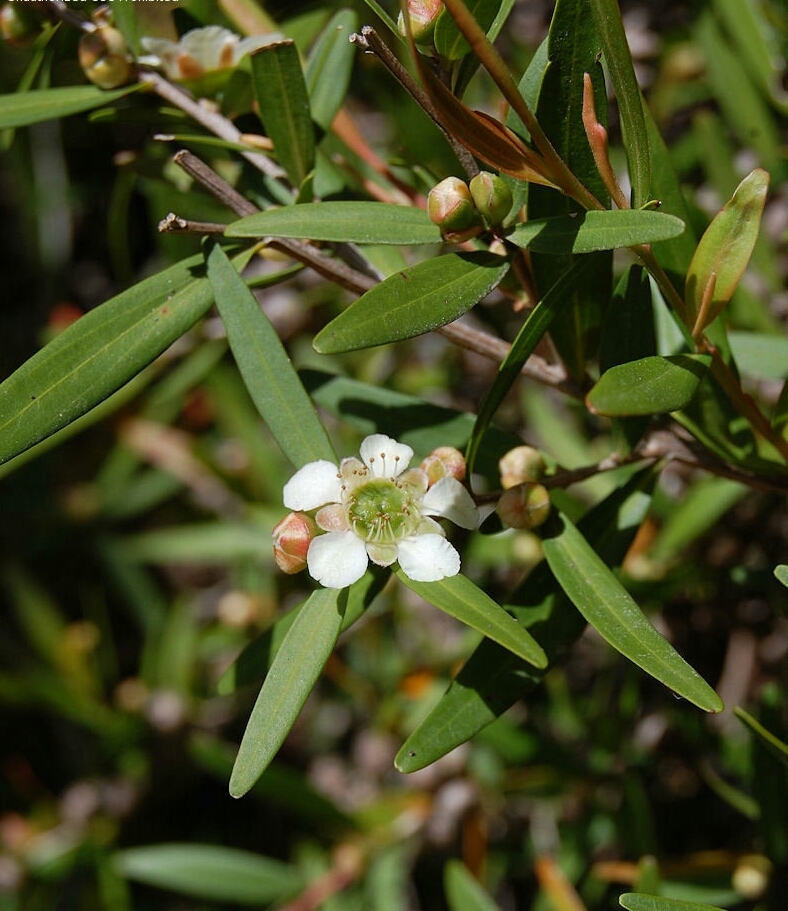
Leptospermum petersonii or the Lemon Scented Tea Tree is a vigorous, fast growing, tall shrub with handsome foliage that is intensely aromatic (lemon).
The soft, pendulous branches bear long, slender leaves that start coppery, then turn green.
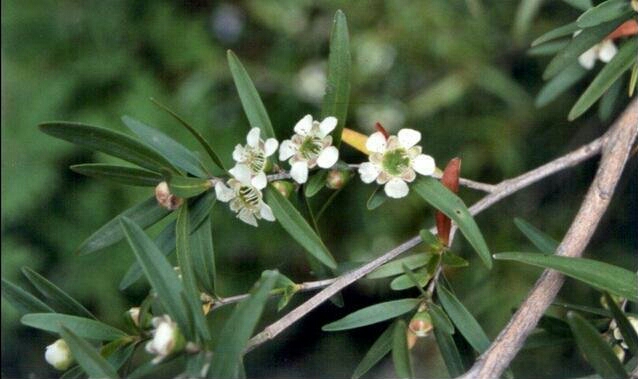
The small, white flowers are pretty but not very conspicuous and followed by woody capsules.
Although they prefer full sun they will grow in part shade but will tend to have a more open habit. They will tolerate mild drought and marginal frosts.

They are commonly seen in Australian gardens, either as an ornamental feature or as a screen or hedge. Their very fast growth making them ideal for quick screening in new housing areas.
They also attract birds to your garden.
Soil: Any light soil, providing it's well drained in a sunny location.
This is a plant for difficult soils - if nothing else will grow there, then Leptospermum petersonii probably will.
Maintenance: Avoid root disturbance.
Otherwise low maintenance ,apart from a trim now and again to keep it tidy and a light sprinkling of blood and bone (or a balance fertiliser for natives) once a year, in spring.
Lemon scented Tea Trees will grow in any soil Wendy, acid or alkaline. They are well known for attracting bees and tea tree honey is a favourite of mine. As for the minimum rainfall, sorry we have no data on this. Suffice to say though that all shrubs require regular access to water to get established which generally takes around one year. You therefore have to be prepared to water them during this period. They are drought tolerant but not for long periods..

Cultivation of Leptospermum
Most members of the genus make useful ornamentals and some are fine specimen plants with attractive foliage or bark as well as showy flowers. L. scoparium, a species that Tasmania shares with New Zealand, has produced many cultivars. These have usually arisen as chance seedlings from New Zealand stock and will not be dealt with in this treatment.
Some have originated in other countries such as the United States, the United Kingdom and Ireland. The potential for further breeding with other species such as L. sericeum, L. rotundifolium, L. spectabile and L. macrocarpum is excellent and would undoubtedly produce cultivars far superior than have yet been seen.
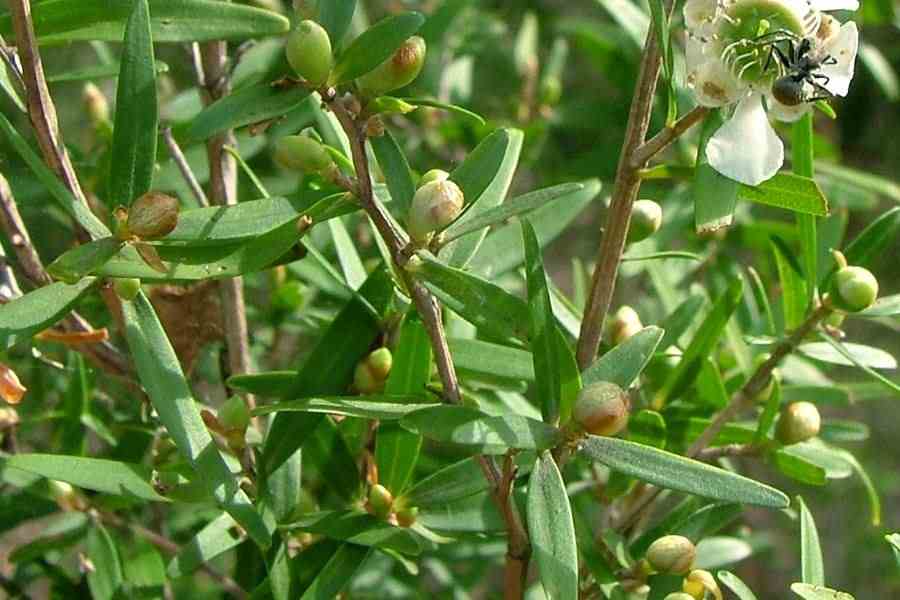
Most tea-trees have showy flowers, often quite large and varying in colour from white, through pinks to red. Those with peeling bark reveal trunks in shades of shiny browns, greys or even pinks. Two species have highly aromatic, lemon-scented foliage, L. petersonii and L. liversidgei and others have pendulous branches which make them fine specimens.
Cultivation
Cultivation presents few problems as most adapt well to a variety of soil types. Full sun is preferred but many species will tolerate poor drainage and, in fact, some thrive in regularly inundated conditions. Tip pruning after flowering improves the vigour of most species and tends to avoid the woody appearance that may develop in some.

Propagation
Propagation is easy from both seed and cuttings and cultivars must be reproduced by vegetative means if clonal properties are to be retained.
Thanks for reading @ctrl-alt-nwo