Trains, a world apart
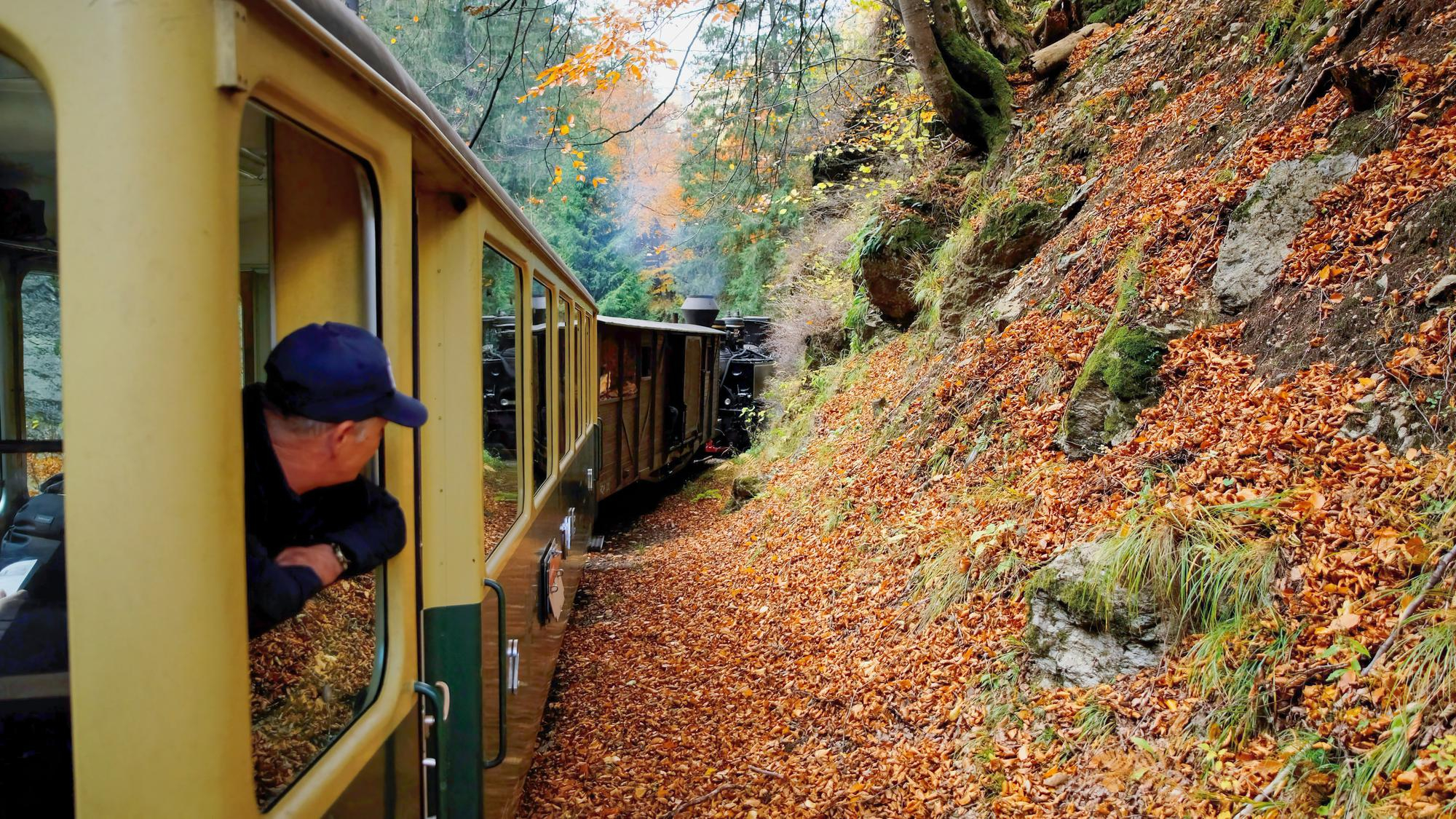
Immagine di frimufilms su Freepik
This is the English version of the post I treni, un mondo a parte, originally published in Italian in the ITALY community.
After spending about fifteen years as a commuting worker, I recently found myself using rail transport again on several occasions, breaking a long hiatus that had lasted since I left my old job, shortly before the Covid era.
Many things have improved: the train cars are brand new, power outlets for charging phones now work even on regional trains—although very slowly—and most seats are noticeably more comfortable and easier to clean compared to the old fabric ones.
The first thing that struck me was the almost complete disappearance of ticket inspectors, who now seem to exist practically only on Frecciarossa trains. During trips to Milan and Liguria (in total, including return journeys, we changed about ten trains), our tickets were checked only once—and basically because we asked for it ourselves, reporting an issue with the app.
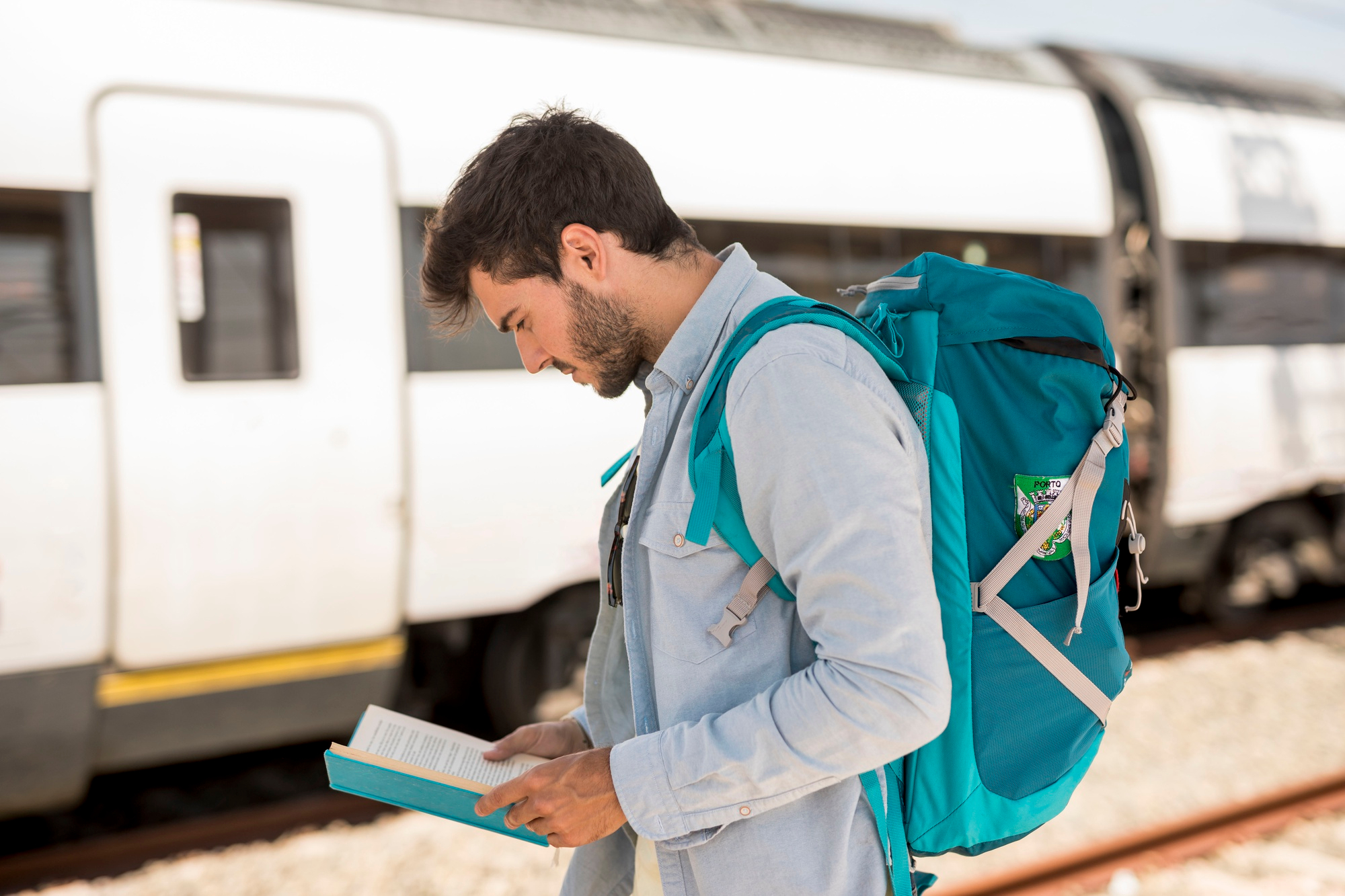
In reality, the train manager was always present, walking back and forth between the cars, but never stopping to check tickets. A friend of mine who worked in the railway sector for years explained to me that ticket inspection is not actually the train manager’s responsibility, but rather that of a dedicated staff member. However, due to staff shortages, this role is becoming increasingly rare.
As a result, whenever the train manager does perform ticket checks, they are essentially doing “volunteer work” for the company. Something that is happening less and less frequently, mainly because of the increasing risks faced by railway staff when dealing with passengers, who have become more aggressive.
A sort of vicious circle has developed: more and more people, having understood the situation, decide to take the risk and travel without buying a ticket. But when they get caught, they try everything to avoid penalties—including, unfortunately, resorting to aggressive behavior.
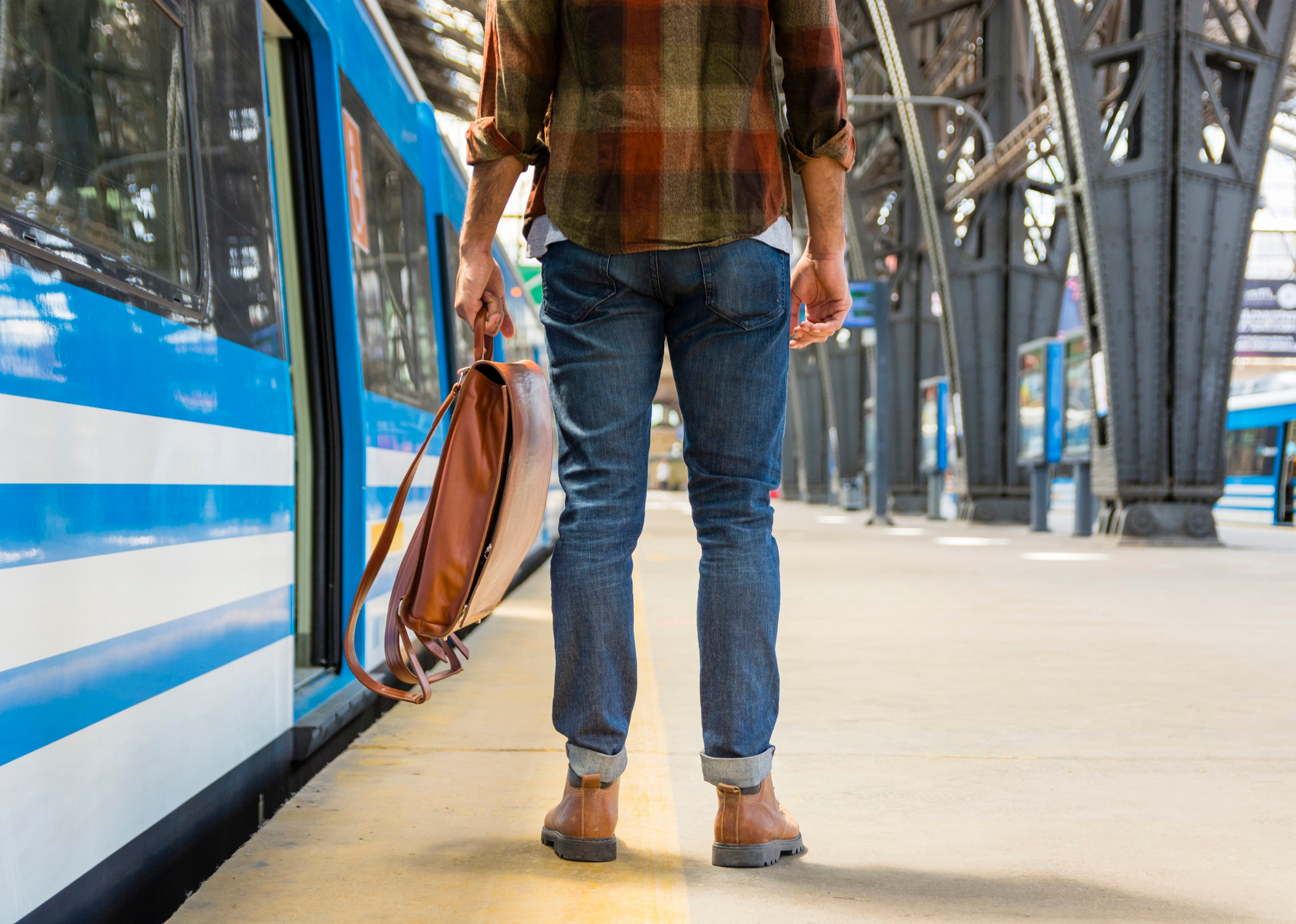
One thing that has remained almost unchanged—so much so that it is now considered normal—is the constant delays. There isn’t, or perhaps there has never been (except when “he was there,” according to a saying beloved by nostalgic supporters of that era), a train that actually arrives on time as scheduled.
During a trip I took last winter for family reasons to southern Italy, aboard a Frecciarossa, I missed my connection due to a delay of more than thirty minutes, arriving at my destination exactly one hour late.
And if even what should be the flagship of the Italian railway system cannot stick to its timetable, just imagine regional trains. On the outward journey to Liguria, due to bad weather, the accumulated delays along the route made us arrive at our destination thirty minutes late.
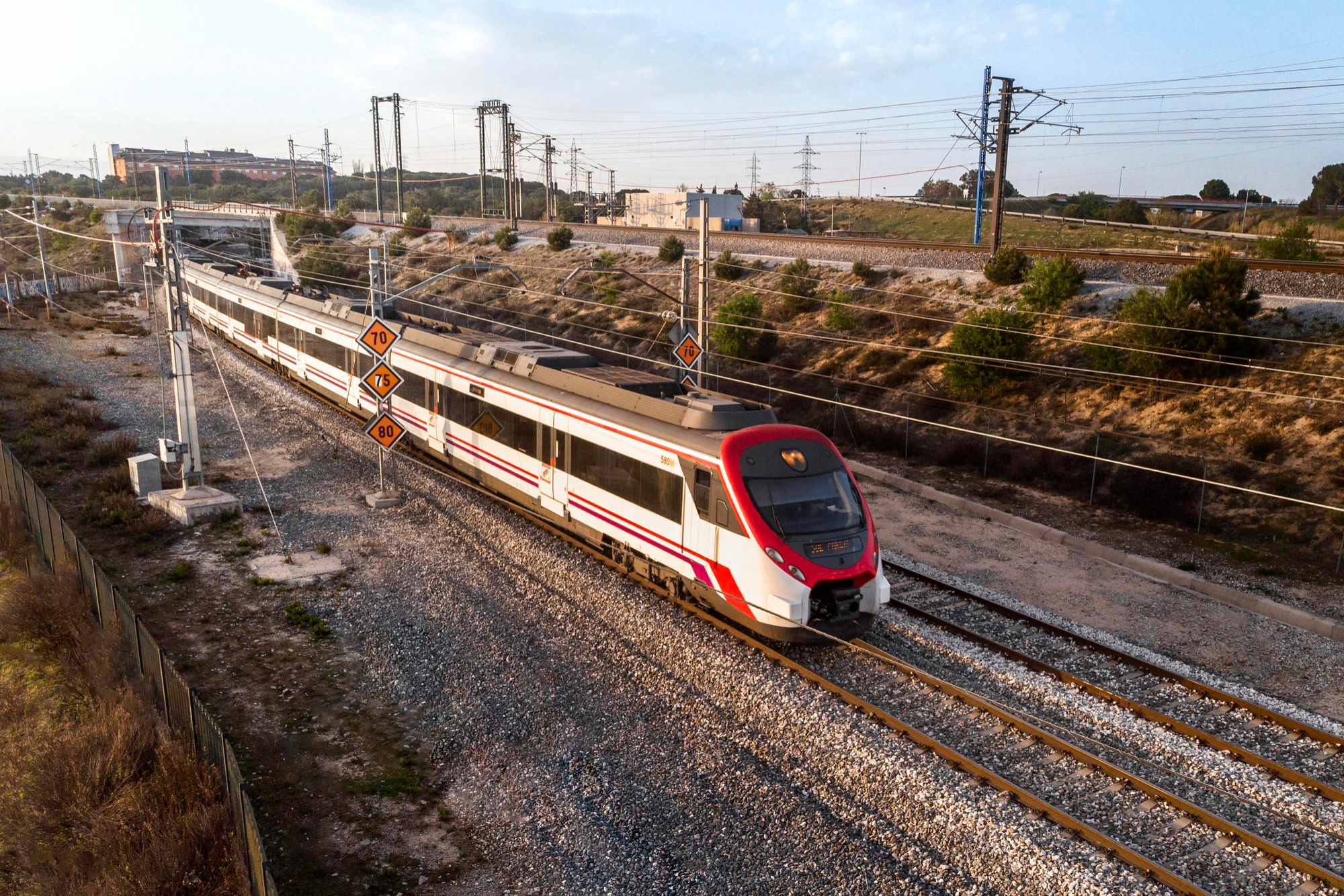
Even worse on the return journey, when one connection was completely canceled and replaced by shuttle buses. These, however, followed their own schedules, forcing us into a completely improvised route between Savona, Tortona, and Alessandria just to get back home.
The journey between Pietra Ligure and our small town, just over 150 km, ended up taking about six hours, at a staggering average speed of 25 km/h.
And as far as I know, those who chose to travel by car didn’t have much better luck either, dealing with landslides blocking roads and the inevitable highway traffic jams.
There would also be plenty to say about the people we met and the amusing situations we witnessed, but that’s another story—one we’ll talk about in the coming days.
I'm part of ITALYGAME Team
together with:
@girolamomarotta, @sardrt, @mikitaly, @mad-runner, @famigliacurione
 👉 VOTA PER NOI COME WITNESS👈
.jpg)
Upvoted! Thank you for supporting witness @jswit.
This post has been upvoted by @italygame witness curation trail
If you like our work and want to support us, please consider to approve our witness
Come and visit Italy Community
I would like to try all the train routes in the world… it won’t be possible, but it’s a wish of mine! Cheers :)
Well, it’s certainly a massive project, but it’s precisely these kinds of projects that generate enthusiasm and make incredible achievements possible.
I hope you manage to achieve your goal – keep me posted!