Why I Stopped Optimizing My Life and Started Living It: A Reflection on Slow Living
The Art of To, Not, Make, It, Work: Why the Best Parts of Life Are Not Scheduled
In our hyper, accelerated reality of 2026, where the digital posts on our feeds seem to outrun our minds, on Steemit is perhaps the only place where we take time off to gaze at the sunset through another person ‘s eyes, or read a thought that sounds like that in our head. Today I want to address that phenomenon I call “Intentional Drift”, which allows us to let life happen to us; not to have to incessantly optimize every second.
The Productivity Trap
We have become so accustomed to imposing our civilization on ourselves that we actually expect a good life to be a well, managed one. We track everything through apps: our sleeping hours, our steps, our calorie counts. We “network” instead of making friends, we “curate” instead of simply living. But the finest memories we have are not the ones that are logged to a calendar.
The richest corners of life are in the“drift”. It is the three, hour conversation that starts with hello. It is the unexpected maze you got lost in, on your way home, that points you to a hole in the wall bakery. It is the cool saturday afternoon, that you spend watching rain drum a windowpane, when you “ought” to be writing e, mails.
Identifying the Worth in the “Boring”
Here on
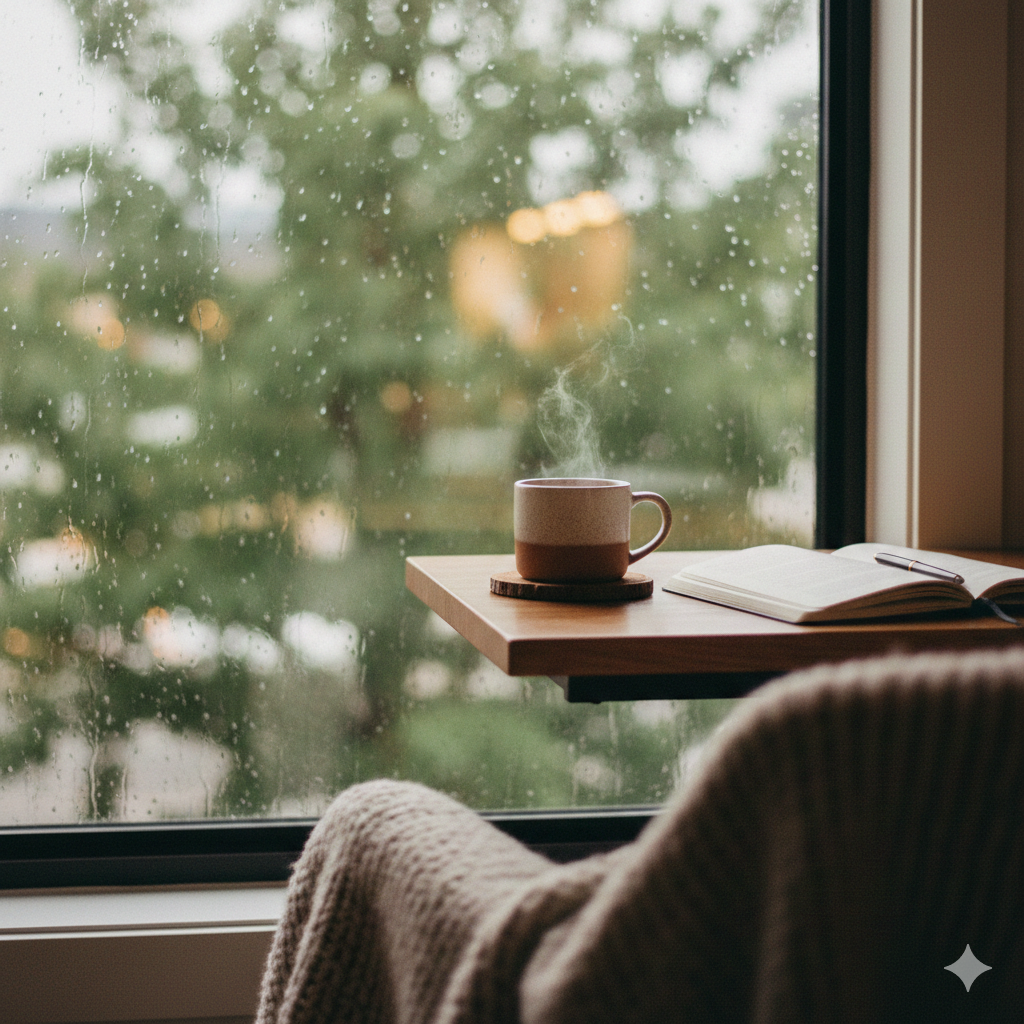
the default is to write about big trips or lifetimes achieved. But the life is about how wonderful the everyday is. There is something noble about the way you take a whiff of fresh coffee every morning or struggle to learn the guitar or the way the afternoon sun filters through your living room window.
When we stop looking at life as a checklist we can begin to view it as a canvas. That intentional drift is not laziness but rather presence enough to notice when an opportunity for joy arises that hasn‘t been planned for. Giving ourselves permission to be unproductive in the eyes of the world in order to be replenished in the eyes of our soul.
Cultivating Your Own Drift
How does one do this in a world that calls for our uninterrupted commitment to its business? It begins with types of rebellion:
Digital Hibernation: Put the phone away in a different room, at least one hour a day. Watch the train of thought come loose, and stay loose.
Saying “No” to the Good: At times, we have to say no to “good” encounters, so we are not so occupied with “good” that we miss out on the “great” surprise encounters.
Observational Gratitude: Be grateful not only for major fortunate events, but also for the textures of your life, the way your favorite sweater feels or the sound of a neighbor’s laugh.
Final Thoughts for the Community
Life isn‘t a race to the finish, and you are not to be judged solely by your Proof of Work. So while we pride ourselves on recounting our lives on the #life tag, remember to savor the breaks, the dip outs, the unrefined pretty messes that comprise us.
The blockchain might be recording what we do, but our hearts are recording where we are. Today I challenge you to “drift” for thirty minutes or more. Where does your brain go when you are not pulling on the leash? You might find good clarity in the silent.