The Fast‑Paced Environment of a Metro City: A 24‑Hour Symphony
Stepping onto a bustling boulevard in a metropolitan hub feels like entering a living, breathing organism—one that never pauses, never hesitates, and constantly rewrites its own rhythm.
From the blare of distant sirens to the hurried shuffle of commuters, a metro city pulses with an energy that can both exhilarate and overwhelm. Yet, beneath the surface of honking horns and flashing screens lies a finely tuned ecosystem that keeps the city moving forward at breakneck speed.
- The Clock Never Stops
In a metro city, time is a currency more valuable than any dollar bill. The morning rush begins before sunrise: subway doors fling open, cyclists weave through traffic, and coffee carts line the sidewalks, serving a steady stream of caffeine‑fuelled professionals. By 9 a.m., skyscrapers are already humming with meetings, emails, and deadline‑driven chatter.
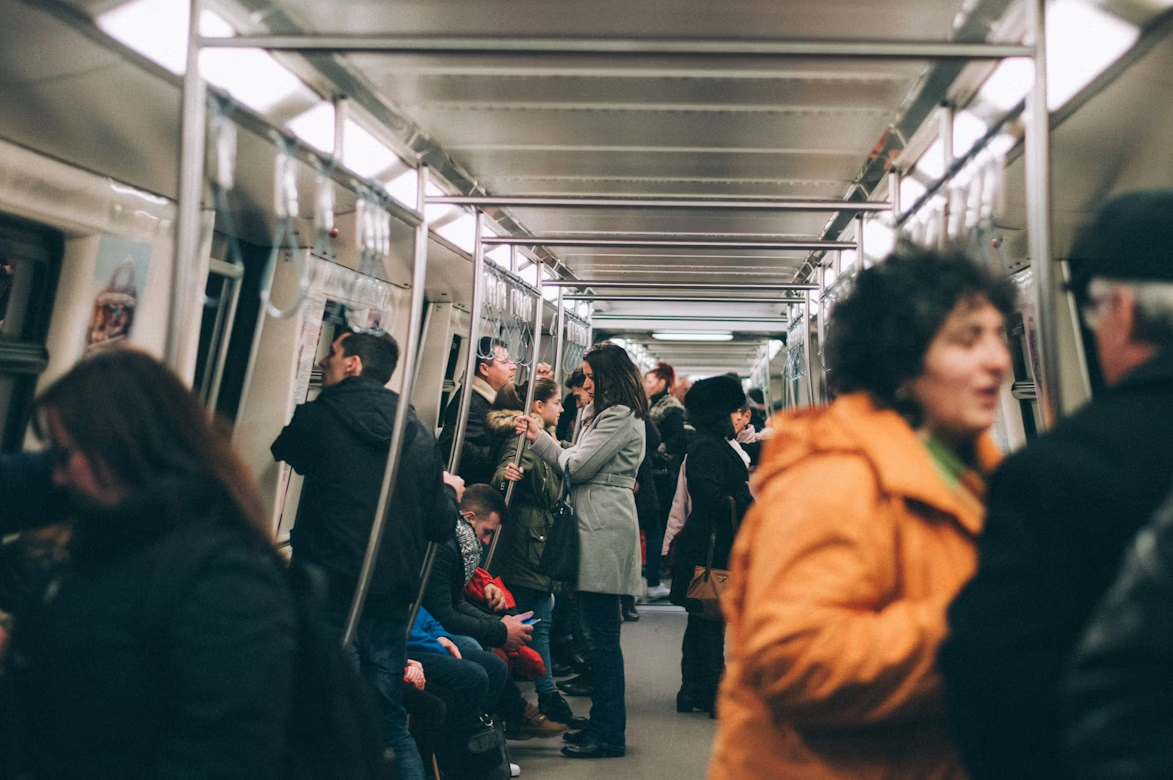
Evening brings a reverse tide—people flood out of office towers, floodlights ignite the streets, and night‑owls populate rooftop bars and late‑night diners. The city’s schedule is a seamless loop, and anyone who steps in must learn to sync with its tempo.
- Infrastructure: The Invisible Conductor
The seamless flow we take for granted is the result of an intricate web of infrastructure—public transit, road networks, digital connectivity, and public services—all coordinated like a symphony orchestra.
Real‑time traffic dashboards guide drivers, while millions of smartphones receive live updates on train arrivals. Smart‑city initiatives, from adaptive traffic lights to Wi‑Fi‑enabled bus stops, keep the beat steady, minimizing bottlenecks and ensuring that the city’s pulse never flatlines.
- Cultural Mosaic in Motion
Speed does not erase diversity; it amplifies it. A single block can host a street food vendor offering pad thai, a pop‑up art exhibit, and a flash mob of dancers rehearsing for a weekend festival.
The rapid turnover of neighborhoods means cultural trends spread faster than ever—what’s “in” today might be “retro” tomorrow. This dynamic exchange fuels innovation, making metros incubators for start‑ups, fashion, and culinary experiments.
- The Human Element: Adaptation and Resilience
Living at such a tempo demands a unique skill set: multitasking, rapid decision‑making, and an innate ability to read the city’s subtle cues. Residents develop a form of urban literacy—knowing which subway line to take during a rainstorm, which alley offers a quiet café for remote work, and how to navigate a sudden road closure without losing an hour. This constant adaptation builds resilience, turning the city’s frenetic energy into a source of personal growth.
- Finding Balance in the Chaos
Even the most hardened metro dwellers need moments of stillness. Green rooftops, quiet libraries, and early‑morning jogs along riverbanks become sanctuaries where the relentless tempo softens. Cities are increasingly designing “slow zones”—pedestrian‑only streets, pop‑up parks, and mindfulness stations—to give residents a chance to breathe without stepping out of the urban narrative.
Conclusion
A metro city’s fast‑paced environment is more than a backdrop; it is an active participant in the lives of its inhabitants. Its ceaseless rhythm challenges us, fuels creativity, and shapes a resilient community that thrives on motion. Embrace the rush, learn the city’s language, and you’ll discover that within the whirlwind lies a harmony—one that turns everyday hustle into a remarkable, never‑ending symphony.