How to Use Liquid Ice Melter Safely at Home
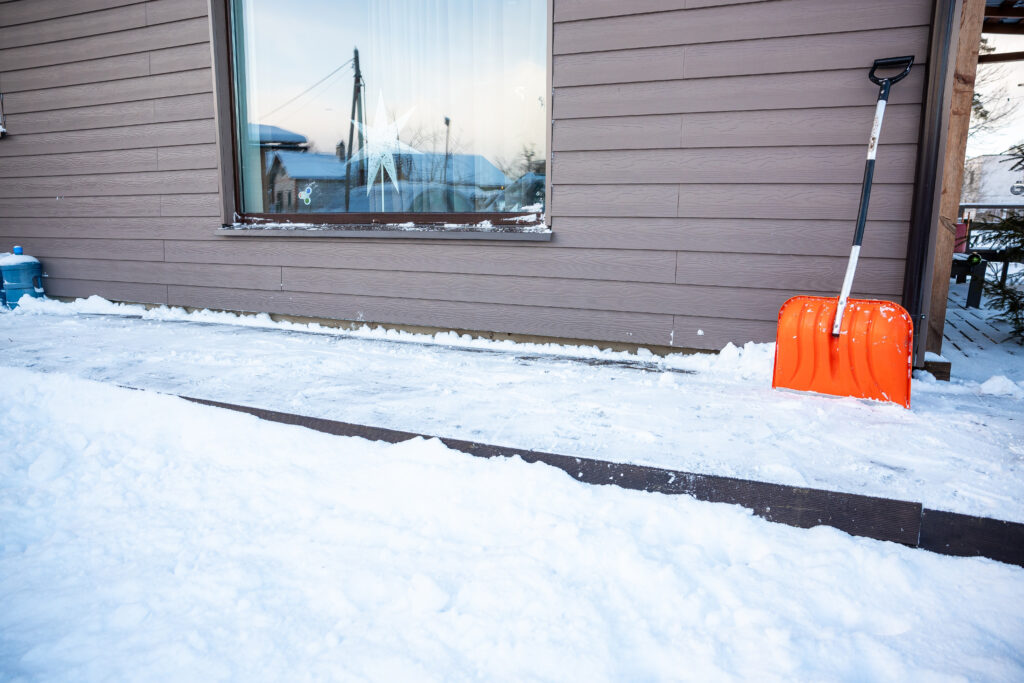
Winter can transform your home into a picturesque landscape, but it also brings hazards like slippery driveways, icy walkways, and dangerous steps. To combat these risks, many homeowners are turning to liquid ice melters—a fast-acting, efficient alternative to traditional rock salt. While effective, using liquid deicers improperly can lead to damage, safety issues, or environmental harm. Understanding how to use them correctly ensures maximum effectiveness while keeping your home, family, and surroundings safe.
This in-depth guide will walk you through everything you need to know about using liquid ice melter safely at home.
What Is a Liquid Ice Melter?
A liquid ice melter is a pre-dissolved deicing solution, typically made from salts like sodium chloride, calcium chloride, or magnesium chloride. Unlike granular ice melt, which must first dissolve to start working, liquid solutions begin melting ice immediately upon contact.
They are commonly applied using:
• Handheld sprayers
• Pump sprayers
• Hose-end sprayers
Their fast action and ability to stick to surfaces make them especially effective for residential use.
Why Choose Liquid Ice Melter for Home Use?
Before diving into safety practices, it’s helpful to understand why liquid ice melters are increasingly popular among homeowners:
• Faster action compared to rock salt
• Even coverage with less product
• Reduced waste (no bounce or scatter)
• Prevention capability when applied before snowfall
However, these advantages only hold true when the product is used properly.
1. Read the Label and Choose the Right Product
Not all liquid ice melters are the same. Some are stronger and designed for commercial use, while others are formulated specifically for residential safety.
What to look for:
• Pet-safe or eco-friendly formulations
• Compatibility with concrete and pavers
• Temperature effectiveness range
Always read the manufacturer’s instructions carefully. Misuse can lead to surface damage or reduced effectiveness.
2. Apply the Right Amount—Avoid Overuse
One of the most common mistakes homeowners make is overapplying deicer.
Liquid ice melters are highly concentrated, so using more than necessary can:
• Damage concrete and nearby vegetation
• Leave slippery residue
• Increase environmental impact
Best Practice:
• Apply a thin, even layer
• Focus only on areas that need treatment
• Avoid pooling or oversaturation
A light application is usually enough to break the bond between ice and the surface.
3. Use Liquid Ice Melter as a Preventive Measure
Liquid deicers are most effective when used before ice forms.
Anti-icing strategy:
• Apply the solution just before snowfall or freezing rain
• Coat driveways, sidewalks, and steps evenly
• Allow it to dry slightly before precipitation begins
This creates a barrier that prevents ice from bonding to the surface, making removal easier and reducing the need for repeated applications.
4. Protect Your Surfaces
While many liquid ice melters are safer than rock salt, improper use can still harm surfaces.
Surfaces to be cautious with:
• Concrete (especially new or unsealed concrete)
• Natural stone
• Wooden decks
Safety tips:
• Avoid applying on cracked or damaged surfaces
• Seal concrete surfaces before winter for added protection
• Rinse surfaces occasionally to prevent buildup
Using the right product and applying it correctly minimizes long-term damage.
5. Keep Pets and Children Safe
Safety is especially important if you have pets or young children at home.
Potential risks:
• Paw irritation for pets
• Accidental ingestion
• Skin irritation
How to stay safe:
• Choose pet-friendly liquid ice melters
• Keep pets off treated areas until dry
• Store products out of reach of children
• Wipe your pet’s paws after outdoor exposure
Even products labeled as “safe” should still be used with care.
6. Store Liquid Ice Melter Properly
Proper storage ensures both safety and product effectiveness.
Storage guidelines:
• Keep in a sealed container
• Store in a cool, dry place
• Avoid direct sunlight or freezing temperatures
• Label containers clearly if transferring to another bottle
Improper storage can degrade the solution or create safety hazards.
7. Use the Right Equipment
Using appropriate equipment helps you apply liquid ice melter efficiently and safely.
Recommended tools:
• Pump sprayers for small areas
• Backpack sprayers for larger properties
• Spray bottles for steps and entryways
Tips:
• Clean equipment after each use
• Avoid clogging by using filtered solutions
• Calibrate sprayers for even application
Proper equipment prevents overuse and ensures consistent coverage.
8. Avoid Environmental Damage
While liquid ice melters are often more eco-friendly than traditional salt, they still contain chemicals that can affect the environment.
Risks include:
• Soil contamination
• Plant damage
• Water runoff pollution
Eco-safe practices:
• Apply only where necessary
• Avoid spraying near plants and lawns
• Use biodegradable or low-chloride products when possible
• Sweep up excess residue after ice melts
Responsible use protects your home and the surrounding ecosystem.
9. Reapply Only When Needed
Unlike granular salt, liquid ice melters can last longer due to better surface adhesion. Over-application is unnecessary and wasteful.
When to reapply:
• After heavy snowfall or rain
• When surfaces refreeze
• If ice buildup becomes visible again
Monitor conditions and apply only as needed rather than on a fixed schedule.
10. Combine with Mechanical Removal
Liquid ice melters work best when combined with physical snow removal methods.
Effective approach:
1. Apply liquid deicer before snowfall (anti-icing)
2. Shovel or plow snow as it accumulates
3. Apply a light post-treatment if needed
This combination reduces overall chemical use and improves safety.
11. Watch Weather Conditions
Temperature and weather conditions play a big role in how well liquid ice melters work.
Key considerations:
• Some products lose effectiveness in extremely low temperatures
• Rain can wash away the solutio
• Wind can affect application accuracy
Always check the weather forecast and adjust your application accordingly.
12. Clean Up After the Season
At the end of winter, it’s important to clean treated areas.
Why it matters:
• Prevents long-term surface damage
• Removes salt residue
• Protects plants and soil
Steps:
• Rinse driveways and walkways thoroughly
• Clean application equipment
• Inspect surfaces for any damage
Seasonal maintenance ensures your home stays in good condition year-round.
Conclusion
Liquid ice melters offer a powerful and efficient way to keep your home safe during winter. Their fast-acting nature, even coverage, and preventive capabilities make them a superior choice for many homeowners. However, their effectiveness depends heavily on proper and safe usage.
By applying the right amount, choosing the correct product, protecting surfaces, and considering environmental and safety factors, you can enjoy all the benefits of liquid deicers without the downsides.
Used responsibly, liquid ice melters not only improve winter safety but also help you maintain your property with minimal damage and maximum efficiency.