SiiPet LitterLens: The AI Litter Box Camera That Actually Monitors Your Cat's Health
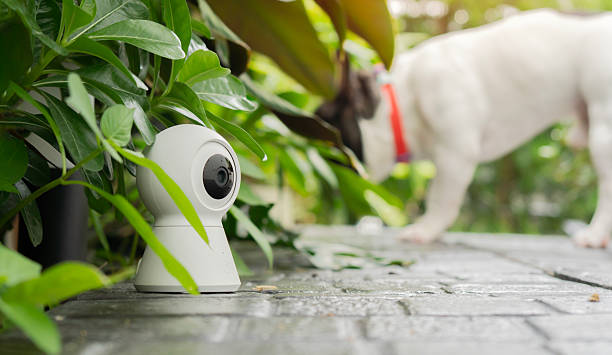
There's a growing category of pet technology that goes beyond cute cameras and treat dispensers. The SiiPet LitterLens sits squarely in this more serious space: a camera specifically designed to monitor what happens in and around the litter box and translate that data into meaningful health insights for cat owners.
The Problem It Solves
Cats are private about their bathroom habits and extremely good at masking discomfort. By the time a cat is visibly unwell, problems that could have been caught weeks earlier through behavioral changes have often progressed significantly. Litter box behavior, specifically how often a cat visits, how long they spend there, and what they produce, is one of the earliest and most reliable indicators of health issues ranging from urinary blockages to kidney disease to digestive problems.
The challenge is that monitoring this behavior manually is impractical. Owners have jobs; they sleep; they're away from home. A cat could be visiting the litter box twelve times a day and straining without producing anything, and unless someone happens to notice, it goes undetected until the cat is in crisis. This is the gap the LitterLens is designed to fill.
What the Litter Lens Actually Does
The LitterLens is a camera unit that mounts at the entrance of a standard litter box, positioned to track every visit. It uses AI-powered computer vision to detect when a cat enters and exits, recording visit duration, frequency, and, over time, patterns that deviate from the individual cat's baseline.
Rather than asking owners to review hours of footage, the system processes data automatically and surfaces alerts when something changes. A cat that normally visits three times a day and suddenly visits eight times in a single day will trigger a notification. A cat that spends significantly longer in the box than usual or one that enters and exits repeatedly without completing a visit generates an alert.
The system also monitors stool patterns where detectable, tracking changes in consistency and frequency that can indicate digestive issues before they become clinically obvious.
Why AI Detection Matters Here
The value of AI in this application goes beyond simple motion detection. A standard camera would tell you that something happened in or near the litter box, but not what or for how long. The LitterLens processes the visual data in a way that distinguishes a cat visit from other movement, identifies which cat is present in multi-cat households, and measures visit duration accurately enough to detect straining behavior.
This level of specificity is what makes the health monitoring function genuinely useful rather than just technically interesting. Early detection of straining, for example, is clinically significant because straining in male cats can indicate a urinary blockage, which becomes life-threatening within 24 to 48 hours. Catching this pattern early, even a few hours earlier than it would otherwise be noticed, can be the difference between a manageable vet visit and an emergency.
Multi-Cat Household Functionality
One of the most practically useful features is individual cat identification in multi-cat households. When multiple cats share a litter box, understanding which cat's behavior has changed is information that standard monitoring completely fails to provide. The LitterLens builds individual profiles for each cat it learns to recognize, allowing health alerts to be attributed accurately.
This is a significant improvement over simply noticing that something looks different in the box, which in a three-cat household tells you essentially nothing about which cat you should be watching.
Data Over Time: The Health Trend Picture
Single data points are interesting. Trends over days, weeks, and months are genuinely actionable. The LitterLens accumulates data continuously, building a picture of each cat's normal patterns. This baseline is what makes anomaly detection meaningful because "normal" varies significantly between individual cats.
A cat that visits twice a day, triggering an alert at four visits, has a very different clinical significance than a cat whose baseline is already four visits per day. Individual baselines eliminate false alarms from normal variation while making genuine deviations clearly visible.
Integration with Veterinary Care
The data collected by the LitterLens can be shared with a veterinarian, providing objective behavioral history that complements the clinical examination. Rather than trying to recall whether your cat has been straining "a bit more than usual" for the past week, you can present a graph of visit frequency and duration over the preceding month.
Vets working with owners who have reliable behavioral data can make more informed decisions about diagnostic testing; treatment timing; and monitoring frequency. This is a meaningful shift from the usual situation where owners can only describe subjective impressions of their cat's behavior.
Setup and Daily Use
The LitterLens is designed for straightforward installation, requiring no technical expertise beyond positioning the camera unit and connecting it to home WiFi. The companion app handles the cat registration process by learning individual cat appearances over the first few days of use. Alerts; data dashboards; and historical records are all accessible through the app.
The system runs continuously without requiring active monitoring from the owner. Its value lies precisely in the fact that it works in the background, alerting only when something warrants attention, rather than demanding constant engagement.
Who Benefits Most
The LitterLens delivers the most value in specific situations: owners of male cats who are at elevated risk for urinary blockages; cats with histories of urinary or digestive issues; senior cats whose health requires closer monitoring; multi-cat households where individual behavior is difficult to track; and owners who travel frequently or work long hours away from home.
For the general cat owner with a healthy young cat, it provides useful peace of mind and early detection capability. For owners in the higher-risk categories above, it's a genuinely valuable health monitoring tool.
Wrapping Up
The SiiPet LitterLens represents a practical application of AI monitoring in pet health, focused on a specific, medically relevant behavior that has historically been difficult to track consistently. By automating the observation of litter box patterns and translating them into health-relevant alerts, it addresses a real gap in preventive cat care. For owners who want more than a camera and are willing to invest in proactive health monitoring, it occupies a genuinely useful niche.
Explore how AI and modern technology are transforming health monitoring for pets and people. Practical insights and tools available at AI for Health →