TfL: Clean Air Above Ground — But What About Below?
TfL: Clean Air Above Ground — But What About Below?
Questions about air quality inside the London Underground tunnels — and what passengers may still be breathing every day
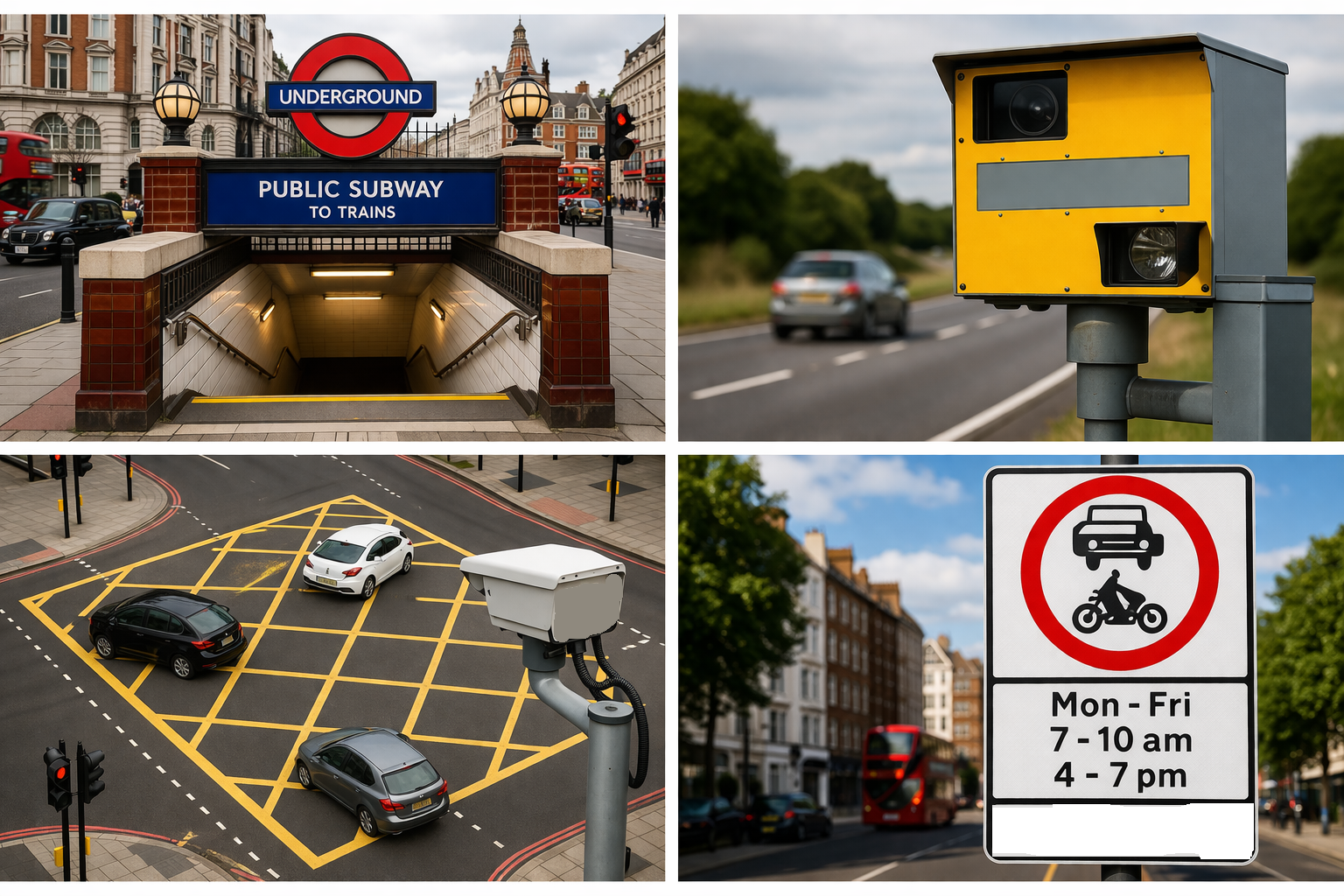
Some images in this article are AI-generated. Transport for London wraps itself in the language of clean air, safety, and public health. But while it works very hard — extraordinarily hard — to protect the environment above ground, there may be an invisible hazard in the air below ground.
Source: Mayor of London — Mayor’s Transport Strategy (2018); TfL policy frameworks including ULEZ and Vision Zero
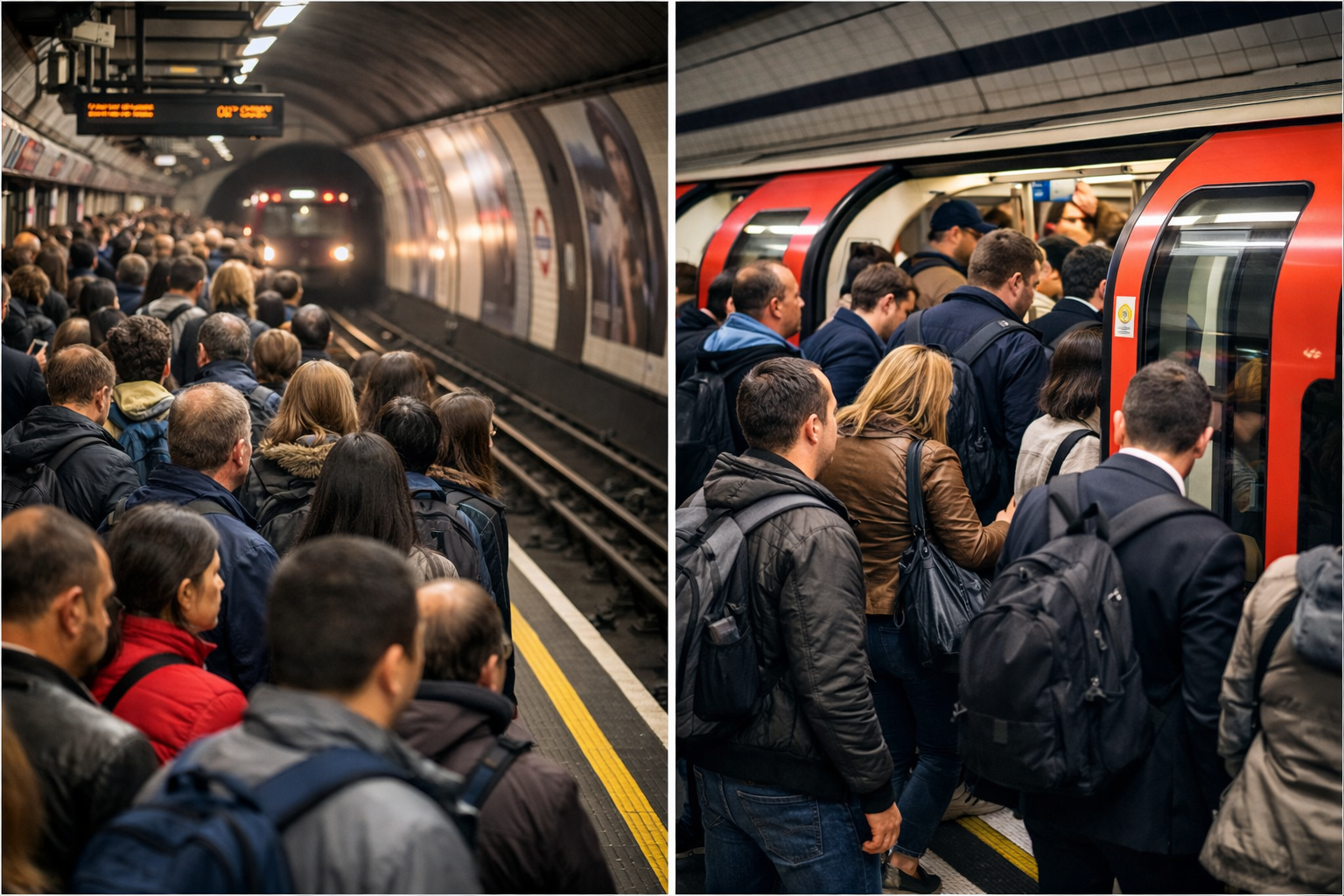
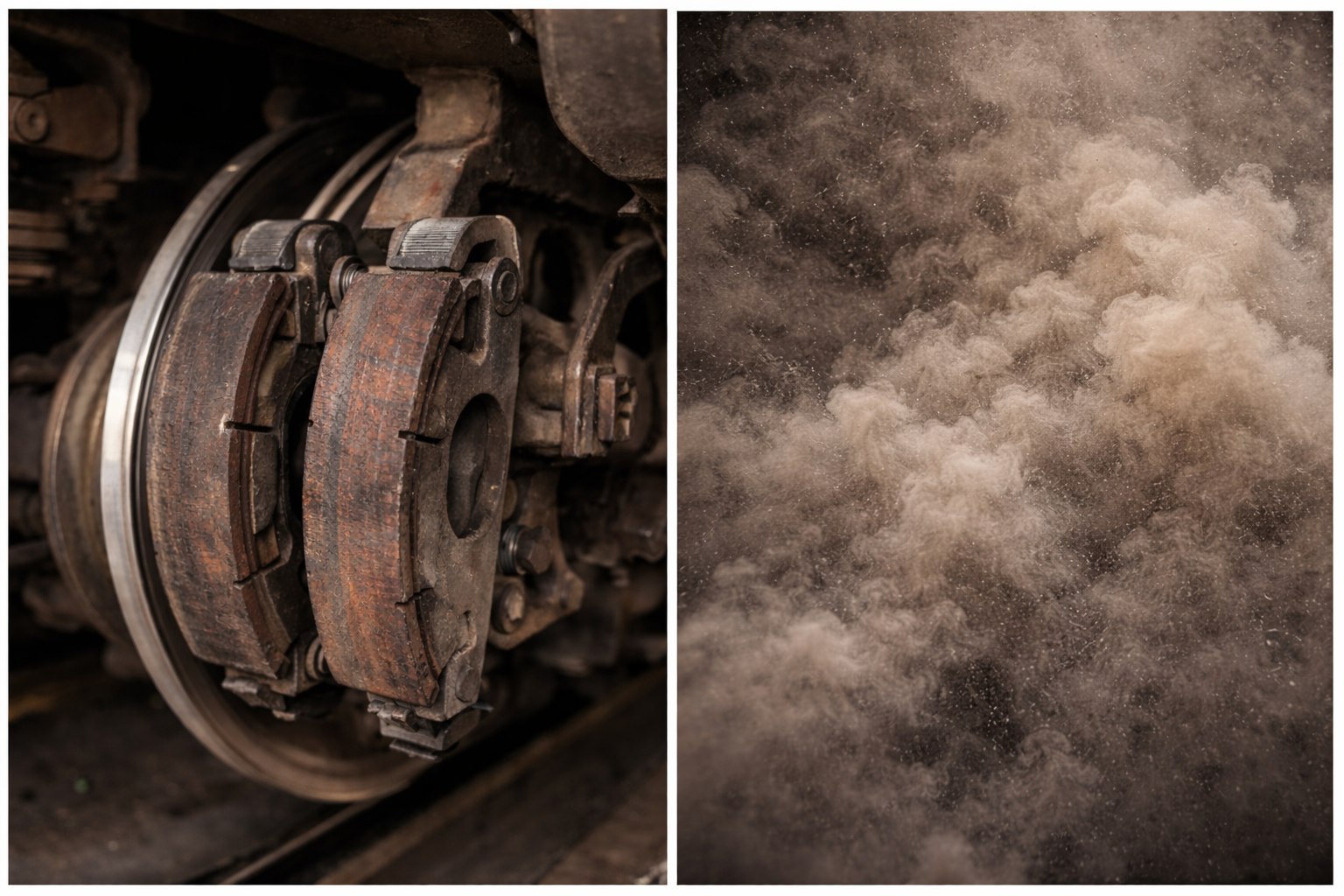
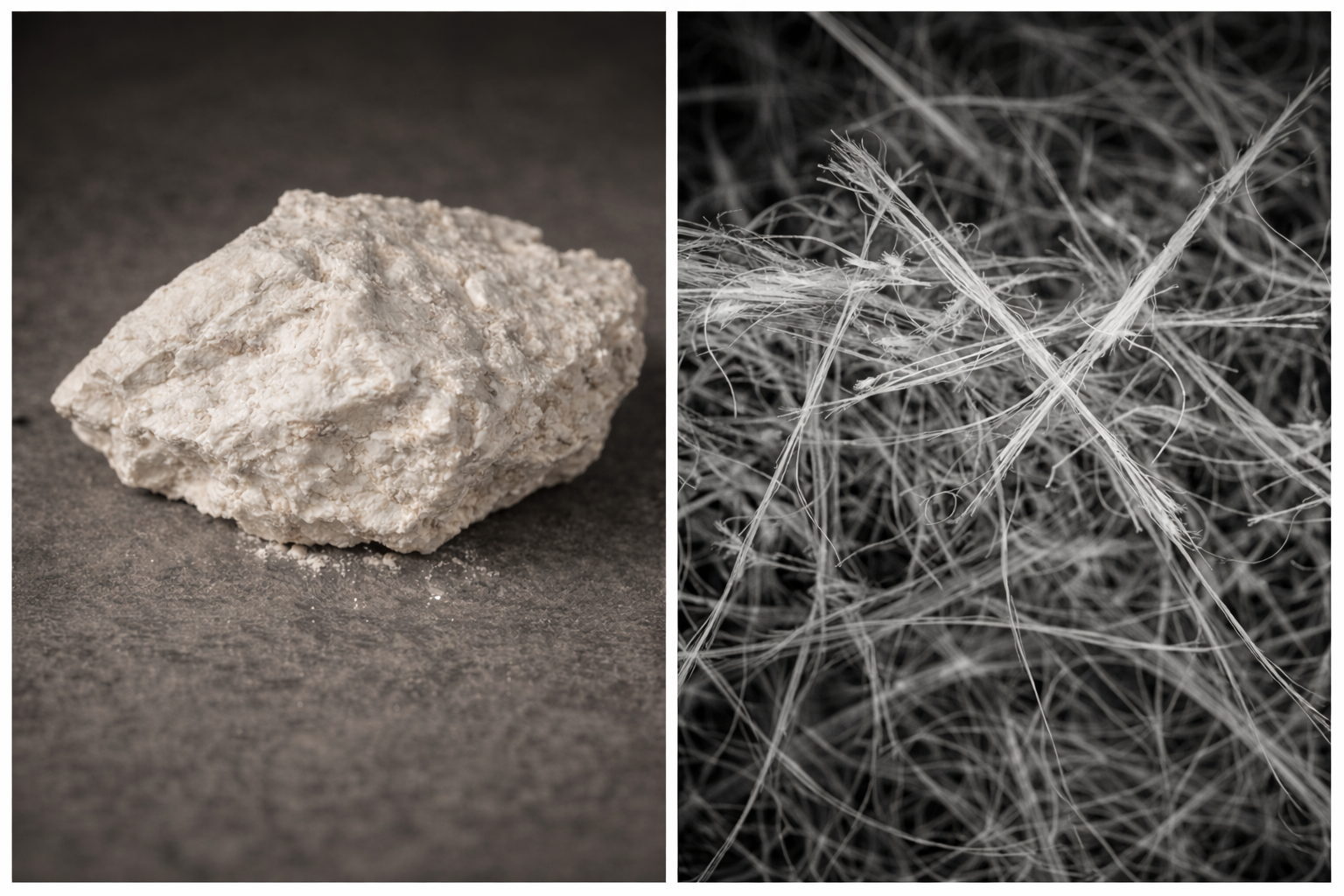
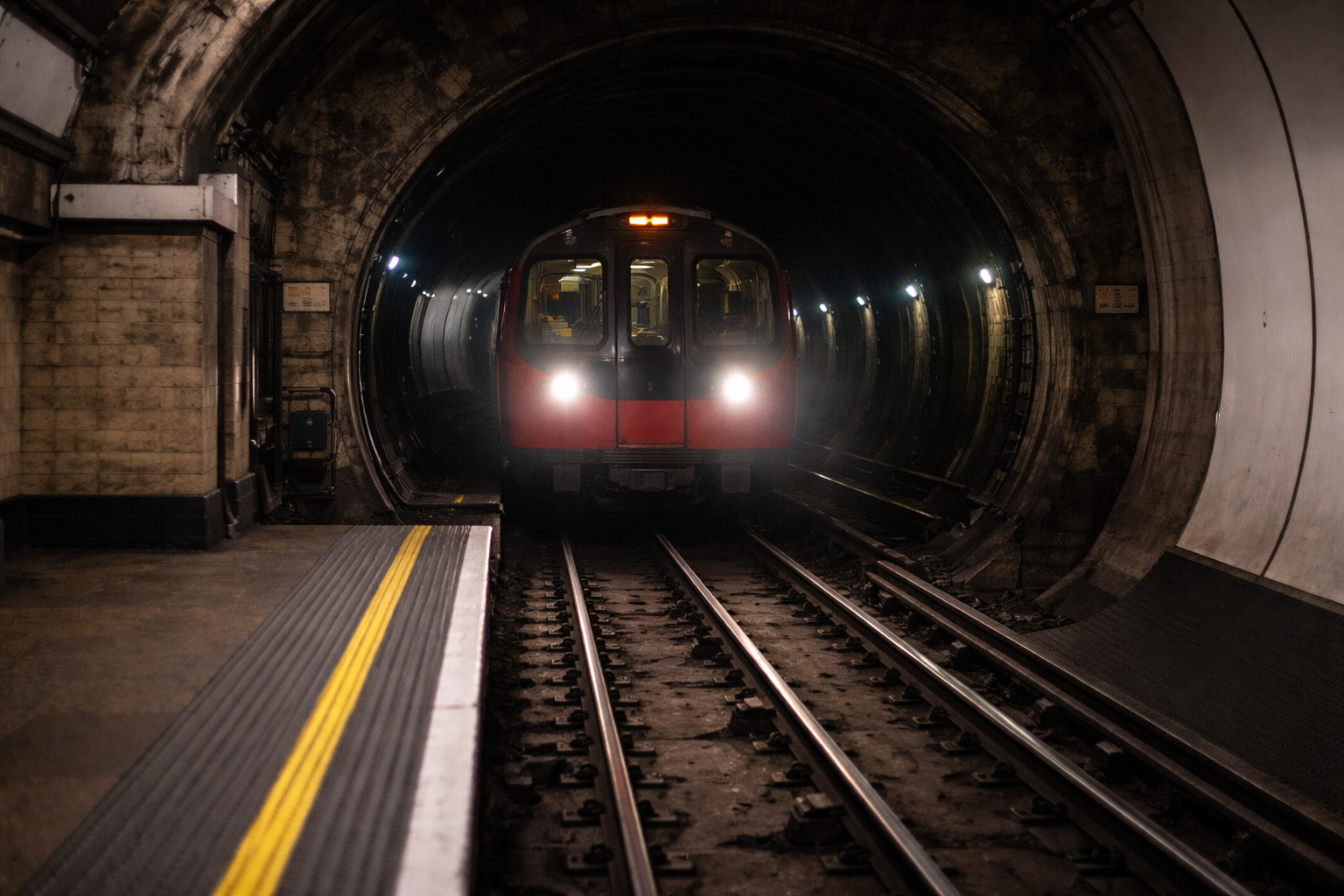
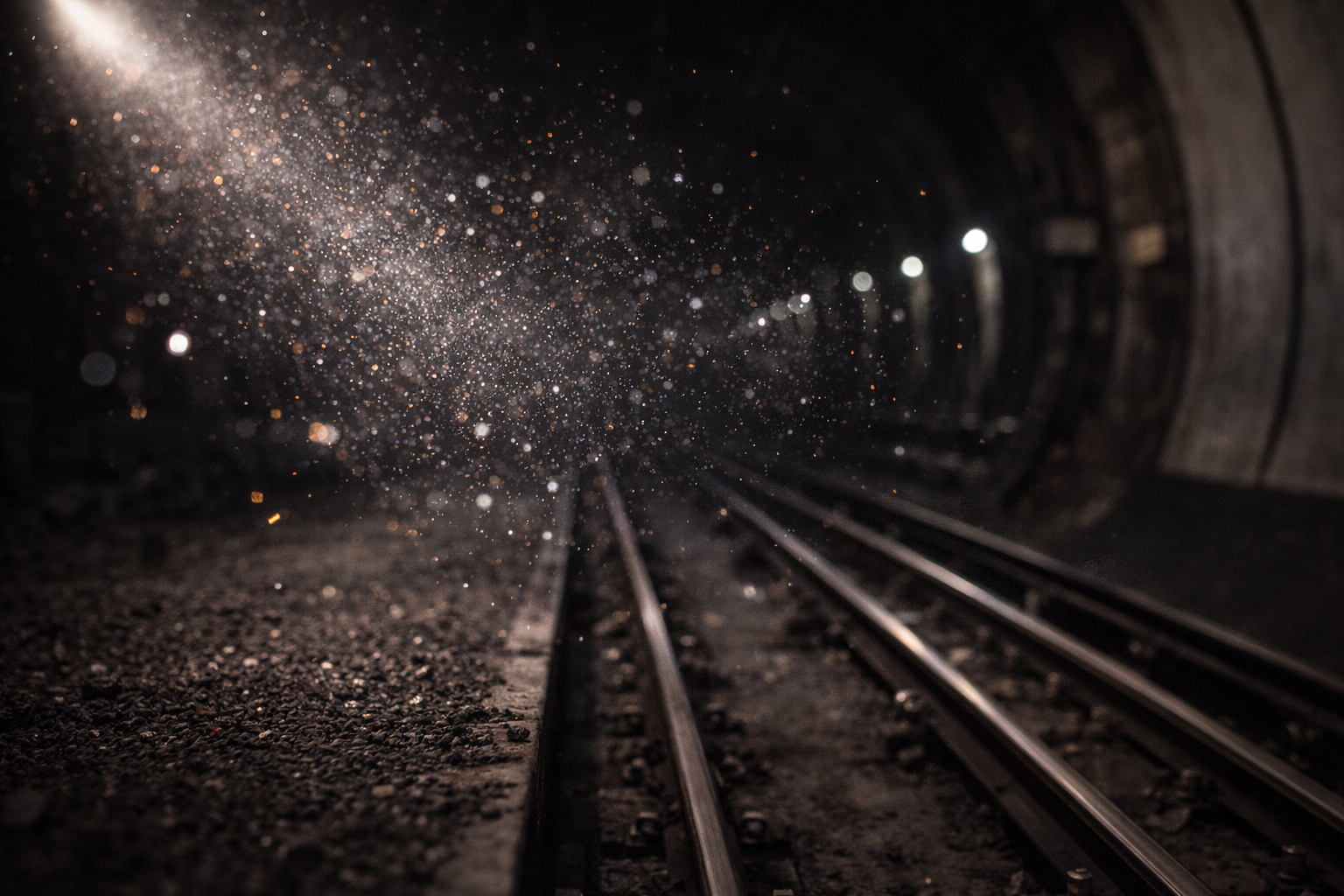
Yet despite the scale of the Underground network and the millions of people who use it every day, there appears to be remarkably little public discussion or easily accessible information online about what may still exist in the air below ground. This article raises questions based on publicly available information and personal experience. It does not claim to present definitive scientific findings, but rather asks whether a potential issue that could affect millions of daily passengers deserves closer examination. Over the past two decades, Transport for London has introduced an ever-growing portfolio of charges, fines, and restrictions — each one arriving under the same banner: a cleaner environment, safer roads, and better health outcomes for the people of this city. In 2023/24, Transport for London generated over £5 billion in total revenue, with projections suggesting this could rise to around £5.7 billion by 2025/26. Quite the scale for an organisation dedicated to public wellbeing. Which raises a reasonable question: if environmental health is the justification for many of these policies, how much of this revenue is being invested in understanding and improving the air quality inside the Underground itself? While TfL has been working tirelessly to protect the air above ground — fining, charging, expanding, enforcing — one might reasonably ask what it has been doing about the air below ground. The air that Tube trains push through the tunnels and out onto the platforms where Londoners wait for the Tube, some with children, some with babies, and some with both. The London Underground carries several million passenger journeys each day, making it one of the busiest transport systems in the world. Questions about the environment inside that system therefore could affect not just infrastructure, but the daily health exposure of a very large number of people. In the shadows of those tunnels, largely absent from public conversation, may lie a question that deserves closer attention. For decades, London Underground trains relied on brake pads manufactured from chrysotile — white asbestos. According to a Freedom of Information response published by Transport for London itself, London Underground began phasing out asbestos-containing materials in the early 1980s. The Health and Safety Executive confirms on its official website that asbestos brake components were prohibited across all UK vehicles only in 1999. That means that for several decades, an enormous number of braking events occurred inside enclosed underground tunnels. Every braking action would have released microscopic brake dust particles into that environment, which may have included asbestos fibres during periods when such materials were in use. Asbestos does not biodegrade. It does not dissolve. It does not simply settle and become harmless. Instead, asbestos fibres break into extremely small particles that can remain suspended in the air for long periods after disturbance. When Tube trains move through tunnels, they create what engineers call the piston effect, pushing air through the tunnel system and into station spaces. [Source: Transport for London — Underground ventilation and piston effect studies
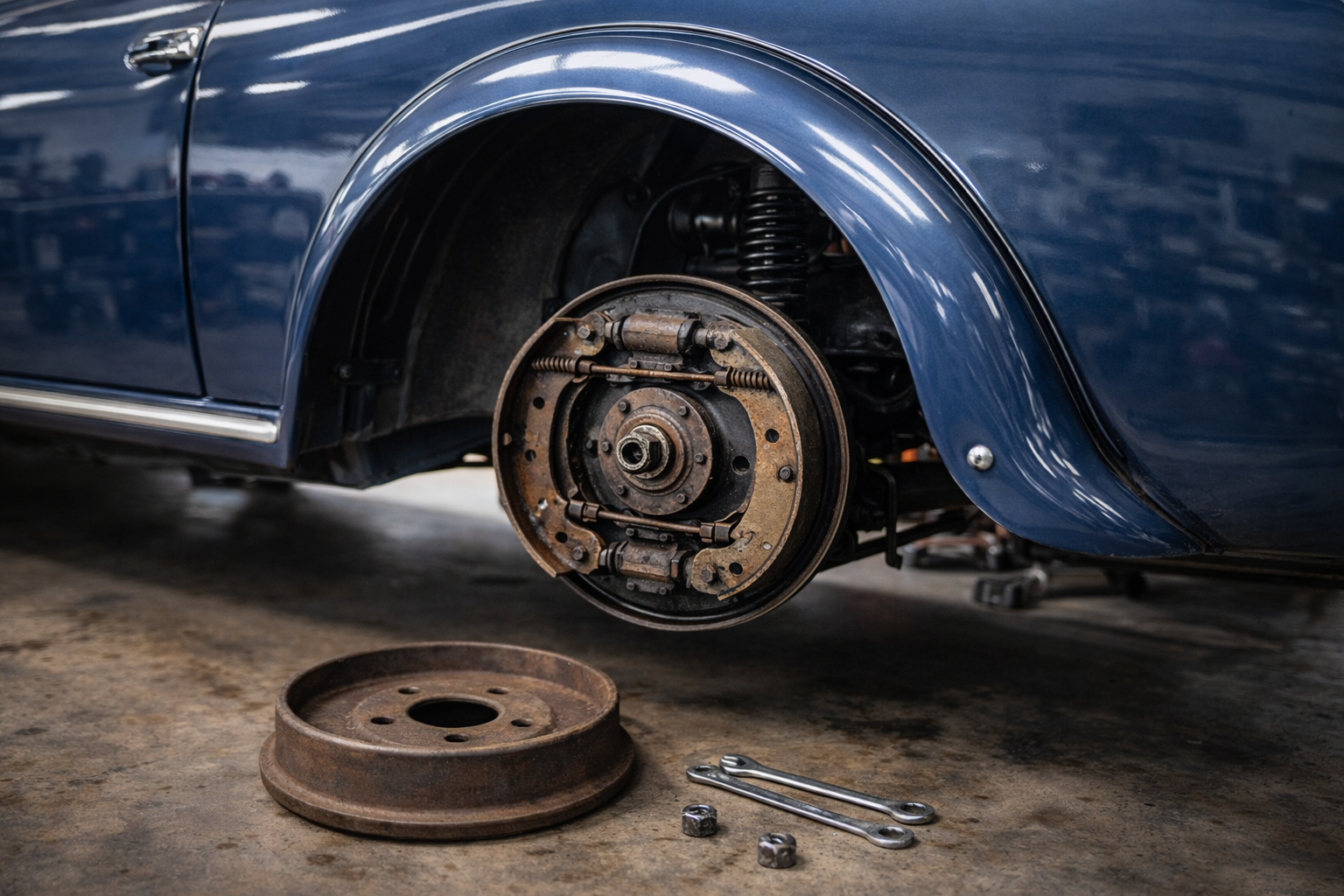
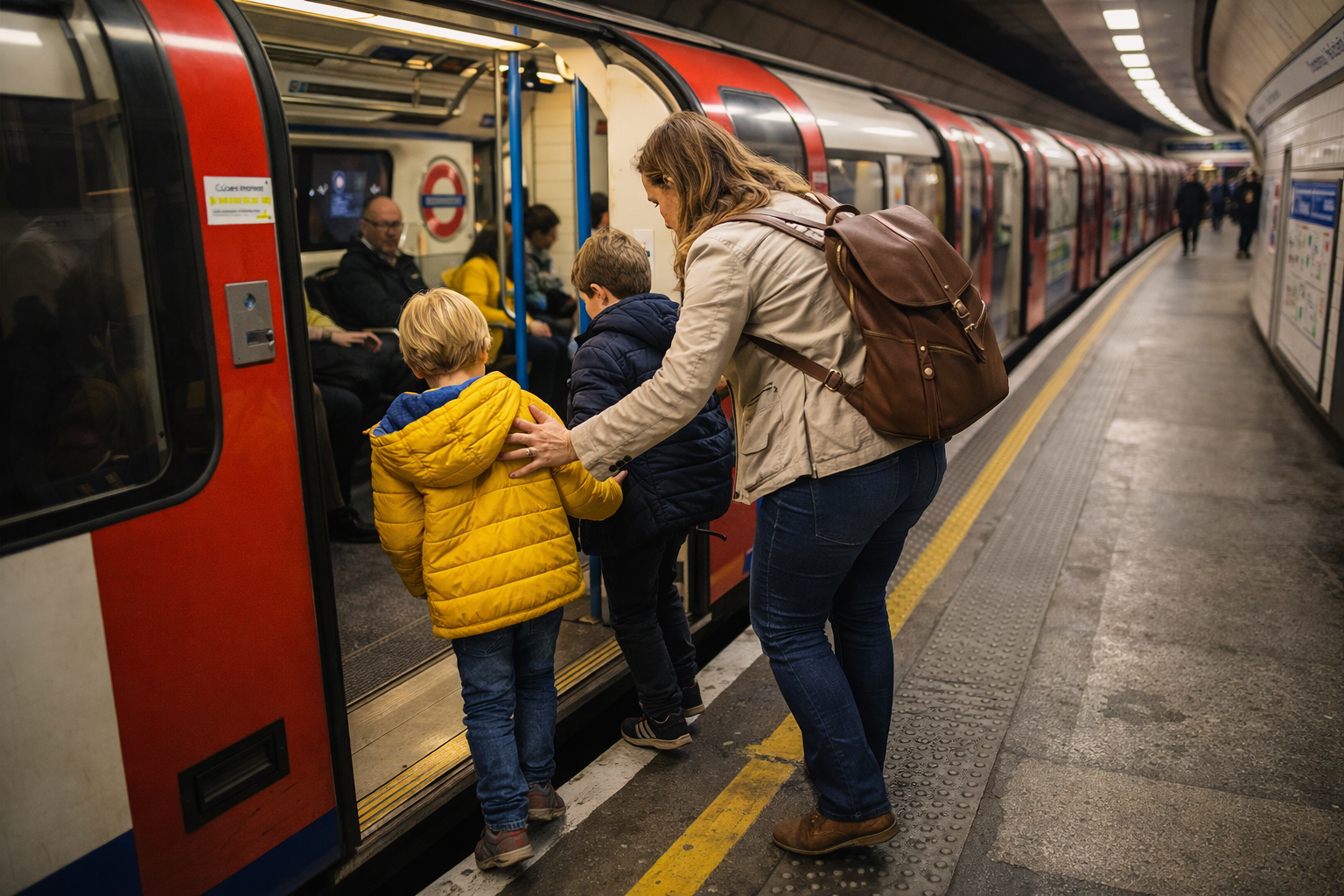
Any particles present in that environment can therefore be carried along with those air movements and reach the platforms where passengers are waiting. Whether historic asbestos contamination could still exist in tunnel environments today is a question that does not appear to have been widely examined in public discussion. Air quality studies have been carried out on parts of the London Underground system over the years, particularly looking at particulate matter created by braking and rail wear. Air quality studies have identified particulate matter generated by braking and rail wear, often containing microscopic metallic particles. These particles are known to contribute to respiratory irritation and have been associated with inflammation in the lungs, particularly in enclosed environments. While this is a separate issue from asbestos, it further highlights the importance of understanding the overall air quality within the Underground system. However, the historical presence of asbestos brake materials across several decades raises a different question. Has the long-term impact of that legacy ever been comprehensively studied in relation to tunnel air environments used daily by millions of passengers? If such research exists, it is not widely known or easily accessible to the public who rely on the system every day. The absence of publicly discussed research does not prove a risk exists. But it does raise an obvious question: has the question itself ever been properly examined? White asbestos — chrysotile — is classified by the UK Government as a Category 1 carcinogen, the highest classification used for substances with confirmed causal links to cancer in humans. According to official guidance published on GOV.UK, asbestos exposure is associated with mesothelioma, lung cancer, laryngeal cancer, and ovarian cancer. Government toxicological guidance confirms that chrysotile exposure can cause lung cancer, pleural disorders, and mesothelioma. A central principle taught in asbestos awareness training is that there is no completely safe level of exposure. Asbestos awareness training also highlights that certain groups may be more vulnerable to long-term health effects, particularly children, elderly individuals, and people with existing respiratory conditions. I spent many years working as a car mechanic, specialising in classic vehicles. Older cars — particularly those with low mileage — often still carried their original factory-fitted brake components. The rear brakes on these vehicles use brake shoes housed inside a metal drum. To access them, you strike the drum firmly with a hammer or mallet so the shoes retract and the drum can be removed. What always struck me as unusual was that my breathing reaction would begin almost immediately after striking the brake drum — before the drum had even been removed and before any visible cloud of dust appeared. There was no obvious dust in the air at that moment. Yet every time I performed that task, my body reacted in exactly the same way. My breathing changed instantly. It felt like an involuntary alarm response — something physical that I could not consciously control. Looking back, it is reasonable to consider that disturbing brake components could release extremely fine particles — both from the friction materials and from the metal surfaces involved — small enough to be inhaled before they are ever visible. At the time, I did not fully understand what was happening. I assumed it was simply rust or surface dust within the drum causing the reaction. I am now a qualified electrician and maintenance engineer, and part of my professional responsibilities includes identifying hazardous materials through mandatory asbestos awareness training required in my trade. Looking back, I later learned that brake components from that era commonly contained asbestos. What struck me later was something unexpected. When I stand on certain Underground platforms, and a Tube train enters the station, the rush of tunnel air sometimes produces a very similar sensation in my breathing. This raises a question. Is that sensation caused by microscopic metallic particles generated by braking and rail wear — known to exist within the Underground environment? Could it be related to asbestos fibres from historical materials used within the system? Or could it be a combination of both? This is, of course, a personal observation rather than a scientific measurement. But it was strong enough to make me begin asking questions. Through mandatory asbestos awareness training required in my trade, I have learned about the precautions and procedures used when asbestos is handled by specialist contractors. To illustrate the scale, consider what is required to remove asbestos safely from a single small bedroom ceiling. All furniture and objects are removed from the room first. Any carpets and underlay are also removed, leaving the floor taken back to a bare surface to prevent fibre contamination from being trapped in soft materials. The room must then be sealed completely. Every gap, vent, and opening is taped and sealed to create an airtight environment. Specialist teams work in full-body disposable protective equipment, and a full face respirator. The material is carefully removed and placed into sealed containment bags. Industrial vacuum equipment fitted with filtration capable of capturing microscopic fibres is then used to clean every remaining trace of dust. Finally, every surface is wiped down with specialised tack cloths designed to capture any remaining particles. That is the procedure for a single room. Now consider the scale of the London Underground: hundreds of miles of tunnels, decades of daily train movements, and countless braking events over time. If comprehensive remediation of historical contamination has taken place within those tunnels, it would be reasonable for passengers to expect that information to be publicly documented and accessible. One Institution. Two Very Different Standards Transport for London speaks frequently in the language of public health. The Congestion Charge improves air quality. ULEZ reduces emissions. Traffic enforcement protects Londoners. But the Underground network — used by millions every day — has a long documented history involving asbestos-containing materials. What monitoring of tunnel air quality takes place today? These are not unreasonable questions for a public body responsible for one of the most heavily used transport networks in the world. Working Londoners have accepted expanding charges and restrictions largely because they were told these measures protect public health, and in practical terms, they have little choice but to accept them. It is therefore reasonable for those same Londoners to ask how their health is being protected when travelling through the Underground system itself. And ultimately, responsibility for that question does not rest with TfL alone. The Mayor of London oversees the capital’s transport system. Is the air quality inside the Underground tunnels being regularly assessed? If the air inside the Underground tunnels has been properly studied and confirmed to pose no health risk, then that information should be clearly available to the public who use the system every day. But if uncertainty remains, a different question arises: have passengers ever truly been given the choice to decide whether they wish to expose themselves to that environment? And if a mother carrying a baby, or standing beside a young child on a busy platform, had access to all the relevant information, would she make the same decision? In crowded carriages, particularly during peak hours, the air can become warm, humid, and densely shared between passengers. It is not uncommon to see people opening the small windows between carriages in an attempt to let in what they assume is fresher air from outside. But this raises another question. If that incoming air is being drawn directly from the tunnel environment — the same environment already discussed — what exactly is being introduced into the carriage? And if passengers are actively seeking relief from the conditions inside the train, without full awareness of the air being drawn in from outside, would their behaviour change if that information were more clearly understood? Earlier today, I observed a mother travelling with two young children in a crowded carriage. The window between carriages had been lowered, and the children stood near the doorway, enjoying the rush of air as the train moved through the tunnel. To them, it appeared harmless — even entertaining. But it raises a simple and important question. If a parent were fully aware of what may exist within the tunnel environment, both historically and in the present day, would they make the same decision? Or would that moment be approached differently? In recent times, it has also become increasingly common to see small pets — particularly very small dogs — being carried on the Underground, often in bags or held close within crowded carriages. For many owners, these animals are treated as part of the family, and significant care is taken when it comes to their health and wellbeing — often to a level that exceeds the care we apply to ourselves. Which raises another question. If the environment within the Underground were more clearly understood — both in terms of its historical context and present-day air quality — would people make the same decision when bringing animals with much smaller lungs and shorter lifespans into that space? And if even a small level of long-term exposure were to have an effect, how would that ever be recognised? For some, the risk to themselves may not change behaviour. If a person who has never smoked develops lung cancer, yet has been a frequent user of the Underground, how would they ever determine whether their illness was linked to air pollution, environmental exposure within the transport system, or something else entirely? Without clear, accessible information about the Underground environment, how could any individual realistically connect the dots between long-term exposure and later health outcomes? And if that connection cannot be made, does the absence of publicly documented cases reflect a true absence of risk, or simply a lack of awareness and attribution? Publicly available information indicates that there have been over 100 asbestos-related claims linked to Transport for London in recent decades. These cases are most likely associated with workers and personnel who had identifiable exposure histories. But this raises a broader question: if individuals without documented exposure — such as regular passengers — were affected over time, how would those cases ever be recognised or connected to the Underground environment? And if that connection cannot easily be made, would the true number be higher than what is currently visible in official records? In a society where cigarette packets carry clear health warnings, should Underground tickets and Oyster cards carry some form of health advisory as well? Mayor of London — Mayor’s Transport Strategy (2018)
Source: Transport for London — Travel in London Report
The Public Health Justification
Source: Mayor of London — Mayor’s Transport Strategy (2018); TfL ULEZ and Congestion Charge policy documents; TfL Vision Zero strategy
Source: Transport for London Annual Report and Statement of Accounts 2023/24; TfL Business Plan projections
The air in the tunnels.
The air breathed by millions of passengers every single day.
Source: Transport for London — Travel in London Report
The Dark Question in the Tunnels
Source: Health and Safety Executive — Asbestos: types and historical use
Source: Transport for London FOI responses — asbestos materials
Source: Health and Safety Executive — Asbestos ban timeline
Source: Health and Safety Executive — Asbestos properties and behaviour]
Surce: Health and Safety Executive — Asbestos exposure guidance
The Evidence Gap
Source: Transport for London — London Underground air quality studies
Source: King’s College London / TfL air quality research
Source: World Health Organization — Air pollution and particulate matter health effects
What White Asbestos Does to the Human Body
Source: GOV.UK / Health and Safety Executive — Asbestos health risks and classification
Source: GOV.UK — Asbestos: health effects
Source: Health and Safety Executive — Asbestos health risks
Source: Health and Safety Executive — Asbestos awareness guidance
Source: Health and Safety Executive — Asbestos exposure guidance
I Know What My Body Is Telling Me
Source: Health and Safety Executive — Asbestos in automotive components (historical use)
Source: Transport for London / King’s College London — Underground particulate matter studies
What a Proper Clean-Up Actually Requires
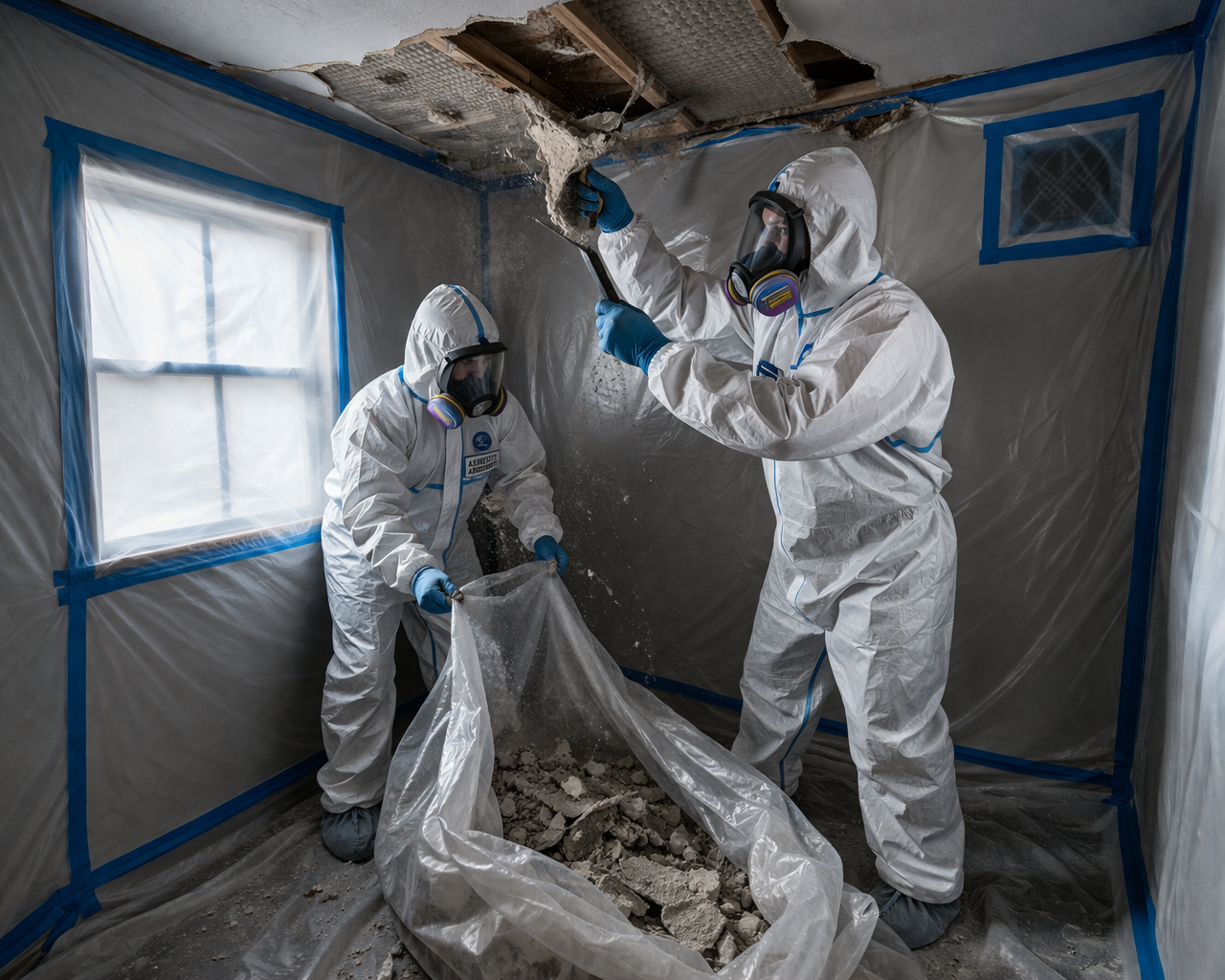
Source: Health and Safety Executive — Asbestos removal and control procedures
Source: Mayor of London — Mayor’s Transport Strategy (2018); TfL policy frameworks
Source: Transport for London — Congestion Charge policy
Source: Transport for London — ULEZ policy documentation
Source: Transport for London — Road safety and enforcement policies
Source: Transport for London FOI disclosures; Health and Safety Executive — historical asbestos use
Passengers may reasonably ask:
What remediation has occurred historically?
What information is provided to passengers about underground air environments?
Are improvements being actively pursued where necessary?
And if so, why is so little information about this environment widely discussed or communicated to the public?The Question of Choice

But would the same be true when it comes to something they care about more?
Source: Transport for London — legal disclosures / asbestos-related claims data
Sources (Supporting References)
Transport for London — Annual Report and Statement of Accounts 2023/24
Transport for London — Business Plan
Transport for London — Travel in London Report
Transport for London — ULEZ and Congestion Charge policy documents
Transport for London — London Underground air quality studies
Transport for London — FOI responses (asbestos materials)
Health and Safety Executive — Asbestos: types, risks, and regulations
Health and Safety Executive — Asbestos removal and control procedures
GOV.UK — Asbestos health effects and classification
World Health Organization — Air pollution and particulate matter health effects
King’s College London / TfL — London Underground air quality research
UK Government — Tobacco health warning regulations