Buying and Servicing Appliances, A Bay Area Homeowner Guide
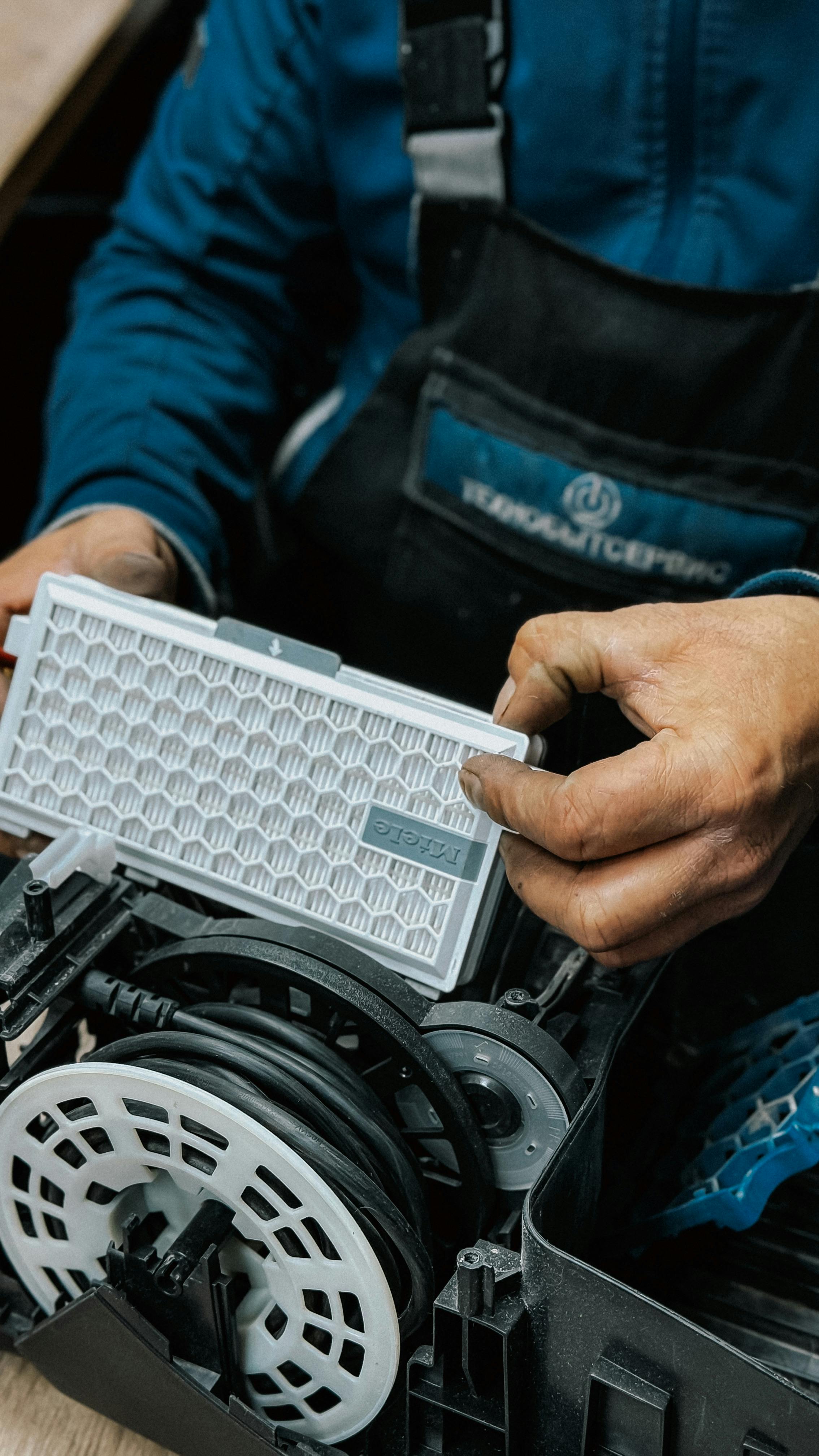
Appliances fail at the worst times. A refrigerator warms up right before guests arrive. A dishwasher stops draining on a weeknight. A dryer takes two cycles to finish a load. When that happens, you face two decisions. Repair or replace, then who to trust for the work.
In the Bay Area, those decisions get tougher. Many homes have older cabinetry sizes, tight kitchens, and electrical panels built for a different era. In places like San Rafael and much of Marin County, you often find remodel layers where old and new meet. A smart plan relies on measurements, compatibility checks, and a clear service approach.
What an appliance provider might cover
Some businesses focus on repairs only. Others combine a showroom with repair services. The Martin & Harris Appliances report page describes both, listing appliance repairs for major household equipment and a showroom that sells items such as refrigerators, dishwashers, washers and dryers, ovens, cooktops, and small appliances. It also notes a San Rafael showroom with demonstrations in practical home environments.
That combined model matters when you want continuity. A repair team that knows common failure points, plus a sales team that understands fit and installation constraints, often reduces mismatches.
Start with the repair versus replace decision
The goal is not to chase the newest model. The goal is a reliable appliance that fits your space and your household habits.
Ask these questions first
• What is the appliance age and brand.
• What is the failure type, performance issue, leak, noise, heating problem, or control issue.
• Has the appliance shown warning signs, such as repeated resets, poor temperature control, or frequent error codes.
• Do you have any warranty coverage, including extended coverage tied to purchase.
Common decision points by appliance type
Refrigerator
• Food safety concerns raise the urgency.
• Compressor and sealed system issues often push toward replacement, yet diagnosis matters.
Dishwasher
• Drain and pump issues sometimes tie to clogs or a failing component.
• Leaks require fast action to protect cabinets and floors.
Washer and dryer
• Overloads and vibration often relate to leveling and floor stability.
• Dryer performance issues often relate to vent restrictions.
Oven and cooktop
• Heating issues vary widely by fuel type and ignition system.
• Control boards and sensors require careful diagnosis.
How to prepare for a repair visit
A repair goes smoother when you do a little prep and documentation.
Before the technician arrives
• Clear access to the appliance and the shutoffs.
• Take photos of the model and serial tag.
• Write down error codes and when they appear.
• Note recent changes, such as power outages, new detergents, or a move.
For leaks
• Shut off the water supply to the appliance.
• Dry the area and watch where water returns.
• Look for slow seepage under the unit and at hoses.
For electrical issues
• Note whether the breaker trips.
• Avoid repeated resets if it trips again.
For ventilation issues, dryers especially
• Check whether the exterior vent flap opens during operation.
• Note lint buildup and long dry times.
What to look for when choosing a repair provider
Many homeowners focus on speed. Speed matters, yet skill and parts access matter too.
Comparison points
• Diagnostic process: do they explain likely causes and steps.
• Parts strategy: do they stock common parts or order per case.
• Communication: do they give a clear update once diagnosis is complete.
• Safety and protection: do they protect floors and cabinetry.
• Authorization: some brands require factory authorization for warranty work.
If a provider also sells appliances, ask whether service covers items purchased elsewhere and how service scheduling works.
Buying new appliances, the fit matters more than features
A new appliance that does not fit is a costly mistake. Fit includes dimensions, clearances, and hookups.
Measurement checklist for kitchens
• Width, height, and depth of the appliance opening
• Door swing clearance against islands and walls
• Handle depth and drawer clearance
• Countertop overhang that affects door opening
• Venting path for ranges and over-the-range microwaves
• Water line and drain location for dishwashers
Measurement checklist for laundry
• Doorway and hallway clearances on the delivery path
• Vent location and length for dryers
• Drain standpipe location and height
• Floor stability and slope for high-spin washers
In older Bay Area homes, cabinetry openings often do not match today’s standard sizes. Tight corners and narrow hallways also affect delivery.
Fuel, power, and ventilation compatibility
Many appliance problems trace back to mismatched hookups.
Electrical
• Confirm circuit type and amperage for ranges, ovens, and some dryers.
• Confirm outlet type, especially for older kitchens and laundry rooms.
• For remodels, confirm panel capacity for added circuits.
Gas
• Verify shutoff access and connector condition.
• Confirm venting requirements for gas ranges and gas dryers.
Ventilation
• For dryers, long vent runs increase lint risk and reduce performance.
• For kitchen ventilation, duct routing affects noise and capture performance.
A showroom that understands installation constraints helps here. The Martin & Harris report page describes its showroom and sales support alongside repairs.
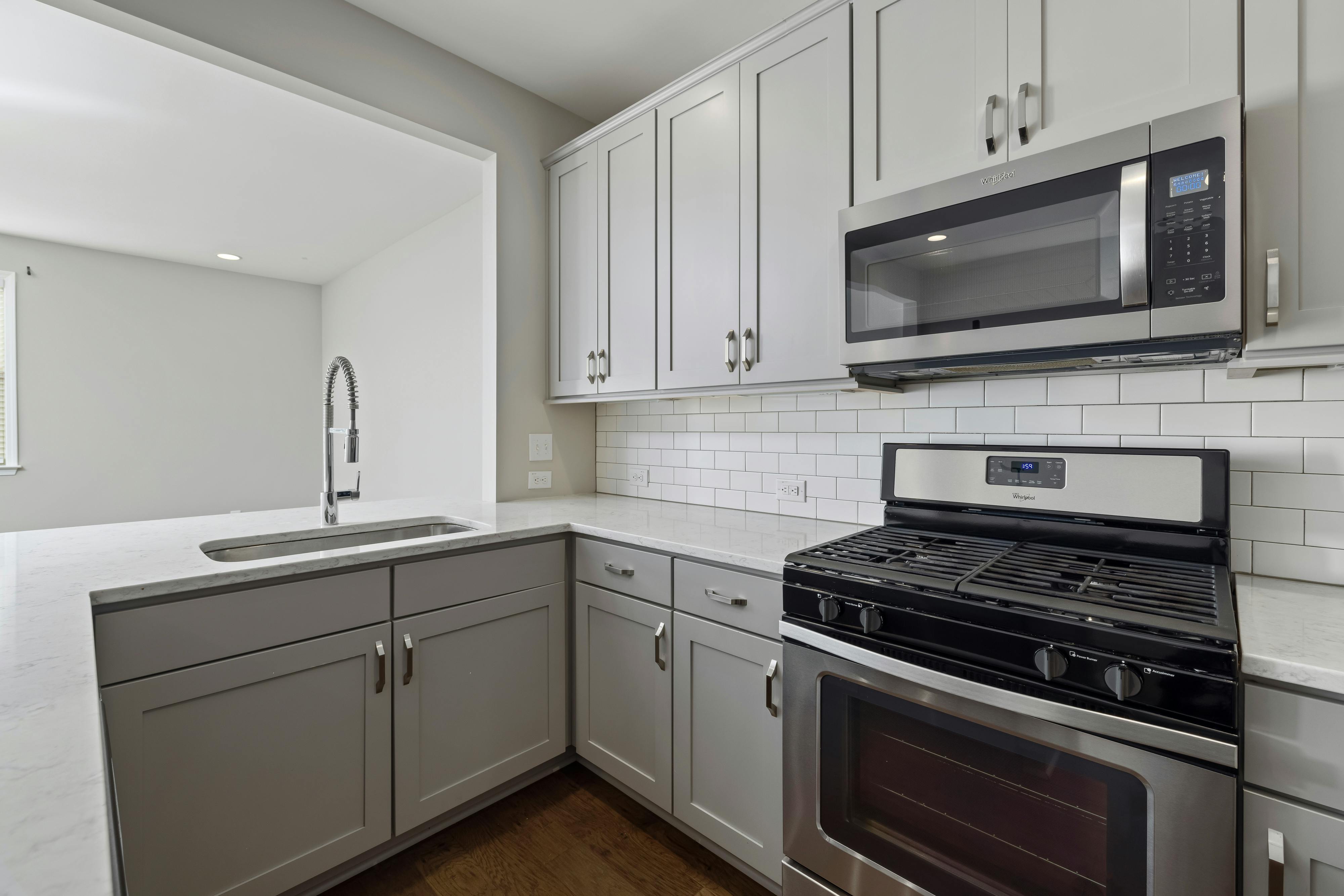
Delivery and installation, define scope clearly
Appliance installation varies widely. Some installations are simple swaps. Others require adjustments.
Ask these questions before delivery day
- Does installation include removal and haul-away of the old unit.
- Does installation include new connectors and hoses, or reuse of existing.
- Who handles modifications, such as cabinet trimming, new outlets, or vent updates.
- What happens if the unit arrives and does not fit.
If cabinet modifications or electrical work is needed, plan the sequence. The appliance often arrives last, once hookups are ready.
Common pitfalls homeowners face
Avoiding a few common mistakes saves time and stress.
Pitfall 1, buying by feature list, not by fit
A door-in-door refrigerator or a wide French door unit needs clearance. Measure twice, then confirm hinge swing.
Pitfall 2, ignoring ventilation
A dryer with a crushed vent hose performs poorly and raises lint risk. A kitchen hood with poor duct routing underperforms even if the hood is powerful.
Pitfall 3, skipping service access
A built-in unit with no access panel turns small repairs into a bigger event.
Pitfall 4, mixing appliance finishes without a plan
Stainless steel finishes differ across brands and years. If matching matters, confirm it in person.
Pitfall 5, forgetting noise and layout
Open concept homes make dishwasher and fridge noise more noticeable. In smaller San Rafael-area homes, laundry noise travels through floors and walls. Consider placement and insulation.
How to compare appliance brands without chasing hype
You do not need a trendy list. You need the right match for your use.
Practical comparison criteria
• Service network and part availability
• Repair complexity, such as integrated controls and sealed systems
• Real-world capacity, such as usable fridge space or oven size
• Controls that fit your household, simple dials versus touch controls
• Cleaning needs, such as filter access and lint traps
A homeowner checklist for appliance lifespan support
Routine habits reduce breakdowns.
Refrigerator
• Clean condenser coils on a schedule that fits your dust levels.
• Keep door gaskets clean and inspect for gaps.
• Avoid blocking vents inside the fridge with packed items.
Dishwasher
• Clean the filter and spray arms periodically.
• Run hot water at the sink before starting, if your kitchen runs cold.
• Watch for standing water after cycles.
Washer
• Level the machine and recheck after moves.
• Clean the detergent drawer and gasket area.
• Leave the door open between loads for ventilation.
Dryer
• Clean the lint screen every load.
• Inspect the vent outlet and keep it clear.
• Schedule vent cleaning based on usage and vent length.
Cooking appliances
• Keep burner ports clean on gas units.
• Avoid harsh abrasives on glass tops.
• Use the self-clean feature sparingly, if your unit runs hot.
What to do when a repair does not solve the issue
Sometimes a repair resolves one symptom and reveals another. That is common, especially with older units.
Steps that help
• Ask for the failed part explanation and what changed after replacement.
• Keep notes about recurring error codes and conditions.
• Ask whether other components show wear, such as pumps, belts, or sensors.
• Decide whether the next step is a second repair or replacement planning.
A neutral research reference
If you want a quick reference for the mix of services that some appliance providers offer, including major appliance repairs plus a showroom sales operation, the Martin & Harris Appliances report page provides a helpful overview for building your comparison checklist.
A calm way to make the decision
When an appliance fails, the best move is a simple process:
- Document the symptom, model, and age.
- Schedule diagnosis and ask for a clear explanation of options.
- If replacement makes sense, measure the space and confirm hookups.
- Plan delivery and installation steps in the right order.
- Set simple maintenance reminders for the new or repaired unit.
That approach fits the Bay Area reality of mixed-era homes and tight spaces. It also keeps the decision grounded in fit, safety, and long-term usability.
https://www.diamondcertified.org/report/martin-harris-appliances/