The Great Movement: Understanding the Forces Behind Human Migration
Human history is essentially the history of movement. Since the dawn of civilization, humans have traversed continents, crossed oceans, and climbed mountain ranges in search of better horizons.
While our ancestors moved primarily to follow food sources or survive shifting climates, modern migration is a complex tapestry woven from economic, social, and environmental threads.
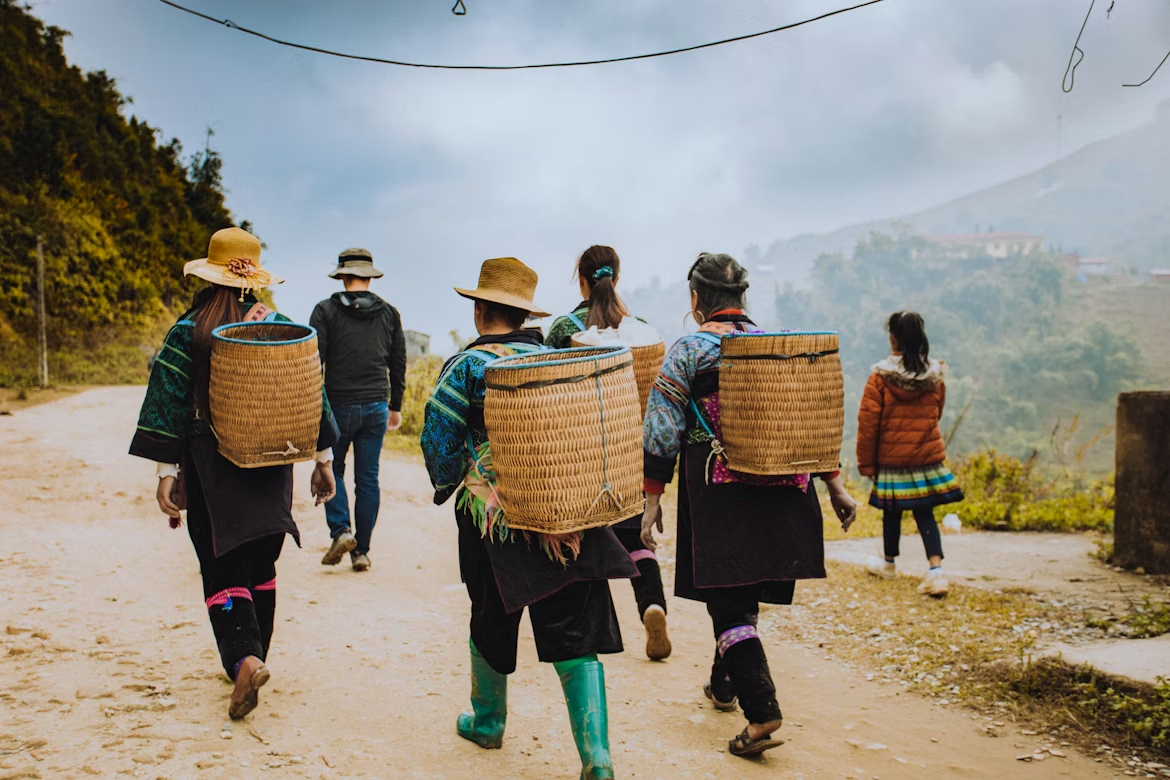
At its core, human migration can be broken down into "push" and "pull" factors. Push factors are the circumstances that force people to leave their homes—often against their will. These include political instability, persecution, war, and the recent, escalating impact of climate change.
As droughts intensify and rising sea levels threaten coastal communities, "climate refugees" are becoming a permanent fixture of global demographics. When a home no longer provides safety or the basic means of survival, movement becomes a necessity rather than a choice.
Conversely, pull factors act as magnets. The promise of economic opportunity, access to higher education, reuniting with family, or simply a higher quality of life draws individuals to new countries. These patterns often follow historical and trade links, creating well-trodden paths between developing nations and established global hubs.
Today, technology has added a layer of complexity to these patterns. Digital connectivity allows migrants to research destinations, secure employment, and maintain ties with their home countries in ways previous generations never could. However, the fundamental motivation remains startlingly consistent: the innate human desire for a better life.
Understanding these patterns is more than an academic exercise; it is essential for fostering global empathy. Migration is not merely a statistical flow of people across borders—it is a collection of individual journeys.
By recognizing the powerful forces that drive these movements, we can move toward a more human-centered approach to policy, acknowledging that at the heart of every migration story is a person seeking the same thing we all want: a future.