Step-by-Step Guide to Start an MLM Business Using Software in 2026
Starting a multi level marketing business in 2026 requires more than just a good product and a network of people. With increasing competition and global expansion, businesses need a structured approach supported by the right technology. This is where MLM software becomes essential.
MLM software simplifies operations, automates commission management, and provides the tools needed to build and scale a successful network marketing business. This guide walks you through the exact steps to launch your MLM business using software, from planning to execution.
Step 1: Define Your Business Model and Niche
The first step in starting an MLM business is to clearly define your business model. Decide what products or services you will offer and identify your target audience.
Choosing the right niche is crucial for long term success. Popular MLM niches include health and wellness, beauty products, digital services, and financial products. Your niche should have strong demand, repeat purchase potential, and scalability.
A well-defined business model sets the foundation for all future decisions, including compensation plans and marketing strategies.
Step 2: Choose the Right Compensation Plan
The compensation plan determines how distributors earn income, making it one of the most important elements of your MLM business.
Common MLM compensation plans include Binary, Unilevel, Matrix, and Hybrid models. Each has its own structure and benefits. For example, Binary plans focus on team performance, while Unilevel plans allow unlimited frontline recruits.
Select a plan that aligns with your business goals and is easy for distributors to understand. A simple and transparent compensation structure improves engagement and retention.
Step 3: Select the Best MLM Software
Choosing the right MLM software is critical to your business success. The software will handle your entire operation, including distributor management, commission calculations, and reporting.
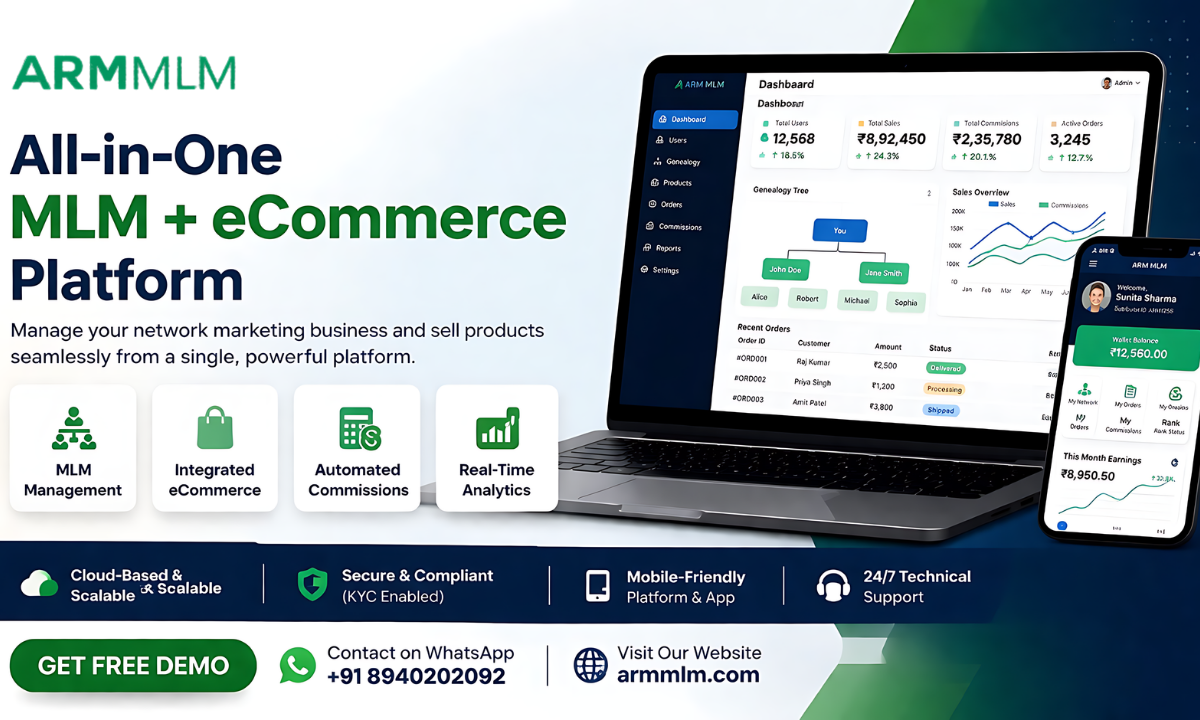
Look for features such as genealogy tree management, automated commission processing, e wallet integration, multi-currency support, and mobile accessibility. Ensure the platform is scalable and secure.
A reliable MLM software solution will save time, reduce errors, and allow you to focus on growing your business.
Step 4: Customize Your Platform
Once you choose your MLM software, the next step is customization. Configure the compensation plan, set commission rules, and design workflows according to your business model.
You can also customize the user interface, branding, and dashboard features to create a unique experience for your distributors. Integration with payment gateways and third party tools should also be set up at this stage.
Proper customization ensures that the software aligns perfectly with your business requirements.
Step 5: Set Up Payment Systems
A smooth and secure payment system is essential for any MLM business. Distributors should be able to receive their earnings without delays or complications.
Integrate multiple payment gateways such as bank transfers, digital wallets, and cryptocurrency options. An e wallet system within the software helps manage transactions efficiently.
Ensure that your payment system supports multiple currencies if you plan to operate globally.
Step 6: Implement Security and Compliance
Security is a critical aspect of running an MLM business. Protecting user data and financial transactions should be a top priority.
Use MLM software that includes features like data encryption, secure login systems, and two factor authentication. Additionally, ensure that your business complies with local regulations and legal requirements related to network marketing.
Strong security and compliance build trust and credibility among distributors.
Step 7: Launch Your Platform
After setting up and testing your system, it is time to launch your MLM business.
Start by onboarding initial distributors and providing them with training on how to use the platform. Ensure that all features, including registration, commission tracking, and withdrawals, are functioning properly.
A smooth launch creates a positive first impression and sets the stage for future growth.
Step 8: Focus on Marketing and Recruitment
Once your platform is live, focus on growing your network. Develop marketing strategies to attract new distributors and customers.
Use digital marketing channels such as social media, content marketing, email campaigns, and paid advertising. Provide promotional materials and tools to your distributors to help them recruit effectively.
Consistent marketing efforts are essential for building a strong and active network.
Step 9: Monitor Performance and Optimize
After launching your MLM business, continuously monitor its performance using the analytics and reporting features of your software.
Track key metrics such as sales volume, distributor activity, and network growth. Identify areas for improvement and optimize your strategies accordingly.
Regular analysis helps you stay competitive and ensures long term success.
Step 10: Scale Your Business
With a strong foundation in place, focus on scaling your MLM business. Expand into new markets, introduce new products, and enhance your compensation plans.
Leverage advanced features such as AI analytics, automation tools, and mobile apps to improve efficiency and user experience.
Scaling requires a combination of technology, strategy, and continuous innovation.
Final Thoughts
Starting an MLM business in 2026 is much easier and more efficient with the help of advanced MLM software. By following a structured approach and leveraging the right tools, businesses can build a scalable and successful network marketing system.
From defining your business model to scaling operations, each step plays a crucial role in your success. Investing in the right MLM software not only simplifies operations but also provides a strong foundation for long term growth.
With the right strategy and technology, you can create a powerful MLM business that thrives in today’s competitive digital landscape.