Mobile Retailing Reshaping Digital Shopping and Retail Experience
Introduction
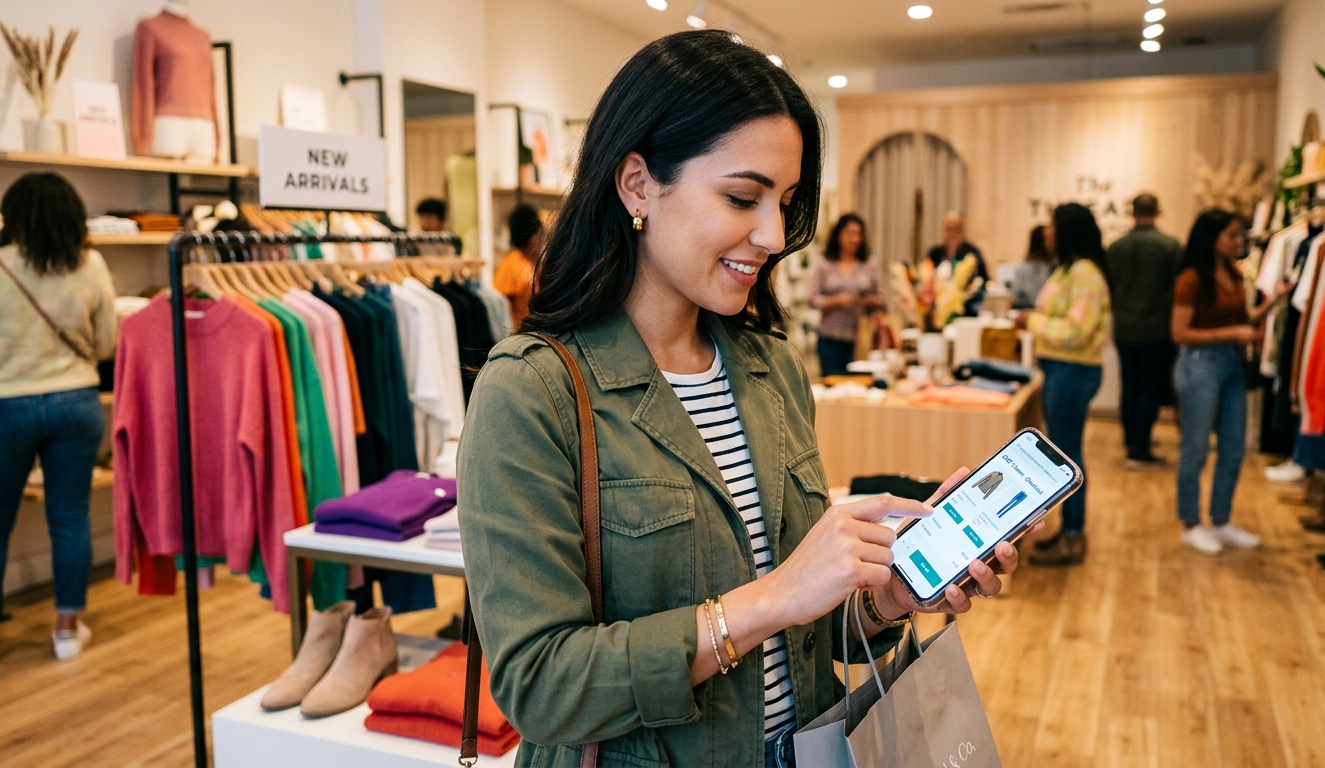
Retail has undergone a significant transformation over the last decade as digital technologies continue to influence how consumers discover, evaluate, and purchase products. Smartphones and connected devices have changed the traditional retail journey, allowing customers to browse products, compare prices, and complete purchases from anywhere. This shift has given rise to mobile retailing, a powerful trend that is redefining the relationship between consumers and brands.
Today, retail organizations are investing heavily in mobile-first strategies to improve customer engagement and provide seamless shopping experiences. Consumers expect fast, personalized, and convenient services across digital channels, and mobile retailing provides the infrastructure that supports these expectations. Mobile apps, digital wallets, augmented reality experiences, and real-time product recommendations have all become part of the modern retail ecosystem.
As mobile technology continues to evolve, retailers must adapt to new consumer behaviors. Businesses that prioritize mobile retailing strategies can create stronger customer relationships, deliver better shopping experiences, and remain competitive in an increasingly digital marketplace.
Understanding the Evolution of Mobile Retailing
The concept of mobile retailing refers to buying and selling goods or services using mobile devices such as smartphones and tablets. Consumers can browse online stores, compare prices, read product reviews, and complete transactions directly from their devices. This convenience has made mobile devices one of the most influential platforms in the retail industry.
Over time, mobile technology has evolved from a simple browsing tool to a complete retail platform that supports discovery, purchasing, and post-purchase services. Consumers no longer rely solely on desktops or physical stores for shopping. Instead, they move fluidly between digital channels, often starting their shopping journey on a mobile device.
The growth of mobile commerce has been dramatic. Mobile devices now generate a majority of e-commerce traffic and a large portion of online orders, demonstrating how mobile retailing has become central to modern retail strategies.
This rapid shift toward mobile-first shopping has encouraged retailers to redesign their digital platforms, optimize mobile apps, and integrate advanced technologies that improve customer experience.
Mobile Retailing Transforming Customer Experience
One of the biggest advantages of mobile retailing is its ability to deliver highly personalized and engaging shopping experiences. Retailers can use data collected from mobile interactions to understand consumer preferences, purchasing behavior, and browsing patterns.
Advanced technologies such as artificial intelligence and machine learning enable retailers to provide tailored recommendations, personalized offers, and contextual promotions. These capabilities allow brands to present relevant products to customers at the right time, increasing customer satisfaction and improving conversion rates.
Mobile devices also support immersive shopping experiences. Technologies like augmented reality allow customers to visualize products before purchasing them. For example, consumers can virtually try on clothing, test makeup products, or preview furniture inside their homes. These interactive features demonstrate how mobile retailing is moving beyond simple transactions to create engaging digital experiences.
Retailers are also using mobile technologies to empower store associates. Mobile apps can provide real-time product information, inventory updates, and customer insights, helping staff deliver more personalized assistance in physical stores. This combination of digital and in-store capabilities strengthens the role of mobile retailing in modern retail operations.
Mobile Retailing Driving Omnichannel Retail Strategies
Modern consumers rarely rely on a single shopping channel. They may research products on their smartphones, compare prices online, and complete purchases in physical stores. Because of this behavior, retailers are developing omnichannel strategies that integrate online and offline experiences.
Mobile retailing plays a crucial role in connecting these channels. A mobile device often acts as the starting point of the shopping journey. Customers use their phones to discover products, locate nearby stores, and access digital coupons or loyalty rewards.
Retailers also use mobile technology to support services such as buy online and pick up in store. Customers can place orders through mobile apps and collect their purchases at nearby retail locations, creating a seamless connection between digital and physical commerce.
Another important development is the use of mobile devices for contactless payments. Technologies such as digital wallets and near-field communication allow customers to complete transactions quickly and securely. These innovations demonstrate how mobile retailing supports convenience and efficiency throughout the shopping journey.
Technology Innovations Supporting Mobile Retailing
Technology is the driving force behind the growth of mobile retailing. Continuous innovation in mobile platforms, data analytics, and cloud computing has enabled retailers to deliver advanced digital services that enhance customer engagement.
Voice commerce is emerging as an important feature in the mobile retail ecosystem. Consumers can interact with voice assistants to search for products, reorder items, or check delivery status. This hands-free approach adds a new layer of convenience to mobile shopping experiences.
Augmented reality is another technology transforming mobile retailing. Retailers use AR tools to provide virtual fitting rooms, product demonstrations, and interactive product displays. These capabilities help customers make more informed purchasing decisions while reducing uncertainty about products.
Data analytics also plays a key role in mobile retail platforms. Retailers analyze user behavior, location data, and purchase history to improve product recommendations and marketing strategies. These insights allow businesses to create highly personalized shopping experiences that align with customer preferences.
As these technologies continue to evolve, mobile retailing will become even more sophisticated, enabling retailers to build stronger relationships with consumers through digital engagement.
Mobile Retailing Enhancing Retail Operations
Beyond customer experience, mobile retailing is transforming internal retail operations. Mobile solutions help retailers streamline inventory management, improve logistics, and optimize supply chain processes.
Retail associates can use mobile devices to access real-time inventory information, process transactions, and assist customers more efficiently. Mobile checkout systems reduce waiting times and allow customers to complete purchases anywhere in the store.
Mobile technology also supports faster delivery services. Many retailers now offer same-day delivery or rapid fulfillment options to meet customer expectations for speed and convenience. These services rely on digital platforms that connect mobile ordering systems with logistics networks.
Retailers are also using mobile devices to gather valuable analytics about customer interactions in stores. Sensors, mobile apps, and digital displays capture insights about customer preferences, helping retailers refine product placement and marketing strategies. These capabilities demonstrate how mobile retailing improves both customer engagement and operational efficiency.
The Future of Mobile Retailing in the Digital Economy
The future of retail will be strongly shaped by continued advancements in mobile retailing technologies. As smartphones become more powerful and connected devices become more common, mobile platforms will play an even larger role in commerce.
Emerging technologies such as artificial intelligence, 5G connectivity, and immersive digital experiences will further enhance the capabilities of mobile retailing. Retailers will be able to provide real-time recommendations, interactive product experiences, and seamless payment systems that simplify the entire shopping journey.
Consumer expectations will also continue to evolve. Shoppers will increasingly demand personalized, convenient, and fast digital services. Retailers that invest in mobile-first strategies will be better positioned to meet these expectations and build long-term customer loyalty.
Ultimately, mobile retailing represents more than just a new shopping channel. It reflects a fundamental shift in how people interact with brands, discover products, and complete purchases. Organizations that embrace mobile innovation will play a leading role in shaping the future of retail in the digital economy.