Non-Compliant Mold Remediation Risks You Must Be Aware Of
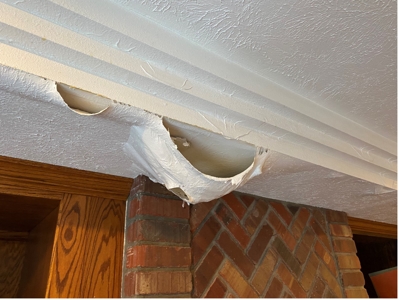
Mold problems in homes and buildings are more common than many people realize. Water leaks, flooding, poor ventilation, and high humidity can all create conditions where mold begins to grow within 24–48 hours. While the presence of mold itself can be concerning, the way it is removed is often just as important as the mold problem itself.
When mold remediation is done improperly or without following established professional standards, it can create additional health risks, spread contamination to previously clean areas, and lead to costly recurring problems. This is why many industry professionals rely on standards such as the ANSI/IICRC S520 Standard for Professional Mold Remediation, which outlines best practices for safe and effective removal.
Understanding the risks of non-compliant remediation can help homeowners make more informed decisions when addressing mold issues.
Why Mold Remediation Standards Exist
Press enter or click to view image in full size
Professional remediation standards exist to ensure that mold removal is conducted in a way that protects both workers and building occupants. The ANSI/IICRC S520 standard provides detailed guidance on:
- Containment procedures
- Worker safety and protective equipment
- Proper removal of contaminated materials
- Prevention of cross-contamination
- Post-remediation verification
These guidelines were developed through industry consensus and are widely referenced by mold removal professionals, insurers, and environmental consultants.
Without structured procedures, remediation efforts may disturb mold growth and release large quantities of spores into the air.
Health Risks From Improper Mold Removal
One of the primary concerns with poorly executed remediation is increased exposure to airborne mold spores.
Research from the U.S. Centers for Disease Control and Prevention (CDC) indicates that exposure to damp and moldy environments is associated with several health problems, including:
Nasal congestion and throat irritation
- Coughing or wheezing
- Asthma exacerbation
- Skin irritation
According to the CDC, individuals with respiratory conditions, allergies, or weakened immune systems may be particularly vulnerable.
Source: CDC — Mold and Health Effects https://www.cdc.gov/mold/faqs.htm
Similarly, the World Health Organization’s Indoor Air Quality Guidelines note that indoor mold exposure is linked to increased respiratory symptoms and asthma in both children and adults.
Source: WHO Guidelines for Indoor Air Quality: Dampness and Mould (2009)
If mold is disturbed during removal without proper containment and filtration, the concentration of airborne spores can increase significantly during the remediation process itself.
Cross-Contamination of Clean Areas
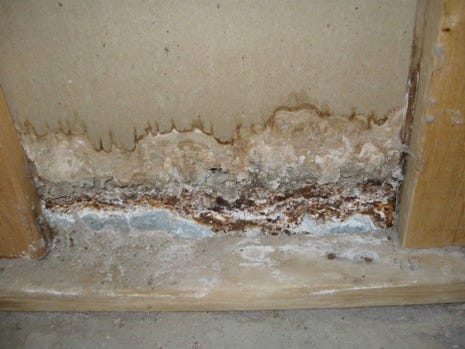
One of the most common problems with non-compliant remediation is cross-contamination.
Mold spores are microscopic and easily transported through air currents, HVAC systems, and even on clothing or tools. When remediation is conducted without containment barriers or negative air pressure systems, spores released during demolition or cleaning can spread throughout the building.
Studies examining indoor contamination patterns show that disturbed fungal growth can lead to secondary colonization in previously unaffected areas.
Research example: Górny RL (2004). Filamentous microorganisms and their fragments in indoor air — a review. Annals of Agricultural and Environmental Medicine.
This means that a poorly executed mold removal job may actually increase the size and cost of the contamination problem.
Incomplete Mold Removal
Press enter or click to view image in full size
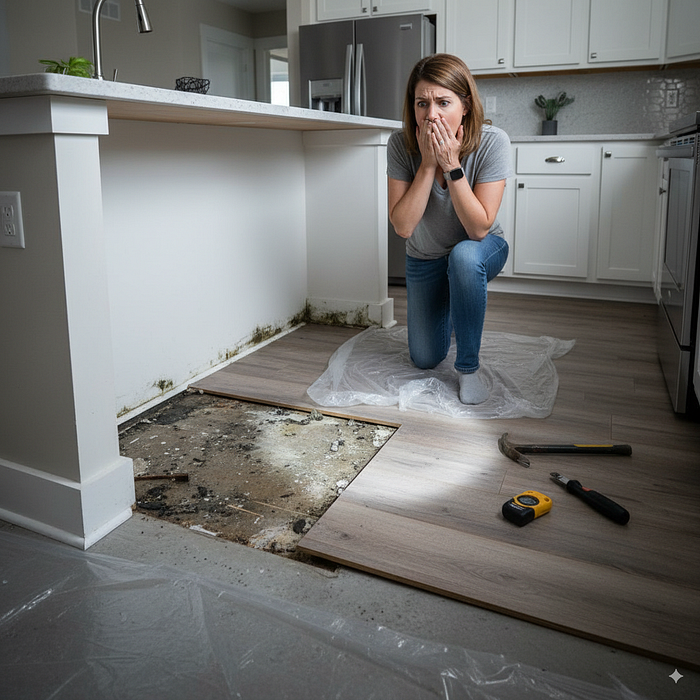
Another risk associated with non-compliant remediation is partial or ineffective removal.
Some contractors attempt to address mold using surface cleaning agents alone. However, remediation guidelines emphasize that mold should be physically removed from contaminated materials, not simply treated with chemicals.
Porous materials such as drywall, insulation, or carpeting may need to be removed when heavily contaminated.
According to research in environmental health, residual moisture combined with remaining spores can quickly lead to regrowth within days or weeks.
Source: Institute of Medicine (2004). Damp Indoor Spaces and Health.
Without addressing the underlying moisture source, remediation efforts may fail entirely.
Indoor Air Quality Problems
Indoor air quality is a major concern in buildings affected by mold. When remediation work is done without HEPA filtration, containment, or controlled demolition procedures, dust and fungal fragments can circulate throughout the indoor environment.
These particles may remain airborne for extended periods or settle into HVAC systems and porous materials.
A study published in Environmental Health Perspectives found that fungal components in indoor environments can contribute to inflammatory respiratory responses in sensitive individuals.
Research:
Douwes J., et al. (2003). Bioaerosol health effects and exposure assessment. Environmental Health Perspectives.
Proper remediation protocols aim to reduce airborne contaminants, not increase them.
Structural and Property Risks
Beyond health concerns, improper mold remediation can also affect the structural integrity of a building.
When water damage is not properly addressed, materials such as wood framing, drywall, and insulation can continue to deteriorate. Over time, this may lead to:
- Material decay
- Hidden mold growth inside walls or ceilings
- Reduced property value
In real estate transactions, documented mold problems can significantly impact buyer confidence and appraisal outcomes.
Addressing mold issues thoroughly and professionally can help protect long-term property value.
Legal and Insurance Implications
In some cases, poorly performed remediation may also create insurance or liability issues.
Insurance companies may require documentation showing that mold remediation followed recognized industry practices. Without this documentation, claims related to recurring damage or indoor air quality problems may be more difficult to support.
Additionally, contractors who fail to follow professional standards may expose property owners to disputes if contamination spreads to adjacent units in multi-family buildings.
The Importance of Professional Remediation Practices
Professional remediation approaches focus on several key principles:
Identify and correct the moisture source
- Isolate contaminated areas using containment barriers
- Use HEPA filtration and negative air pressure
- Remove contaminated materials safely
- Clean and verify affected areas after remediation
These procedures help ensure that remediation reduces contamination rather than spreading it.
Homeowners dealing with mold problems often benefit from consulting professionals who are familiar with recognized remediation standards.
Toronto homeowners can learn more about the remediation process and mold removal services: For example, companies such as Ultimate Mold Crew, specializing in professional mold removal inspection & remediation in Toronto typically evaluate moisture conditions, contamination levels, and appropriate containment strategies before beginning remediation work.
Final Thoughts
Mold remediation is not simply a cleaning task — it is a controlled environmental process designed to protect human health and prevent contamination from spreading.
When remediation is conducted without proper procedures, it can increase airborne exposure, contaminate previously clean areas, and lead to recurring mold problems.
By understanding the risks associated with non-compliant remediation, homeowners can make more informed decisions about how mold problems should be addressed.
In many cases, careful assessment, proper containment, and professional remediation practices can make the difference between a short-term fix and a lasting solution.