MOMA Design (2026): Redefining Contemporary Architecture and Spatial Experience
MOMA Design —this refers to MOMA International Design Studio, a multidisciplinary architecture and design practice based in Dubai, known for shaping luxury spaces across residential, hospitality, and commercial sectors.
In 2026, MOMA Design continues to strengthen its global identity as a studio that blends architecture, interiors, and landscape design into a unified creative language focused on experience, sustainability, and innovation.
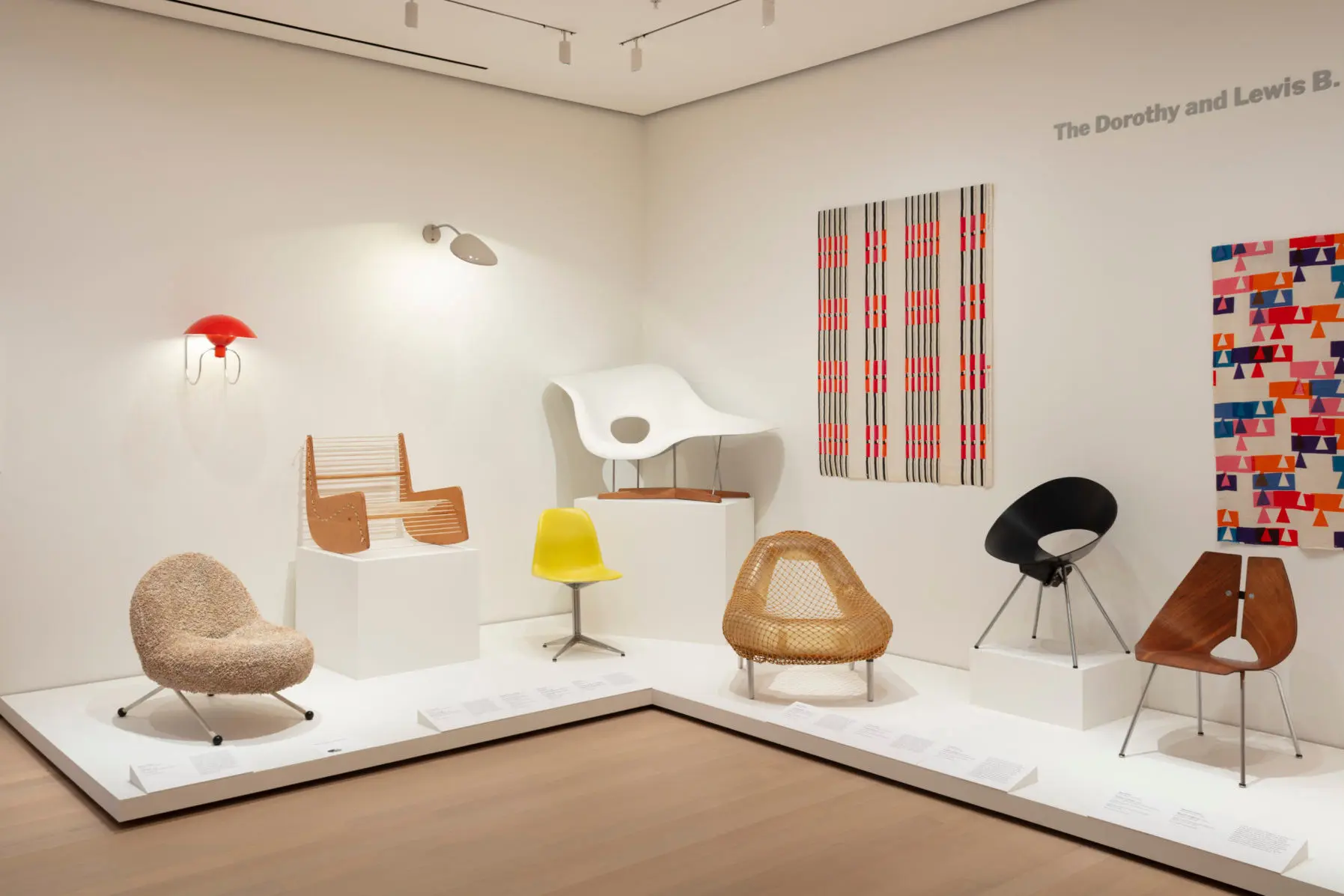
A 2026 Vision: Design as a Unified Experience
In 2026, MOMA Design is increasingly recognized for its integrated philosophy where architecture is not treated as a standalone discipline. Instead, it functions as a complete spatial narrative combining structure, interior emotion, and environmental flow. This approach ensures that every project feels cohesive from the outside form to the smallest interior detail.
The studio emphasizes creating environments that are not only visually impactful but also deeply experiential—spaces that respond to how people move, feel, and interact.
Architecture Rooted in Context and Emotion
MOMA’s architectural work in 2026 reflects a shift toward context-driven design, where each project is shaped by its climate, culture, and purpose. The firm combines modern construction techniques with material sensitivity and spatial clarity.
Rather than focusing purely on aesthetics, the architecture prioritizes:
Environmental integration
Functional efficiency
Emotional connection to space
Long-term adaptability
This results in buildings that feel timeless rather than trend-driven.
Interior Design: Crafting Identity Through Detail
MOMA Design’s interior philosophy in 2026 focuses on identity through material and detail. Every interior space is curated to reflect a unique narrative, often using custom furniture, textures, and lighting strategies.
The interiors are designed to balance luxury with usability, ensuring that spaces remain both elegant and practical. The studio’s FF&E approach reinforces this by creating bespoke elements that enhance the overall architectural vision.
Landscape Design and Environmental Harmony
Landscape design plays a central role in MOMA’s 2026 approach. Outdoor spaces are no longer treated as secondary elements but as extensions of architecture.
Key principles include:
Seamless indoor-outdoor transitions
Sustainable planting strategies
Climate-responsive layouts
Natural shading and cooling systems
This creates environments where nature and structure coexist in balance.
Sustainability and Future-Ready Design
In 2026, sustainability is fully embedded in MOMA’s design process rather than treated as an add-on. The studio incorporates:
Energy-efficient systems
Low-impact materials
Passive design strategies
Long-life construction methods
The goal is to create spaces that remain relevant, efficient, and environmentally responsible for decades.
Global Practice with Local Sensitivity
MOMA Design operates internationally while maintaining strong sensitivity to local culture and context. Each project is adapted to its geographic and cultural environment, ensuring authenticity in design expression.
This global-local balance is one of the key reasons the studio continues to grow its reputation in luxury development markets.
Conclusion
In 2026, MOMA Design stands as a forward-thinking architecture and design studio focused on integration, sustainability, and experience-driven spaces. By combining architecture, interiors, and landscapes into a single design language, the firm continues to shape environments that are modern, meaningful, and enduring.