Television Review: The Prisoner (1967 - 1968)
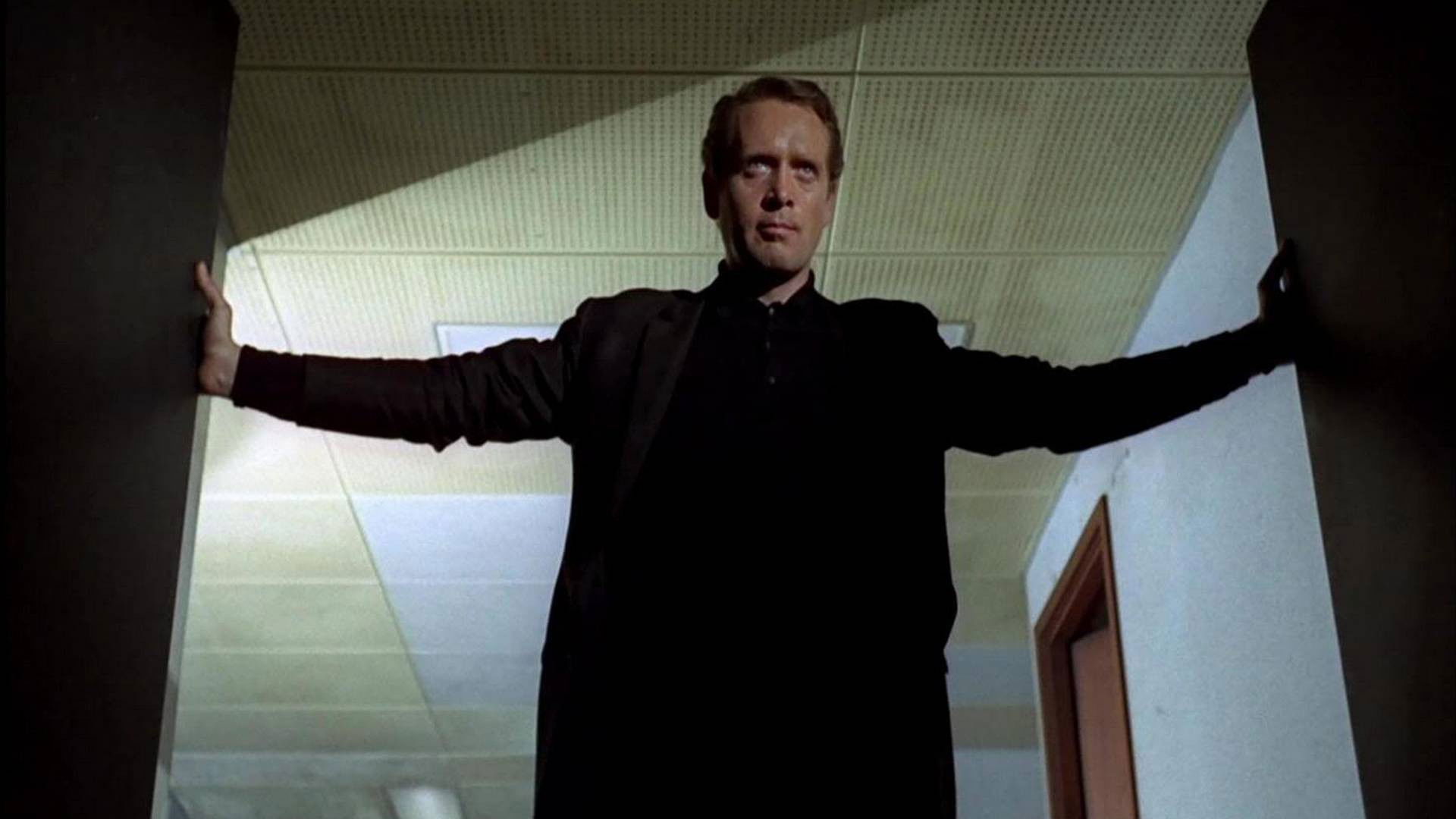
The Prisoner, the seminal 1967-1968 British television series created by and starring Patrick McGoohan, remains one of the most enigmatic and influential programmes in the history of the medium. Originally intended as a 13-week sequel to McGoohan's earlier espionage hit Danger Man (retitled Secret Agent in the US), it ballooned into 17 episodes amid creative turmoil, airing first on ITV from September 1967 to February 1968. Set in the mysterious "Village" – a picturesque yet inescapable coastal enclave where the protagonist, known only as Number Six, is held captive after resigning from his unnamed intelligence agency – the series eschews conventional spy thriller tropes for a hallucinatory exploration of identity, authority, and resistance. McGoohan, who also served as executive producer, imbued it with his staunch Catholic individualism, drawing from influences as diverse as Orwell's 1984, Kafka's existential dread, and the psychedelic counterculture of the Swinging Sixties. Yet, for all its ambition, The Prisoner is a deeply flawed masterpiece: brilliant in its conceptual audacity, but marred by inconsistency, pretension, and a finale that alienates as much as it enlightens.
At its core, The Prisoner is a parable of the human spirit's unyielding quest for autonomy in an age of surveillance and conformity. Number Six awakens in the Village after his abduction, stripped of his name (he's simply "you are Number Six"), subjected to relentless psychological interrogation by rotating Number Twos, and surrounded by balloon-like "Rover" sentinels that enforce compliance. The iconic opening sequence – McGoohan striding through London streets only to be gassed in his flat – sets the tone: a man who "will not be pushed, filed, stamped, indexed, briefed, debriefed or numbered" against a faceless bureaucracy. Episodes like Arrival masterfully establish this Kafkaesque nightmare, with its candy-coloured cottages belying a panopticon of control. The Village's blend of British seaside quaintness and Orwellian menace is visually arresting, thanks to cinematographer Jack Hildyard's vibrant palettes and innovative location shooting in Portmeirion, Wales. McGoohan's performance is towering – a coiled spring of defiance, his every "I am not a number!" a clarion call to personal sovereignty.
The series excels when leaning into surreal allegory. Free for All satirises democratic farce as Number Six runs for election as Number Two, only to perpetuate the Village's charade. The Schizoid Man delivers a doppelgänger mind-bender, pitting McGoohan against himself in a battle for selfhood that anticipates Fight Club by decades. Hammer into Anvil flips the script, with Number Six psychologically dismantling a paranoid Number Two (Colin Gordon, memorably unhinged), showcasing the programme's subversive glee in turning the tables on power. These instalments pulse with intellectual rigour, weaving Cold War paranoia – East vs West rendered irrelevant in the Village's neutral hell – with Sixties youth rebellion. McGoohan's script input ensures philosophical heft; motifs of masks, games, and rituals recur, symbolising societal conditioning. The score by Ron Grainer, with its jaunty yet ominous theme, amplifies this tension, evoking both nursery rhymes and neural reprogramming.
Yet, The Prisoner's virtues are undermined by glaring weaknesses, chief among them narrative inconsistency. McGoohan's autocratic vision clashed with producers, leading to a production reshuffle after episode six, The General, which introduced a sinister education computer only to fizzle out. Western-themed Living in Harmony and comic-strip The Girl Who Was Death feel like discarded Danger Man pilots shoehorned in, their stylistic experiments jarring amid the Village's cohesion. Do Not Forsake Me Oh My Darling, with McGoohan's body loaned to a Nigel Stock-starring bureaucrat, is widely derided as filler – a body-swap gimmick devoid of thematic resonance. Pacing suffers too; early episodes build dread methodically, but later ones devolve into psychedelic excess, culminating in the notorious two-parter Once Upon a Time and Fall Out.
Once Upon a Time" squeezed into a single 50-minute episode due to budget overruns, is a hypnotic tour de force: Number Two (Leo McKern, reprising his role with feral intensity) subjects Six to speed-learning torture in a sensory deprivation chamber, regressing him to infancy in a battle of wills. It's raw, claustrophobic, and thematically pure – free will as the ultimate weapon. But Fall Out, the finale, is an unmitigated disaster. In a barrage of carnival imagery, Number Six leads a rebellion, uncovers Number One (revealed as McGoohan himself, donning a monkey mask), and returns to London in a bizarre motorcade with corpses and dwarfs. Intended as revolutionary anarchy, it lands as indulgent nonsense, alienating viewers and tanking ratings. McGoohan later defended it as a rejection of linear storytelling, but it smacks of hubris – a creator so enamoured with his allegory he forgot audience comprehension.
Thematic depth is another double-edged sword. While episodes dissect conformity (A Change of Mind with its lobotomy-via-villagers' thumbs), they often lapse into moralising. McGoohan's conservatism shines through: the Village as a microcosm of godless modernity, Number Six as everyman Christ-figure. Production values, stellar in exteriors, falter indoors; cheap sets and repetitive stock footage betray ITC Entertainment's penny-pinching. Casting rotates Number Twos effectively (standouts: McKern's bombast, Anton Rodgers' smarm in Dance of the Dead), but supporting roles lack nuance, serving as ciphers for oppression.
The Prisoner's legacy endures despite these flaws. It pioneered non-linear TV, influencing Lost, The Matrix, and Westworld with its puzzles and reveals. In our surveillance state – think CCTV Britain or NSA leaks – its warnings ring truer than ever. Commercially, it spawned merchandise, a 2009 AMC remake (inferior, sanitised), and endless fan theories. Yet, rewatches reveal its datedness: Sixties psychobabble now feels quaint, and McGoohan's intensity borders on hysteria.
Ultimately, The Prisoner is a noble failure – visionary in intent, erratic in execution. It dares viewers to question authority, but its opacity punishes casual engagement. McGoohan's magnum opus captures the era's existential flux, yet its pretensions hobble its universality. Essential viewing for cult enthusiasts, but demanding patience from the uninitiated.
(NOTE: List of individual episode reviews can be accessed via this link.)
--
Blog in Croatian https://draxblog.com
Blog in English https://draxreview.wordpress.com/
InLeo blog https://inleo.io/@drax.leo
BTC donations: 1EWxiMiP6iiG9rger3NuUSd6HByaxQWafG
ETH donations: 0xB305F144323b99e6f8b1d66f5D7DE78B498C32A7