Hyacinth: The Fragrant Burst of Spring
When the first warm breezes of March drift through the garden, there’s one flower that seems to announce the season’s arrival with a trumpet‑like fanfare of scent and colour – the hyacinth. Belonging to the Hyacinthus genus of the Asparagaceae family, this modest bulb has been stealing hearts for centuries, from the manicured courts of ancient
Persia to today’s modern windowsill collections. If you’ve ever wondered why the hyacinth enjoys such a storied reputation, keep reading. We’ll explore its history, symbolism, and a few tried‑and‑true tips for growing a thriving display.
A Brief History
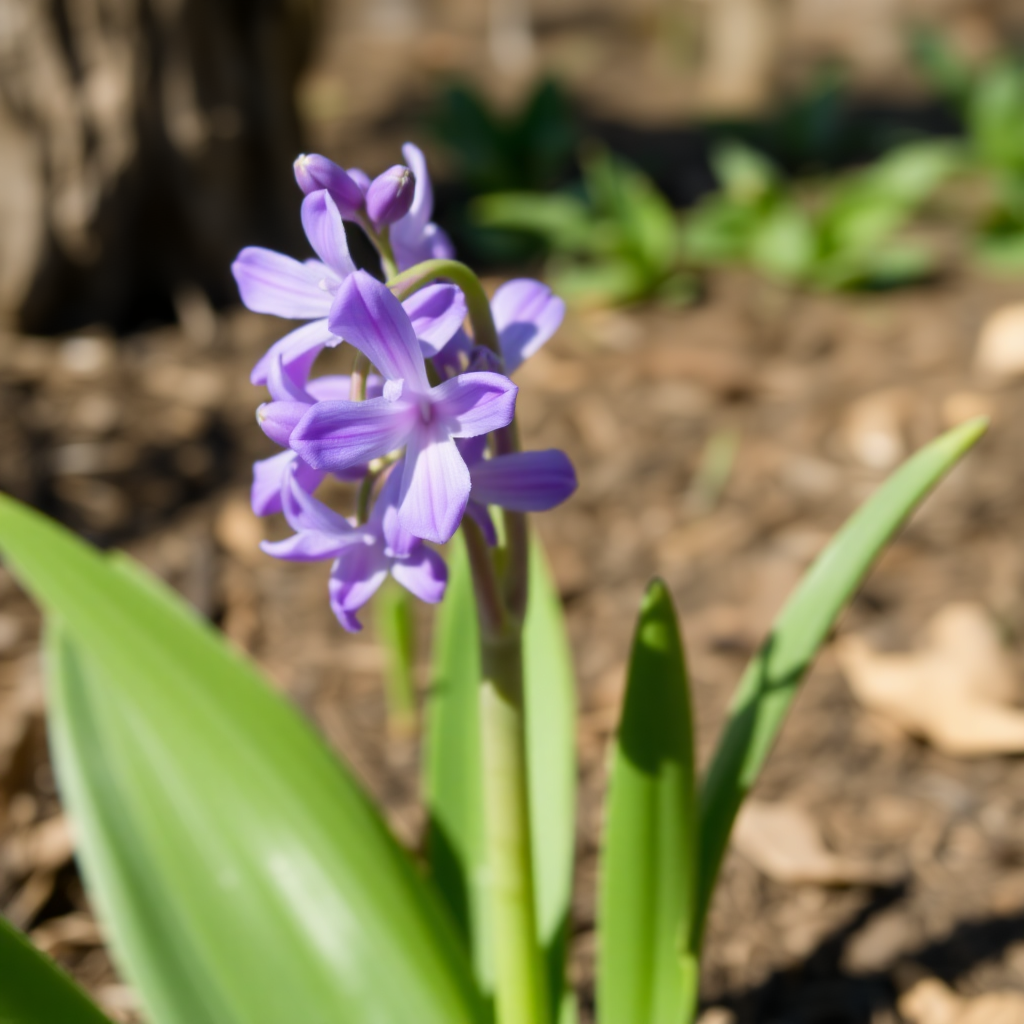
The hyacinth’s journey begins in the rugged hills of the eastern Mediterranean, where it grew wild in Turkey, Syria, and Lebanon. Legend has it that the ancient Greeks named the flower after the mythic youth Hyacinthus, who tragically drowned in a river and was transformed into a fragrant blossom by Apollo.
By the 16th century, Ottoman traders introduced the cultivated bulb to Europe, where horticulturists in the Netherlands quickly began breeding new colours and larger spikes. The Victorian era elevated the hyacinth to a symbol of rebirth, and it soon became a staple in both garden beds and indoor “spring‑time” bouquets.
Symbolism & Popular Uses
Because of its intoxicating fragrance and vivid hues—ranging from deep purples to pale pinks, crisp whites, and sunny yellows—hyacinths have long been associated with renewal, constancy, and the promise of new beginnings.
In the language of flowers, a single hyacinth conveys “boredom,” while a full bouquet whispers “beauty” and “grace.” It’s no surprise that the flower graces wedding décor, fragrant potpourri, and even the classic “Hyacinth” perfume that has been a bestseller since the 1950s.
Growing the Perfect Hyacinth
Planting time:
In temperate climates, plant the dormant bulb in late summer or early autumn (September–October). This gives the roots a chance to establish before the cold sets in.Soil & location:
Choose well‑draining, loamy soil with a pH between 6.0 and 7.0. Position the bulb where it will receive full sun to partial shade. A depth of 10‑12 cm (about 4‑5 inches) with the tip pointing upward works best.Watering:
After planting, water lightly to settle the soil. Once the shoots emerge, keep the soil evenly moist but never soggy—over‑watering can cause bulb rot.Feeding:
A balanced, slow‑release fertilizer applied in early spring, just before the shoots push through, encourages vigorous blooms and strong foliage.Post‑bloom care:
Allow the foliage to yellow naturally; the leaves continue photosynthesising and store energy for the next season’s growth. Resist the urge to cut the leaves prematurely.
Variety Spotlight
‘Pink Pearl’ – Delicate pastel pink spikes, perfect for soft‐toned arrangements.
‘Diva’ – Deep violet blooms that pack a punch in container gardens.
‘White Pearl’ – Classic ivory blossoms, ideal for bridal décor.
‘Dutch Giant’ – A towering hybrid that can reach up to 30 cm (12 inches) with dense flower clusters.
Final Thoughts
The hyacinth may be modest in stature, but its impact is anything but. Its rich fragrance, striking colour palette, and historic allure make it a must‑have for any spring‑loving gardener or interior designer.
By giving this bulb a little attention—planting at the right time, providing well‑draining soil, and letting the foliage run its course—you’ll be rewarded with a fragrant cascade that turns any space into an ode to renewal. So go ahead, invite the hyacinth into your home or garden, and let its sweet perfume herald the triumph of spring.