Trachelium: The Unassuming Beauty Worth Adding to Your Garden
If you’ve spent any time wandering through a seasoned garden, you’ll know that the most memorable plants are often the ones you didn’t expect to stand out. One such surprise is Trachelium—commonly called the “trachelium flower” or “blue-eyed trachelium.”
Though it may not yet enjoy the celebrity status of roses or lavender, this modest herb brings a subtle charm, easy care, and a dash of botanical intrigue that makes it a worthy addition to both novice and expert gardens.
A Quick Botanical Snapshot
Trachelium belongs to the family Campanulaceae, a diverse group that also includes the classic bellflowers. The genus comprises roughly a dozen species, the most cultivated being Trachelium caeruleum (blue trachelium) and Trachelium lanceolatum.
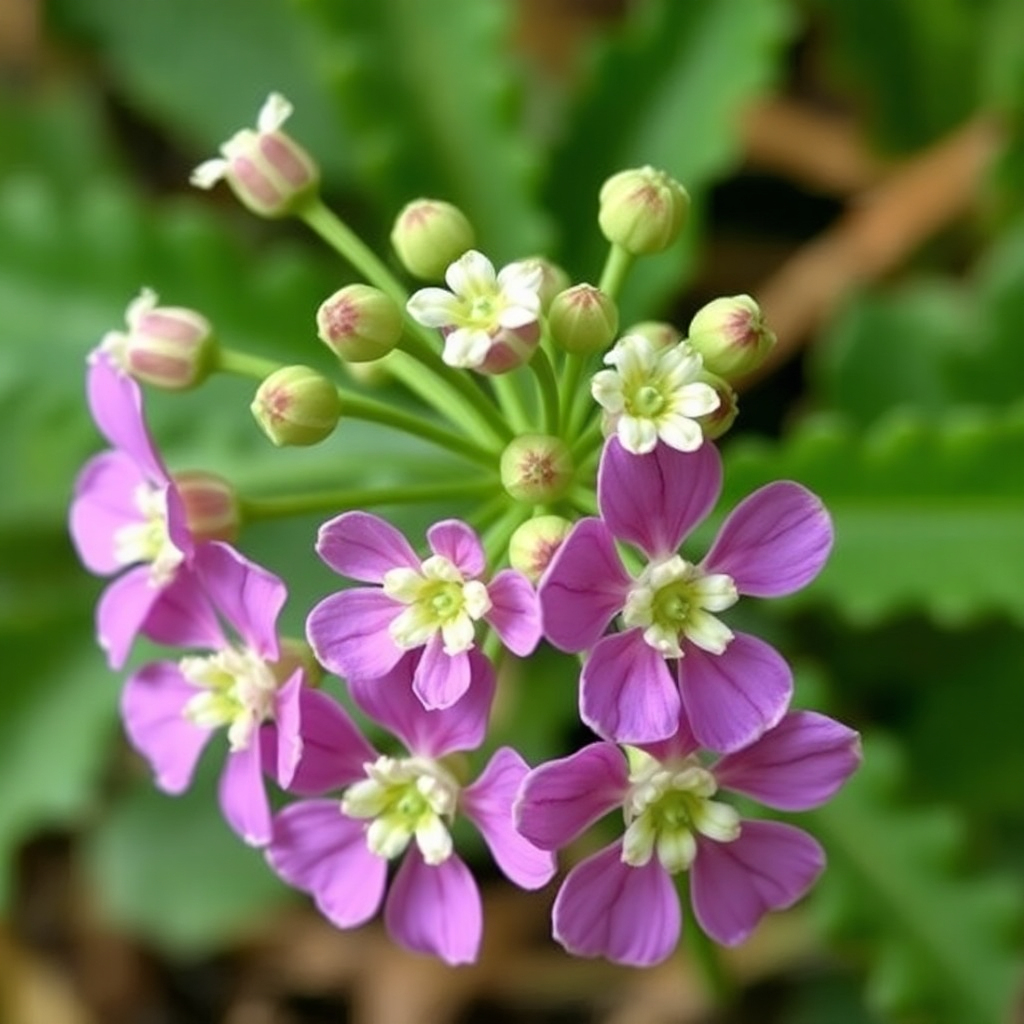
Native to the Mediterranean basin—particularly the rugged cliffs of Greece, Turkey, and Southern Italy—these perennials have adapted to dry, sun‑baked soils and can thrive in rock gardens, borders, or container settings.
The name “trachelium” derives from the Greek word trachelos (neck), a reference to the elongated, slightly tubular shape of the flower’s corolla. The blooms typically range from soft sky‑blue to lavender‑purple, with a delicate white throat that invites pollinators. A mature plant can reach 30–45 cm (12–18 in) in height, forming tidy clumps that spread modestly over time.
Why Gardeners Love Trachelium
Low‑Maintenance Grace – Once established, trachelium tolerates drought, poor soil, and even brief periods of neglect. Its deep taproot taps residual moisture, reducing the need for frequent watering.
Season‑Long Interest – The plant produces a profusion of small, star‑shaped flowers from early summer through early autumn, providing color when many other midsummer bloomers fade.
Pollinator Friendly – Bees and butterflies are drawn to the nectar‑rich blossoms, making trachelium a subtle yet effective pollinator magnet.
Versatile Design – Its compact habit makes it ideal for edging, rock gardens, container mixes, or as a filler between taller perennials. Pair it with silver‑leafed sage, lavender, or low‑growing thyme for a Mediterranean‑style tableau.
Planting and Care Tips
- Site Selection: Choose a sunny position with well‑draining soil. Lightly alkaline or neutral pH (6.5‑7.5) mirrors its native environment.
- Soil Prep: Amend heavy clay with coarse sand or grit to improve drainage. A thin layer of compost provides modest nutrients without encouraging overly lush foliage that can invite fungal issues.
- Sowing & Transplanting: Sow seeds in late winter indoors or directly outdoors after the last frost. Lightly cover the seeds; they need light to germinate. Transplant seedlings once they develop two true leaves, spacing them 15–20 cm (6–8 in) apart.
- Watering: Water thoroughly at planting, then allow the top inch of soil to dry before the next watering. Over‑watering is the most common mistake.
- Pruning: After the first flush of blooms, trim spent flower stems to promote a second, smaller blooming period. In late autumn, cut the plant back to a few centimeters above ground to protect the root crown over winter.
A Small But Meaningful Touch
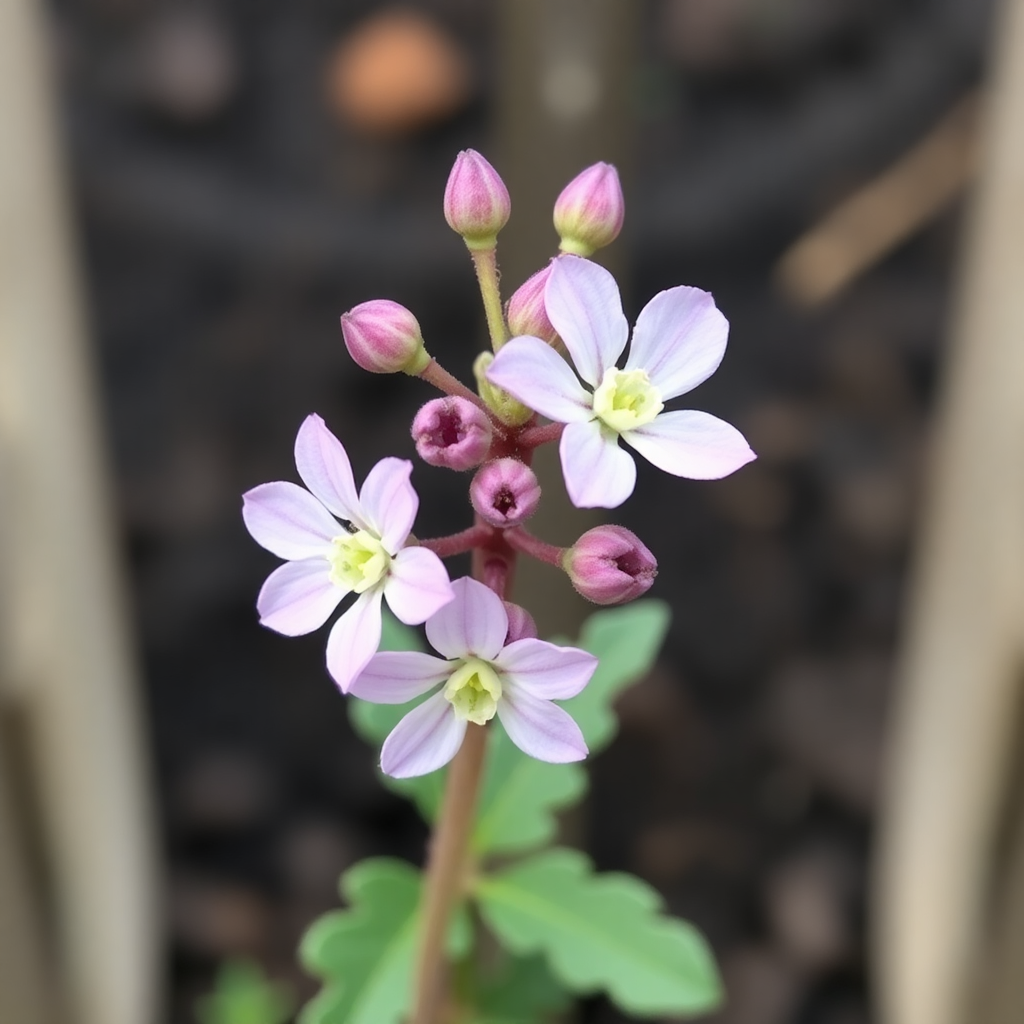
In an age where gardeners often chase bold, show‑stopping statements, Trachelium reminds us that subtlety can be just as compelling. Its quiet resilience, low‑maintenance nature, and delicate sky‑blue blossoms make it a perfect choice for anyone seeking to add texture and seasonal interest without demanding excessive upkeep.
Next time you stroll through a garden center or peruse a seed catalog, give the humble trachelium a second glance. Plant a few, and you may discover that this understated flower becomes the quiet heart of your garden’s summer tapestry.