Bleeding Heart: The Enchanting Florals That Steal the Show
If you’ve ever strolled through a shady garden in early summer and caught sight of delicate pink‑and‑white arches that look like a heart bleeding tears, you were looking at a Bleeding Heart (Dicentra spectabilis).
This graceful biennial‑perennial hybrid has a way of turning ordinary borders into romantic, almost theatrical displays. Below, we explore the plant’s history, growing habits, care tips, and why it deserves a spot in your garden.
A Brief History & Botanical Snapshot
Native to the woodlands of Siberia, northern China, and Japan, the Bleeding Heart was introduced to Europe in the early 19th century. Its Latin name, Dicentra, means “two‑handed,” referring to the pair of hooked sepals that cradle each flower. The common name derives from the drooping, heart‑shaped blossoms that appear to “bleed” a bright pink or white “tear.”
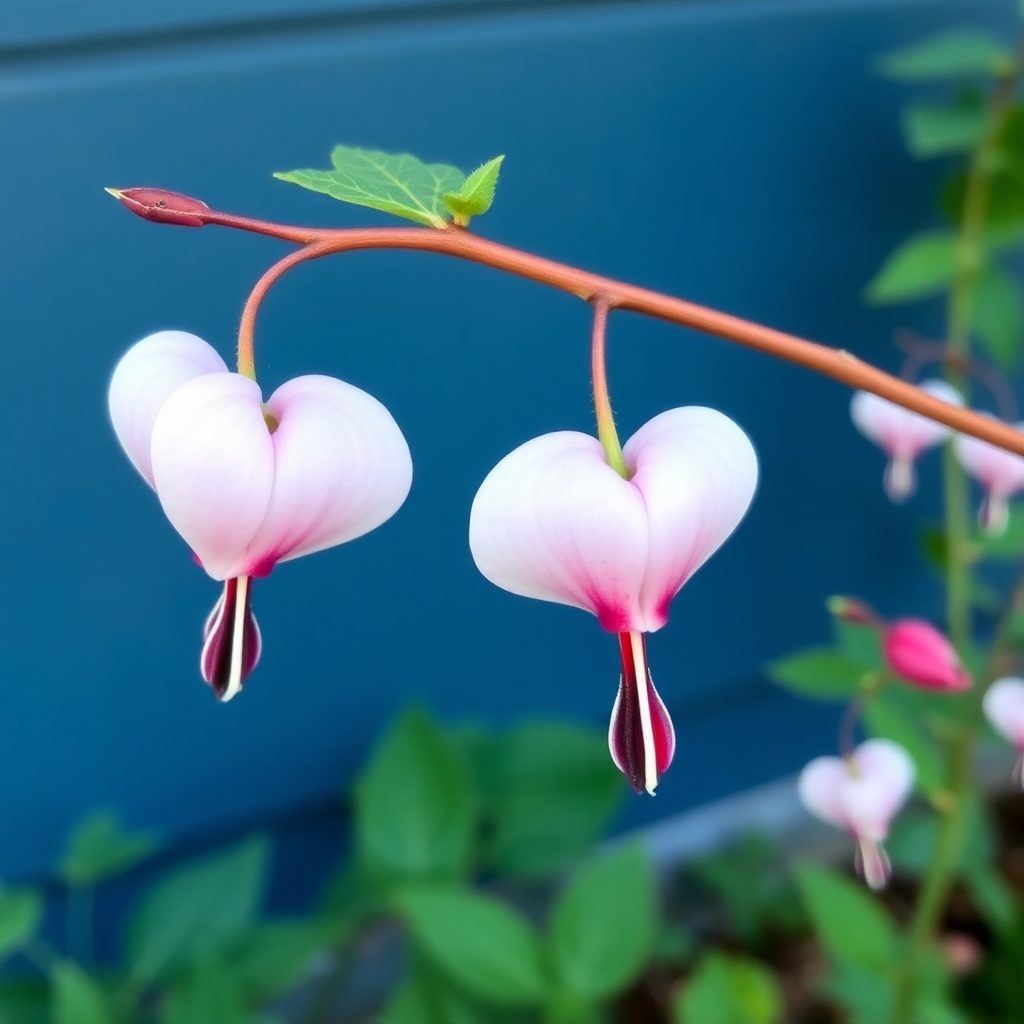
The plant typically reaches 2–3 feet in height, with fern‑like, finely divided foliage that provides an elegant backdrop even after the blooms fade. In cooler climates it behaves as a biennial—sprouting leaves in the first year and flowering the next—while in milder zones it can persist for several years as a short‑lived perennial.
Ideal Growing Conditions
| Requirement | Best Practice |
|---|---|
| Light | Dappled shade to partial sun. Too much direct sun scorches the delicate petals; too much shade reduces blooming. |
| Soil | Rich, well‑draining loam with a pH of 6.0–7.0. Adding compost or leaf mold improves moisture retention without waterlogging. |
| Water | Keep the soil evenly moist during the growing season. Reduce watering once foliage begins to yellow in late summer. |
| Mulch | A 2‑inch layer of shredded bark helps retain moisture and suppresses weeds. |
Because Bleeding Hearts love cool, moist roots, planting them near a north‑facing fence, under trees, or alongside a water feature mimics their natural forest understory.
Care & Maintenance
- Dividing – Every 3–4 years, lift the clumps in early spring and separate the crowns. This revitalizes growth and prevents overcrowding.
- Staking – Tall varieties may need a gentle stake to keep the arching stems upright, especially in windy locations.
- Deadheading – Pinch off spent flowers once they begin to wilt. This encourages a second, smaller flush in late summer.
- Winter Protection – In hard freeze zones (USDA 5‑6), cover the base with a thick mulch or burlap to shield roots from extreme temperature swings.
Varieties Worth Knowing
- ‘Alba’ – Pure white “tears” that create a sophisticated, monochrome palette.
- ‘Summer’ – Larger, deeper pink blooms that appear later in the season, extending the display period.
- ‘Fairy Tale’ – A compact, dwarf form reaching just 12–18 inches, perfect for container planting or edging low borders.
All share the same graceful silhouette but differ enough to let you design layered color schemes.
Symbolism & Garden Uses
Historically, the Bleeding Heart has symbolized deep, compassionate love and, paradoxically, heartfelt sorrow—a perfect complement to wedding bouquets, sympathy arrangements, or contemplative garden corners. Its arching stems also make a stunning backdrop for early‑blooming perennials such as columbine, lupine, or hellebore, adding height and movement to mixed borders.
Plant One Today
Whether you’re a seasoned horticulturist or a novice looking to add a touch of romance to a shaded patio, the Bleeding Heart delivers drama without demanding high maintenance. Plant a few crowns in a quiet corner of your garden, give them the cool, moist conditions they crave, and watch as they unfurl their heart‑shaped promises each spring.
Ready to bring a little poetic melancholy to your landscape? Grab a potted Bleeding Heart at your local nursery and let love bloom—one delicate tear at a time.