Billbergia: The Striking Bromeliad That Turns Any Space Into a Tropical Oasis
If you’ve ever walked through a greenhouse or visited a friend’s balcony garden and been dazzled by a splash of scarlet, orange, or deep purple blooming from a rosette of stiff, sword‑like leaves, chances are you were looking at a Billbergia.
Belonging to the bromeliad family, this genus of epiphytic plants hails from the rain‑forests of Brazil, Paraguay, and Argentina, yet it thrives just as happily on a sunny windowsill or in a well‑draining pot indoors. In just a few minutes, let’s explore why Billbergia has become a favorite among both seasoned horticulturists and casual house‑plant lovers alike.
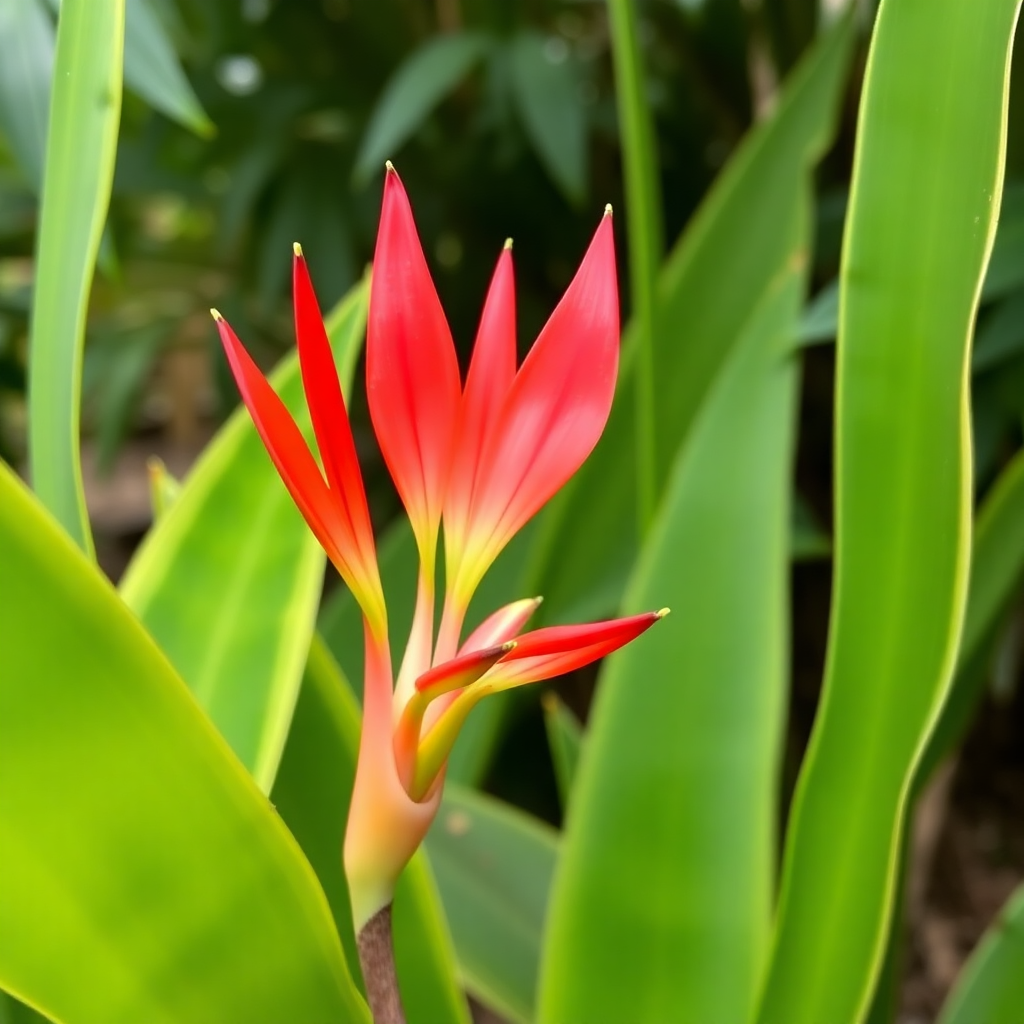
A Brief Botanical Portrait
Billbergia plants are evergreen, clump‑forming bromeliads that grow in a tight rosette shape, often reaching 12–18 inches in diameter. Their most distinctive feature is the central “tank”—the hollow formed by overlapping leaf bases. In the wild, this cup collects rainwater and debris, creating a miniature ecosystem for insects and even tiny frogs.
When the plant reaches maturity, one or more flower stalks shoot up from the center, bearing long, tubular blossoms that can be bright red, orange, yellow, or pink. The flowers are typically pollinated by hummingbirds, which love the nectar-rich tubes.
Why Billbergia Works So Well Indoors
Low Maintenance – Unlike many tropical plants, Billbergia tolerates periods of dryness. Water the central tank once a week (or when the water level drops below an inch) and allow the soil to dry out between waterings.
Air‑Purifying Power – Like other bromeliads, Billbergia helps filter indoor pollutants, making it a functional addition to home or office spaces.
Eye‑Catching Color – The vivid blooms appear suddenly, often after weeks of vegetative growth, providing a dramatic surprise that brightens any room.
Adaptability – Whether placed on a bright windowsill, a shaded bathroom, or a greenhouse bench, Billbergia adjusts to a range of light levels. Just avoid direct, scorching afternoon sun in the hottest climates.
Tips for Thriving Billbergia
Light: Bright, indirect light is ideal. A north‑ or east‑facing window works perfectly; a few hours of filtered morning sun will encourage blooming.
Soil: Use a well‑draining bromeliad mix—think orchid bark, perlite, and peat. Overly dense soil can cause root rot.
Humidity: Average household humidity (40‑60 %) is sufficient, but a light mist in dry winter months can improve vigor.
Fertilizer: Feed once a month during the growing season with a balanced, water‑soluble fertilizer diluted to half strength. Add the solution to the central tank rather than the soil.
Propagation: After the plant blooms and the flower stalk dries, the mother plant will produce “pups” at its base. Gently separate these offsets and pot them in fresh substrate.
The Symbolic Side of Billbergia
In the language of flowers, Billbergia represents enduring love and resilience—a nod to its ability to flourish in challenging epiphytic habitats. Its striking, long‑lasting blooms also symbolize passion and celebration, making it an ideal gift for anniversaries or milestones.
Bringing Billbergia Home
Ready to add a tropical flair to your living space? Look for a healthy specimen with firm, upright leaves and a clear central tank. With minimal care, your Billbergia will reward you with a show‑stopping floral display that’s as resilient as it is beautiful.
Happy planting! 🌿✨