Bluebells: The Whispering Bells of Spring
When winter finally loosens its grip, a soft, lilac‑blue chorus begins to rise from the forest floor. Those delicate, bell‑shaped blooms are bluebells (Hyacinthoides non‑scripta), a modest yet iconic herald of the season.
Though they may seem humble, bluebells carry a rich tapestry of history, ecology, and folklore that makes them far more than just a pretty face in the under‑growth.
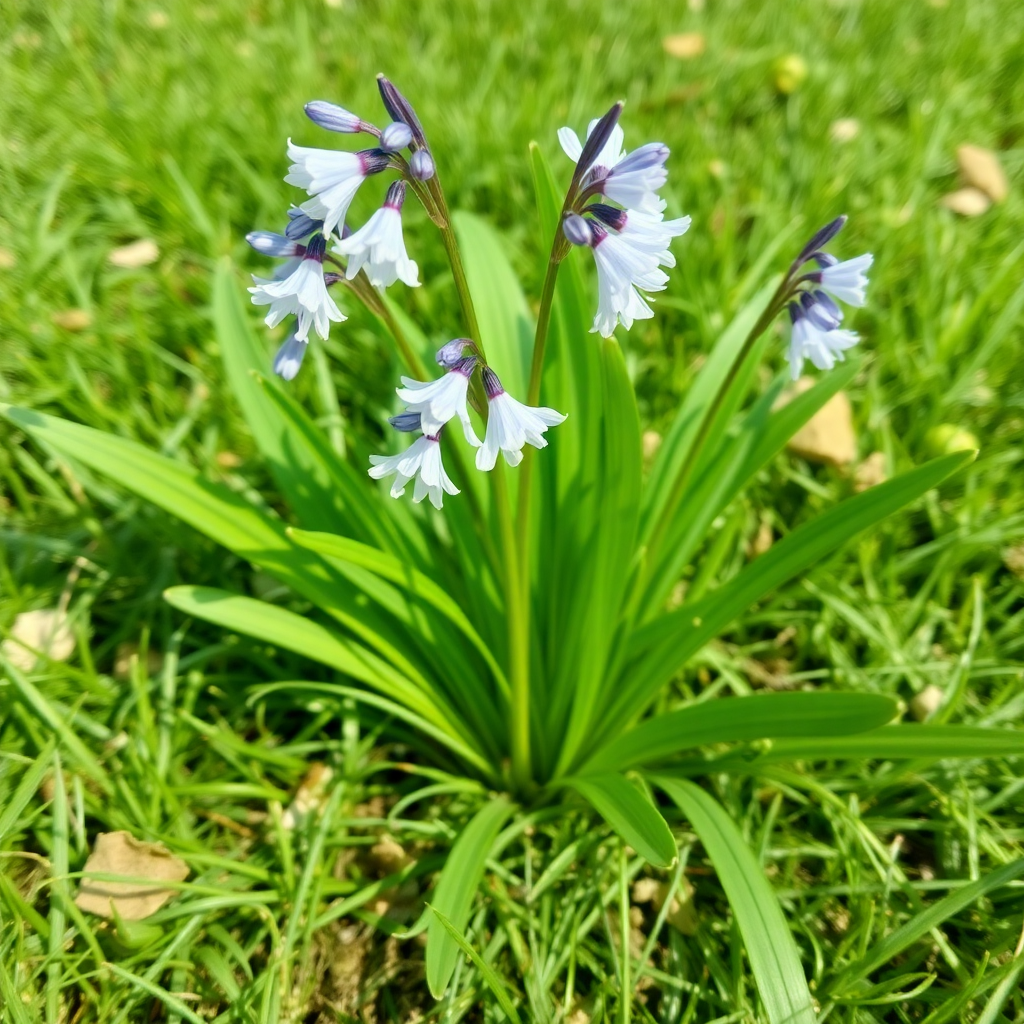
A Brief Botanical Portrait
Native to the woodlands of Britain, Ireland, and parts of western Europe, bluebells belong to the Asparagaceae family. Each slender stem bears one to eight nodding flowers, each with five fused petals that form a graceful, pendulous “bell.”
The foliage is a glossy, dark green, creating a striking contrast with the vivid, sky‑blue petals. In the right conditions—moist, well‑drained soil and dappled shade—a single patch can host thousands of individual plants, turning a quiet copse into a sea of blue.
Why They Thrive in Woodlands
Bluebells are classic spring ephemerals. They complete most of their life cycle before the canopy fully leafs out, taking advantage of the brief window of sunlight that reaches the forest floor.
Their bulbs store enough energy to push up a leaf in late winter, photosynthesize quickly, and then flower and set seed before competition for light intensifies. This timing also protects them from many herbivores that prefer mature foliage.
Legends, Lore, and Symbolism
In Celtic mythology, bluebells were believed to be the flowers that grew from the tears of fairies, giving them a touch of magic. In the language of flowers, they symbolize humility, everlasting love, and gratitude.
The British tradition of “bluebell walks” is more than a scenic stroll; it’s a ritual that connects people to seasonal change and to the centuries‑old practice of gathering wildflowers for medicinal teas and dyes.
Conserving Our Bluebell Heritage
Unfortunately, bluebells are vulnerable to habitat loss and illegal collection. Their popularity in gardens has led to the spread of the invasive Spanish bluebell (Hyacinthoides hispanica), which can hybridize and dilute the native gene pool.
Protecting ancient woodlands, avoiding trampling during peak bloom, and planting native bulbs in private gardens are simple steps anyone can take.
In short, the next time you wander through a blue‑tinged woodland, pause and listen. The soft rustle of each bell is a reminder that even the quietest flowers hold powerful stories—of survival, tradition, and the fleeting beauty of spring.