Unveiling the Elegance: The Enchanting Bleeding Heart
In the world of woodland perennials, few plants capture the imagination quite like the Lamprocapnos spectabilis, commonly known as the Bleeding Heart. With its whimsical silhouette and undeniable charm, this Victorian-era favorite continues to be a staple for gardeners looking to add a touch of romance to their shaded landscapes.
A Marvel of Nature’s Design
The true beauty of the Bleeding Heart lies in its unique, heart-shaped blossoms. Dangling gracefully from arching, leafless stems, each flower features a delicate pink (or pristine white) outer petal that "bleeds" a tiny white droplet from its base.
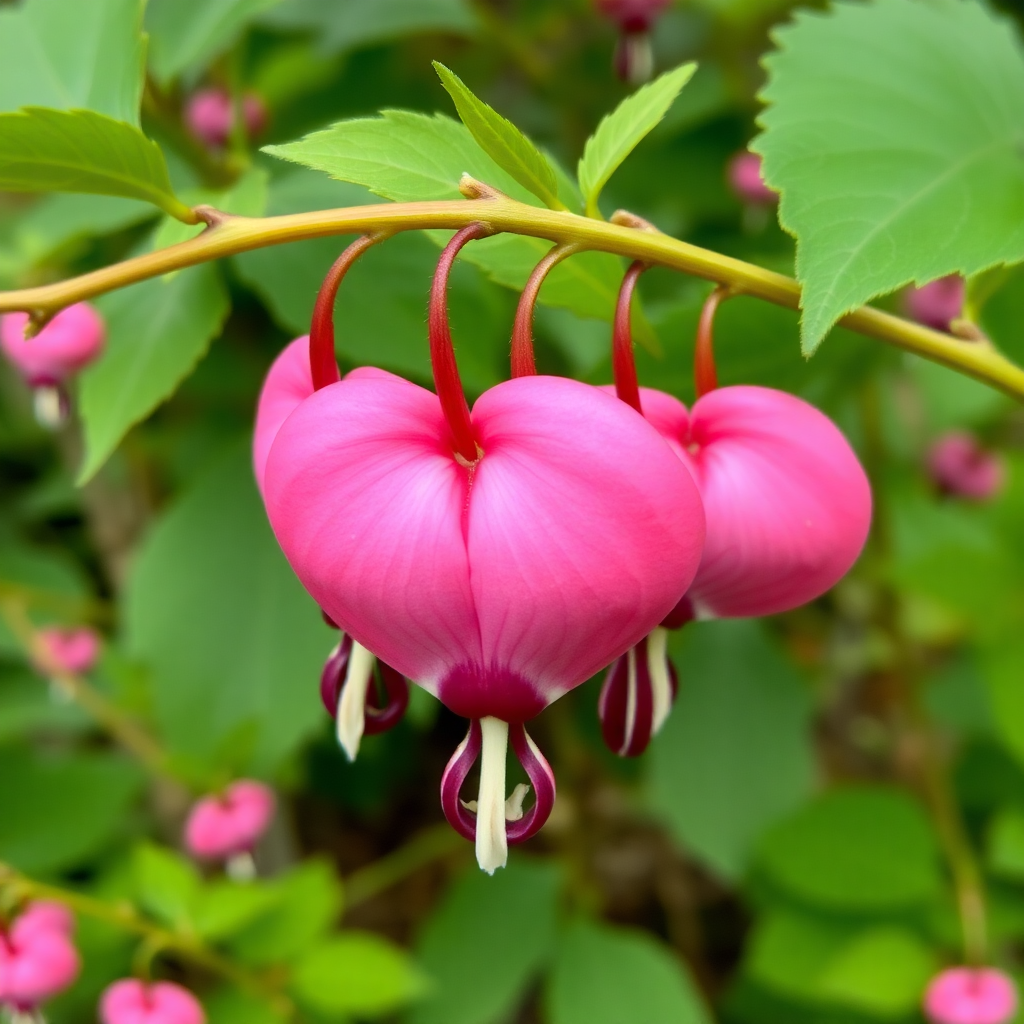
This intricate architecture creates a sophisticated display that looks almost like a delicate mobile dancing in the breeze. Emerging in mid-to-late spring, they serve as a stunning transition between the early bulbs and the lush growth of summer.
Cultivating Your Garden Gem
Native to East Asia, the Bleeding Heart thrives in environments that mimic its natural woodland habitat. To help your plants flourish, keep these three tips in mind:
Mind the Shade: These plants are happiest in partial to full shade. Too much direct afternoon sun can cause the foliage to wilt and retreat prematurely.
Keep it Moist: They prefer rich, consistently moist, but well-draining soil. Adding a layer of organic mulch will help retain moisture during the drier spring weeks.
Mind the Dormancy: It is important for gardeners to remember that Bleeding Hearts are ephemeral. As temperatures rise in mid-summer, the plant will naturally yellow and go dormant. Don’t panic—it isn’t dead! Simply plant them behind late-blooming perennials like Hosta or Ferns to fill the gap once the hearts have faded.
Whether you are crafting a cottage-style garden or looking for a centerpiece for a shady nook, the Bleeding Heart remains a timeless, poetic choice that brings magic to the garden year after year.