The Beauty and Significance of the Thumba Flower
The Thumba flower is a small yet charming white blossom that grows abundantly in tropical regions. Known scientifically as Leucas aspera, this delicate flower is easily recognized by its pure white petals and pleasant appearance. Despite its modest size, the Thumba flower holds great cultural and medicinal importance in many parts of South Asia.
One of the most remarkable features of the Thumba flower is its role in traditional medicine. For generations, people have used different parts of the plant to help treat common ailments such as colds, coughs, and skin problems. Its natural healing properties have made it a valuable herb in various traditional healthcare practices.
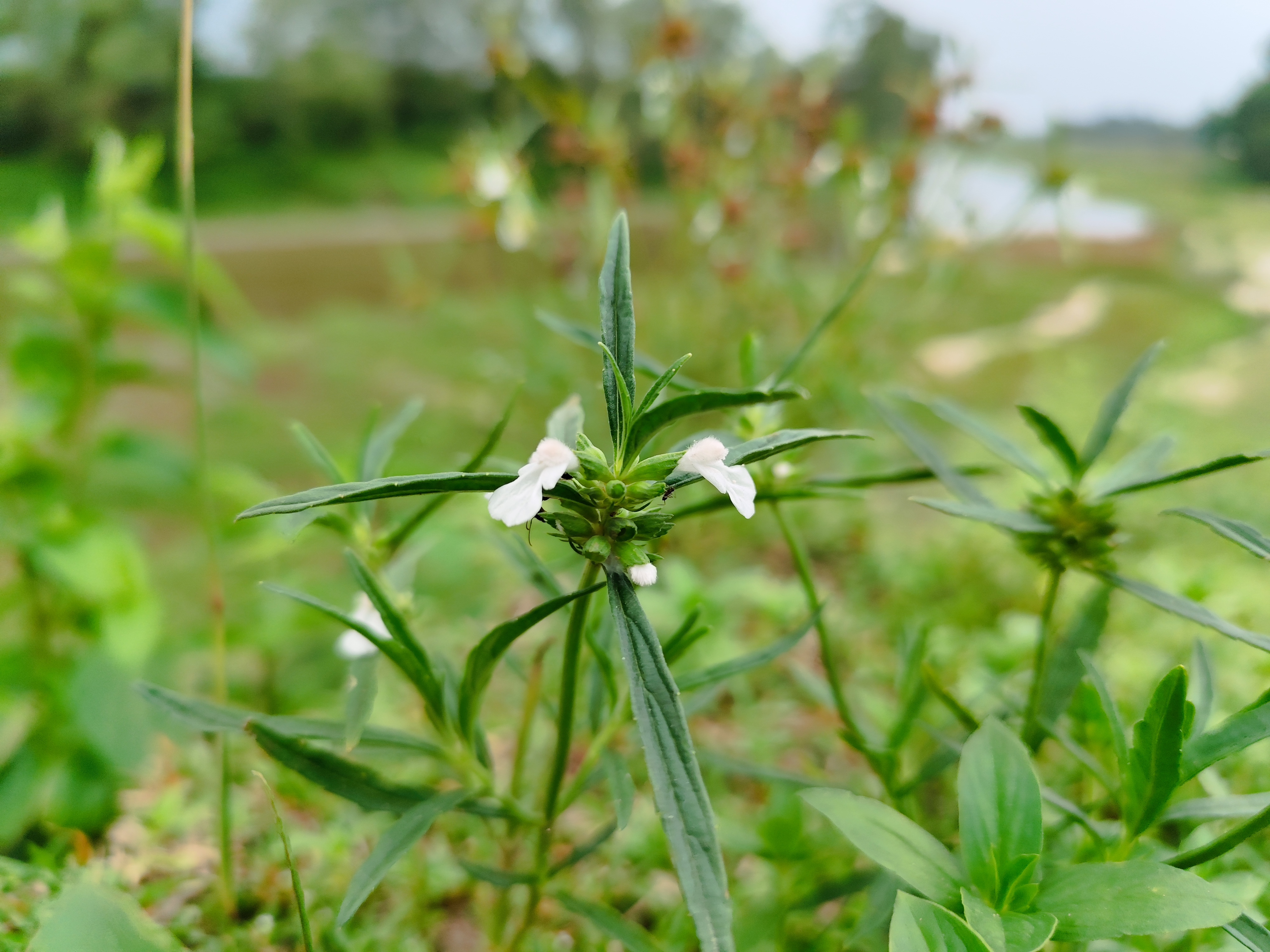
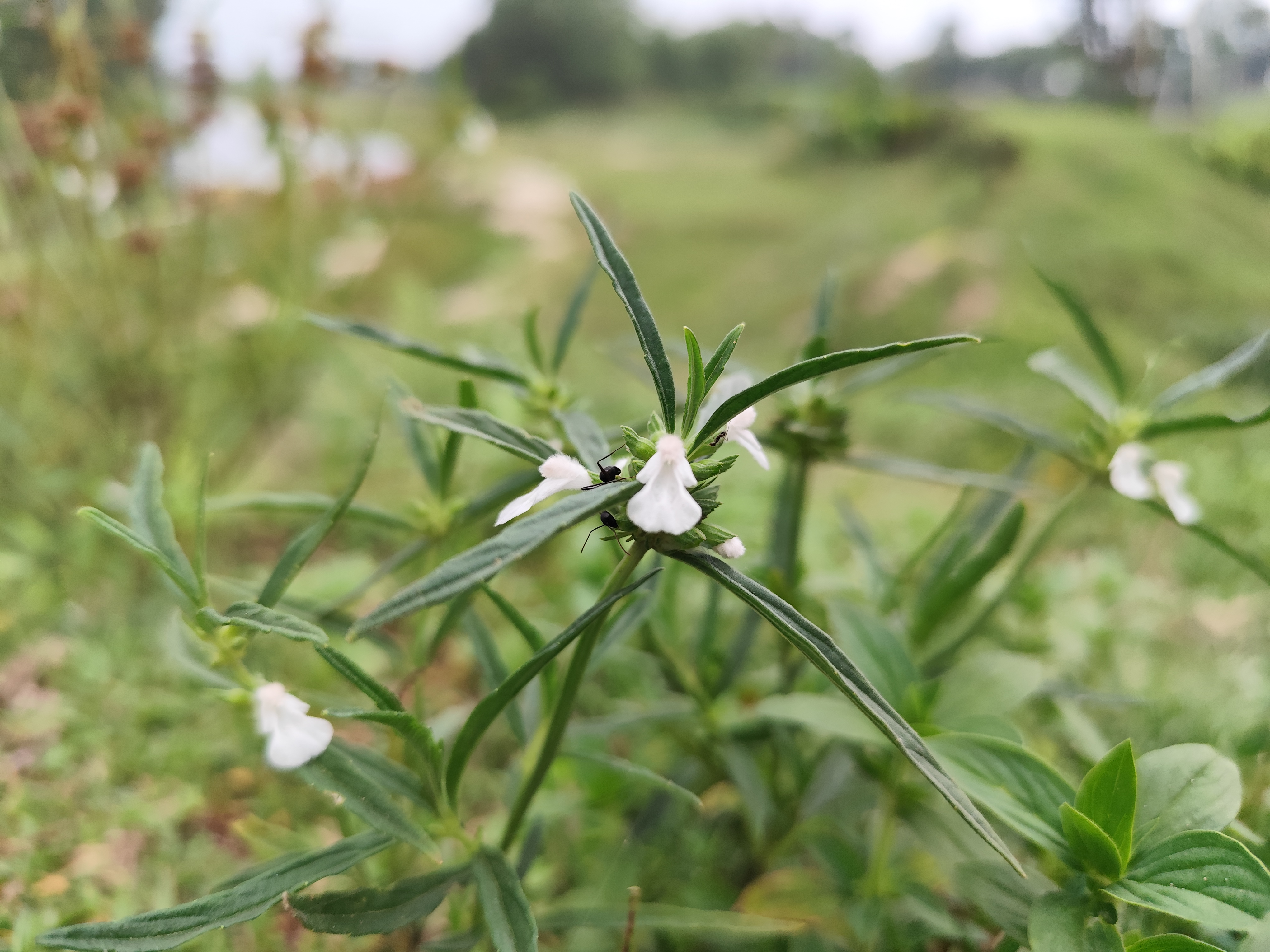
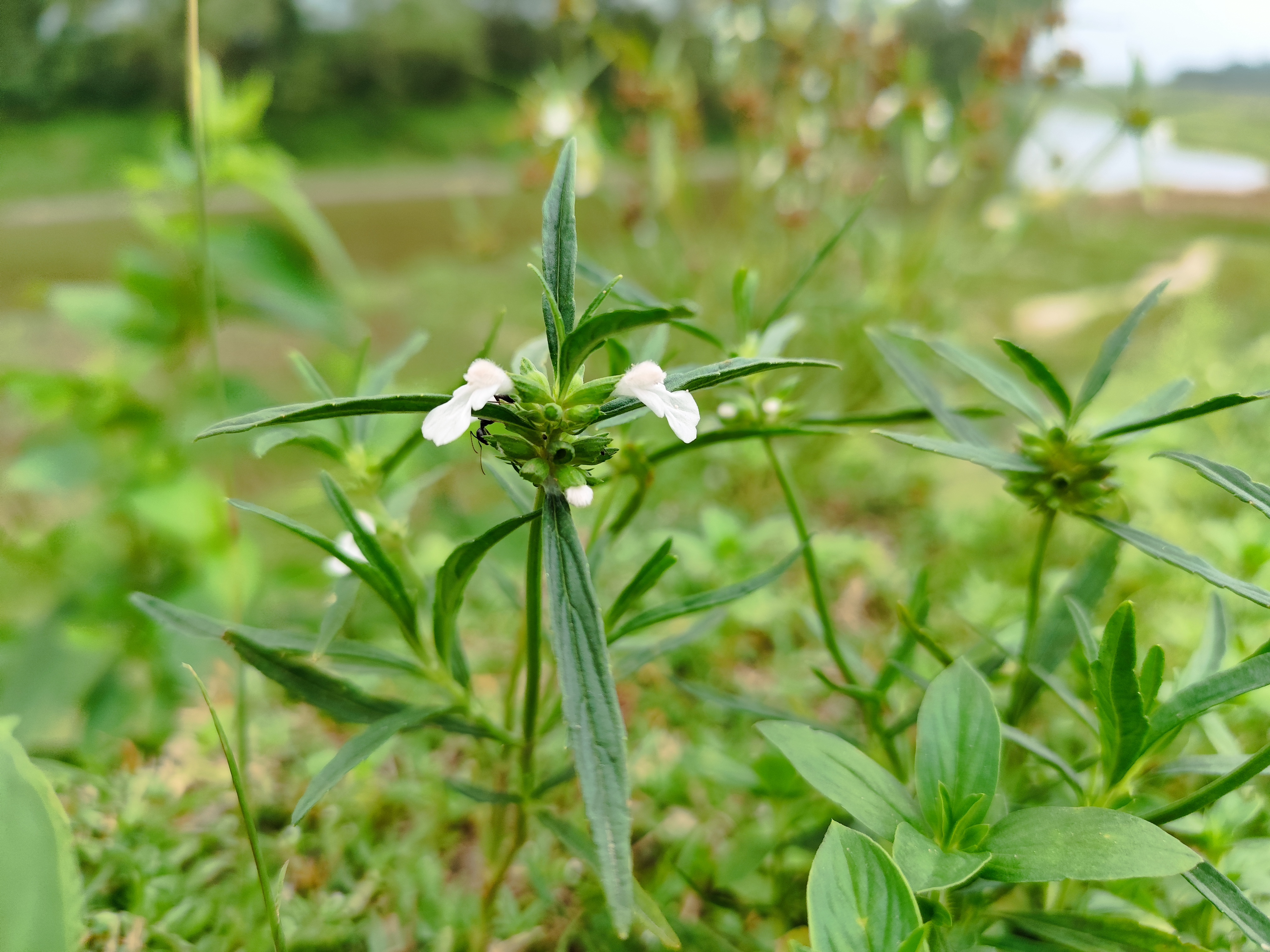
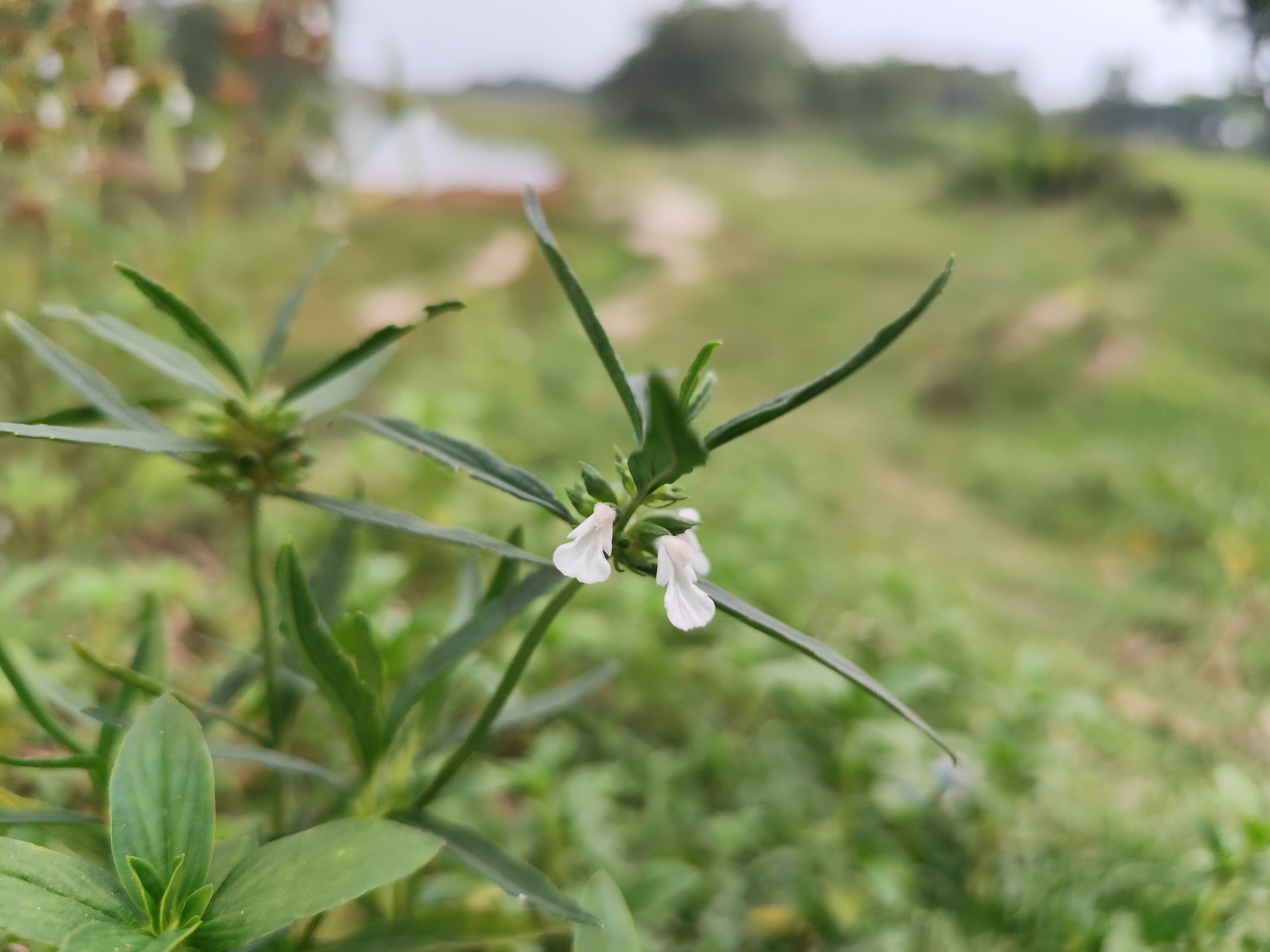
The flower is also deeply connected to religious and cultural traditions. In many regions, Thumba flowers are offered during prayers and religious ceremonies because their white color symbolizes purity, peace, and devotion. During festive occasions, these flowers often decorate homes, temples, and sacred spaces.
Apart from its cultural value, the Thumba flower contributes to the natural environment by attracting bees, butterflies, and other pollinators. Its simple beauty and ecological importance make it a beloved plant in gardens and wild landscapes alike. Though often overlooked, the Thumba flower is a wonderful example of how even the smallest flowers can have a significant impact on both people and nature.