The Charming World of Pinks: A Simple Guide to These Delightful Flowers
If you’re looking for a garden plant that combines effortless beauty with a touch of old‑world romance, look no further than the pinks. Don’t be fooled by the name – pinks are not just any pink‑colored flower. They belong to the Dianthus family, a group of hardy perennials known for their fragrant, frilled blossoms and a history that stretches back centuries.
What Are Pinks, Anyway?
The name “pinks” comes from the old English word “pinking,” meaning “to cut with a serrated edge.” If you examine a pink’s petals up close, you’ll notice tiny, scalloped edges that look as if they have been cut with tiny pinking shears.
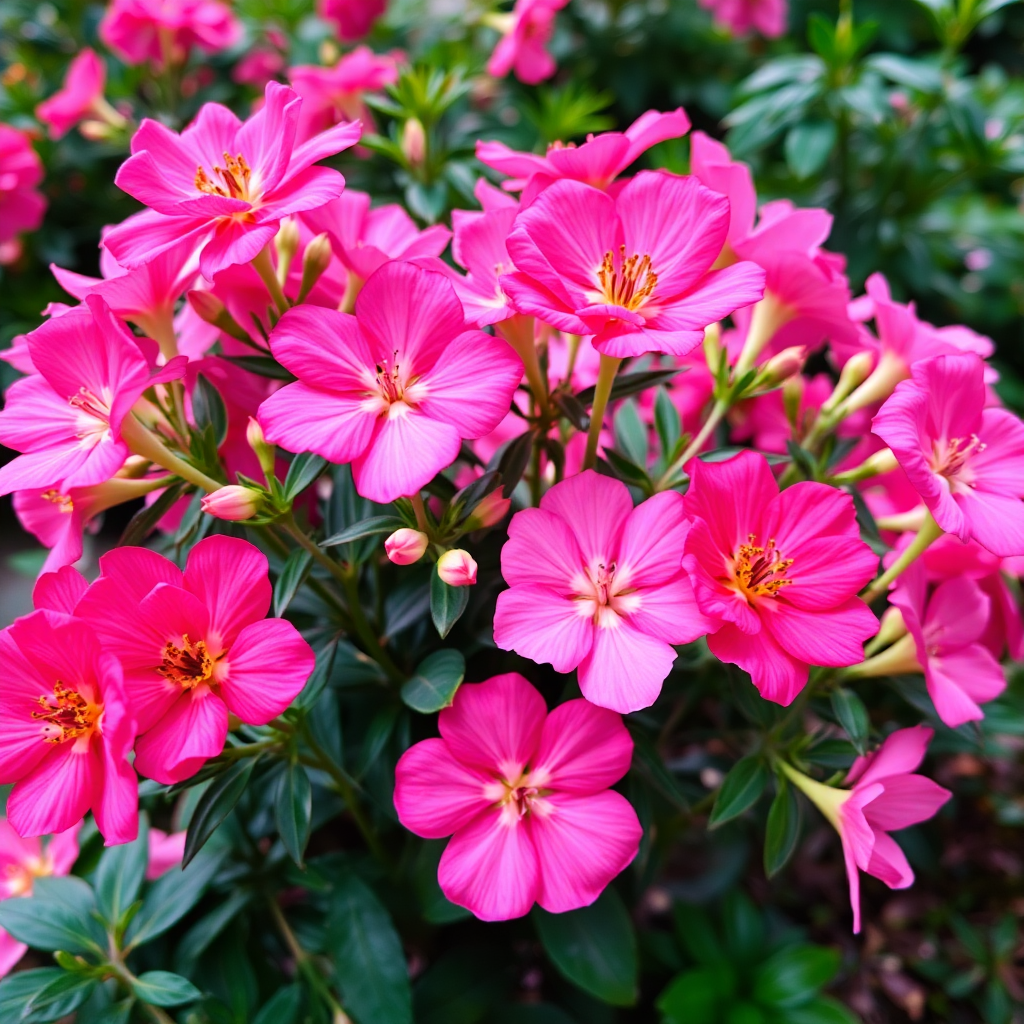
The most common species you’ll see in gardens is Dianthus barbatus (sweet william) and Dianthus caryophyllus (the classic carnation). Both share the same basic look: five petals arranged in a shallow cup, a sweet scent, and a color palette that ranges from soft pastels to vivid reds.
Why Plant Pinks?
Easy Care – Pinks love sun and well‑drained soil. They tolerate a range of conditions, from rock gardens to borders, making them perfect for beginners.
Long‑Blooming – Most varieties start flowering in late spring and continue into early fall. Dead‑heading (snipping off spent blooms) encourages a second wave of flowers.
Fragrance – A gentle, spicy scent wafts from many pink varieties, adding an aromatic layer to any garden space.
Wildlife Friendly – Bees and butterflies love the nectar, turning your garden into a buzzing hub of activity.
Planting Tips for Success
Location – Choose a spot that gets at least six hours of sunlight each day. Too much shade can result in weak stems and fewer blooms.
Soil – Pinks thrive in soil that is slightly alkaline to neutral (pH 6.5‑7.5). If your garden soil is heavy clay, mix in some sand or fine compost to improve drainage.
Spacing – Plant each pink about 12‑18 inches apart. This gives the plants room to air out, reducing the risk of fungal diseases.
Watering – Keep the soil evenly moist during the first few weeks after planting. Once established, they need only occasional watering,
especially in cool, dry climates.
A Few Popular Varieties
| Variety | Color | Height | Best Use |
|---|---|---|---|
| ‘Diana’s Blush’ | Soft pink | 12‑18 in | Border edging |
| ‘Red Velvet’ | Deep red | 14‑20 in | Cut flower arrangements |
| ‘White Lace’ | Pure white | 10‑15 in | Rock gardens |
| ‘Mauve Magic’ | Lavender‑gray | 16‑22 in | Container planting |
Creative Ways to Use Pinks
Cut Flowers – Their long stems and pleasant scent make pinks excellent for fresh bouquets. Pair them with roses or greenery for a classic look.
Container Gardens – Pinks look striking in terracotta pots or hanging baskets, especially when mixed with herbs like thyme or sage.
Edible Garnish – Some pink petals are edible and can be used to decorate salads, desserts, or teas (always confirm the variety is safe before consuming).
A Little History
Pinks have been celebrated for centuries. In medieval England they were known as “the queen of flowers,” symbolizing affection and lasting love. Shakespeare mentioned them in Much Ado About Nothing, and they were a favorite of the famed horticulturist Gertrude Jekyll, who used them to create soft, romantic borders in her gardens.
Closing Thoughts
Whether you have a sprawling backyard or a modest balcony, pinks can add a touch of timeless elegance to any space. Their easy care, fragrant blooms, and cheerful colors make them a perfect choice for both novice gardeners and seasoned green thumbs. Plant a few this spring, and soon you’ll be enjoying the gentle rustle of frilly petals and a sweet scent that lingers long after the sun sets.
Happy planting, and may your garden always be pink!